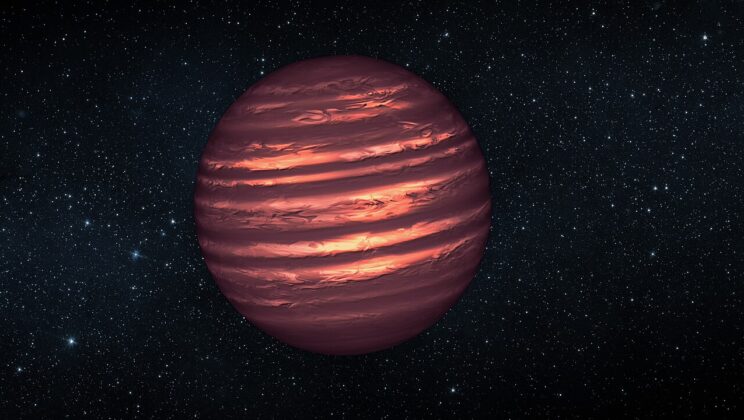
In the vast darkness between the stars, there exist objects that glow faintly, quietly defying the neat categories humans love…
Author: Editors of ScienceNewsToday
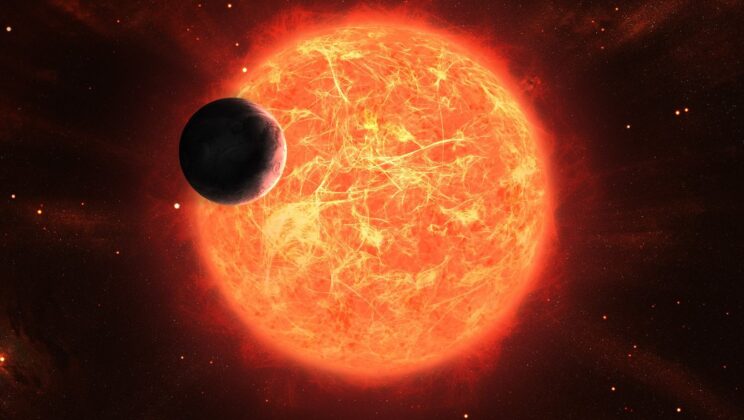
Red Supergiants: The Dying Gasps of the Universe’s Largest Stars
Red supergiants are among the most awe-inspiring and emotionally charged objects in the cosmos. They are colossal, luminous, and unstable,…
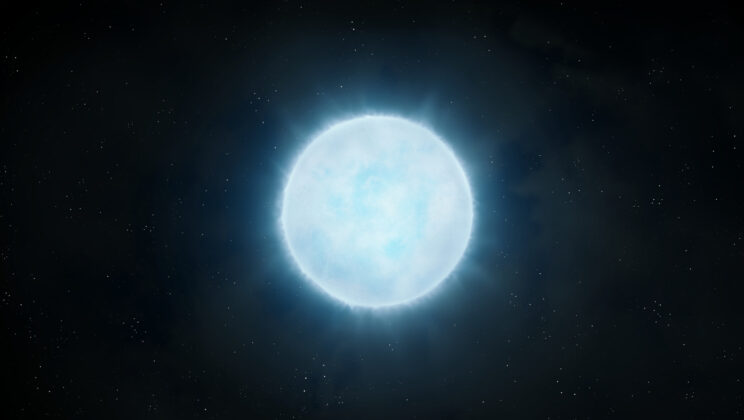
White Dwarfs: The Cold, Crystal Remains of Stars Like Our Sun
In the deep silence of space, long after a star has exhausted its brilliance, a small, dense ember remains. It…
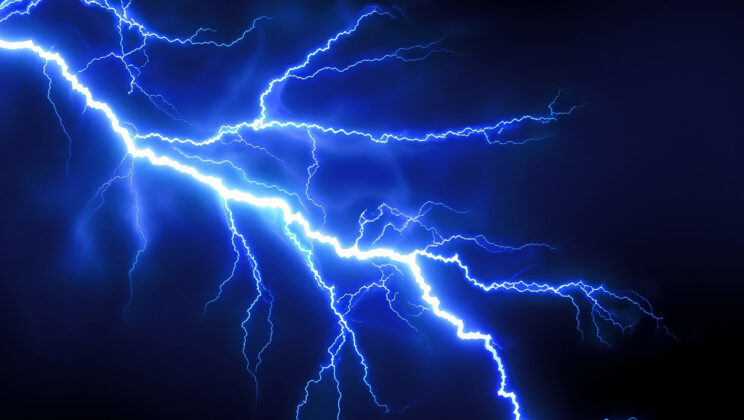
Lightning Physics: Why We Still Can’t Predict Exactly Where It Will Strike
Lightning is one of nature’s most dramatic contradictions. It is brief yet powerful, familiar yet deeply mysterious. For thousands of…
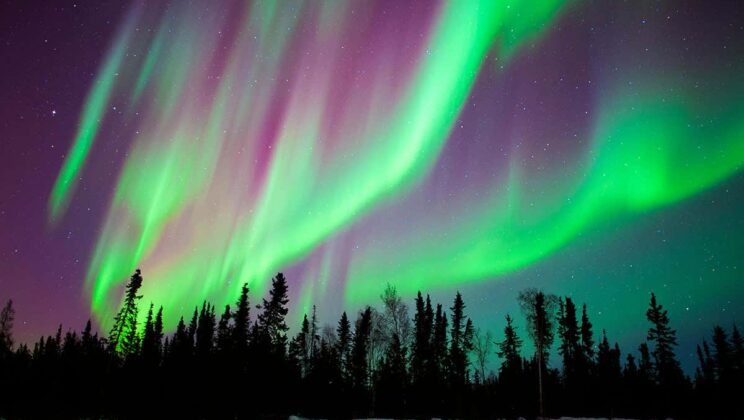
The Aurora Borealis: How Solar Winds Paint the Night Sky
On a cold, silent night near the top of the world, the sky can suddenly come alive. Curtains of green…
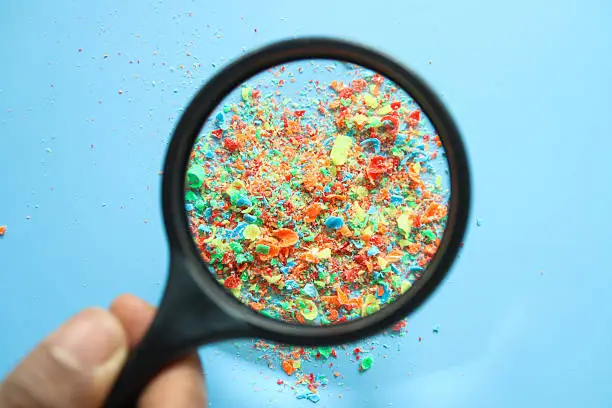
Microplastics: The Invisible Pollution in Our Food, Water, and Blood
Microplastics are among the most unsettling discoveries of modern environmental science, not because they are spectacular or immediately visible, but…
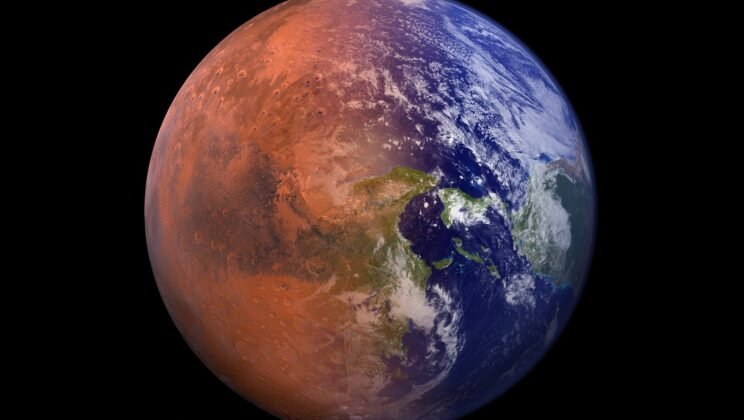
Earth in 1,000 Years: What Will the Planet Look Like After Humans?
Imagine standing on a quiet hill a thousand years from now. The wind moves through forests that once were cities.…
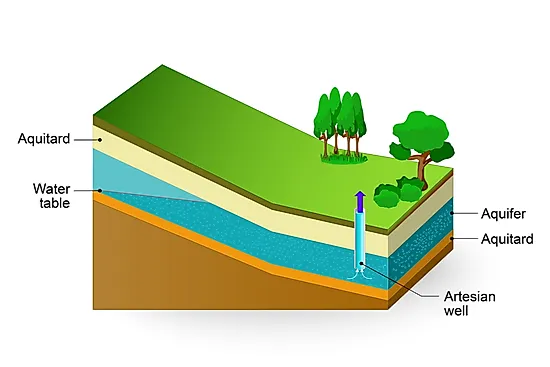
Aquifers: The “Invisible” Water Supply We Are Using Up Too Fast
Beneath our feet, far below roads, fields, forests, and cities, lies one of the most important life-support systems on Earth.…
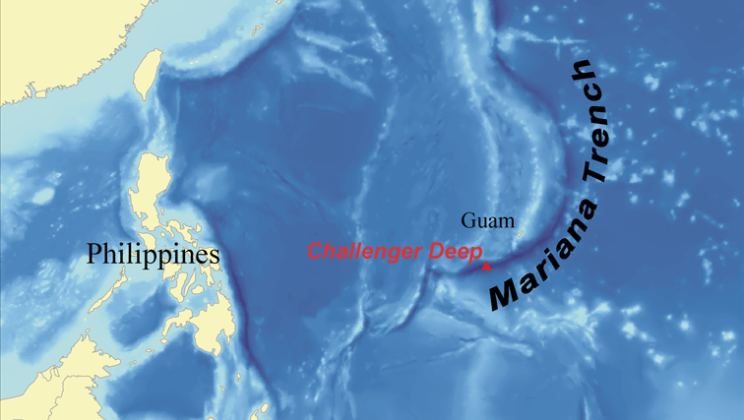
The Mariana Trench: What We Found at the Deepest Point on Earth
The Mariana Trench is the deepest known place on Earth, a vast, shadowed wound carved into the western Pacific Ocean…
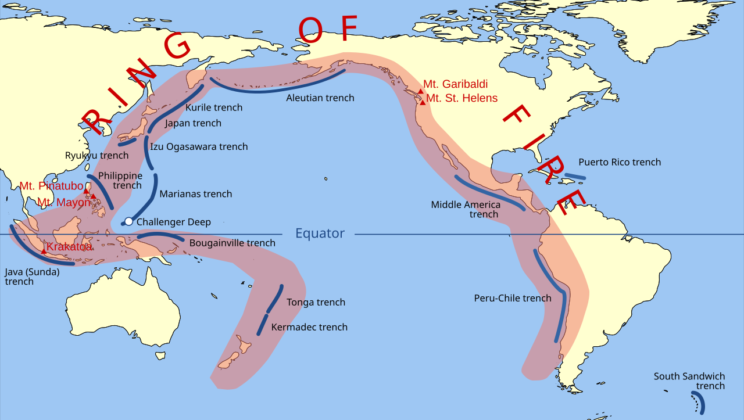
The Ring of Fire: Why the Pacific Rim Is the Most Violent Place on Earth
The Pacific Ring of Fire is not a single place that can be visited, photographed, or neatly outlined on a…
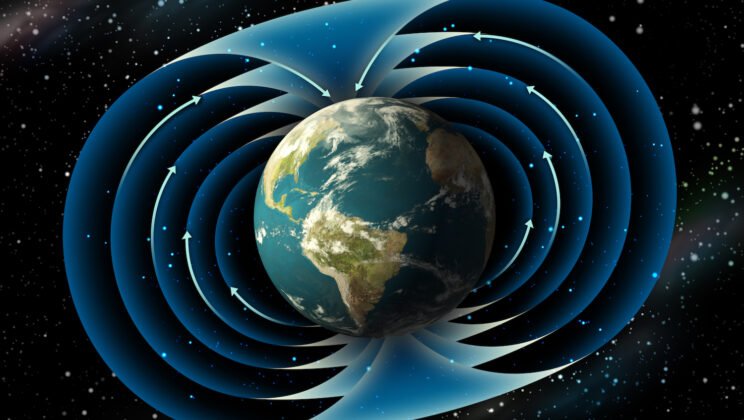
The Magnetic Pole Flip: Is Earth’s Shield About to Reverse?
Earth is not only a rocky planet spinning through space; it is also a living magnetic world. Invisible yet powerful,…
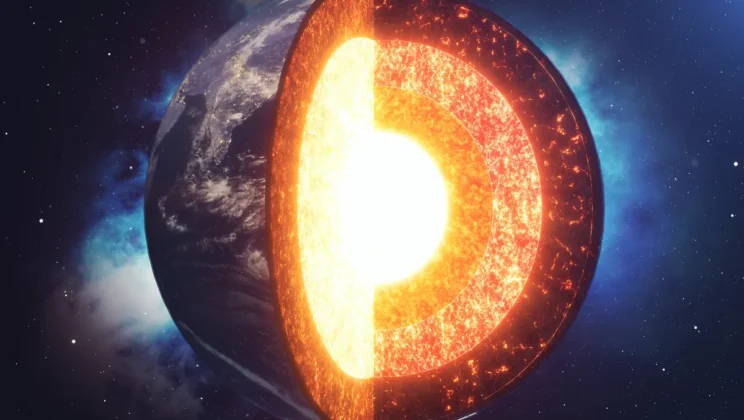
The Iron Heart: What Would Happen if Earth’s Core Cooled Down?
Deep beneath our feet, far beyond the deepest mines and the hottest volcanic chambers, lies a realm no human has…
Aerogel: The World’s Lightest Solid and Why It’s Incredible
Aerogel is often described with words that sound almost unreal: frozen smoke, solid cloud, material from science fiction. Yet aerogel…

3D Bioprinting: Can We Print a Functioning Human Heart?
For as long as humans have understood the fragility of the heart, they have dreamed of repairing it. Across cultures…

eVTOLs: The Engineering Reality of “Flying Taxis”
The idea of rising vertically from a city street and gliding above traffic has haunted human imagination for more than…
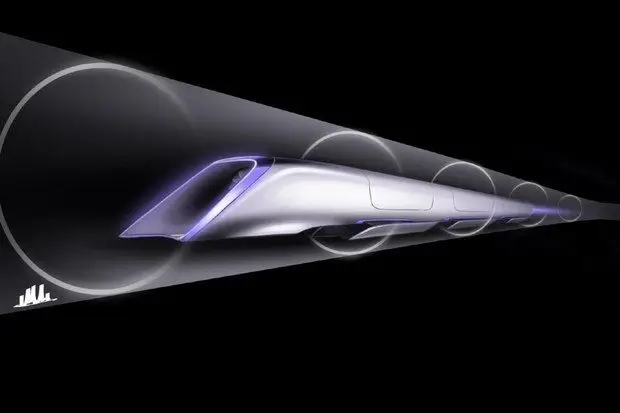
Hyperloop: The Physics of Vacuums and High-Speed Travel
The idea of traveling faster than an airplane while remaining safely on the ground has long belonged to the realm…
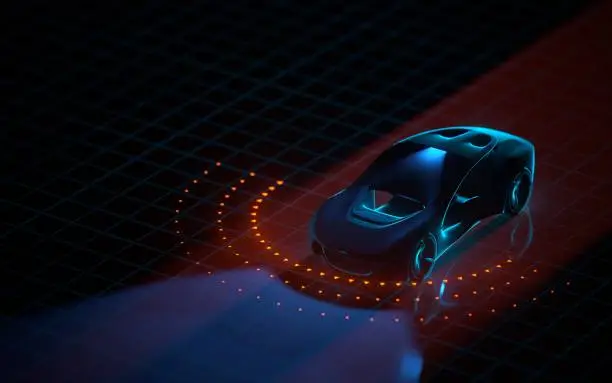
LiDAR: The Laser “Eyes” of Self-Driving Cars
LiDAR, short for Light Detection and Ranging, has become one of the most evocative technologies of the autonomous age. Often…
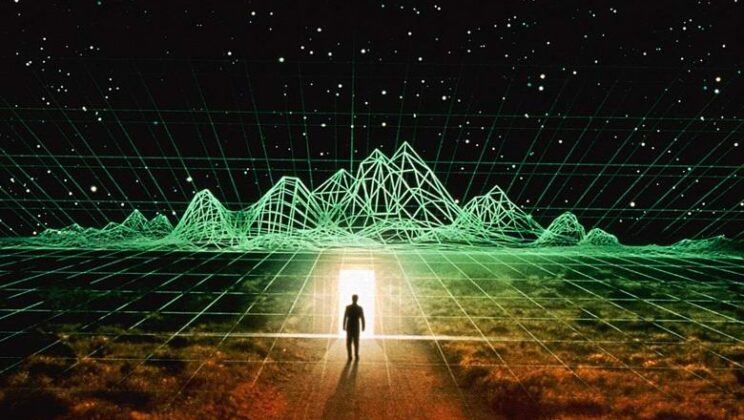
Simulated Reality: Could We Be Living in a Computer Program?
Few ideas in modern science and philosophy feel as unsettling—and strangely captivating—as the suggestion that reality itself might be a…

Augmented Reality: Moving Beyond the Screen into the Real World
Augmented Reality, often shortened to AR, represents one of the most profound shifts in how humans interact with information since…

Haptics: How Technology Makes You “Feel” Digital Objects
To touch is to know. Long before humans learned to write or calculate, we reached out with our hands to…
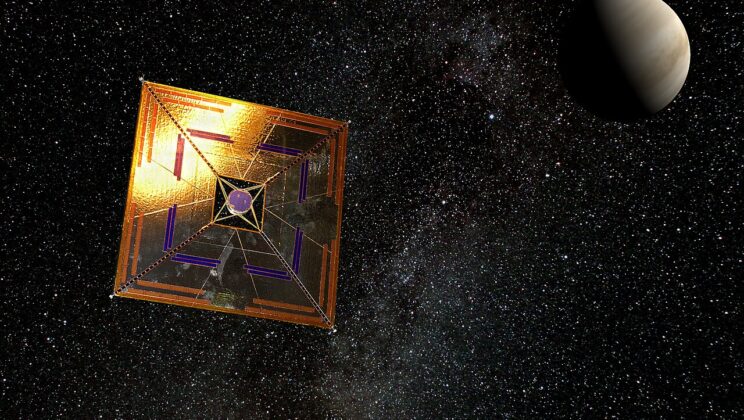
Solar Sails: Riding Sunbeams to the Stars
There is something quietly radical about the idea of a spacecraft that moves without fire. No roaring engines, no violent…
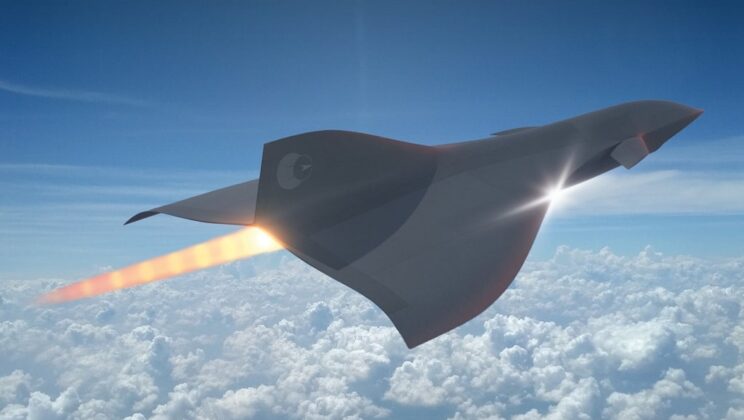
Hypersonic Flight: Crossing the Atlantic in Under an Hour
For as long as humans have looked at the sky, speed has symbolized freedom. From the first tentative hops of…