Articles by Science News Today
The Hidden Reason Your Heart Never Gets Tired

What Your Body Does in the First Few Minutes After You Fall Asleep
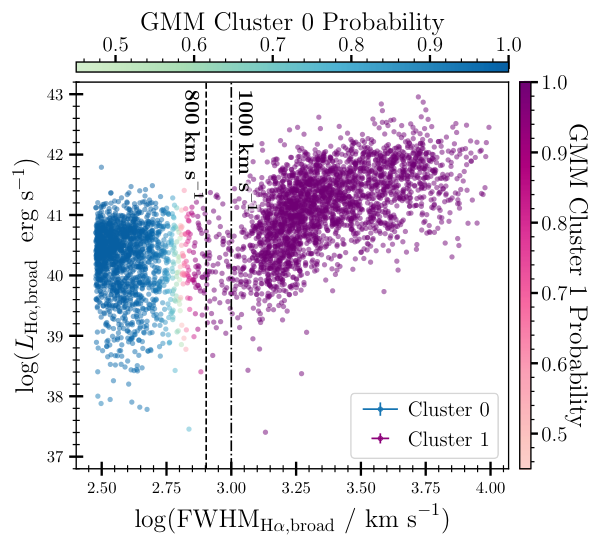
Black holes keep pace with their galaxies even when the galaxies have no bulge
This 105-million-year-old bird bone reveals an unusual leg built with two distinctive crests
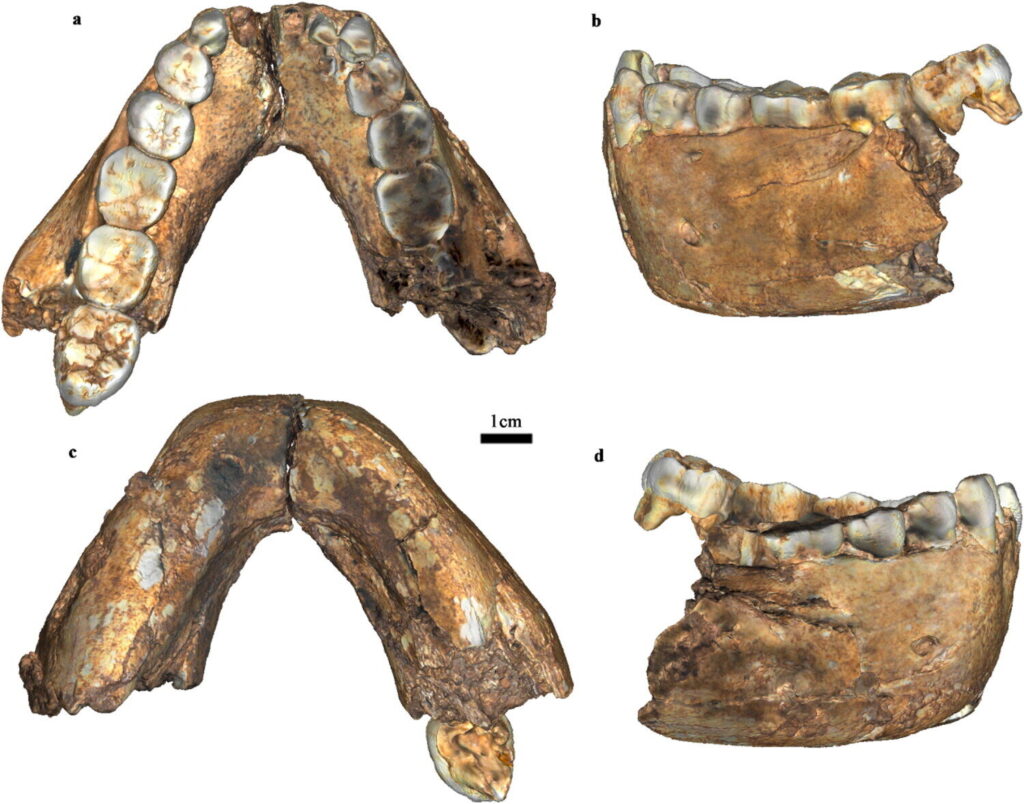
New fossil jaws reveal unexpected variation in a 2-million-year-old human relative

500 chemicals with breast cancer relevance are found in consumer products, food and water

Earth appears to have grown mostly from pebble-built bodies, while Mars got most of its mass from planetesimals
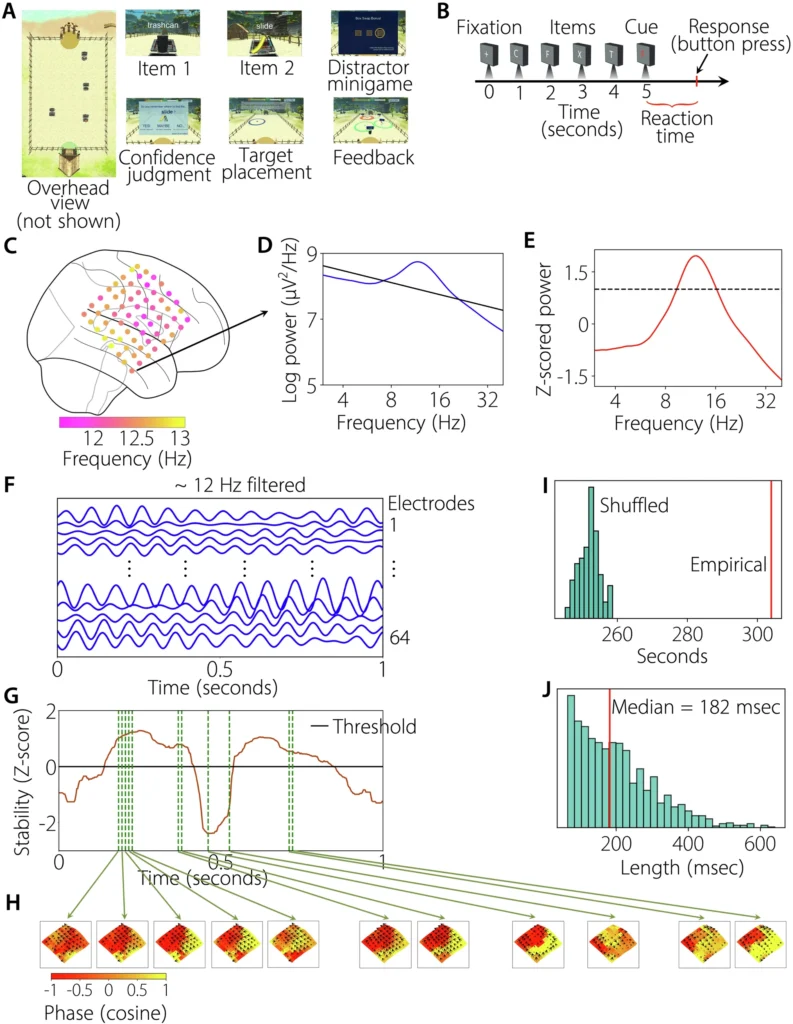
The brain’s memory waves can spiral, ripple outward or converge inward
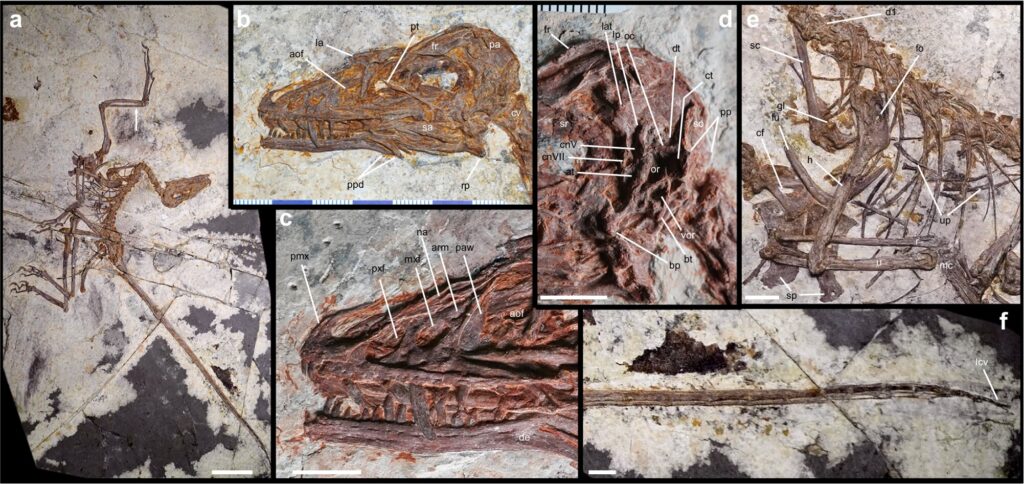
The bones of a 57-centimeter dinosaur preserve a different path to flight
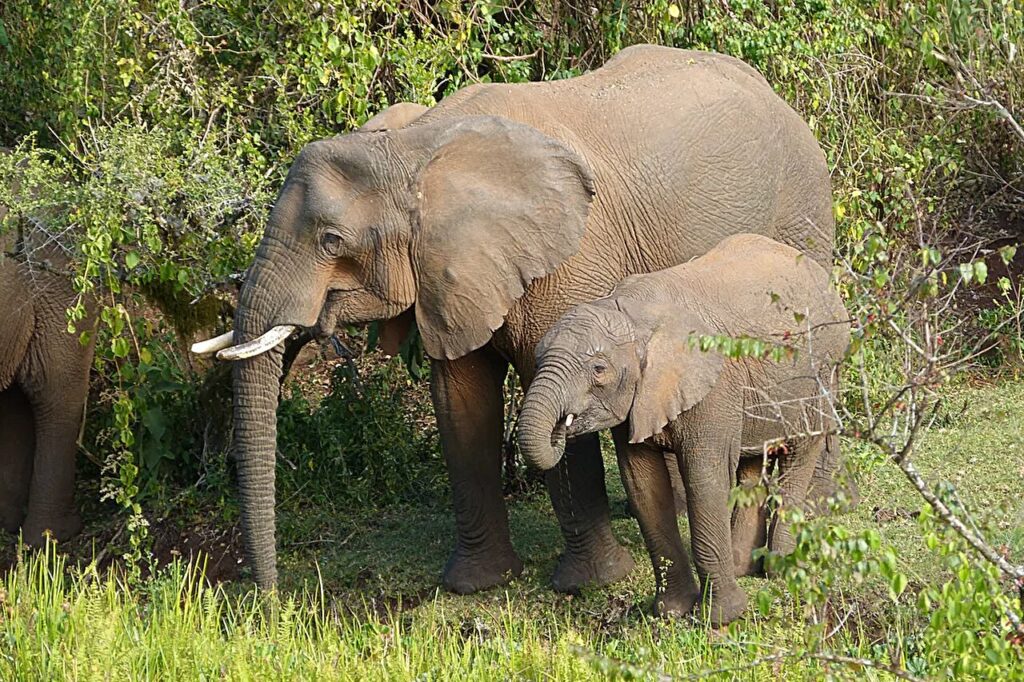
Sick elephants on Mount Elgon reportedly target specific plants, while mothers mix some with milk for their calves
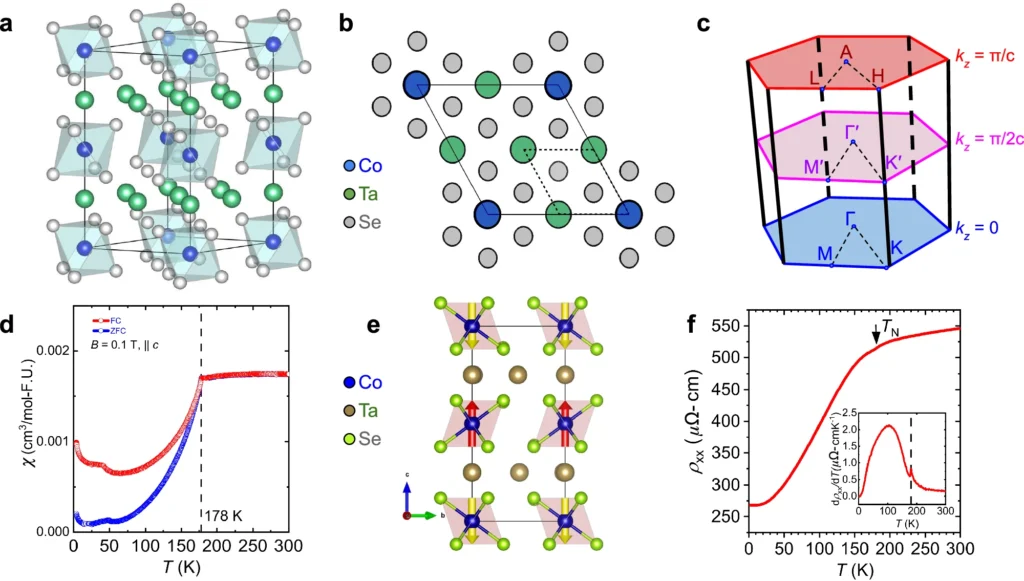
Spin-split bands in Co₁/₄TaSe₂ separate along one momentum direction, merge along another and reverse their spin character across a single pocket
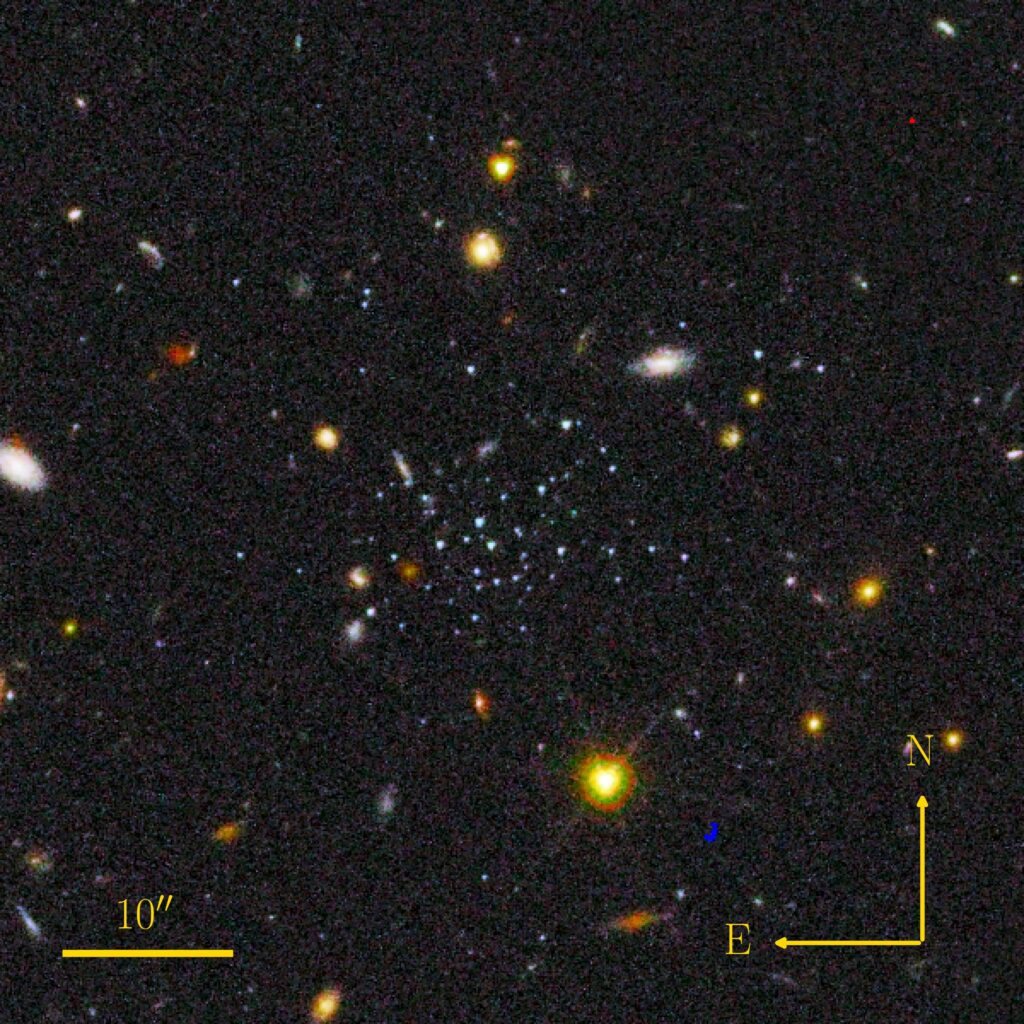
Fornax-7 contains only about 170 Suns’ worth of stars, yet its distance leaves its true identity uncertain
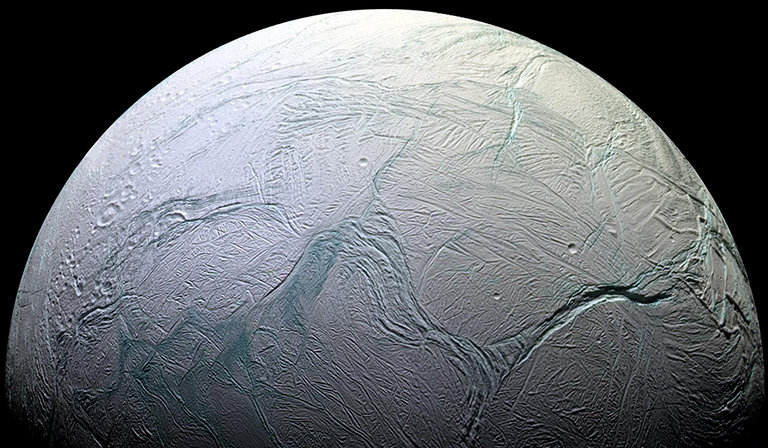
Enceladus’ strange salt-rich ice grains may be fragments of larger frozen droplets
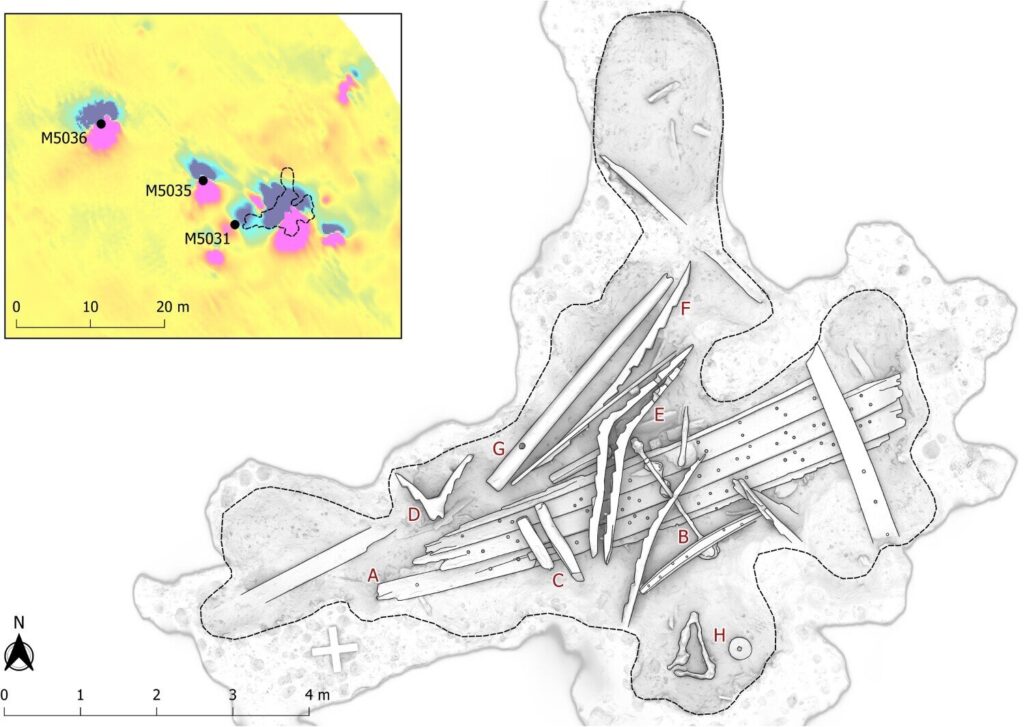
Magnetic anomalies led divers to a 17th-century shipwreck hidden beneath the Baltic seabed
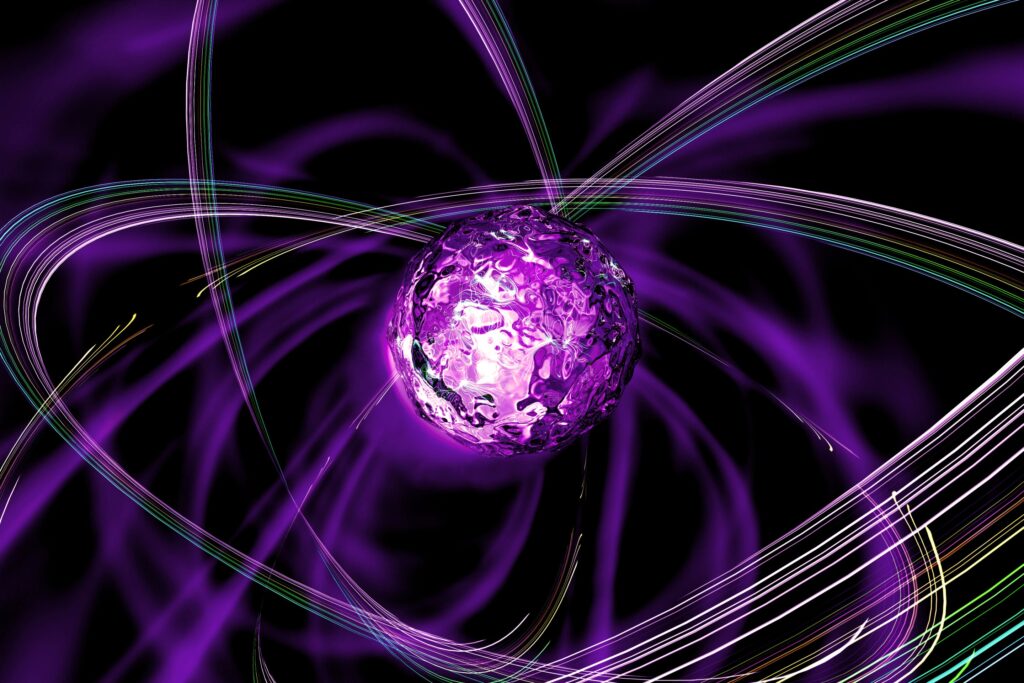
Charge pairs first formed at the edges of a quantum string, then spread inward as its tension increased
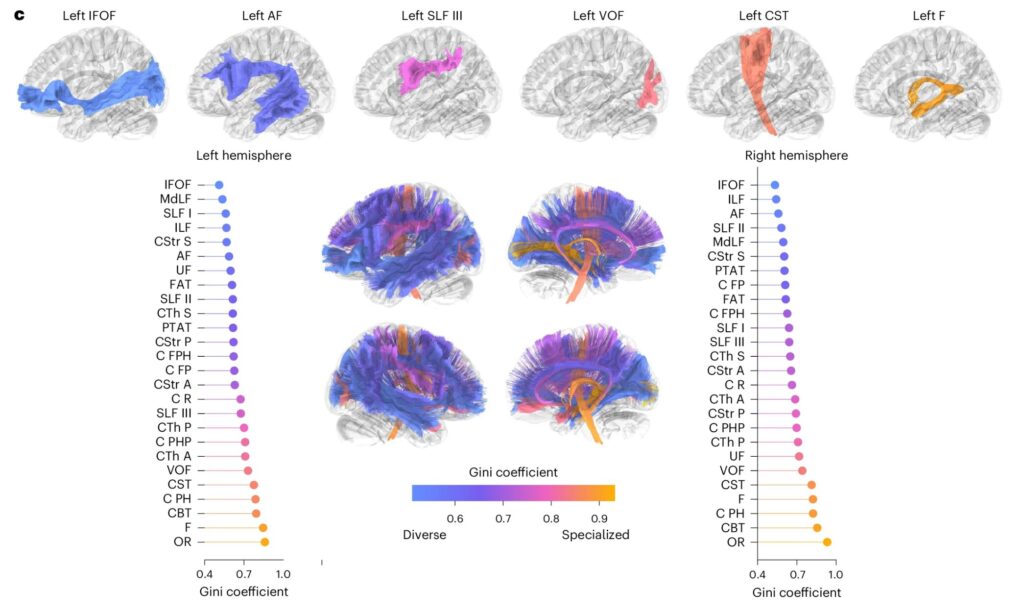
White matter tracts that span the cortical hierarchy are linked to more diverse cognitive functions
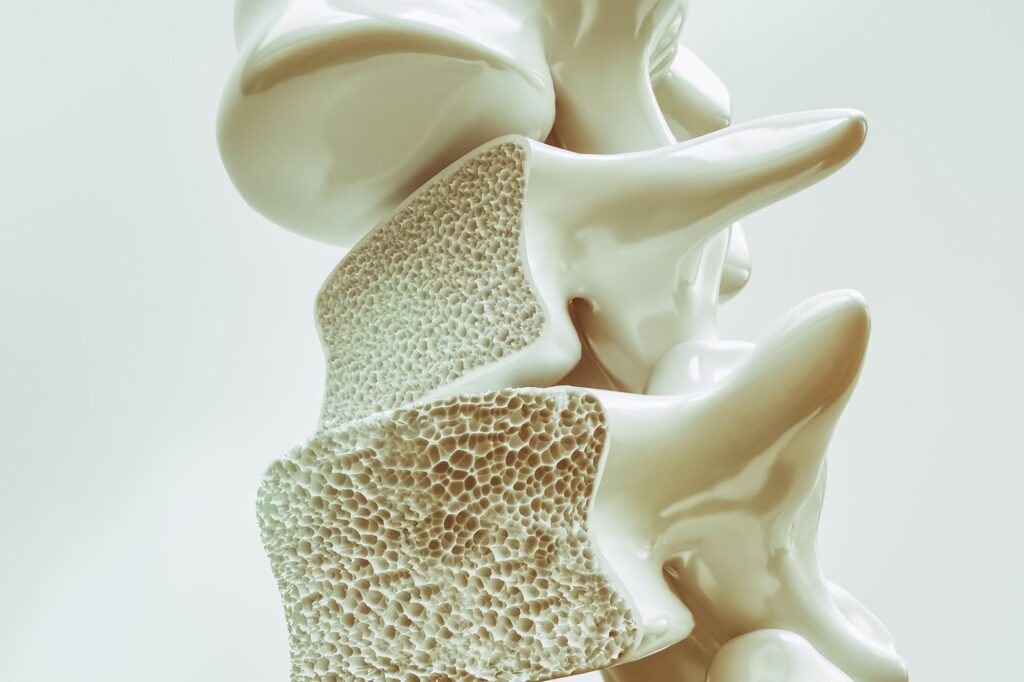
The brain’s wiring aged faster in older adults with lower spinal bone density

Kidney disease often arrives before heart failure after a type 2 diabetes diagnosis
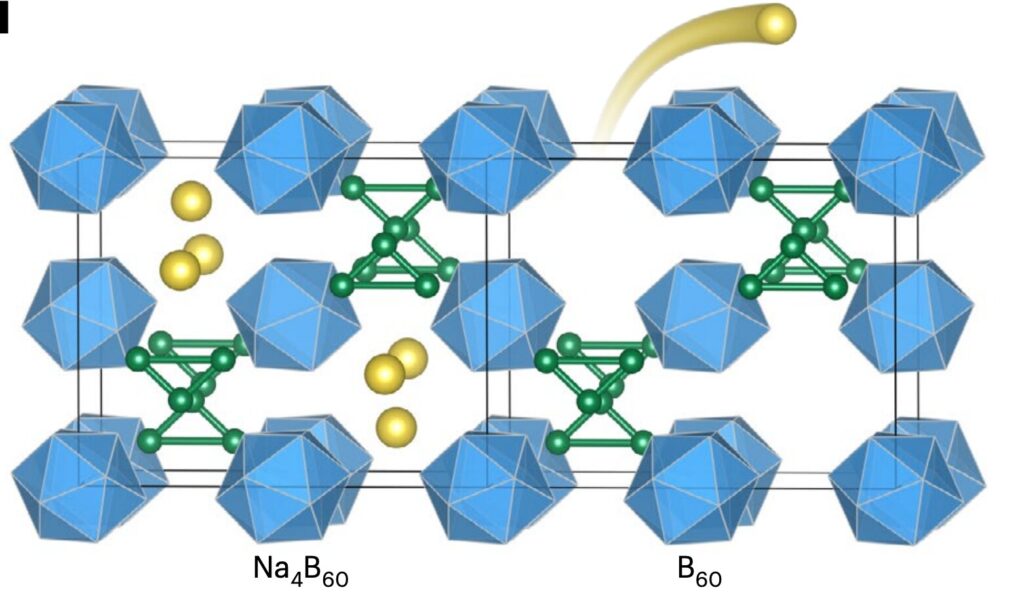
Imma-B60 bends to about 32% strain without fracturing while conducting electricity far better than conventional boron
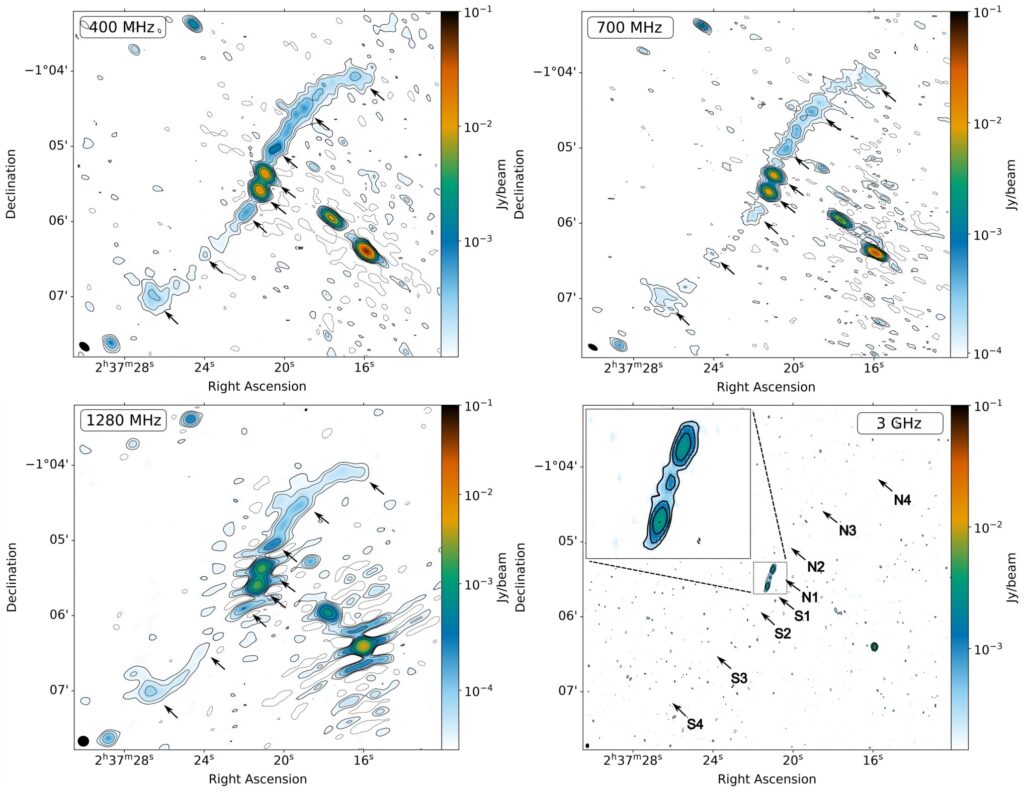
Four generations of radio jets stretch nearly 1.2 million light-years from a galaxy’s core, preserving a record of repeated outbursts
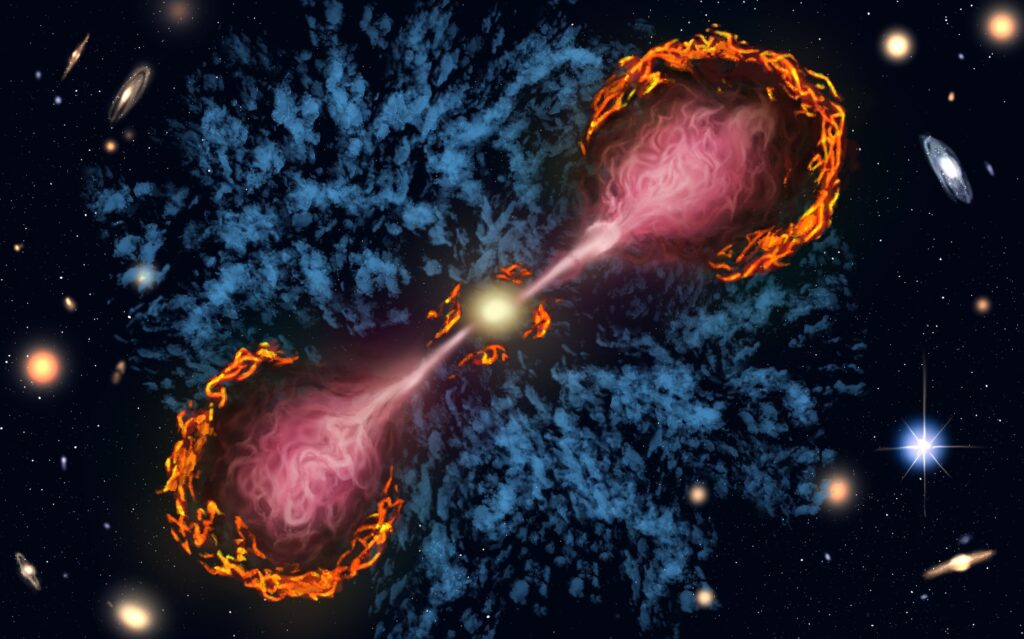
Hα emission from cool halo gas is nearly 100 times brighter along radio-jet directions
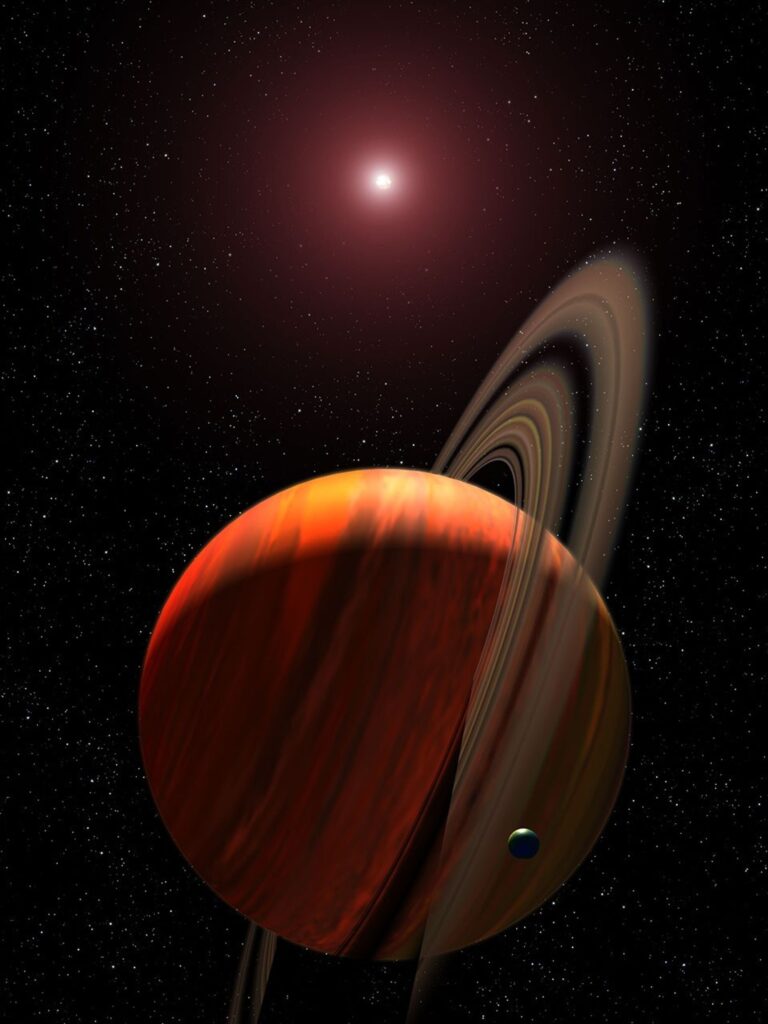
HATS-6 b is nearly 200 kelvins colder than its orbit suggests it should be
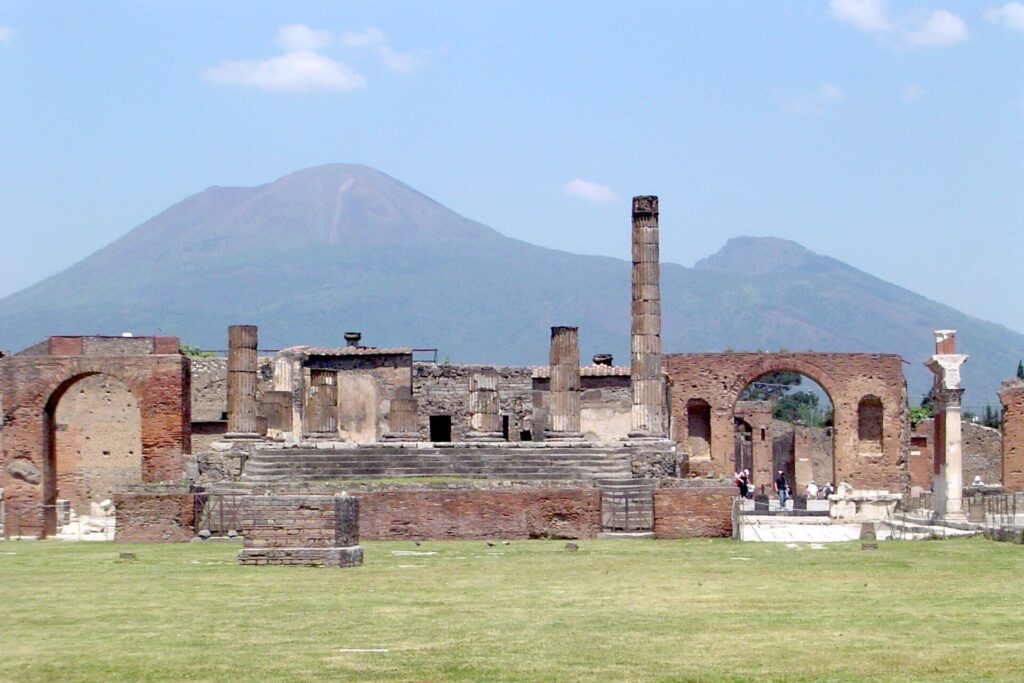
When Vesuvius erupted, its crystals started a radioactive clock that still works 2,000 years later
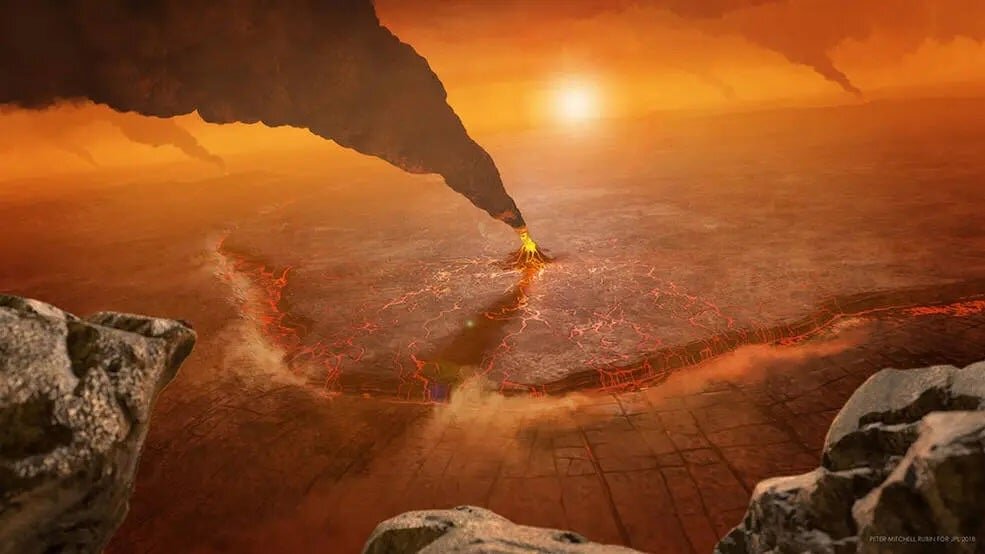
Venus may have lost a moon when its expanding synchronous orbit caught up with it
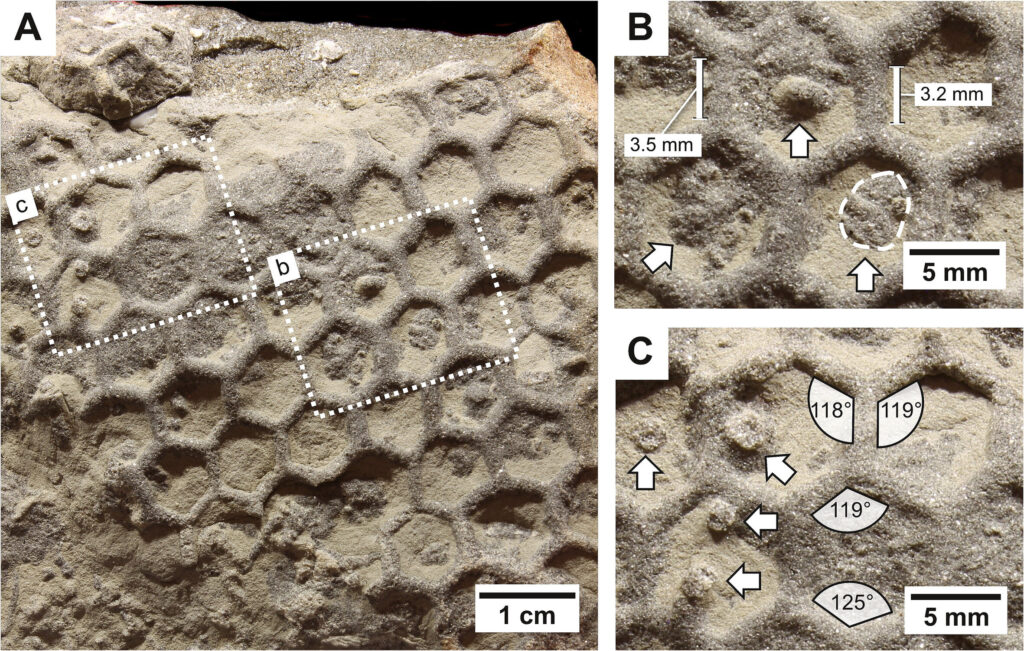
Tiny crustaceans may have built the mysterious hexagonal tunnels found in seafloor fossils
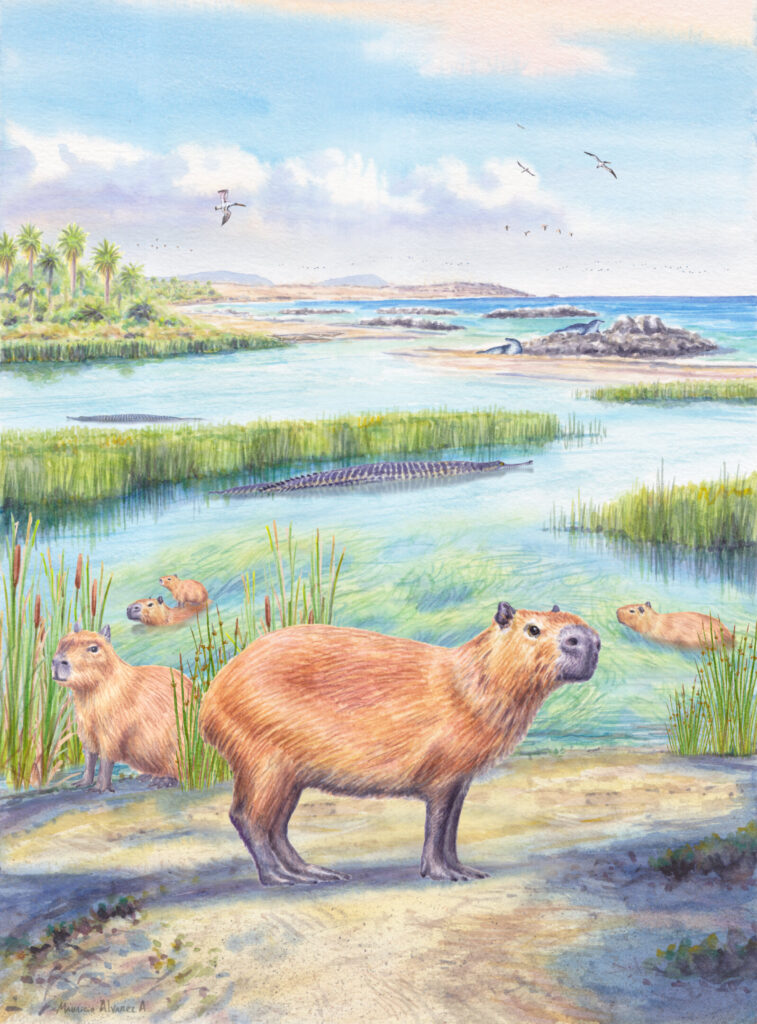
Capybaras once lived in a wet, palm-filled landscape where the Atacama Desert now stands
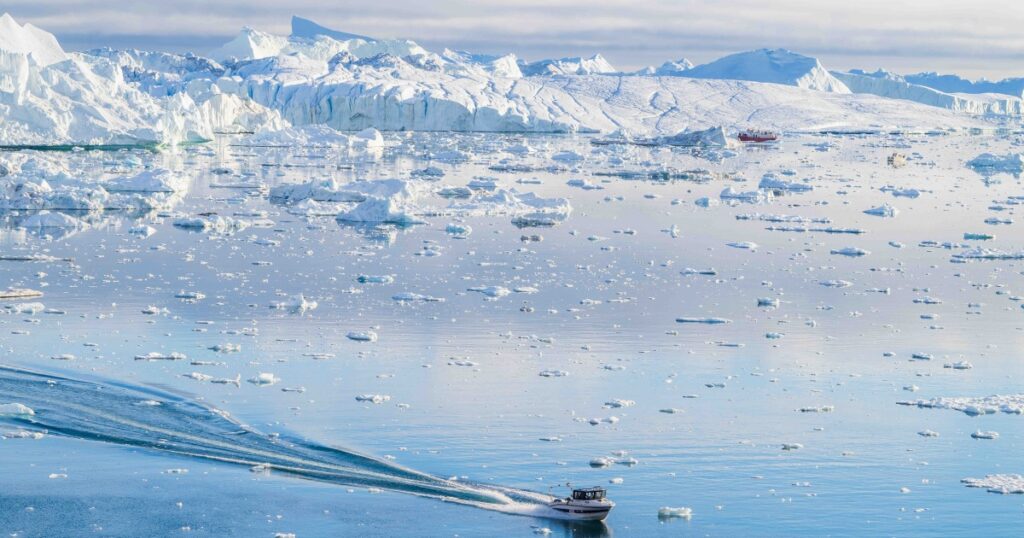
Greenland and Antarctica lost 11,309 billion tonnes of ice from 1979 to 2023
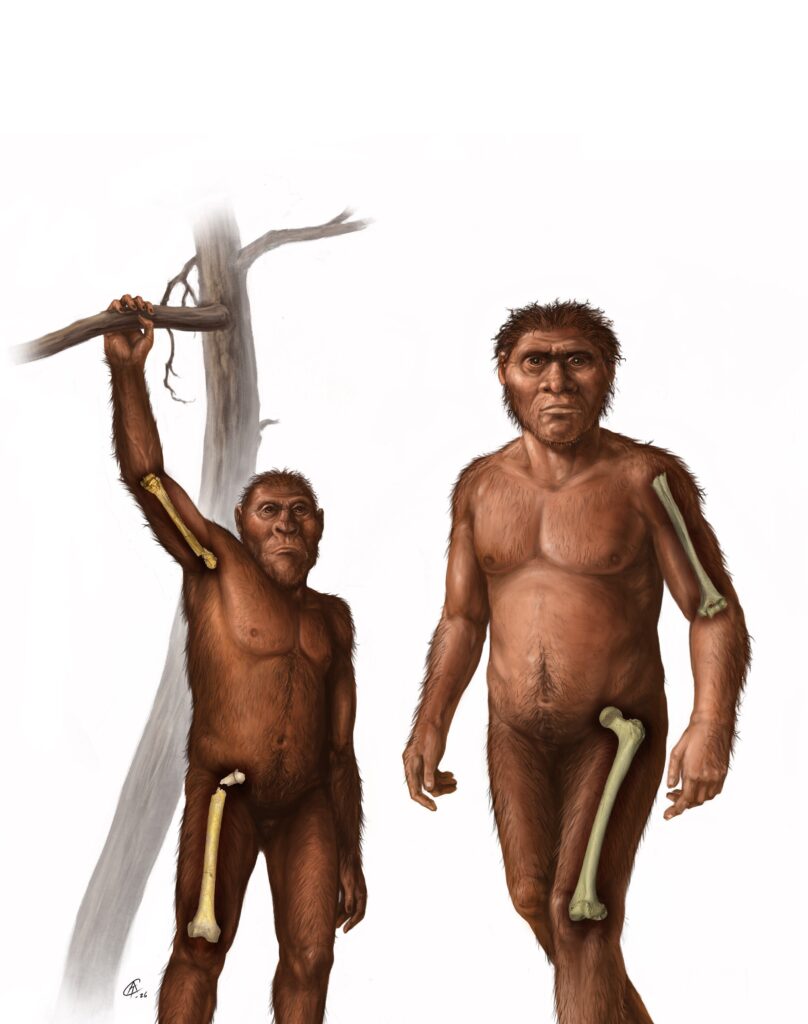
Little Foot’s 3.67-million-year-old bones preserve a split locomotor signature: ape-like arms, human-like leg loading, and a life spent between trees and the ground