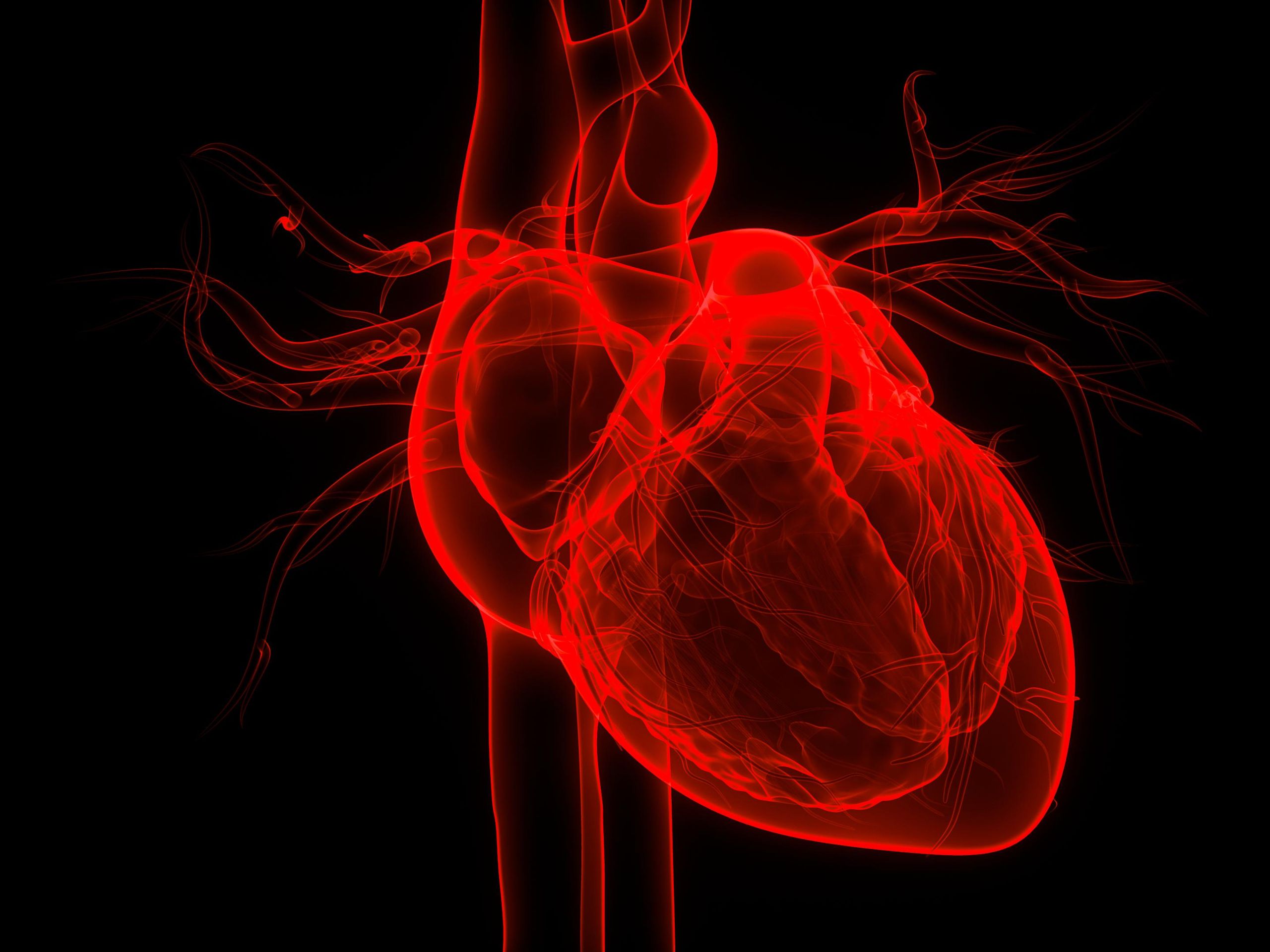
Your heart beats roughly 100,000 times a day, every day, for decades. It does this while you sleep, while you sit still, while you exercise, and during moments of intense emotion. Unlike the muscles you consciously use to lift a weight or climb a flight of stairs, your heart does not simply take a long break when the work becomes repetitive.
So why doesn’t it get exhausted?
The answer is not that the heart never experiences fatigue. Heart muscle can become strained, damaged, or weakened by disease. The remarkable fact is that a healthy heart is built and regulated in a way that allows it to perform continuous work for an entire lifetime. Its cells have an unusually high capacity for aerobic energy production, its blood supply delivers oxygen directly to the muscle, and its rhythmic contractions are separated by brief relaxation periods that are essential for recovery and filling.
The heart’s endurance is therefore the result of several systems working together rather than one mysterious property.
Your heart is a muscle, but it is a very specialized one
The heart is a muscular organ whose main job is to move blood through two connected circulatory systems.
The right side of the heart sends oxygen-poor blood to the lungs, where it releases carbon dioxide and picks up oxygen. The left side then pumps oxygen-rich blood through the body’s tissues.
The muscle responsible for this pumping is called the myocardium. It is composed primarily of specialized cells called cardiomyocytes.
Cardiomyocytes are different from the skeletal muscle cells that move your arms and legs. Skeletal muscles are generally under conscious control and can produce powerful bursts of activity, but they can also fatigue. Cardiac muscle is designed for repeated, coordinated contractions that continue automatically.
The heart’s muscle also has an unusual ability to generate and conduct electrical signals. Those electrical signals coordinate the timing of contraction so that the chambers of the heart squeeze in an organized sequence rather than all at once.
The result is an organ that behaves less like an ordinary pump that is simply switched on and off and more like a precisely timed biological engine.
The heart actually rests between beats
One of the biggest misconceptions about the heart is that it works continuously without any rest.
It does not.
Each heartbeat has a contraction phase called systole and a relaxation phase called diastole. During systole, the heart muscle contracts and ejects blood. During diastole, the muscle relaxes, allowing the chambers to fill again.
At a resting heart rate of around 60 to 100 beats per minute in a typical adult, each cardiac cycle lasts roughly a second, although the exact timing varies.
That means every beat contains a period when the heart is not actively contracting.
This relaxation period is crucial. During diastole, the heart chambers refill with blood, and the cardiac muscle can replenish energy stores and restore its normal cellular state.
As the heart rate rises during exercise, the cycle becomes shorter, but the duration of diastole generally shortens more substantially than systole. This is one reason why a very fast heart rate can eventually become stressful: there is less time for the heart to fill and for the muscle to receive some of its blood supply.
So the heart does not escape fatigue by eliminating rest. It incorporates rest into every beat.
The heart has an enormous energy demand
Contracting heart muscle requires energy.
Like other cells, cardiomyocytes obtain usable cellular energy primarily in the form of ATP, or adenosine triphosphate. ATP powers processes involved in contraction, relaxation, ion movement, and maintenance of the cell.
The heart is particularly dependent on aerobic metabolism. Its muscle contains large numbers of mitochondria, the structures that generate much of a cell’s ATP using oxygen and nutrients.
A substantial portion of the volume of a cardiomyocyte is devoted to mitochondria. This reflects the heart’s extraordinary need for a continuous supply of energy.
The heart cannot simply switch to low-energy operation for long periods because it must keep pumping blood to every other organ, including the brain and the heart itself.
Its metabolism is therefore optimized for steady, sustained energy production rather than occasional bursts.
Oxygen is delivered directly to the heart muscle
The heart’s own cells need oxygen just as the rest of the body does.
The heart receives oxygen-rich blood through the coronary arteries, which branch across the surface of the heart and extend into its muscle.
This is an important feature because the blood inside the heart’s chambers cannot adequately supply the thick muscular walls directly. Instead, the myocardium has its own dedicated circulation.
When the heart contracts, pressure within the muscle can temporarily compress small blood vessels. For much of the left ventricular myocardium, coronary blood flow is therefore especially important during relaxation, when the muscle is no longer squeezing those vessels as strongly.
This creates a tightly coordinated relationship between the heart’s mechanical activity and its blood supply.
The harder the heart works, the more oxygen it needs. During exercise, coronary blood flow can increase substantially to meet that demand.
Why mitochondria are so important to the heart
Mitochondria are often described as the cell’s powerhouses, although the analogy is imperfect.
Inside cardiac muscle cells, mitochondria use oxygen to extract energy from nutrients through aerobic metabolic pathways. The resulting ATP supports the molecular machinery that makes contraction possible.
One key fuel source is fatty acids, although the heart is metabolically flexible and can also use glucose, lactate, ketone bodies, and other substrates depending on physiological conditions.
This flexibility is useful because the availability of different fuels changes with exercise, fasting, hormones, diet, and illness.
A healthy heart is remarkably efficient at converting chemical energy into mechanical work. But that efficiency depends on a continuous supply of oxygen and nutrients.
If blood flow through a coronary artery becomes severely restricted, the affected heart muscle can become starved of oxygen. This is what happens during a heart attack, when prolonged interruption of blood flow can damage or kill cardiac muscle cells.
The fact that the heart can work for decades does not mean its cells are immune to injury. Their extraordinary endurance depends on maintaining the systems that support them.
Cardiac muscle is built for endurance
The microscopic structure of cardiac muscle helps explain its stamina.
Cardiomyocytes are connected to neighboring cells through specialized structures called intercalated discs. These connections contain mechanisms that allow electrical signals to spread efficiently from cell to cell and help the cells remain mechanically connected as they contract.
This electrical coupling allows large regions of cardiac muscle to behave as coordinated functional units.
The heart also contains highly organized contractile proteins. Inside cardiac muscle cells, proteins such as actin and myosin interact to generate force. Calcium ions act as critical signals controlling this interaction.
When an electrical impulse reaches a cardiomyocyte, it triggers changes in calcium concentration inside the cell. Calcium allows the contractile machinery to become active. When calcium is subsequently removed from the relevant parts of the cell, the muscle relaxes.
This cycle repeats with extraordinary regularity.
The heart has its own built-in rhythm
Your heart does not need your brain to tell it when to beat.
Specialized cardiac cells can generate electrical impulses automatically. The primary natural pacemaker is the sinoatrial node, located in the right atrium.
Cells in the sinoatrial node spontaneously change their electrical state, producing rhythmic impulses that initiate normal heartbeats.
The signal spreads through the atria and then reaches another specialized structure called the atrioventricular node. From there, electrical conduction proceeds through pathways that coordinate activation of the ventricles.
This arrangement creates a carefully timed sequence: the atria contract first, helping fill the ventricles, and the ventricles then contract to pump blood out to the lungs and the rest of the body.
The nervous system can change the rate and strength of the heartbeat, but under normal conditions it does not have to initiate every individual beat.
That autonomy is one reason the heart can continue beating while you are asleep or unconscious.
Your nervous system constantly adjusts the heart
Although the heart can generate its own rhythm, it does not operate independently of the rest of the body.
The autonomic nervous system continuously adjusts cardiac activity according to the body’s needs.
The sympathetic nervous system generally increases heart rate and contractile strength during situations requiring greater cardiovascular output, such as exercise or acute stress. The parasympathetic nervous system, particularly through the vagus nerve, generally slows the heart during rest.
Hormones such as adrenaline can also increase cardiac activity.
This regulation allows the heart to match its output to changing circumstances. When you exercise, your muscles demand more oxygen and nutrients and produce more metabolic waste. The cardiovascular system responds by increasing blood flow, with the heart beating faster and often more forcefully.
When you rest, the demand falls, and the heart can slow down.
The heart’s endurance therefore depends partly on its ability to avoid doing unnecessary work.
The heart does not pump the same amount of blood every minute
The amount of blood the heart pumps per minute is called cardiac output.
Cardiac output depends primarily on two factors: heart rate and stroke volume. Stroke volume is the amount of blood ejected by a ventricle with each contraction.
At rest, the heart can meet the body’s needs without working at maximum capacity. During physical activity, cardiac output can increase dramatically.
One reason is that exercise increases venous return, bringing more blood back to the heart. Within physiological limits, the heart responds to increased filling by contracting more strongly. This relationship is known as the Frank-Starling mechanism.
In simple terms, the heart can adjust the strength of its contraction according to how much it fills.
This is another part of the system that helps the heart remain efficient as the body’s demands change.
Why your heart doesn’t run out of energy
A muscle can become fatigued when energy demand exceeds the ability to supply and replenish energy, or when metabolic and cellular changes interfere with contraction.
A healthy heart is unusually well equipped to avoid this mismatch.
Its mitochondria continuously generate ATP. Its coronary circulation supplies oxygen and nutrients. Its metabolism can switch among several fuels. Its contractions are precisely regulated. And every beat contains a relaxation phase.
The heart also has substantial metabolic reserves and a high capacity for aerobic energy production.
This does not mean cardiac muscle has unlimited energy. If oxygen delivery is severely interrupted, as during a major coronary blockage, ATP production falls and cellular injury can occur quickly.
The heart’s endurance is therefore better described as extraordinary efficiency under normal conditions, not immunity to fatigue.
Why the heart keeps beating while you sleep
Sleep dramatically changes many aspects of physiology, but the heart continues its basic job.
During normal sleep, heart rate often decreases compared with waking levels, although it varies across sleep stages. Blood pressure and other cardiovascular measurements also change.
The reduced metabolic demands of the resting body generally mean the heart does not need to pump as hard as it does during exercise.
But it still has to maintain enough circulation to supply vital organs continuously.
The heart’s automatic electrical system makes this possible without conscious effort. You do not have to remember to breathe or tell your heart to beat, either. These functions are regulated by involuntary physiological systems.
Why your heart rate increases during exercise
When you run, climb stairs, or perform strenuous physical activity, your muscles require more oxygen and nutrients.
Your heart responds by increasing cardiac output.
Heart rate rises, contractions generally become stronger, and blood flow is redistributed to meet the demands of active tissues. Blood vessels supplying working muscles can dilate, while other vascular beds may receive relatively less blood depending on the circumstances.
The increase in cardiac work requires more oxygen. The coronary circulation responds by increasing blood flow to the heart muscle.
A trained heart can often perform this increased workload efficiently. Regular aerobic exercise can produce adaptations such as a lower resting heart rate and greater stroke volume in many healthy people.
These adaptations mean that a trained heart may pump a given amount of blood with fewer beats than an untrained heart under comparable conditions.
Does the heart ever get tired?
Yes.
The idea that the heart can never get tired is a useful popular description of its endurance, but it is not literally true.
Heart muscle can become fatigued or dysfunctional when it is subjected to abnormal conditions. Severe oxygen deprivation, persistent high blood pressure, abnormal heart rhythms, certain infections, toxic exposures, inherited disorders, and many other conditions can interfere with normal cardiac function.
The heart can also undergo structural changes when it is chronically exposed to excessive workload.
For example, long-standing high blood pressure forces the left ventricle to pump against greater resistance. Over time, the ventricular muscle can become abnormally thickened. Initially, this may help it generate the required pressure, but persistent changes can eventually impair relaxation, filling, or other aspects of cardiac function.
In heart failure, the heart cannot adequately meet the body’s needs or can do so only under increased filling pressures. Heart failure is not simply a heart that has “worked too much,” but a complex clinical syndrome with many possible causes and mechanisms.
Why the heart can be damaged even though it beats millions of times
Every contraction creates mechanical and metabolic stress.
Over a lifetime, a person’s heart can beat billions of times. The body maintains and repairs cardiac tissue throughout life, but repair capacity is not unlimited.
Cardiomyocytes have relatively limited ability to divide compared with many other cell types. The adult heart can undergo some regeneration and cellular turnover, but after major injury, such as a heart attack, substantial lost muscle is often replaced largely by scar tissue rather than fully regenerated contractile muscle.
That scar can preserve structural integrity but does not function like healthy heart muscle.
This is one reason preventing or limiting damage to the heart is so important. The heart’s extraordinary durability should not be confused with an unlimited ability to repair itself.
Why heart disease can interfere with the heart’s endurance
Many cardiovascular diseases interfere with one or more of the systems that normally keep the heart working efficiently.
Coronary artery disease can restrict the blood supply to cardiac muscle. High blood pressure can increase the workload against which the heart must pump. Diseases of the heart valves can force the chambers to handle abnormal pressure or volume loads. Cardiomyopathies can alter the structure or function of heart muscle itself.
Abnormal electrical activity can produce arrhythmias, causing the heart to beat too quickly, too slowly, or irregularly.
Some conditions affect several systems at once.
For example, if the heart’s pumping ability declines, the body may activate hormonal and nervous-system responses intended to preserve circulation. These responses can initially be helpful, but persistent activation can place additional stress on the heart and contribute to disease progression.
The heart’s remarkable endurance is therefore dependent on the health of the entire cardiovascular system.
The heart’s electrical system is as important as its muscle
A strong muscle cannot pump effectively if its contractions are badly timed.
The heart’s electrical conduction system solves this problem.
The sinoatrial node initiates the normal rhythm. The signal spreads through the atria and reaches the atrioventricular node, where conduction is briefly delayed. The electrical impulse then travels through the specialized conduction system of the ventricles, including the bundle of His, bundle branches, and Purkinje fibers.
This arrangement ensures that the ventricles contract in a coordinated manner.
The electrical system also explains why certain rhythm disorders can be dangerous. If electrical signals become disorganized, the heart’s mechanical pumping can become inefficient or stop being effective.
Conditions such as atrial fibrillation and ventricular fibrillation demonstrate the difference between simply having electrical activity and having useful, coordinated cardiac contractions.
Why the heart is so dependent on oxygen
Unlike some tissues, cardiac muscle has little tolerance for prolonged interruption of oxygen delivery.
The heart normally extracts a relatively large fraction of the oxygen available in coronary blood even at rest. When its workload increases, it therefore relies heavily on increasing coronary blood flow to deliver additional oxygen.
This is different from some other organs and tissues that can increase oxygen extraction to a greater degree when their activity rises.
Because the heart operates continuously, it has very little room for a prolonged energy shortage.
When a coronary artery becomes blocked, the region supplied by that artery can quickly become ischemic, meaning its blood supply is inadequate for its metabolic needs. If the blockage persists, cardiac muscle cells can die, producing a myocardial infarction, commonly called a heart attack.
What makes the heart different from skeletal muscle?
Skeletal muscle is designed for a wide range of activities, from brief explosive movements to prolonged endurance exercise. It can contract voluntarily and can be recruited in different patterns depending on the task.
Cardiac muscle has a different mission.
The heart needs rhythmic, coordinated contraction throughout life. Its cells are highly specialized for aerobic metabolism and are densely supplied with mitochondria. They are also electrically coupled so that activity spreads efficiently through the tissue.
Another important difference is the heart’s refractory period. After a cardiac muscle cell contracts, it remains electrically unresponsive for a relatively long period compared with skeletal muscle.
This prevents the heart from entering a sustained, fused contraction known as tetanus. That distinction is essential. A skeletal muscle can remain contracted for a period, but the heart must repeatedly contract and relax. If the ventricles remained continuously contracted, they could not fill with blood and pump it effectively.
The heart’s physiology is therefore designed around alternating contraction and relaxation.
How much work does your heart actually do?
The heart’s mechanical workload is substantial.
At rest, an adult heart typically pumps several liters of blood per minute. Over the course of a day, that adds up to thousands of liters moving through the circulatory system.
During exercise, cardiac output can rise several-fold as the body demands more blood flow.
The exact amount varies considerably with body size, fitness, age, activity, health, and other factors.
Despite this enormous cumulative workload, the heart does not wear out in the same way a mechanical pump might because it is a living tissue capable of continuously maintaining its cellular machinery. It synthesizes proteins, repairs molecular damage, adjusts its metabolism, and responds to changing physiological demands.
It is not an indestructible machine. It is a continuously maintained biological system.
The heart’s endurance begins before birth
The heart starts developing very early in embryonic development.
During fetal development, the heart forms from specialized embryonic tissues and develops its chambers, valves, blood vessels, and electrical conduction system.
The fetal circulatory system differs from the circulation of a newborn because the fetus receives oxygen through the placenta rather than breathing air with its lungs.
After birth, major changes occur as the lungs become responsible for oxygen exchange and the fetal circulation is reorganized.
From that point onward, the heart settles into the basic circulation pattern that will support the body throughout life.
The mature system is therefore the result of a long developmental process that builds an organ specifically adapted for continuous rhythmic work.
Why your heart can beat for decades without stopping
The heart’s extraordinary endurance comes from a combination of design and regulation.
Its muscle is specialized for continuous aerobic activity. Its cells contain abundant mitochondria capable of producing ATP. Its coronary arteries provide a dedicated supply of oxygen and nutrients. Its electrical system automatically generates and coordinates each heartbeat. Its nervous and hormonal controls adjust the rate and force of contraction as the body’s needs change. And the heart alternates contraction with relaxation rather than remaining continuously contracted.
The heart therefore does not survive decades by somehow avoiding the biological costs of work. It manages those costs continuously.
Every heartbeat spends energy, and every relaxation phase creates an opportunity for recovery and filling. Oxygen and nutrients arrive through the coronary circulation, while metabolic waste is carried away. Cellular systems continually maintain the machinery required for the next contraction.
That is the hidden reason your heart can keep beating for a lifetime: it is not working nonstop in the way a single uninterrupted muscle contraction would. It is cycling through an extraordinarily efficient rhythm of work, recovery, refueling, and repair—over and over again.