Articles by Science News Today
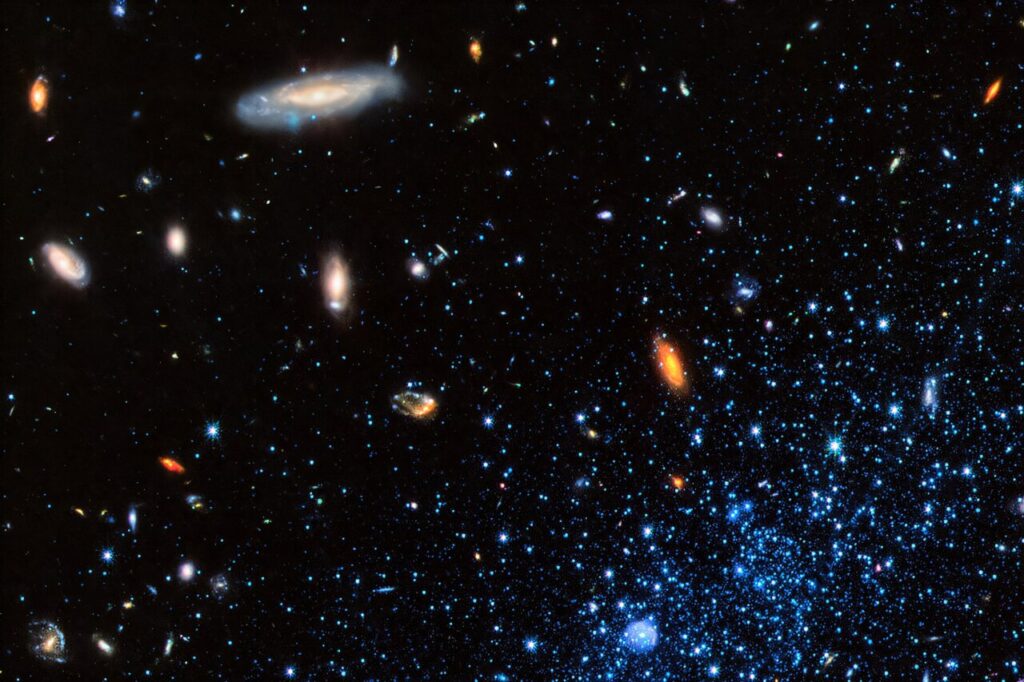
Astronomers are closing in on the helium made in the universe’s first minutes
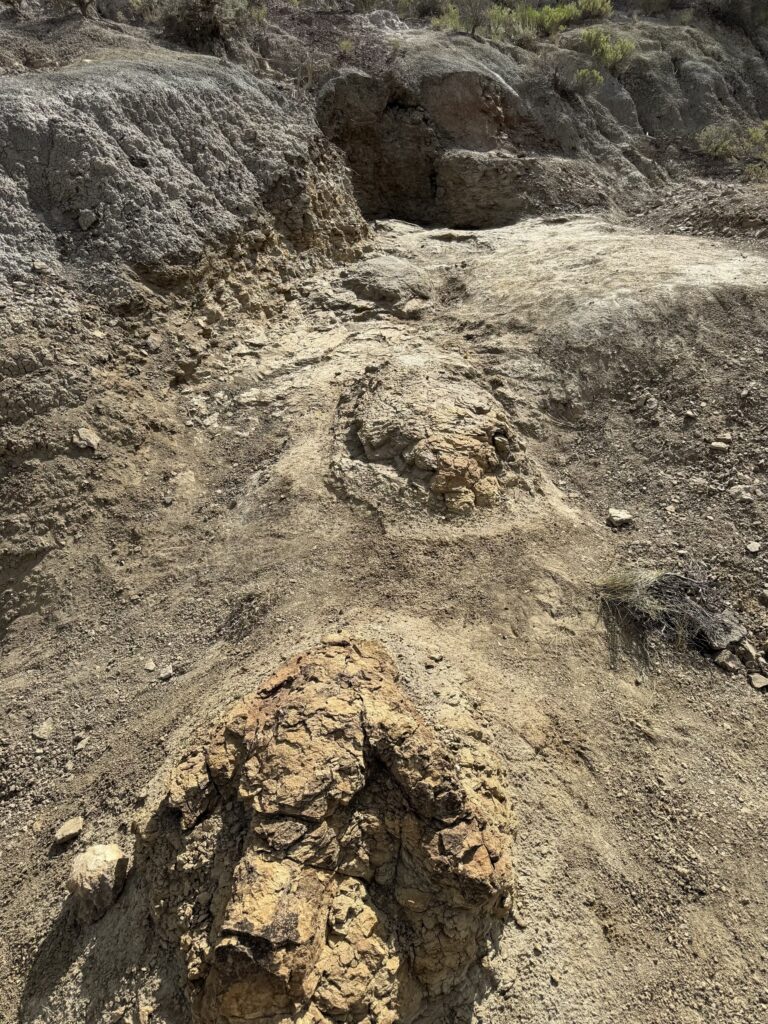
Four 1-meter footprints from 66.5 million years ago may be the first trackway left by an adult T. rex
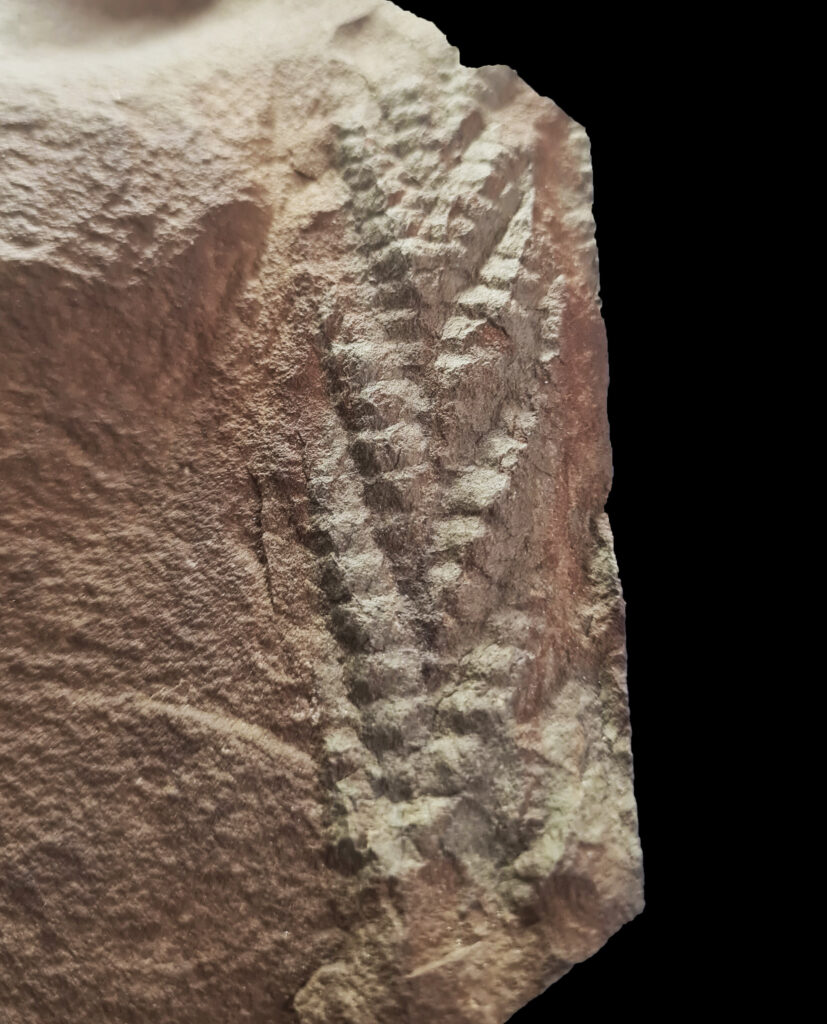
This half-billion-year-old Charnia frond was buried in a sediment flow instead of flattened on the seafloor
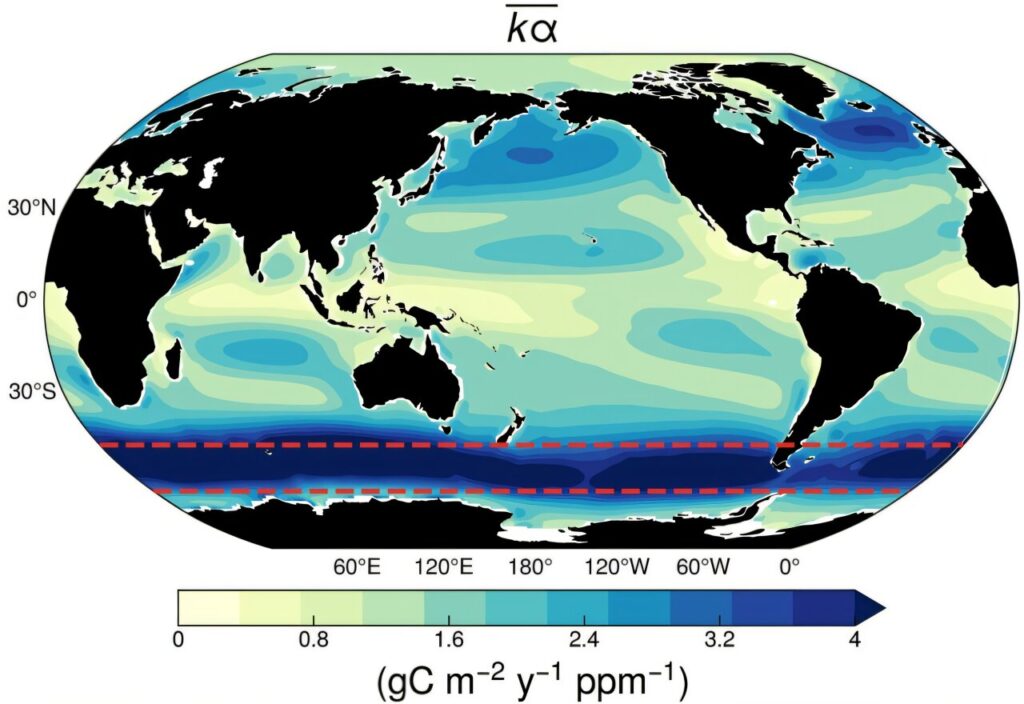
The Southern Ocean can keep releasing CO₂ even after atmospheric CO₂ falls
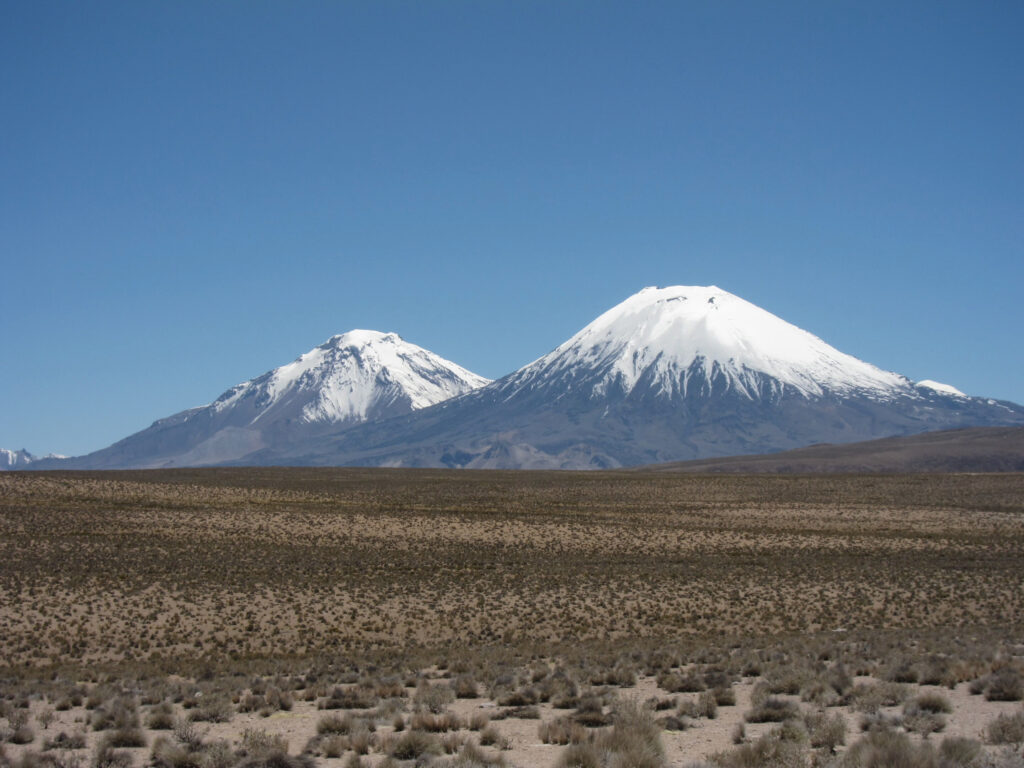
The slope of an ancient volcanic blanket puts a limit on how fast the Andes rose
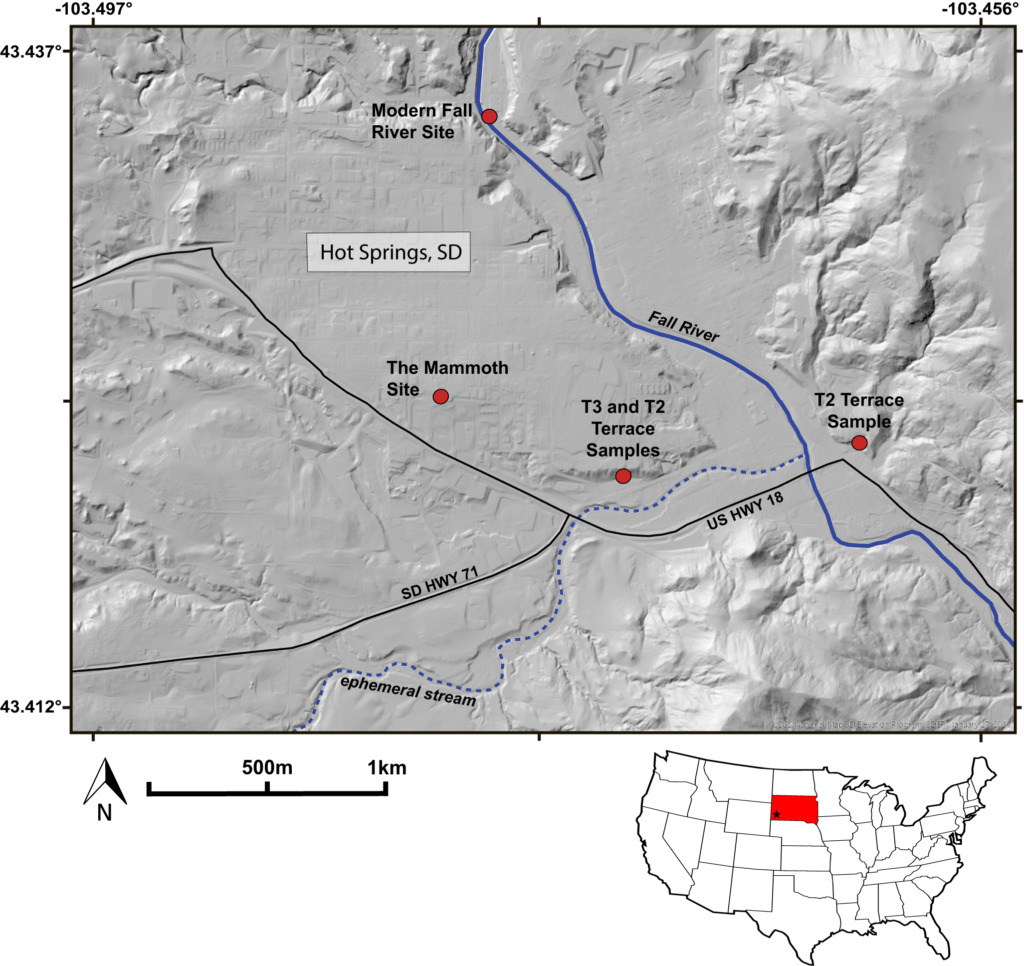
Luminescence dating places South Dakota’s Mammoth Site between 232,000 and 160,000 years old
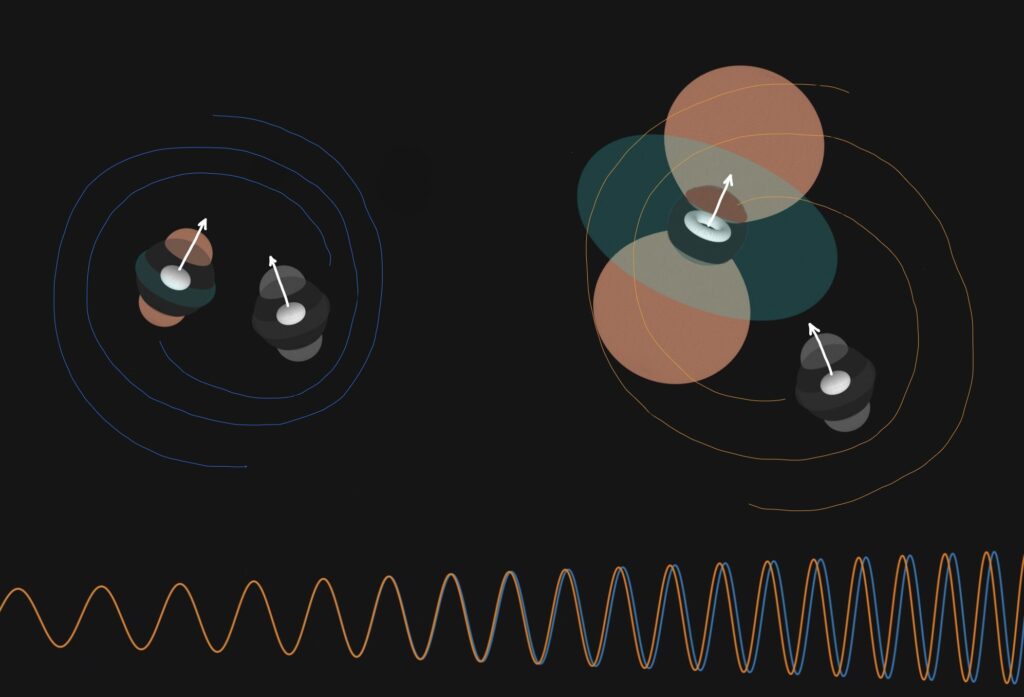
GW241011’s fast-spinning object was too round for a class of boson stars
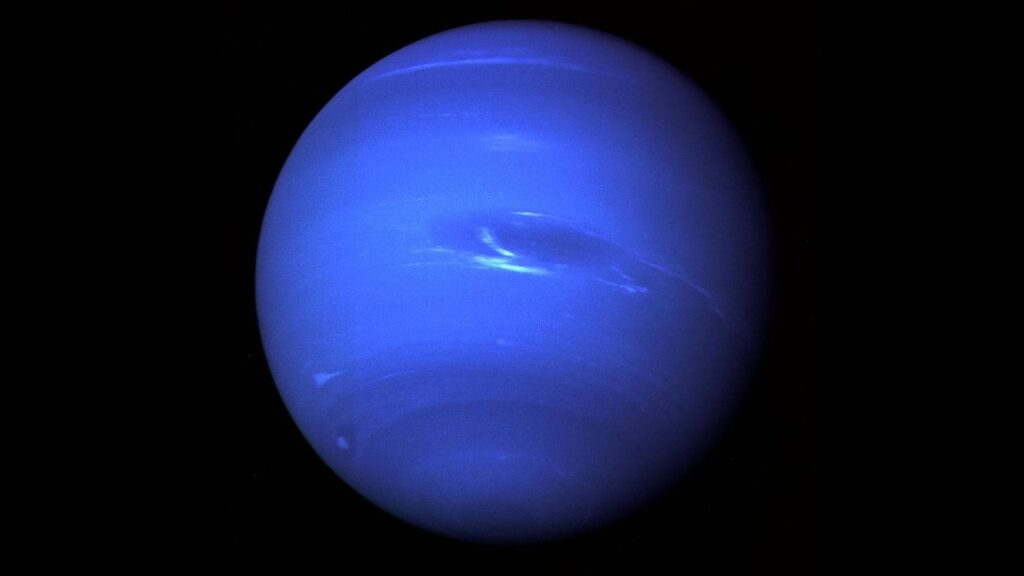
Water ice takes on a hexagonal structure deep inside the extreme conditions of ice giant planets
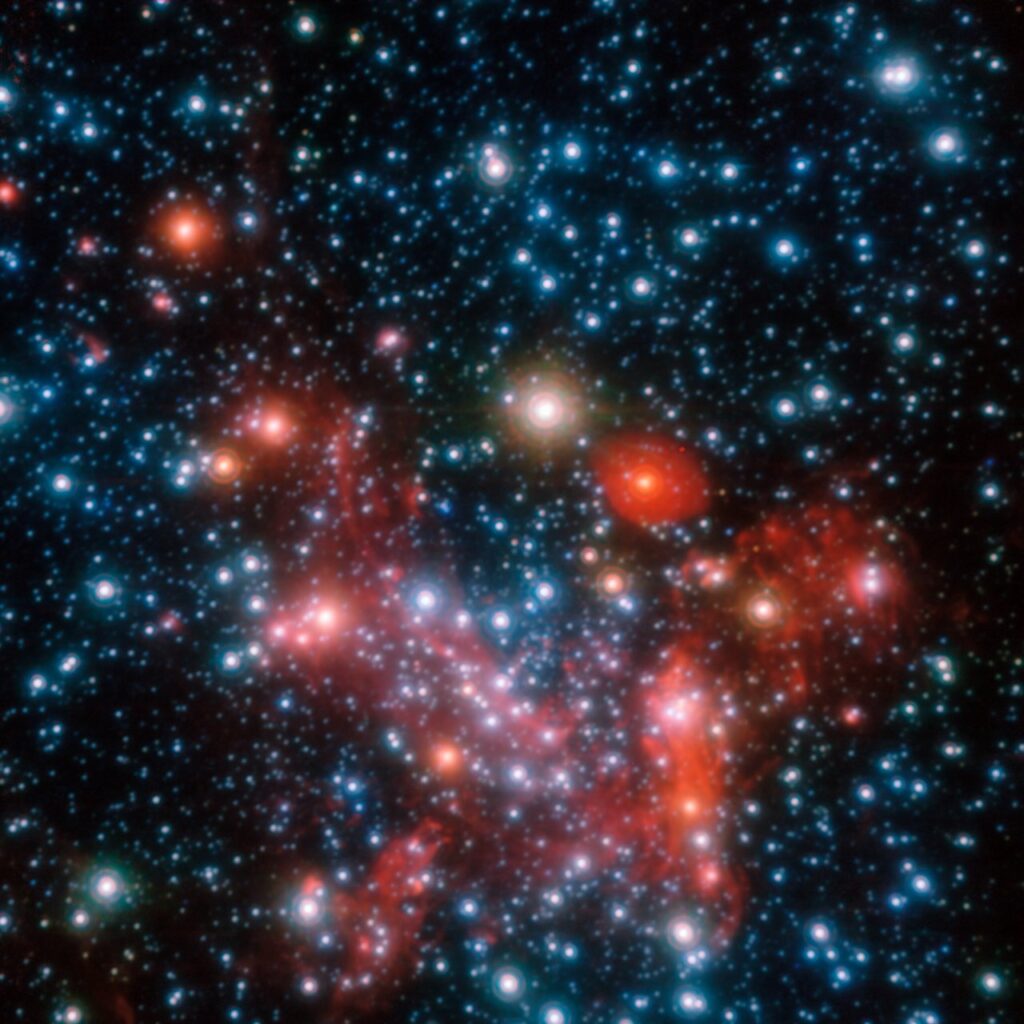
The black hole may be erasing binary stars from the Milky Way’s center
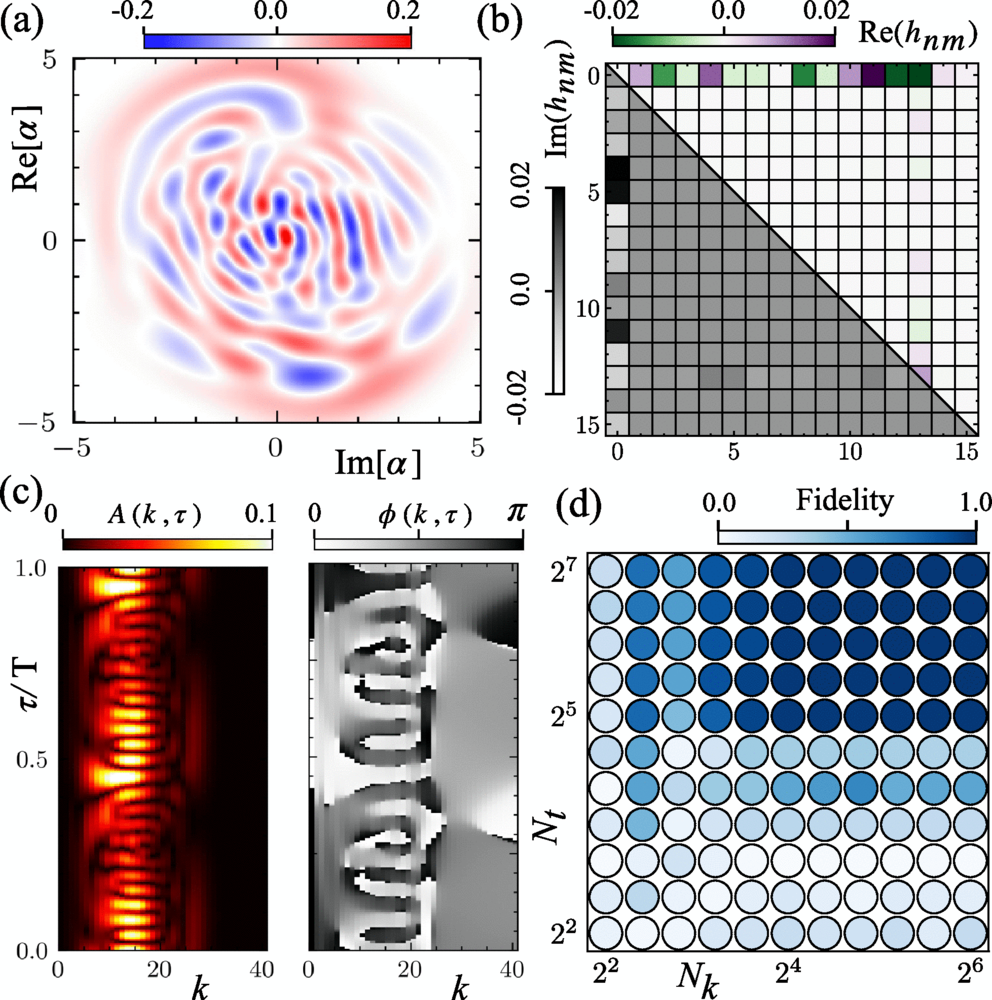
Quantum states that once took thousands of cycles can now be prepared in a single Floquet period
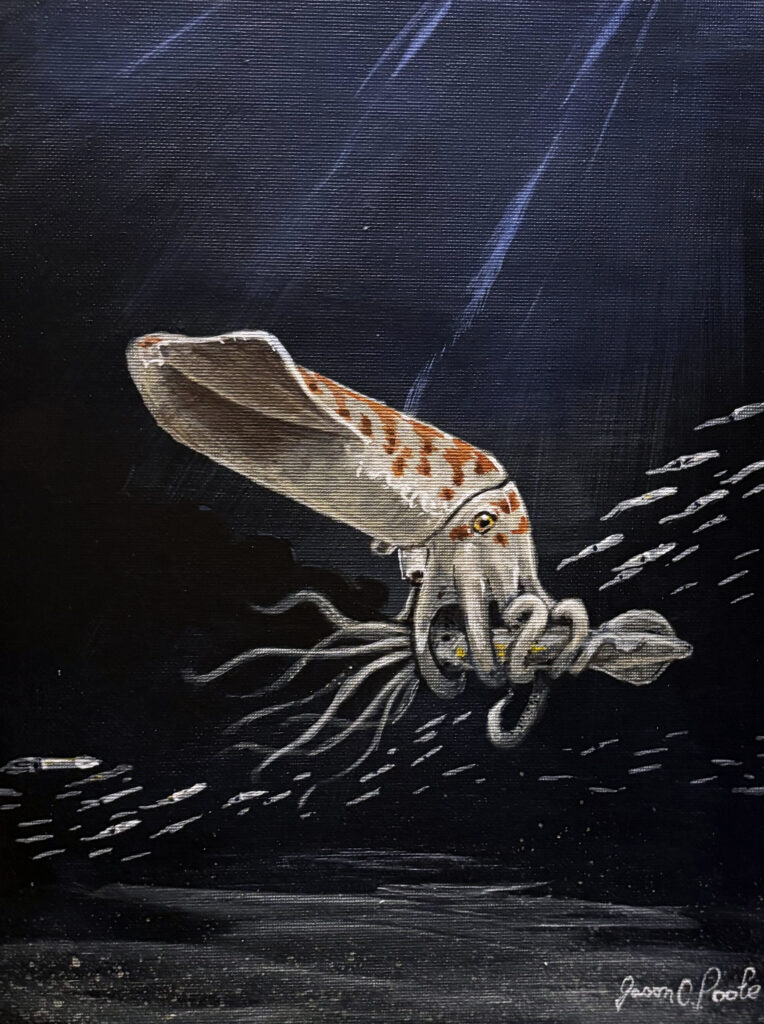
Wyoteuthis was a chunky belemnite that survived millions of years after its relatives vanished
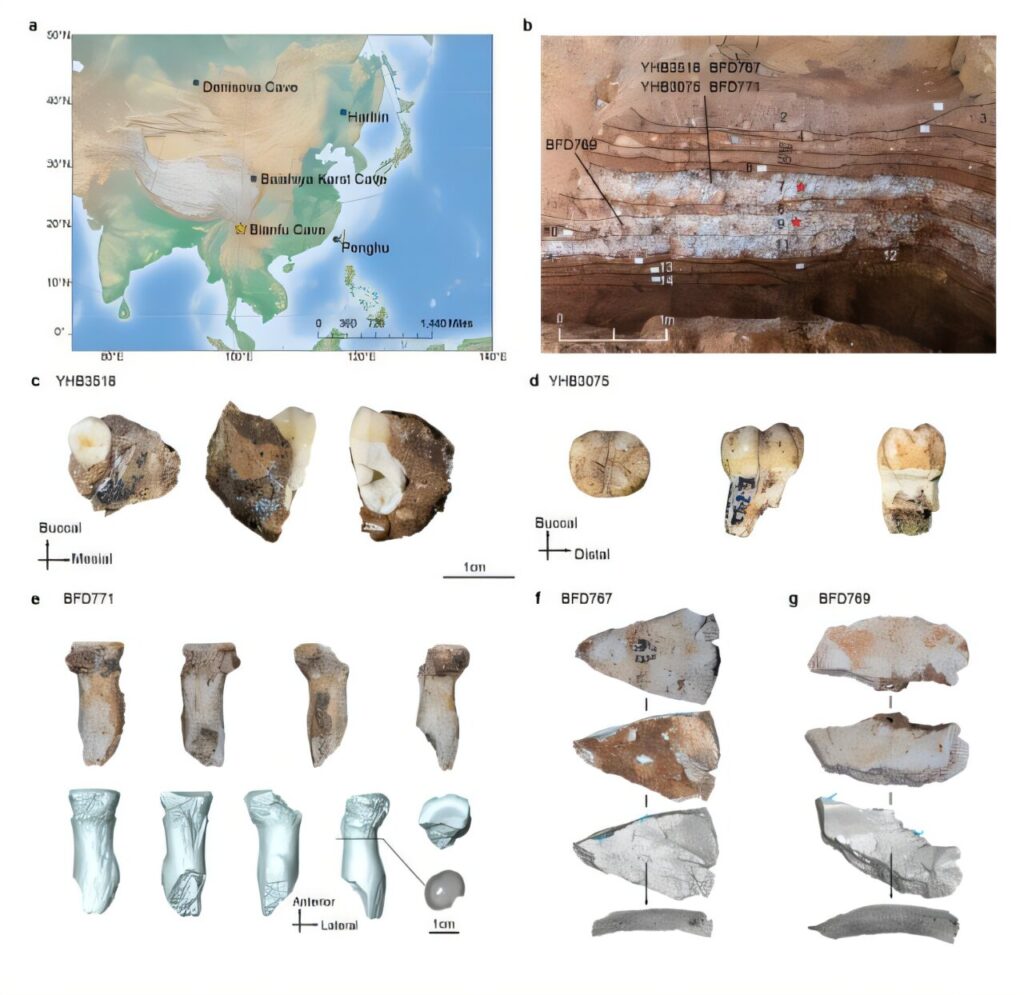
The first known Denisovan forearm bone dates back 167,000 years in China
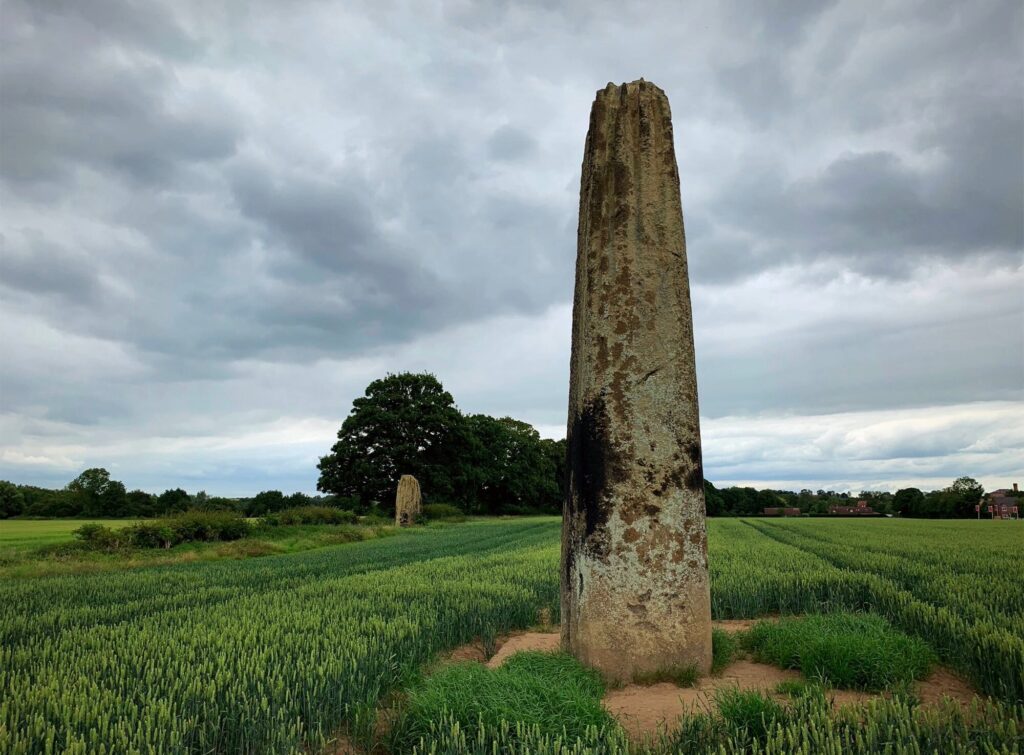
The Devil’s Arrows came from a rocky landscape 18 kilometers away
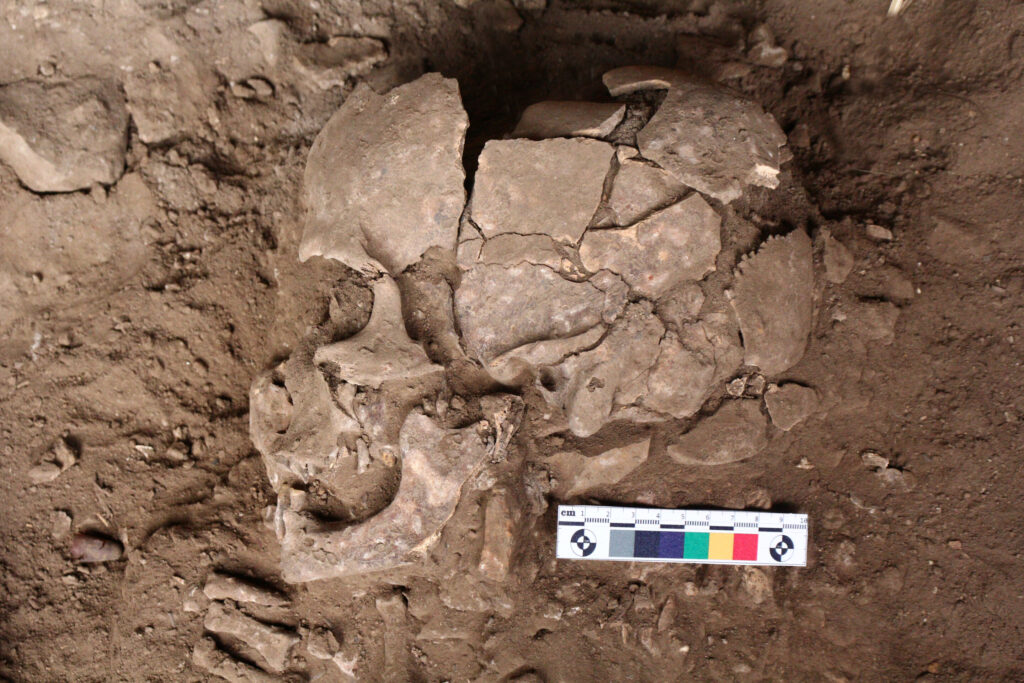
Teeth show that people in Sulawesi were sucking whole betel nuts 25,000 years ago
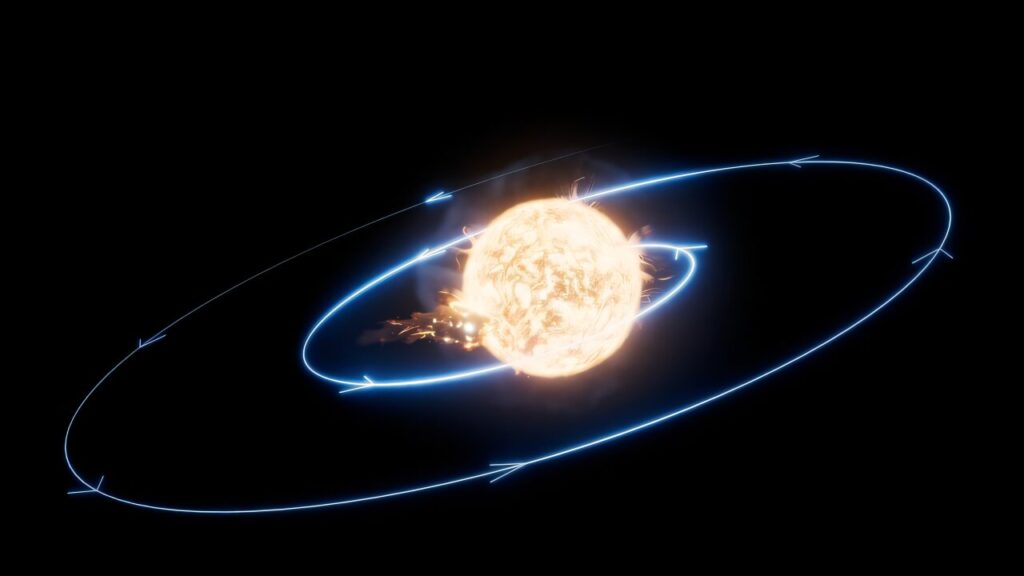
The young Sun may have swallowed a super-Earth that still shapes its interior
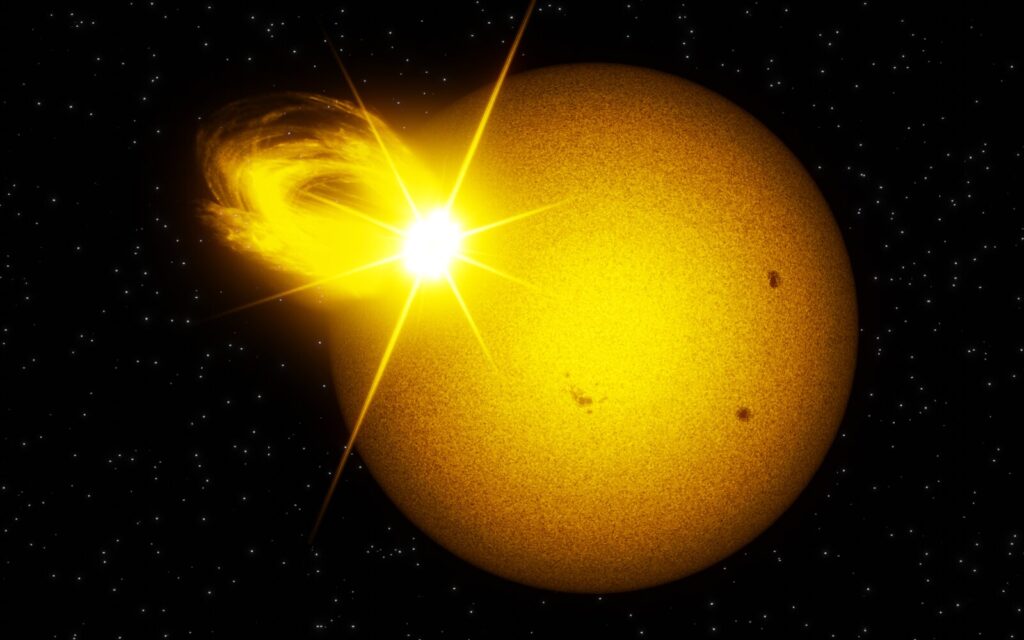
The largest sunspot ever recorded could have powered a superflare
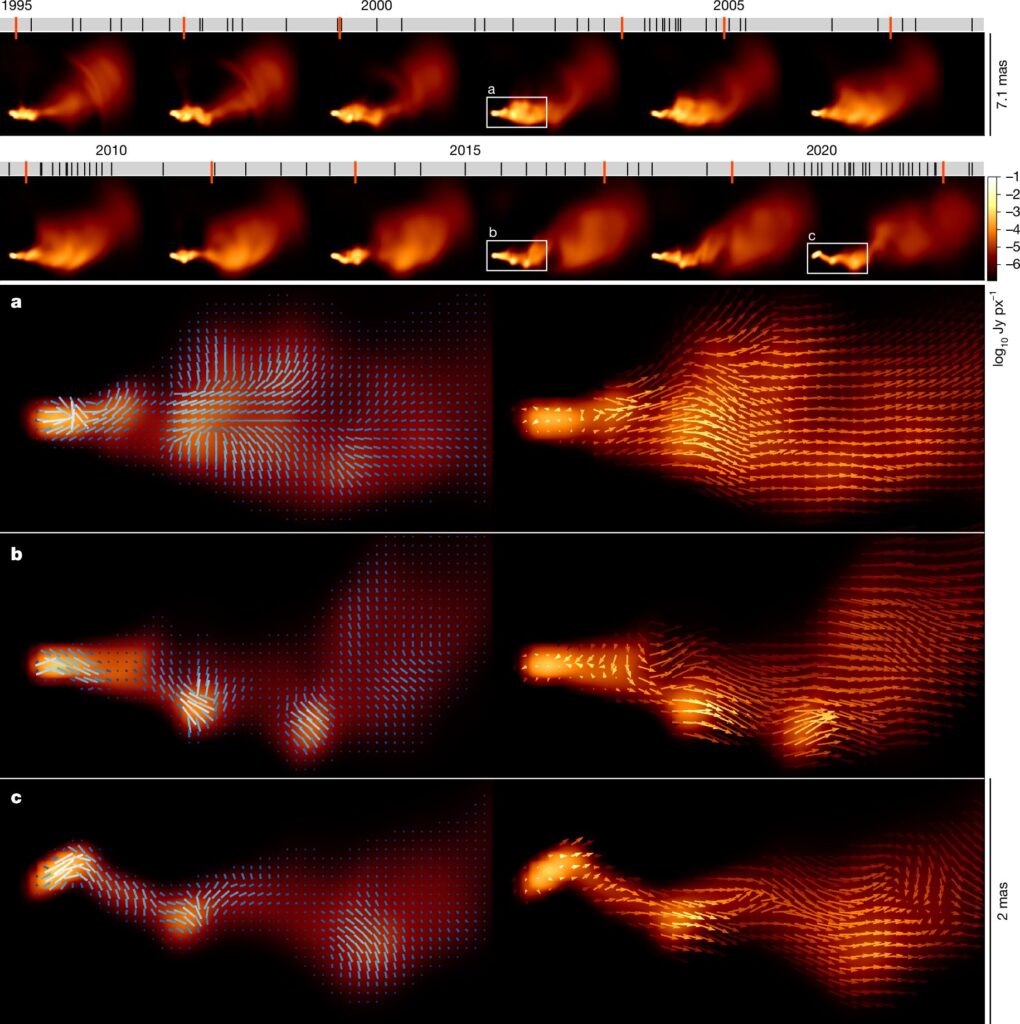
Bright features in a black hole jet may not be shock waves after all
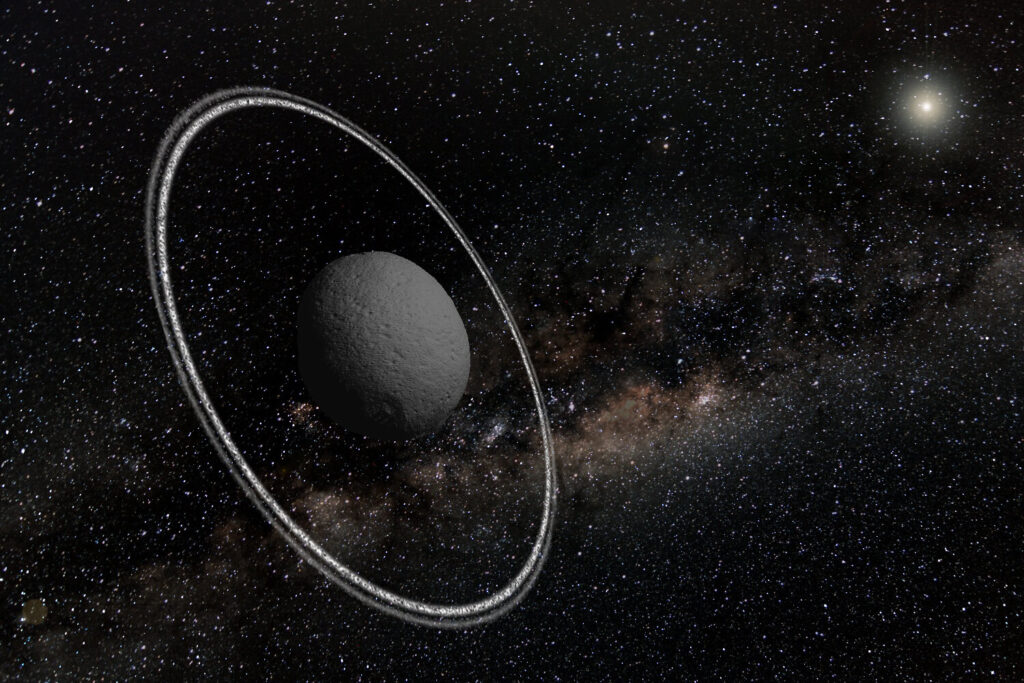
Chariklo’s two rings changed in opposite directions between 2017 and 2022
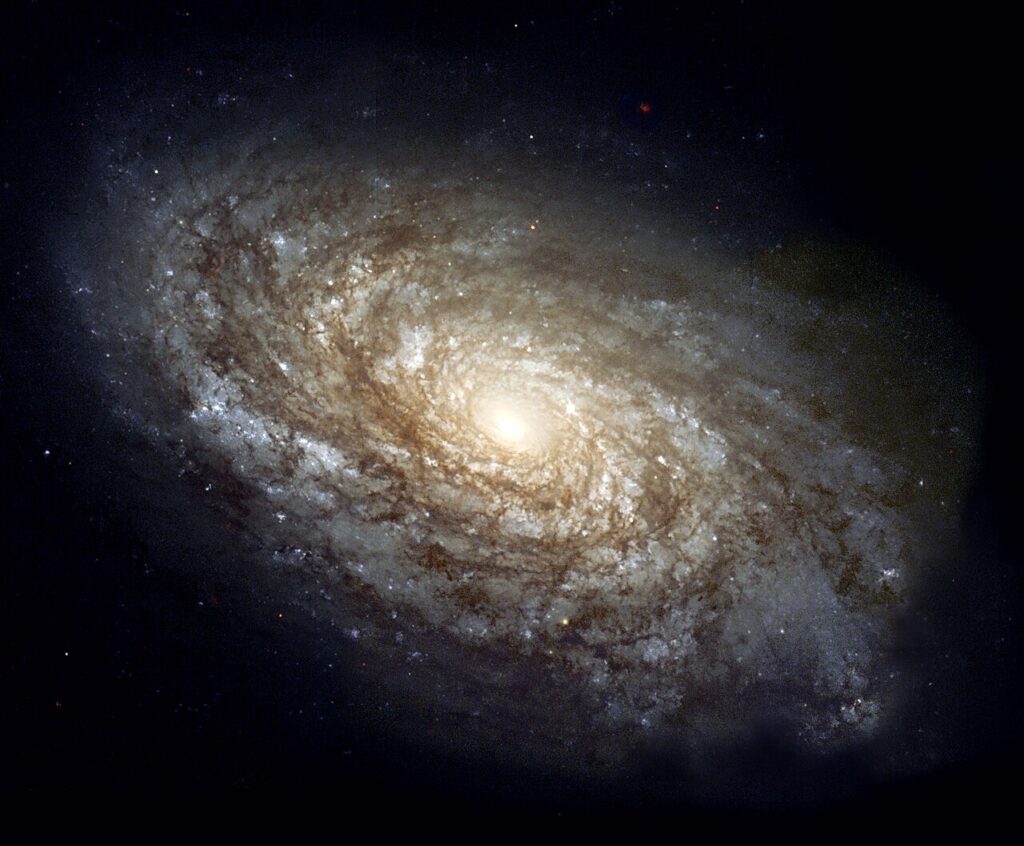
The universe’s primordial helium may be telling us how many neutrinos existed at its birth
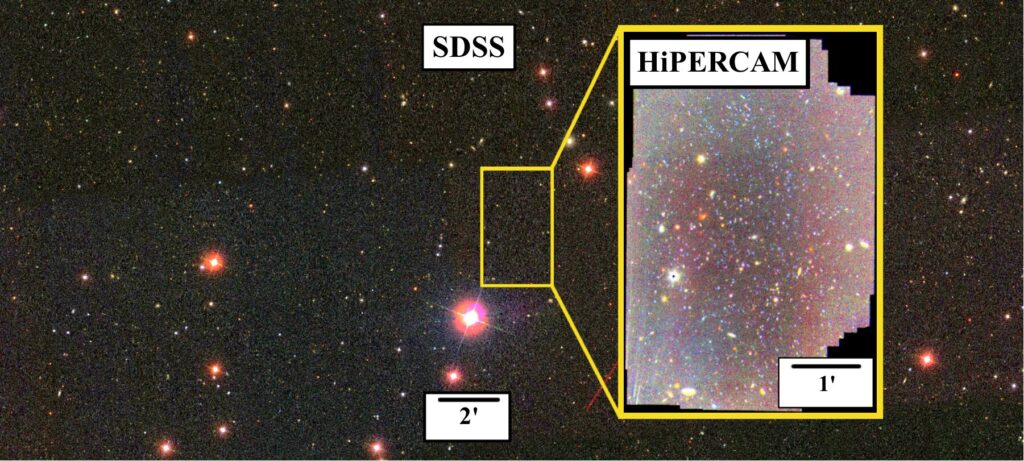
Cloud-9 may be a galaxy that formed no stars at all
3I/ATLAS formed in a place colder than -240°C, far from its home star
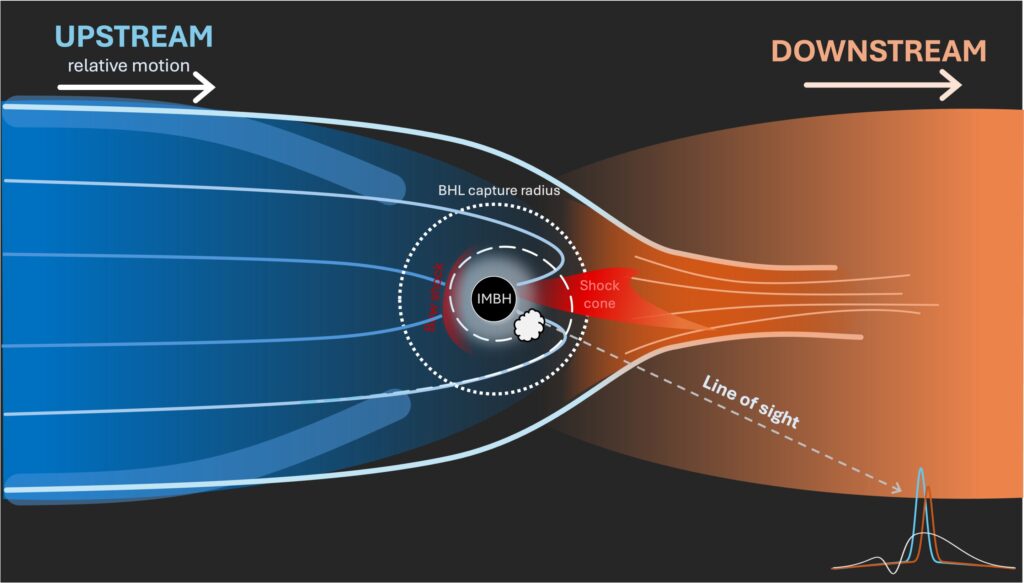
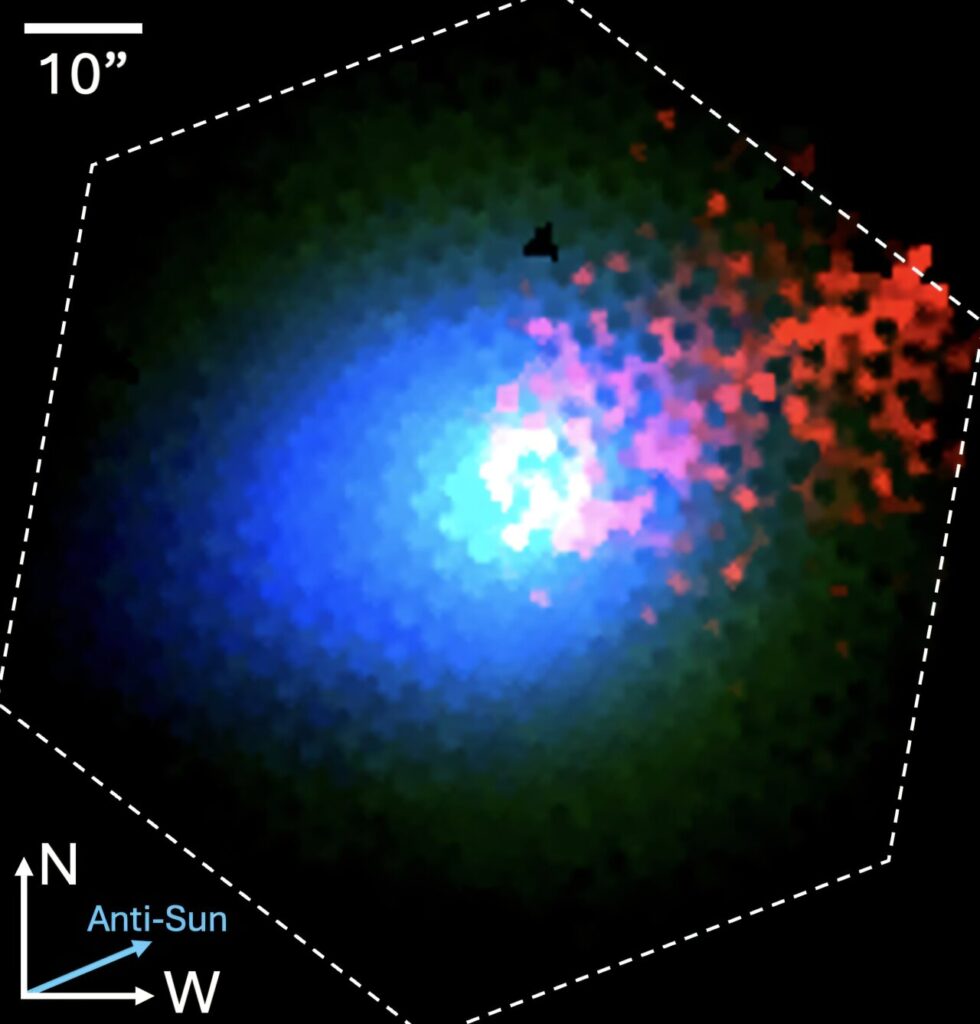
Black hole 35,000 times the Sun’s mass may be feeding on its own gravitational wake
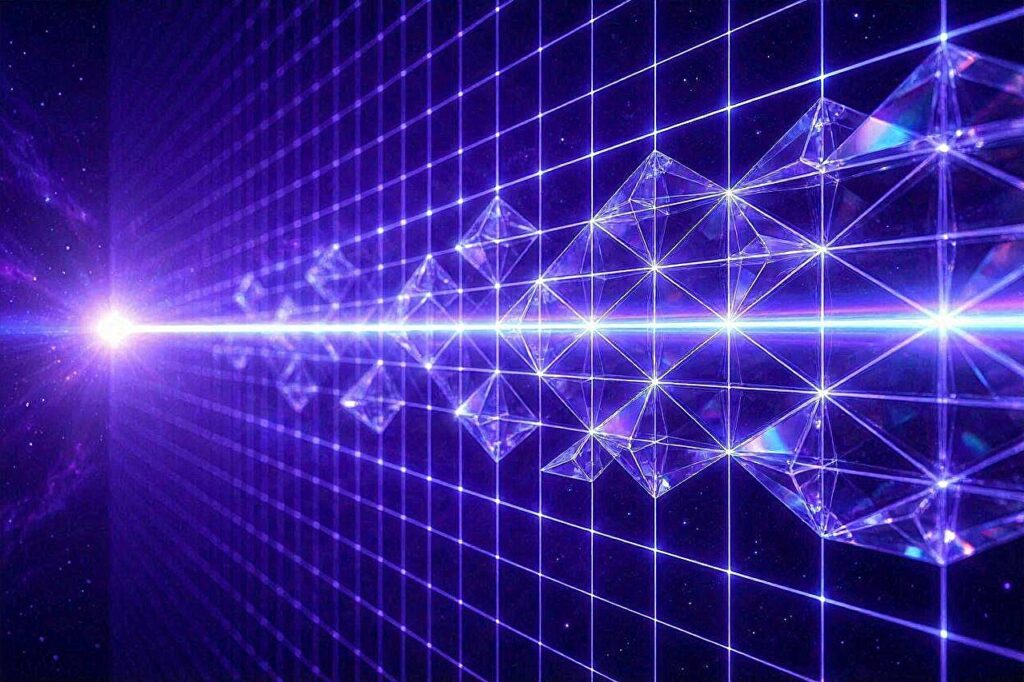
300-TeV photon from a distant gamma-ray burst should have been absorbed before reaching Earth
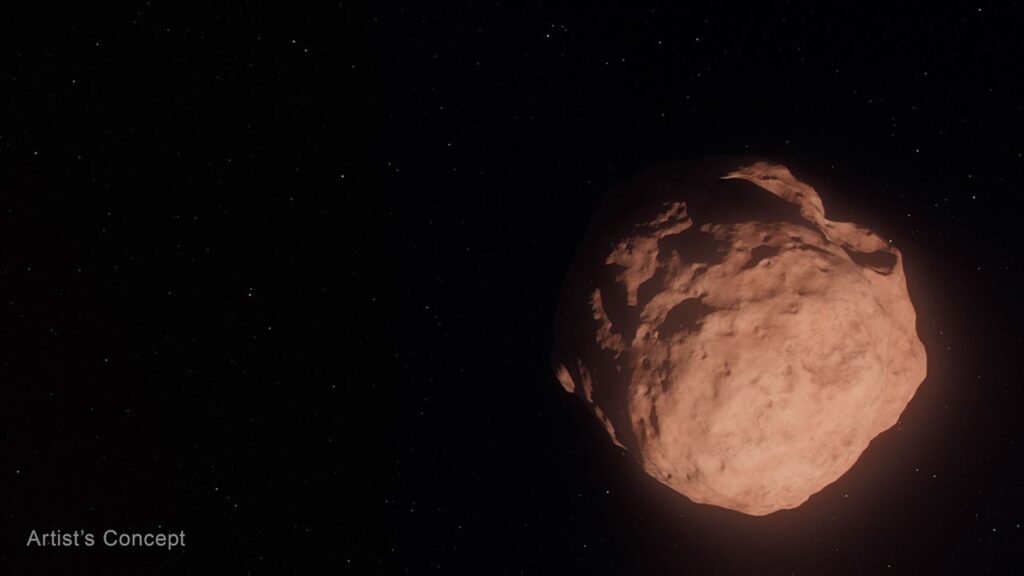
The solar system’s tiniest icy worlds still carry the colors of their birth
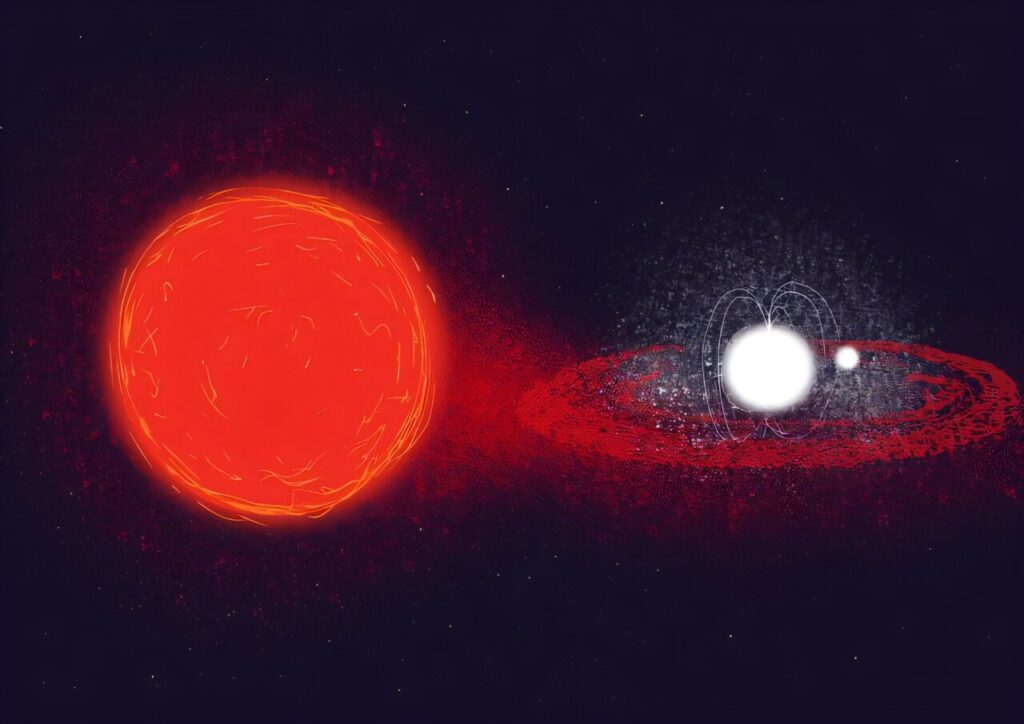
Giant pulses from a transitional millisecond pulsar arrive in tightly clustered bursts
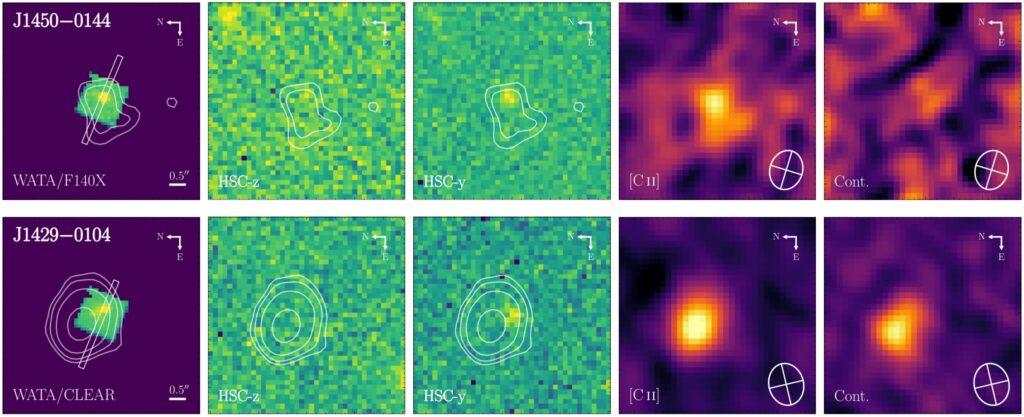
JWST finds galaxies masquerading as quasars, powered by enormous populations of very massive stars
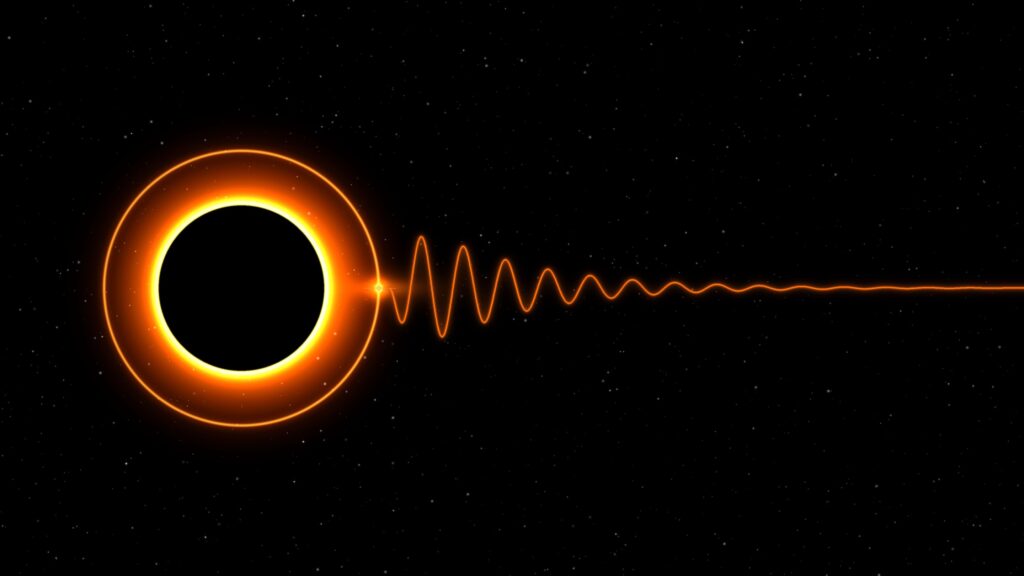
Black-hole ringdowns may carry a local fingerprint of matter at the photon orbit
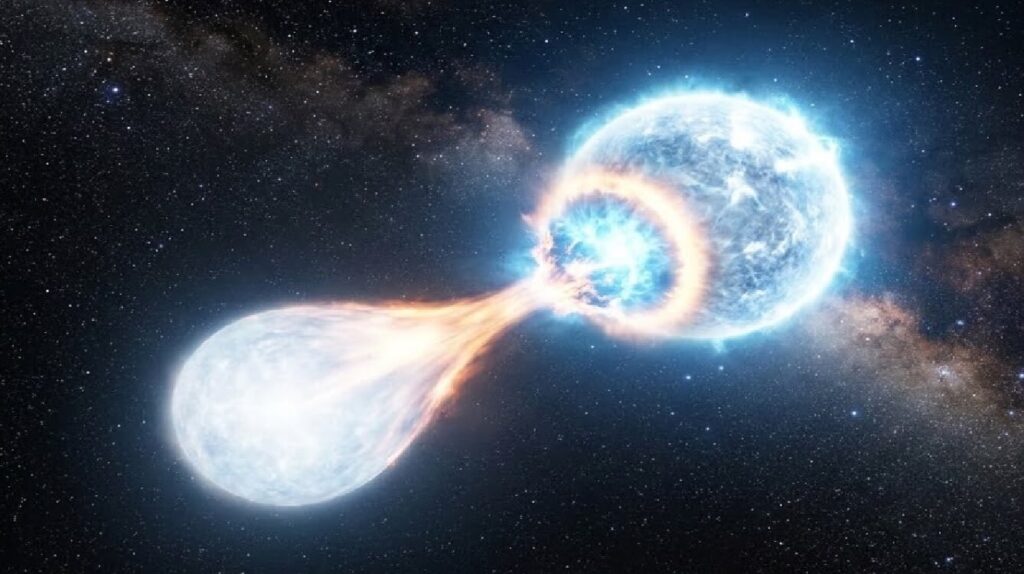
A white dwarf pair completes an orbit every 6 minutes — and keeps speeding up