Imagine being able to open a book, locate a single misspelled word among billions of letters, and correct it with remarkable precision. Now imagine that the book is not made of paper but is the genetic code of a living organism. For most of human history, such a feat belonged to the realm of science fiction. Today, it is becoming reality thanks to a revolutionary technology known as CRISPR.
CRISPR has transformed biology in ways that few scientific discoveries ever have. It has given researchers the ability to edit genes with unprecedented speed, accuracy, and affordability. Scientists are using it to study diseases, improve crops, develop new medical treatments, and explore questions that once seemed impossible to answer.
The excitement surrounding CRISPR is immense because genes influence nearly every aspect of life. They help determine how organisms grow, develop, and function. When genes contain harmful mutations, serious diseases can result. The possibility of correcting those mutations has inspired hopes for treatments that could change countless lives.
At the same time, CRISPR raises profound ethical questions. If humans gain the ability to rewrite the genetic code of life, how should that power be used? Where should society draw the line between healing disease and enhancing traits? These questions have become central to discussions about the future of biotechnology.
To understand why CRISPR has generated such enthusiasm and debate, we first need to understand the remarkable story behind it and how this powerful technology works.
Understanding Genes and DNA
Before exploring CRISPR itself, it is important to understand what genes are.
Every living organism contains genetic information stored in a molecule called DNA, short for deoxyribonucleic acid. DNA acts as the instruction manual for life. It contains the information needed to build and maintain an organism.
The DNA inside a single human cell is astonishingly long. If stretched out, it would measure about two meters in length. Yet it is packed into a microscopic nucleus.
DNA consists of four chemical building blocks represented by the letters A, T, C, and G. These letters form sequences that carry biological instructions.
Genes are specific sections of DNA that contain information for making proteins. Proteins perform countless functions within cells, from building tissues to carrying signals and facilitating chemical reactions.
The human genome contains roughly 20,000 protein-coding genes, along with vast regions that help regulate genetic activity.
When genes function properly, cells perform their jobs effectively. However, changes in DNA sequences, known as mutations, can sometimes disrupt normal biological processes.
Some mutations are harmless. Others can increase the risk of disease or directly cause medical conditions.
This is where gene editing becomes important.
The Dream of Editing Life
For decades, scientists dreamed of being able to edit DNA precisely.
If harmful mutations could be corrected, genetic diseases might be cured at their source rather than merely treated.
The challenge was enormous.
The human genome contains more than three billion DNA letters. Finding and changing a specific sequence within this vast genetic landscape is like locating a single grain of sand on an enormous beach.
Earlier gene-editing technologies existed before CRISPR, including zinc finger nucleases and TALENs. These methods allowed scientists to modify genes, but they were often complex, expensive, and difficult to customize.
Researchers needed a simpler approach.
The breakthrough arrived from an unexpected place: bacteria.
The Surprising Origins of CRISPR
One of the most fascinating aspects of CRISPR is that it was not invented by humans.
It evolved naturally in microorganisms long before humans existed.
Bacteria constantly face attacks from viruses known as bacteriophages. These viruses infect bacterial cells and use them to reproduce.
Over billions of years, bacteria developed defense mechanisms to survive.
One of these defenses became known as CRISPR.
Scientists first noticed unusual repeating DNA sequences in bacteria during the late twentieth century. These sequences appeared strange because they consisted of repeating segments separated by unique spacers.
For years, researchers did not understand their purpose.
Eventually, scientists discovered that many spacer sequences matched fragments of viral DNA.
This finding revealed something extraordinary.
Bacteria were storing genetic records of past viral infections.
In effect, they possessed a biological memory system.
If a virus attacked again, the bacteria could recognize it and mount a defense.
What initially appeared to be a mysterious DNA pattern turned out to be one of nature’s most sophisticated immune systems.
What Does CRISPR Stand For?
The acronym CRISPR stands for Clustered Regularly Interspaced Short Palindromic Repeats.
Although the name sounds intimidating, it simply describes the distinctive pattern found within bacterial DNA.
These repeated DNA sequences are separated by spacer regions derived from viruses that previously infected the bacteria.
Together with specialized proteins known as Cas proteins, the CRISPR system functions as a genetic defense mechanism.
Today, when people refer to CRISPR, they are often talking about the gene-editing technology developed from this natural bacterial system.
How the Natural CRISPR System Works
The bacterial CRISPR system operates in several stages.
When a virus infects a bacterium, fragments of the viral DNA can be captured and inserted into the bacterial genome.
These fragments become new spacers within the CRISPR region.
The bacterium essentially creates a genetic mugshot of the invader.
Later, if the same virus attacks again, the CRISPR region is transcribed into RNA molecules.
These RNA molecules guide Cas proteins toward matching viral DNA sequences.
Once the target is located, the Cas protein cuts the viral DNA.
The virus is disabled before it can successfully infect the cell.
This elegant defense system allows bacteria to recognize and destroy specific viral threats.
Scientists realized that if they could redirect this molecular machinery, they might be able to edit virtually any DNA sequence.
That realization changed biology forever.
The Discovery That Sparked a Revolution
The transformation of CRISPR from a bacterial immune system into a gene-editing tool required years of research by scientists around the world.
Among the most influential contributors were Jennifer Doudna and Emmanuelle Charpentier.
Their groundbreaking work demonstrated how the CRISPR-Cas9 system could be programmed to target specific DNA sequences.
In 2012, they published research showing that the system could be adapted into a versatile genetic editing tool.
The implications were immediately apparent.
Scientists suddenly possessed a relatively simple method for cutting DNA at precise locations.
The impact was so significant that Doudna and Charpentier received the 2020 Nobel Prize in Chemistry.
Their work opened an entirely new era in biotechnology.
Understanding Cas9
CRISPR technology is often discussed alongside a protein called Cas9.
Cas9 functions as molecular scissors.
Its job is to cut DNA.
By itself, Cas9 does not know where to cut. It requires guidance.
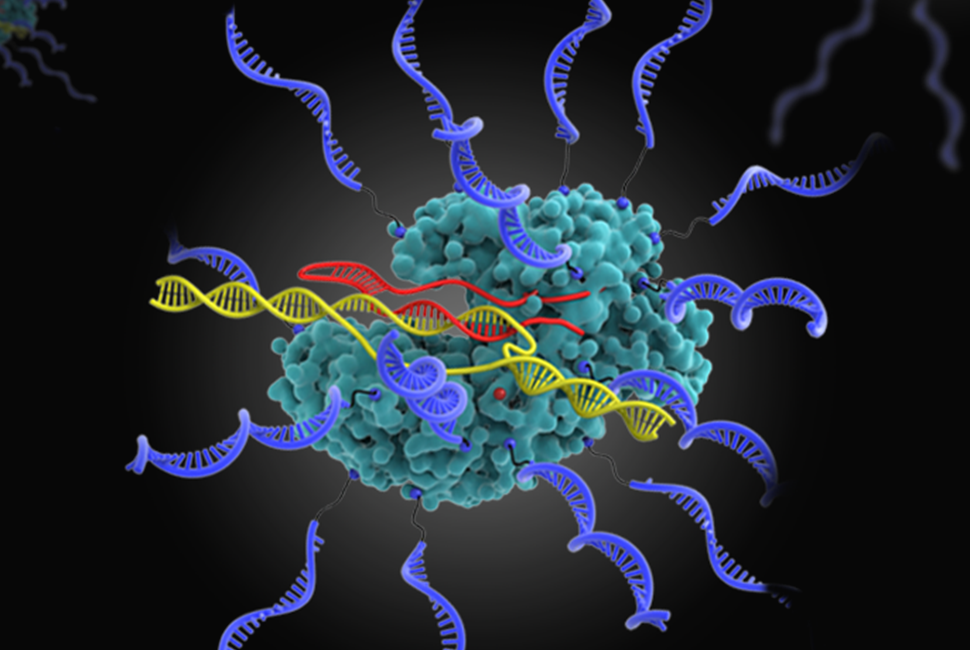
This guidance comes from a specially designed RNA molecule called guide RNA.
The guide RNA contains a sequence that matches a target DNA region.
When the guide RNA encounters matching DNA, it directs Cas9 to that location.
Cas9 then cuts both strands of the DNA molecule.
This cut triggers the cell’s natural repair mechanisms.
Scientists can take advantage of these repair processes to modify genetic information.
The combination of guide RNA and Cas9 makes CRISPR remarkably powerful and flexible.
How Gene Editing with CRISPR Works
The basic process of CRISPR gene editing can be understood as a highly precise search-and-edit operation.
Researchers first identify the DNA sequence they want to modify.
They then design a guide RNA that matches that sequence.
The guide RNA and Cas9 protein are introduced into the target cells.
The guide RNA leads Cas9 to the desired location in the genome.
Cas9 cuts the DNA.
Once the DNA is cut, the cell attempts to repair the break.
Scientists can influence this repair process in different ways.
Sometimes the repair introduces small changes that disable a gene.
In other cases, researchers provide a new DNA template that allows specific genetic corrections.
The result is a targeted modification of the genome.
Compared with earlier methods, the process is faster, simpler, and more efficient.
Why CRISPR Is So Revolutionary
Many scientific breakthroughs are important, but few transform an entire field as rapidly as CRISPR.
Its revolutionary nature comes from several key advantages.
CRISPR is relatively easy to use.
Researchers can design guide RNAs much more quickly than previous gene-editing tools.
It is highly adaptable.
The same basic system can target different genes simply by changing the guide RNA sequence.
It is comparatively affordable.
This accessibility has allowed laboratories worldwide to adopt the technology.
Most importantly, CRISPR offers remarkable precision.
Scientists can target specific locations within the genome with a level of control that was once unimaginable.
As a result, CRISPR has accelerated research across countless areas of biology and medicine.
CRISPR and Genetic Diseases
One of the most exciting applications of CRISPR involves treating genetic disorders.
Many diseases arise from mutations in single genes.
Examples include sickle cell disease, cystic fibrosis, Huntington’s disease, and certain forms of muscular dystrophy.
Traditional treatments often focus on managing symptoms.
CRISPR offers the possibility of addressing the underlying genetic cause.
In theory, correcting a harmful mutation could provide long-lasting or even permanent benefits.
This approach has inspired tremendous hope among patients and researchers alike.
For families affected by inherited diseases, gene editing represents a potential path toward treatments that once seemed impossible.
CRISPR and Sickle Cell Disease
Sickle cell disease has become one of the most prominent examples of CRISPR’s medical potential.
The condition results from a mutation affecting hemoglobin, the protein that carries oxygen in red blood cells.
This mutation causes red blood cells to adopt a rigid, sickle-like shape.
The abnormal cells can block blood flow, causing pain, organ damage, and other serious complications.
Researchers developed CRISPR-based therapies designed to modify blood stem cells.
These edited cells can produce healthier red blood cells after being returned to the patient’s body.
Clinical successes have demonstrated that gene editing can significantly reduce disease symptoms in many individuals.
These achievements mark an important milestone in the transition from experimental research to real-world medical applications.
Fighting Cancer with CRISPR
Cancer research has also benefited from CRISPR technology.
Scientists use CRISPR to investigate how specific genes contribute to cancer development.
By turning genes on or off, researchers can study their roles in tumor growth and progression.
CRISPR is also being explored as part of innovative cancer therapies.
Some approaches involve modifying immune cells so they can better recognize and attack cancer cells.
Others seek to target genetic vulnerabilities within tumors themselves.
Although many challenges remain, CRISPR is expanding the range of possibilities available to cancer researchers.
CRISPR in Infectious Disease Research
The technology has applications beyond inherited disorders.
Researchers are studying how CRISPR might help combat infectious diseases caused by viruses, bacteria, and parasites.
CRISPR-based diagnostic tools can rapidly detect specific genetic sequences associated with pathogens.
These tests can be highly sensitive and potentially useful during disease outbreaks.
Scientists are also exploring whether CRISPR systems could directly target viral genomes inside infected cells.
Although such applications remain under investigation, they highlight the versatility of gene-editing technology.
Transforming Agriculture
CRISPR is not limited to medicine.
Agriculture represents another area where the technology may have profound effects.
Farmers face numerous challenges, including pests, diseases, drought, and changing climate conditions.
Gene editing offers ways to improve crop resilience and productivity.
Scientists can modify plant genes associated with disease resistance, water efficiency, nutritional value, and growth characteristics.
Unlike traditional breeding, which may require many generations, CRISPR allows targeted genetic changes to be introduced more rapidly.
Researchers are developing crops that may better withstand environmental stress while maintaining high yields.
These advances could contribute to future food security.
Improving Livestock
Animal agriculture may also benefit from CRISPR technology.
Researchers are investigating ways to enhance disease resistance in livestock.
Certain genetic modifications could potentially reduce susceptibility to infections that affect animal health and agricultural productivity.
Scientists are also exploring traits related to welfare, efficiency, and sustainability.
As with all gene-editing applications, these efforts involve scientific, ethical, and regulatory considerations.
Nevertheless, CRISPR has expanded the range of possibilities available to agricultural research.
Conservation and Wildlife Applications
CRISPR may even contribute to conservation efforts.
Some scientists are studying whether gene-editing technologies could help protect endangered species.
Potential applications include increasing resistance to diseases that threaten vulnerable populations.
Researchers have also proposed using genetic tools to control invasive species that damage ecosystems.
These ideas remain complex and controversial.
Natural ecosystems are intricate, and unintended consequences must be carefully considered.
Still, the possibility of applying genetic technology to environmental challenges illustrates the broad reach of CRISPR science.
The Ethics of Editing Genes
With great scientific power comes great responsibility.
CRISPR’s ability to alter DNA raises ethical questions that extend far beyond the laboratory.
Most people support efforts to treat serious diseases.
However, concerns arise when gene editing moves beyond therapy.
What happens if technology is used to enhance physical traits, intelligence, or appearance?
Should future generations inherit edited genetic changes?
Who decides which modifications are acceptable?
These questions have no simple answers.
They involve science, philosophy, law, religion, culture, and public values.
The ethical debate surrounding CRISPR is likely to continue for many years.
Germline Editing and Future Generations
One particularly sensitive issue involves germline editing.
Most medical gene-editing efforts target somatic cells, meaning the changes affect only the treated individual.
Germline editing is different.
It involves modifying sperm, eggs, embryos, or reproductive cells.
Changes made in these cells can be inherited by future generations.
This raises profound concerns because future descendants cannot consent to alterations affecting their genomes.
Potential risks could be passed down through family lines.
Many countries have established restrictions or regulations regarding germline editing.
The topic remains one of the most debated areas of modern biotechnology.
The Challenge of Accuracy
Although CRISPR is remarkably precise, it is not perfect.
Scientists must carefully evaluate the possibility of unintended changes known as off-target effects.
These occur when editing machinery modifies DNA at locations other than the intended target.
Even rare unintended changes can be important, especially in medical applications.
Researchers continue developing improved CRISPR systems that increase accuracy and reduce risks.
Advances in guide RNA design, enzyme engineering, and quality-control methods have significantly improved performance.
Ensuring safety remains a central priority as clinical applications expand.
Beyond Cas9
While Cas9 is the most famous CRISPR-associated protein, it is not the only one.
Researchers have discovered numerous CRISPR systems in nature.
Some use different enzymes with unique capabilities.
Proteins such as Cas12 and Cas13 have expanded the CRISPR toolbox.
Certain systems target DNA, while others target RNA.
These alternatives provide new opportunities for diagnostics, research, and therapeutic development.
The field continues evolving as scientists uncover additional molecular tools hidden within the microbial world.
Base Editing and Prime Editing
The original CRISPR-Cas9 system works by cutting DNA.
Newer technologies have refined this approach.
Base editing allows specific DNA letters to be changed without creating double-stranded breaks.
Prime editing offers even greater flexibility, enabling precise modifications with reduced disruption.
These innovations represent the next generation of gene-editing technology.
They build upon the foundation established by CRISPR while addressing some limitations of earlier methods.
As these tools improve, the ability to modify genetic information with increasing precision continues to grow.
CRISPR in Basic Research
Even when not used for therapy, CRISPR has transformed biological research.
Scientists can now investigate gene function more efficiently than ever before.
By editing genes in cells, animals, or plants, researchers can observe how biological systems respond.
This approach helps uncover the genetic basis of development, disease, behavior, aging, and countless other phenomena.
CRISPR has accelerated discoveries across genetics, neuroscience, immunology, developmental biology, and many additional fields.
Its impact on scientific research is difficult to overstate.
Public Perception and the Future
Public interest in CRISPR reflects both excitement and concern.
Stories about curing genetic diseases inspire hope.
At the same time, discussions about designer babies and genetic enhancement raise caution.
The future of CRISPR will depend not only on scientific progress but also on societal decisions.
Governments, scientists, ethicists, healthcare professionals, and citizens all play important roles in shaping how the technology is used.
Responsible oversight will be essential as gene-editing capabilities continue advancing.
The choices made today may influence generations to come.
The Future of Gene Editing
The pace of CRISPR research remains extraordinary.
Scientists are developing new delivery methods that can transport editing machinery more effectively into cells.
Researchers continue improving precision, efficiency, and safety.
Clinical trials are exploring treatments for a growing range of diseases.
Agricultural applications are expanding.
Diagnostic technologies are becoming increasingly sophisticated.
As knowledge advances, possibilities that once seemed impossible may become routine.
Yet biology is incredibly complex, and many challenges remain.
The future will likely bring both remarkable successes and important lessons about the limits of genetic intervention.
Conclusion
CRISPR is one of the most transformative scientific breakthroughs of the twenty-first century. Derived from a natural bacterial defense system, it provides an extraordinarily powerful way to edit genetic information with unprecedented precision and flexibility. By combining guide RNA with specialized enzymes such as Cas9, scientists can locate specific DNA sequences and modify them in targeted ways.
The technology has revolutionized biological research, opened new possibilities for treating genetic diseases, accelerated agricultural innovation, and expanded our understanding of life itself. At the same time, it has sparked profound ethical discussions about how humanity should use the power to alter genomes.
CRISPR represents far more than a laboratory tool. It symbolizes a new chapter in human history—one in which people are beginning to understand and potentially rewrite the very code that shapes living organisms. Whether curing disease, improving crops, or unlocking the mysteries of biology, CRISPR stands as one of the most remarkable scientific achievements of our time, with the potential to influence medicine, agriculture, and society for generations to come.