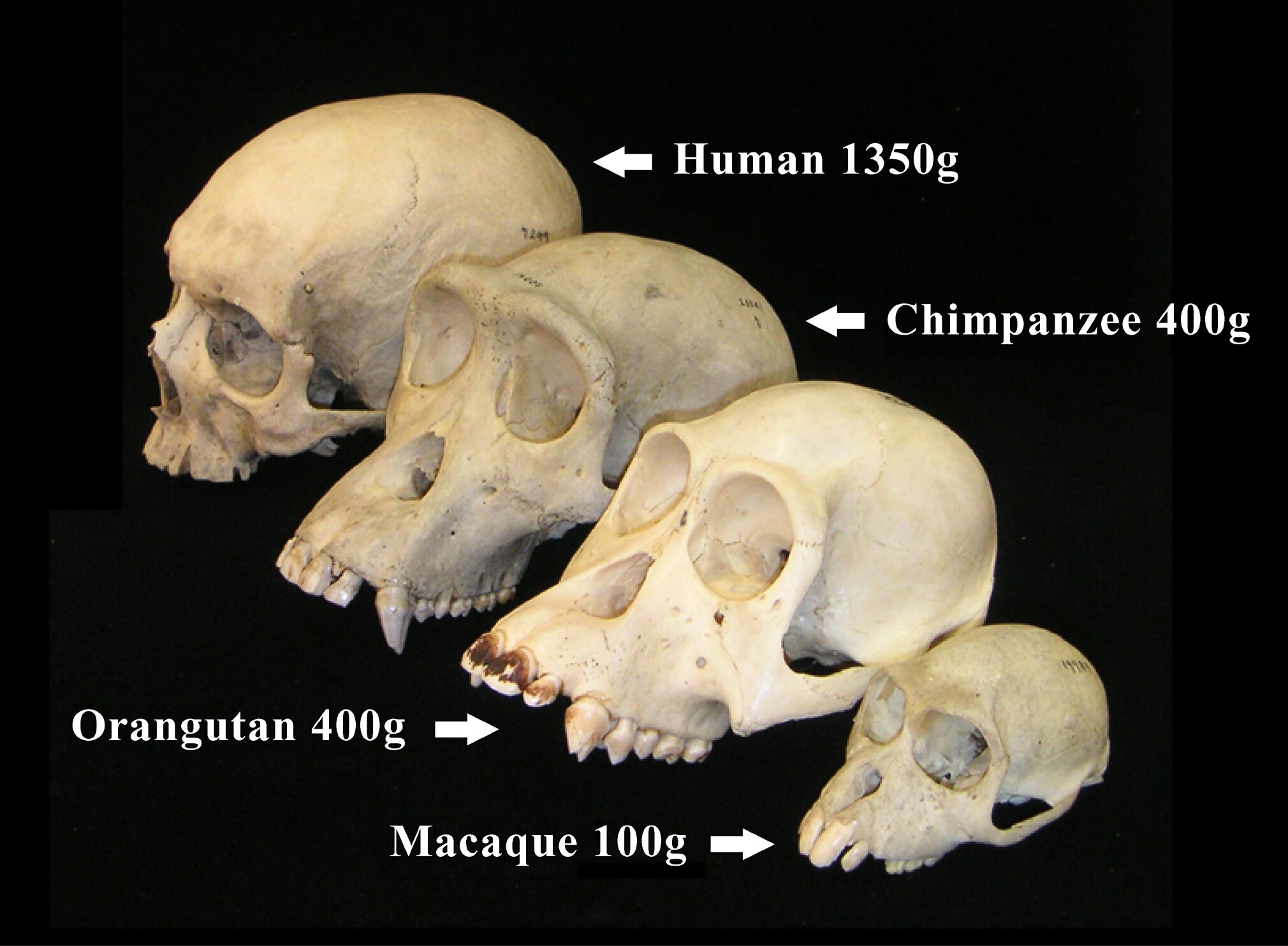
Body size appears to have increased before brain size in several primate lineages, including humans, according to a fresh analysis that revisits decades-old data with updated evolutionary timelines and statistical methods. The findings also suggest that some primates’ brains did more than catch up—they grew beyond the expected body-to-brain relationship, pointing to a possible shift toward higher cognitive capacity.
For decades, one idea about human evolution has remained in the background of scientific debate: what if bigger bodies came first, while bigger brains arrived later? A new analysis now lends support to that long-discussed possibility, while adding an unexpected twist that could reshape how researchers think about the evolution of primate intelligence.
The study, led by Robin Dunbar of the University of Oxford and published in the open-access journal PLOS One, revisits a long-standing hypothesis with newer analytical tools and updated evolutionary timelines. The results suggest that, in several primate lineages—including humans—brain size initially lagged behind body size before later catching up. In some cases, brain growth then continued beyond the expected baseline.
Revisiting a Long-Standing Evolutionary Question
Late in human evolution, the brain experienced dramatic increases in both its overall size and its size relative to the body. This pattern gave rise to the brain lag hypothesis, which proposes that body size generally expanded first, while brain evolution followed later.
The idea has existed for years, but it faced a major setback in 1999, when an analysis of primate evolutionary timelines found no statistical evidence supporting it. That earlier work relied mainly on anatomical features and evolutionary timelines reconstructed from fossil dating.
Since then, however, researchers have gained access to more accurate evolutionary timelines through molecular genetic techniques. At the same time, statistical methods for analyzing evolutionary data have also improved.
These advances provided an opportunity to revisit the question using the same underlying primate dataset, but with more refined tools.
New Analysis Finds Evidence for “Brain Lag”
Using the updated methods, Dunbar reanalyzed the original dataset and reached a different conclusion.
The study found evidence that, in several primate lineages—including the lineage leading to humans—brain size consistently trailed increases in body size before eventually catching up to the expected relationship between body and brain size within each evolutionary lineage.
This supports the core idea behind the brain lag hypothesis, suggesting that larger bodies may have evolved first while brains required additional evolutionary time to reach their expected size.
Rather than contradicting earlier research, the new findings suggest that improvements in evolutionary timelines and analytical approaches may reveal patterns that were previously difficult to detect.
Brain Growth Did More Than Catch Up
The analysis also uncovered something the original hypothesis did not predict.
Instead of simply reaching the expected relationship between body and brain size, some primate lineages continued evolving even larger brains. According to the study, these brains overshot the expected baseline, potentially representing a transition to a higher level of cognitive ability.
This expands the original brain lag hypothesis by suggesting that evolutionary brain growth may have occurred in multiple stages. First, body size increased. Then brain size caught up. Finally, in some lineages, brain size continued growing beyond what body size alone would predict.
The study does not claim that this pattern occurred across every primate lineage, but it does indicate that it was present in several groups, including humans.
A Possible Role for Social Living
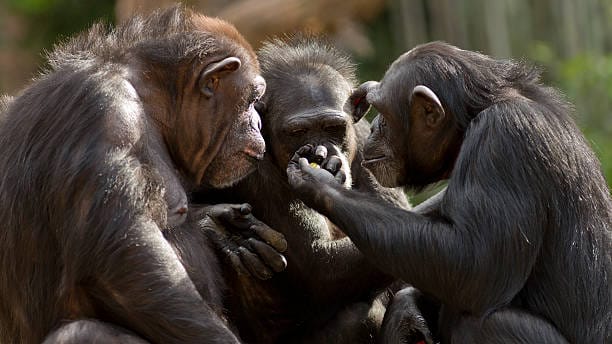
Dunbar also argues that the findings fit with the long-discussed social brain hypothesis.
According to this idea, larger brains evolved because some primates increasingly relied on living in larger social groups as protection against predators. Maintaining social relationships places complex cognitive demands on individuals, potentially favoring the evolution of larger brains.
The study also suggests that this transition may have been supported by changes in diet. Moving away from foliage and toward more energy-rich foods such as fruits, seeds, and nuts could have provided energy savings that helped support the costs associated with larger brains.
However, the study also acknowledges that this explanation remains uncertain.
Other researchers have challenged the social brain hypothesis, and the new analysis does not resolve that debate. Instead, it offers findings that are consistent with the hypothesis while recognizing that additional research will be needed to better understand the evolutionary processes involved.
From Physical Strength to Cognitive Ability
Reflecting on the broader pattern, Dunbar summarized the proposed evolutionary shift by suggesting that monkeys, apes, and humans gradually changed their primary strategy for avoiding predators.
Rather than relying mainly on physical strength, these primates increasingly depended on larger brains and the cognitive abilities associated with more complex social behavior.
The new analysis suggests that this transformation may not have happened all at once. Instead, it may have unfolded in stages, with body size increasing first and brain evolution following later before eventually exceeding previous expectations.
Why This Matters
Understanding how brain size and body size evolved together is central to explaining one of the defining features of human evolution. By revisiting an older dataset with improved evolutionary timelines and modern statistical methods, this study provides fresh evidence that the relationship between body growth and brain growth may have been more dynamic than previously recognized.
The findings also expand the long-debated brain lag hypothesis, suggesting that in some primate lineages, brains did not merely catch up with larger bodies—they went beyond the expected baseline. While questions remain about why this happened, the study offers a new framework for exploring how the remarkable cognitive abilities seen in humans and other large-brained primates may have evolved over time.