Genes transferred from unrelated host plants can do more than simply persist inside a parasitic plant’s genome—they can become fully functional and even replace the plant’s original mitochondrial genes, according to new research. The findings reveal an unusually successful example of horizontal gene transfer and provide new clues about how foreign DNA can become integrated into the biology of another species.
Genes are typically passed from parents to their offspring, carrying the instructions that organisms need to build proteins and perform essential biological functions. But biology has long recognized another, less common route for genetic exchange: horizontal gene transfer (HGT), in which DNA moves between unrelated species instead of being inherited through generations.
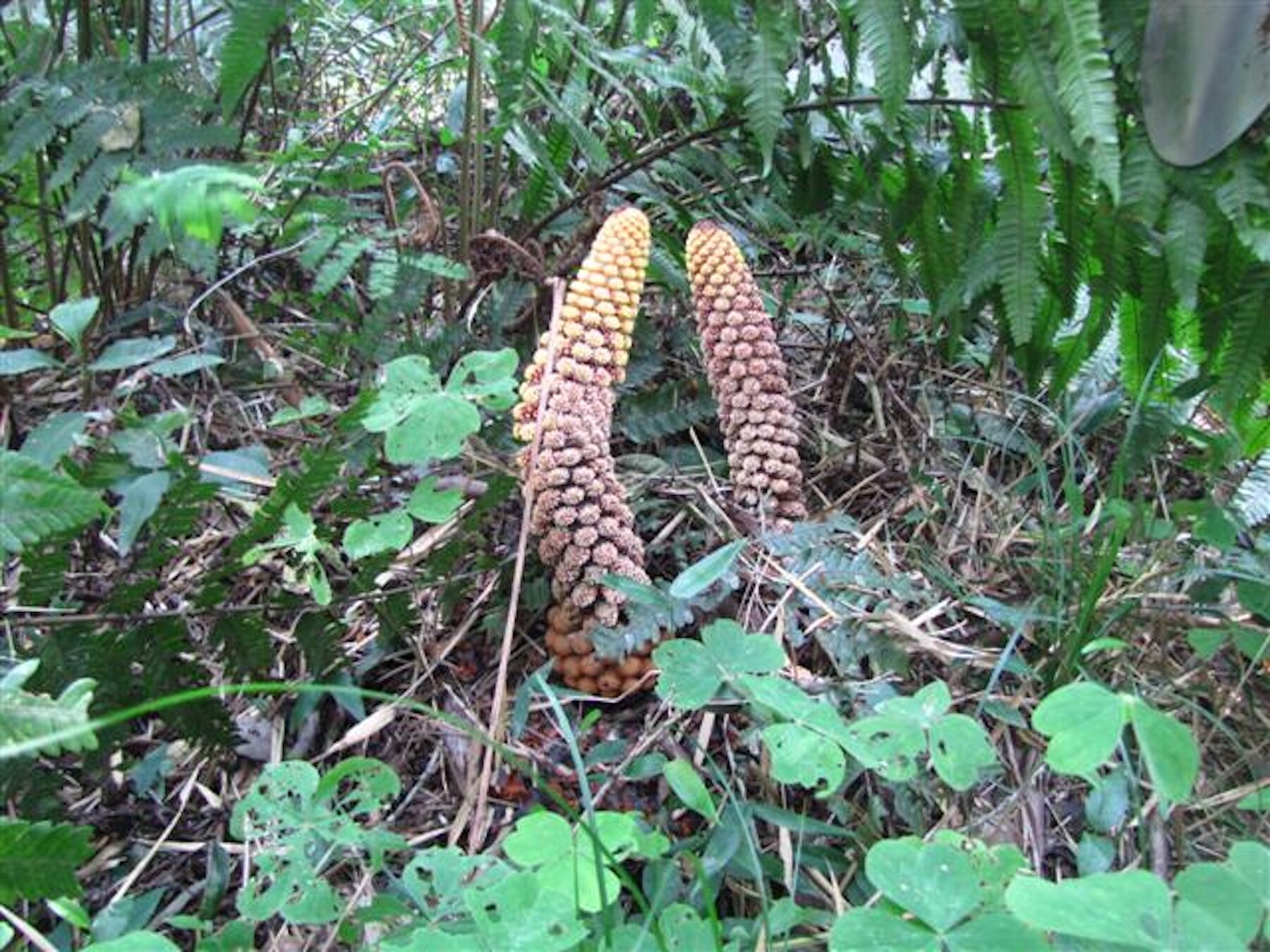
While HGT is well documented in microbes and bacteria, evidence of the process in plants has been far more limited. Now, researchers at Universidad Nacional de Cuyo in Argentina have documented one of the clearest examples yet in Lophophytum, a holoparasitic plant that survives by drawing water, nutrients, and energy from host plants rather than producing its own food through photosynthesis.
Their study, published in Proceedings of the Royal Society B, found that genes acquired from host plants did not merely accumulate in the parasite’s genome. In several cases, the foreign genes became functional and replaced the plant’s own mitochondrial genes.
An unexpected discovery inside a parasitic plant
For more than two decades, the research team has investigated how often horizontal gene transfer occurs between plants and what role it plays in evolution. Their attention has focused on mitochondrial genomes, which appear especially prone to acquiring foreign DNA.
According to senior author Maria Virginia Sanchez-Puerta, previous research showed that most transferred DNA ultimately serves no purpose.
“Most of the foreign DNA remains nonfunctional in the recipient plant and is eventually lost,” Sanchez-Puerta said. “This is expected because being expressed and becoming functional in the recipient plant is highly unlikely, given the barriers to foreign gene expression and evolutionarily unlikely, given the requirement for cytonuclear compatibility between mitochondrial and nuclear genes.”
That expectation made the team’s latest finding particularly surprising.
While examining gene transfers from host plants into Lophophytum, the researchers discovered that the parasite contained large amounts of host-derived mitochondrial DNA. Even more remarkably, several of those borrowed genes were actively functioning after replacing the plant’s native versions.
The discovery raised an important question: how had these foreign genes overcome the biological barriers that normally prevent transferred DNA from becoming functional?
Comparing two closely related species
To investigate, the researchers analyzed two closely related holoparasitic species: Lophophytum mirabile and Lophophytum pyramidale.
They sequenced and assembled the complete mitochondrial genomes of both plants before comparing them with the mitochondrial genomes of their host species. The team also carried out comparative genomic and phylogenetic analyses to determine whether the DNA regions controlling gene expression—known as promoters—came from the parasite or from the host.
In addition, the researchers sequenced RNA to examine whether the transferred genes underwent the molecular processing needed to function properly. This included analyzing intron splicing and RNA editing, two essential steps that can determine whether genetic instructions are correctly translated into working molecules.
As Sanchez-Puerta explained, the researchers wanted to determine “whether the DNA regions involved in foreign gene expression were native or foreign” and to study “the accuracy of the modifications that expressed genes required for functionality.”
Foreign genes functioning without host regulation
The analyses revealed that many of the parasite’s original mitochondrial genes had been successfully replaced by functional copies obtained from host plants.
Perhaps most strikingly, these transferred genes appeared capable of functioning without depending on the host plant’s nuclear regulatory systems. Instead, they relied entirely on the holoparasite’s own cellular machinery to become active.
The findings suggest that under the right circumstances, foreign mitochondrial genes can be incorporated into another species and operate using the recipient plant’s biological processes.
This represents one of the strongest documented examples of successful horizontal gene transfer in plants and helps explain how transferred genes can sometimes move beyond simply existing inside a genome to becoming fully functional components of it.
Why some transferred genes succeed
The researchers also identified features that appear to improve the odds that transferred genes will work inside their new host.
According to Sanchez-Puerta, natural selection favored foreign genes that retained native promoters, lacked introns, and required relatively little RNA editing.
“Natural selection mainly allowed the expression of foreign genes that kept native promoters, had no introns and carried low RNA editing requirements,” she said. “Those genes could become functional in the recipient plant.”
These characteristics may help transferred genes bypass many of the obstacles that usually prevent foreign DNA from being successfully expressed.
By identifying these conditions, the study offers insight into the evolutionary processes that allow genetic material from one species to become integrated into another.
New clues about genome evolution
Beyond documenting an unusual case of gene transfer, the research provides a broader window into how genomes can change over evolutionary time.
The work improves understanding of the limits of foreign gene expression and the biological mechanisms that can overcome those limits. It also establishes Lophophytum as an important system for studying interactions between parasitic plants and their hosts.
The researchers believe their findings could encourage further studies exploring horizontal gene transfer in other holoparasitic plants and examining how frequently functional gene replacement occurs in nature.
The next question: How does foreign DNA persist?
Having shown that host-derived genes can become functional inside Lophophytum, the researchers are now turning their attention to an even earlier stage of the process: how foreign DNA is initially acquired and maintained.
Sanchez-Puerta said the team plans to investigate a proposed mechanism they call Circle-mediated HGT. Under this model, foreign mitochondrial DNA could become circularized within the recipient plant’s mitochondria through short flanking repeats, creating circular chromosomes capable of replicating independently.
Testing that hypothesis could provide a clearer explanation for how foreign genetic material survives long enough to become integrated into a recipient plant’s genome and, in rare cases, replace its own genes.