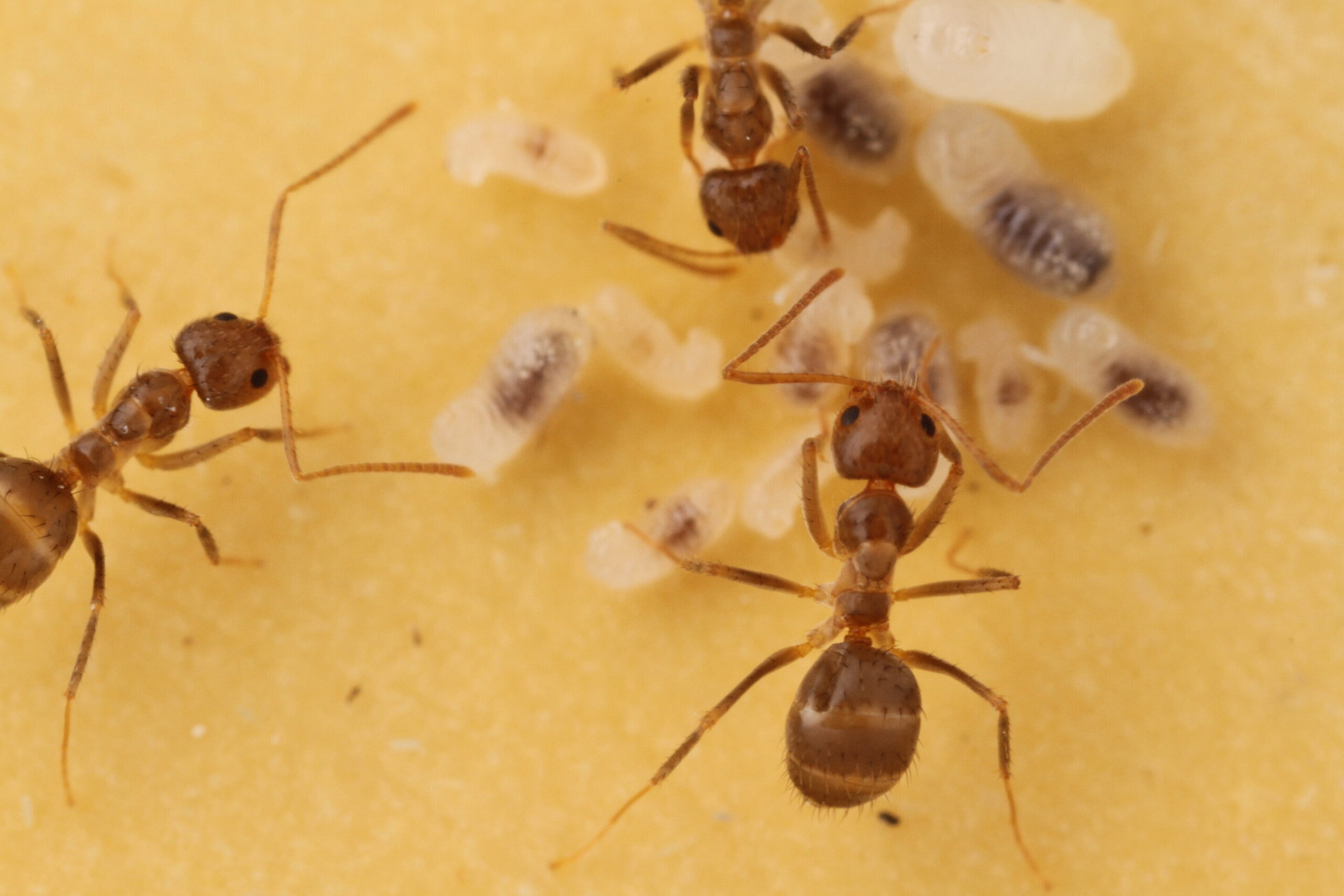
Across the warm, humid Gulf Coast of the United States—from Florida to Texas—a tiny insect has been quietly waging war on native wildlife, electronics, and even human patience. The tawny crazy ant, an invasive species originally from South America, gets its name from its erratic movements and chaotic behavior. For years, it has overrun ecosystems, displacing native ants, frogs, and insects, short-circuiting electrical systems, and forming massive “supercolonies” that seem impossible to control.
But now, scientists at The University of Texas at Austin have found a promising way to stop them—not with chemicals or traps, but with biology itself. By using a naturally occurring pathogen, researchers have learned how to collapse crazy ant colonies from within, allowing native species to recover. The discovery marks a breakthrough in one of America’s most persistent battles against an invasive species.
An Unlikely Ally: A Hidden Pathogen
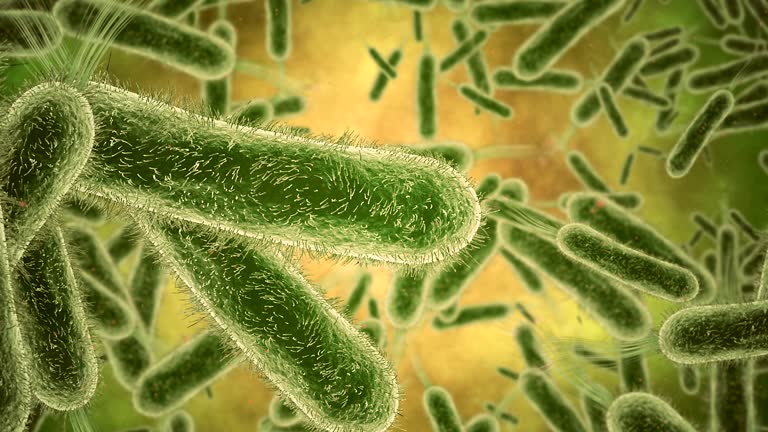
The story began more than a decade ago when researchers at UT’s Invasive Species Lab stumbled upon a curious observation. In Florida, they found some tawny crazy ants infected with a microscopic organism—a microsporidian, a type of natural pathogen that lives and reproduces inside the ants’ cells.
This tiny parasite didn’t infect other insects, mammals, or plants. It was harmless to native species but deadly to the tawny crazy ants themselves. Over time, infected colonies would collapse, their populations shrinking dramatically as the disease spread through the ants’ social network.
What made the discovery remarkable was how precisely the pathogen targeted its host. It could only spread when infected adult workers cared for the larvae—meaning it passed naturally from one generation to the next. In essence, the ants’ own nurturing instincts carried their downfall.
To scientists, this pathogen was a perfect candidate for biological control—a natural, self-sustaining solution that could suppress invasive ant populations without harming the environment. But as the researchers soon learned, releasing the pathogen into the wild was not as easy as it seemed.
The Puzzle of Failed Field Trials
On paper, the solution looked simple. Tawny crazy ants across the southeastern U.S. are part of the same vast genetic “supercolony.” Ants from Texas, Louisiana, and Florida recognize each other as kin and readily mix when brought together. That meant the pathogen could, in theory, spread rapidly from one infected group to another.
Yet, when scientists tried introducing infected ants into healthy colonies in the field, nothing happened. The infection didn’t spread. Colonies stayed strong, their populations booming as ever. In the controlled environment of the laboratory, the method worked flawlessly—but out in nature, it failed time and again.
What was going wrong?
To Edward LeBrun, a research scientist in UT Austin’s Department of Integrative Biology, the answer lay not in the pathogen, but in the ants’ behavior. Crazy ants, like many social insects, have evolved complex collective defenses against disease—what researchers call social immunity.
The Secret of “Architectural Immunity”
In nature, ant colonies aren’t simple piles of dirt. They are sophisticated structures—multi-chambered labyrinths with separate areas for different tasks. Some chambers house the queen and brood, others serve as food storage, and others are used for waste and corpse disposal.
This spatial organization is crucial to colony health. It allows ants to quarantine the sick, keep the vulnerable young safe, and limit the spread of pathogens. LeBrun and his team hypothesized that this nest structure—what they later called architectural immunity—was the missing piece.
To test their idea, they ran a simple experiment. They built two types of artificial nests in the lab: one with multiple chambers, mimicking natural nests, and another with a single open chamber. The results were striking.
Colonies in multi-chambered nests successfully prevented infection from reaching their developing larvae. The disease stayed confined to the outer chambers, where infected ants worked or died. But in the single-chamber nests, the infection spread rapidly, killing the colony.
For the first time, scientists had direct evidence that the structure of an ant nest itself plays a critical role in disease prevention—an insight that parallels how architecture affects disease spread in human societies.
“This is the first demonstration that nest spatial structure allows social immune behaviors to prevent diseases from reaching the colony core,” LeBrun explained. “It’s essentially an immune system built out of architecture.”
The Ants’ Social Distancing
The team also uncovered the fascinating social behaviors that make this “architectural immunity” work. When infected ants were introduced near the queen, they didn’t stay there. Instead, they migrated to the outer edges of the nest, taking on high-risk tasks like corpse removal and foraging. In other words, they self-isolated.
At the same time, uninfected ants stayed near the center, close to the queen and larvae. The two groups interacted less and less. Infected ants even removed the bodies of their dead, ensuring that healthy ants didn’t come into contact with infectious material.
Occasionally, fights broke out between infected and uninfected ants—suggesting that the healthy workers could somehow detect the infection and tried to protect the colony from it. The result was a kind of instinctive quarantine, not unlike the social distancing measures humans use during pandemics.
LeBrun’s team realized that this behavior wasn’t unique to the tawny crazy ants—it was part of a broader set of evolved responses that ants use to limit disease outbreaks. “Like humans,” LeBrun said, “ants have a conserved suite of behaviors to defend against pathogens—quarantine, hygiene, and the isolation of the sick.”
A Breakthrough in the Field
Armed with these new insights, the researchers rethought their approach to introducing the pathogen in the wild. Previously, they had tried to be gentle—placing infected ants on food trails or near nests without disturbing the colony. But now they understood that a calm, organized colony could successfully quarantine the disease before it spread.
The solution was counterintuitive but effective: chaos.
“The way we do it now,” LeBrun explained, “is we destroy the nest—we just tear it up—and then we introduce infected ants.”
By breaking apart the nest, the team forced all the ants—infected and uninfected alike—to relocate together. As they rebuilt their colony, the natural social order broke down long enough for the pathogen to spread through the population. Once it reached the brood, the infection became permanent, and within months, the entire colony began to collapse.
Today, this method has proven remarkably reliable. For the first time, scientists can consistently introduce the pathogen into uninfected tawny crazy ant supercolonies in the field. Once established, the infection spreads naturally from one colony to another, slowly dismantling the invasive network that had dominated the Gulf Coast for decades.
A Victory for Native Ecosystems
The decline of crazy ants has already brought visible benefits. Native ants, insects, and small animals are returning to areas once overrun by invasive colonies. The delicate balance of local ecosystems—disrupted for years—is beginning to heal.
Unlike chemical pesticides, which can harm non-target species and require constant reapplication, this biological control works quietly and sustainably. The pathogen doesn’t affect other organisms, and its spread is self-limiting, tied to the behavior of the ants themselves.
It’s a rare success story in the fight against invasive species—a triumph of ecological understanding over brute force.
Lessons from the Ants
Beyond its immediate impact, the study also offers a profound lesson about the resilience and intelligence of nature. Ant societies, though tiny, exhibit social and behavioral strategies that mirror human approaches to disease management—quarantine, sanitation, and even self-sacrifice.
In studying how ants defend themselves, scientists have uncovered not just a way to stop an invader, but a glimpse into the universal logic of survival. Life, whether human or insect, adapts through cooperation, communication, and balance.
And sometimes, the key to saving an ecosystem lies not in destroying the enemy, but in letting nature’s own checks and balances do the work.
More information: Edward G. LeBrun et al, Social immunity in a supercolonial invasive ant: Nest structure confers immune function, Journal of Animal Ecology (2025). DOI: 10.1111/1365-2656.70171