Anger is one of the most familiar yet misunderstood human emotions. It can flare suddenly, like a spark touching dry grass, or smolder quietly beneath the surface for years. It can feel empowering or humiliating, righteous or deeply regrettable. At times, anger fuels social change and personal boundary-setting; at other moments, it damages relationships, health, and self-understanding. To lose one’s cool is not merely a lapse in manners or self-control. It is a complex biological, psychological, and social event that unfolds across the brain, the body, and the mind.
To understand anger anatomically is to look beneath the surface of clenched jaws and raised voices and examine what is happening inside us when this emotion takes hold. Anger is not a single reaction but a cascade of processes involving neural circuits, hormones, memories, beliefs, and cultural learning. It is both ancient and immediate, shaped by evolution and personal history alike. By examining anger through the lens of science, we gain not only knowledge, but also compassion—for ourselves and for others—because we begin to see anger not as a moral failure, but as a signal arising from deeply embedded systems designed to protect us.
Defining Anger as an Emotion
Anger belongs to a family of emotions often described as “basic” or “core,” meaning that it appears across cultures and throughout human development. From an evolutionary perspective, anger evolved as a response to threat, injustice, or obstruction. When something blocks a goal, violates a boundary, or endangers survival, anger mobilizes the organism to act. It sharpens attention, increases energy, and prepares the body for confrontation.
Psychologically, anger is classified as an approach-oriented emotion. Unlike fear, which encourages withdrawal, anger pushes the individual toward the source of frustration. This distinction is crucial. Anger is not simply about feeling bad; it is about being motivated to change a situation. The subjective experience of anger often includes irritation, resentment, outrage, or fury, but beneath these variations lies a common structure: the perception that something is wrong and must be addressed.
Importantly, anger is not synonymous with aggression. Aggression refers to behavior intended to harm, while anger is an internal emotional state. One can feel intense anger without acting aggressively, and one can act aggressively without feeling angry. Understanding this distinction helps disentangle the emotion from its most destructive expressions and opens the door to healthier ways of responding.
The Evolutionary Roots of Anger
Anger did not arise by accident. In ancestral environments, survival depended on the ability to defend resources, deter threats, and assert social standing. Anger functioned as a biological alarm system, signaling that something essential—food, safety, status, or kin—was under threat. The physiological changes associated with anger increased the likelihood of effective action in these situations.
From an evolutionary standpoint, anger also played a role in social negotiation. Displays of anger could signal strength, deter exploitation, or enforce norms within a group. Individuals who failed to respond to repeated injustices may have been perceived as weak or untrustworthy, reducing their chances of cooperation and protection. Thus, anger became intertwined with social dynamics, morality, and fairness.
However, the environments in which anger evolved differ dramatically from the modern world. Today, threats are often abstract, chronic, or symbolic rather than immediate and physical. Traffic jams, workplace conflicts, online insults, and systemic inequalities activate the same ancient systems designed for short bursts of physical danger. This mismatch between evolutionary design and modern context helps explain why anger can feel overwhelming or maladaptive in contemporary life.
The Brain on Anger
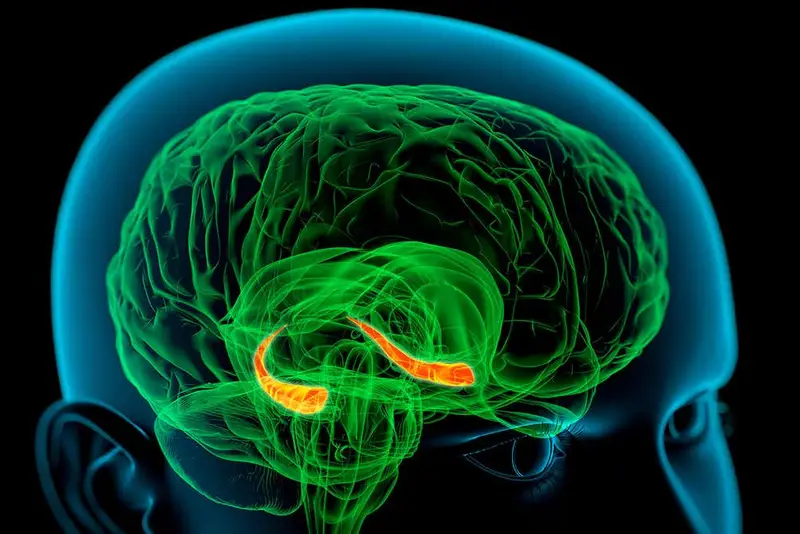
When anger erupts, the brain becomes a hub of rapid communication between multiple regions. Central to this process is the amygdala, an almond-shaped structure deep within the temporal lobes. The amygdala acts as an emotional sentinel, constantly scanning incoming sensory information for signs of threat or significance. When it detects something perceived as unjust, threatening, or obstructive, it can trigger an emotional response before conscious thought fully engages.
The amygdala communicates with the hypothalamus, which serves as a bridge between the nervous system and the endocrine system. This connection initiates the release of stress hormones and activates the autonomic nervous system. At the same time, activity in the prefrontal cortex—the region associated with reasoning, impulse control, and perspective-taking—may be reduced. This shift explains why anger often feels immediate and overwhelming, and why people sometimes say or do things they later regret.
Neuroscientific studies using brain imaging have shown that intense anger is associated with increased activity in limbic regions and decreased regulatory influence from frontal areas. This does not mean that reason disappears entirely, but rather that the balance shifts toward rapid, emotionally driven responses. The brain prioritizes action over reflection, a strategy that once conferred survival advantages but can cause problems in complex social environments.
The Role of Neurotransmitters and Hormones
Anger is not only a neural phenomenon but also a chemical one. Neurotransmitters such as dopamine, serotonin, and norepinephrine play key roles in shaping how anger is experienced and expressed. Dopamine, often associated with reward and motivation, can intensify the drive to confront or correct a perceived wrong. Norepinephrine increases arousal and alertness, sharpening focus on the source of anger.
Serotonin, which is involved in mood regulation and impulse control, tends to have an inhibitory effect on aggression. Lower levels of serotonin have been associated with increased irritability and difficulty regulating anger. This relationship helps explain why certain mood disorders and stress-related conditions involve heightened anger responses.
Hormones released during anger further amplify its effects. Adrenaline and noradrenaline prepare the body for immediate action by increasing heart rate, blood pressure, and energy availability. Cortisol, a stress hormone, helps mobilize resources but can also impair cognitive flexibility when elevated for prolonged periods. These chemical changes are adaptive in short-term crises but can be harmful if anger becomes chronic.
The Body’s Physical Response to Anger
Anger is felt viscerally because it involves the entire body. As the sympathetic branch of the autonomic nervous system activates, muscles tense, breathing becomes rapid and shallow, and blood is redirected toward large muscle groups. This physiological state, often described as the “fight” component of the fight-or-flight response, prepares the body for confrontation.
The cardiovascular system responds quickly. Heart rate accelerates, and blood pressure rises, delivering oxygen and glucose to tissues that may be needed for action. The liver releases stored glucose into the bloodstream, providing an immediate energy boost. At the same time, digestion slows, as the body temporarily deprioritizes long-term maintenance in favor of immediate survival.
These physical sensations contribute to the subjective feeling of anger. The heat in the chest, the tightness in the jaw, and the urge to move or speak forcefully are not mere metaphors; they are the embodied expression of a coordinated biological response. Understanding this embodiment helps explain why anger can feel so compelling and difficult to suppress.
The Cognitive Appraisal of Anger
Anger does not arise solely from external events; it depends on how those events are interpreted. Cognitive appraisal refers to the mental process by which a situation is evaluated in terms of its meaning and implications. Two people can experience the same event and respond with vastly different levels of anger, depending on their beliefs, expectations, and past experiences.
Perceptions of intentionality play a crucial role. Anger is more likely when a harm is perceived as deliberate rather than accidental. Similarly, judgments about fairness and responsibility shape anger responses. Situations that violate deeply held values or moral norms often elicit strong anger because they threaten one’s sense of justice and order.
Memory also influences appraisal. Past experiences of betrayal, rejection, or humiliation can sensitize individuals to certain triggers, making anger more likely in similar situations. These cognitive patterns are not always conscious, but they shape emotional reactions in powerful ways. Over time, habitual appraisals can reinforce chronic anger, turning specific incidents into generalized resentment.
Anger and Identity
Anger is intimately connected to identity because it often arises when something central to the self feels threatened. This could involve personal dignity, social status, cultural values, or moral beliefs. When anger flares, it is often because the individual feels disrespected, dismissed, or wronged in a way that strikes at the core of who they are.
Social identity further complicates this dynamic. Group affiliations—such as nationality, religion, profession, or ideology—can amplify anger when perceived threats target the group rather than the individual alone. Collective anger has played a powerful role in history, fueling both movements for justice and episodes of violence. In these contexts, anger becomes a shared emotional experience, reinforced by narratives and symbols that shape group cohesion.
Understanding the link between anger and identity helps explain why some conflicts feel so intractable. When anger is tied to deeply held values or group membership, it is not easily resolved by simple compromises. Addressing such anger requires acknowledging its emotional and symbolic dimensions, not just its surface causes.
The Development of Anger Across the Lifespan
Anger is present from early childhood, but its expression and regulation change over time. Infants display distress and frustration long before they can articulate emotions. As children grow, they gradually learn to identify anger, understand its causes, and regulate their responses. This learning is shaped by caregivers, social norms, and cultural expectations.
During adolescence, changes in brain development contribute to heightened emotional reactivity. The limbic system matures earlier than the prefrontal cortex, creating a temporary imbalance that can intensify anger and impulsivity. This developmental phase is not a flaw but a transitional stage, as regulatory capacities continue to strengthen into early adulthood.
In adulthood, anger often becomes more complex, intertwined with long-term goals, responsibilities, and relationships. Chronic stress, perceived injustice, and unmet expectations can all influence how anger is experienced. In later life, emotional regulation often improves, with many individuals reporting less frequent and less intense anger, although this pattern varies widely depending on health, environment, and personal history.
Cultural Shaping of Anger
Culture plays a profound role in shaping how anger is expressed, interpreted, and valued. Some cultures encourage open expression of anger as a sign of honesty and strength, while others emphasize restraint and harmony. These norms influence not only behavior but also emotional experience itself, as individuals learn which feelings are acceptable and which should be suppressed.
Language reflects cultural attitudes toward anger. The words available to describe anger, and the metaphors used to convey it, shape how people understand their own emotions. Cultural narratives about honor, respect, and justice further influence what triggers anger and how it is resolved.
Misunderstandings about anger often arise in cross-cultural interactions. Behaviors perceived as aggressive in one culture may be seen as assertive or passionate in another. Recognizing the cultural context of anger does not mean excusing harmful behavior, but it does provide a more nuanced understanding of emotional expression.
Anger, Stress, and Chronic Activation
While anger is designed to be a short-term response, modern life often keeps the anger system activated for extended periods. Chronic stress, ongoing conflict, and repeated experiences of frustration can lead to persistent anger or irritability. In these cases, the physiological systems involved in anger remain partially engaged, even in the absence of immediate threats.
Chronic activation of stress and anger pathways has significant health implications. Prolonged elevation of cortisol and other stress hormones can affect cardiovascular health, immune function, and metabolic regulation. Research has linked chronic anger and hostility to increased risk of hypertension, heart disease, and inflammatory conditions.
Psychologically, chronic anger can narrow attention, reinforce negative thinking patterns, and erode empathy. It can become self-sustaining, as angry interpretations of events generate further anger. Breaking this cycle requires addressing both external stressors and internal patterns of appraisal and regulation.
The Social Consequences of Losing One’s Cool
Anger is inherently relational. Even when experienced alone, it is often directed toward real or imagined others. When anger is expressed openly, it can have immediate social consequences. Raised voices, harsh words, or aggressive gestures can damage trust and escalate conflict, particularly when others respond defensively.
At the same time, suppressing anger entirely can also have social costs. Unexpressed anger may surface indirectly through sarcasm, withdrawal, or passive resistance, creating confusion and resentment. Healthy social functioning depends not on the absence of anger, but on its effective communication and resolution.
Social neuroscience research suggests that anger expression influences how others perceive intentions and status. Displays of controlled anger can sometimes increase perceived competence or authority, while uncontrolled rage tends to undermine credibility. These dynamics highlight the importance of regulation rather than elimination.
Anger and Moral Judgment
Anger is closely tied to moral evaluation. People often feel angry when they perceive violations of ethical norms, whether these involve personal harm or broader social injustices. Moral anger can motivate altruistic behavior, protest, and reform. In this sense, anger has played a crucial role in advancing human rights and social progress.
However, moral anger can also become self-righteous and polarizing. When individuals or groups view their anger as unquestionably justified, they may become less open to dialogue and more prone to dehumanizing opponents. Neuroscientific studies suggest that strong moral emotions can reduce cognitive flexibility, making compromise more difficult.
Understanding moral anger requires balancing its motivational power with humility and reflection. Recognizing that anger signals perceived wrongdoing does not guarantee that the perception is accurate or complete. Scientific insight into anger encourages careful examination of both emotional impulses and ethical reasoning.
Regulating Anger Without Denying It
Regulation of anger does not mean suppressing or invalidating the emotion. Effective regulation involves recognizing anger, understanding its sources, and choosing how to respond. The prefrontal cortex plays a central role in this process, integrating emotional signals with contextual information and long-term goals.
Psychological research has shown that strategies such as cognitive reappraisal—reframing how a situation is interpreted—can reduce anger intensity. Attention to bodily cues, such as breathing and muscle tension, can also interrupt the physiological escalation of anger. These processes are not instant fixes but skills that develop through practice and self-awareness.
Importantly, regulation is influenced by social support and environmental factors. Feeling heard and understood can reduce anger more effectively than being told to calm down. This underscores the relational nature of anger and the importance of empathy in emotional regulation.
When Anger Becomes Pathological
While anger is a normal emotion, it can become problematic when it is disproportionate, persistent, or difficult to control. Certain psychological conditions involve heightened anger or irritability, reflecting dysregulation in emotional processing systems. In these cases, anger may no longer serve its adaptive function and instead contribute to distress and impairment.
Neurobiological factors, including differences in neurotransmitter systems and brain connectivity, can influence vulnerability to problematic anger. Early life stress and trauma also play significant roles, shaping emotional responses and coping mechanisms. Understanding these influences helps shift the focus from blame to treatment and support.
Scientific approaches to managing pathological anger emphasize evidence-based interventions that address both biological and psychological components. These approaches aim not to eliminate anger, but to restore balance and flexibility in emotional responses.
Anger as Information
One of the most constructive ways to understand anger is to view it as information rather than instruction. Anger communicates that something feels wrong, unfair, or threatening. It draws attention to unmet needs, violated boundaries, or unresolved conflicts. However, the presence of anger does not dictate a specific course of action.
By separating the signal from the response, individuals can use anger as a guide rather than a driver. This perspective aligns with neuroscientific understanding, recognizing that emotions provide rapid assessments of significance but require higher-order processing to translate into wise action.
This informational view of anger also fosters self-compassion. Instead of judging oneself for feeling angry, one can become curious about its origins and meaning. Such curiosity creates space for insight, growth, and change.
The Human Story of Anger
Anger has shaped human history, literature, and personal lives in profound ways. It appears in ancient epics, religious texts, and modern narratives as both a destructive force and a catalyst for transformation. Science does not strip anger of its emotional richness; rather, it reveals the intricate systems that give rise to this powerful experience.
To lose one’s cool is to momentarily hand control to ancient neural circuits designed for survival. This does not make anger shameful or irrational. It makes it human. By understanding the anatomy of anger—its roots in the brain, body, mind, and society—we gain the ability to respond with greater awareness and responsibility.
Anger will always be part of the human emotional landscape. The goal is not to eradicate it, but to understand it deeply enough that it serves life rather than undermines it. In this understanding lies the possibility of transforming anger from a force of destruction into a source of insight, motivation, and, ultimately, wisdom.