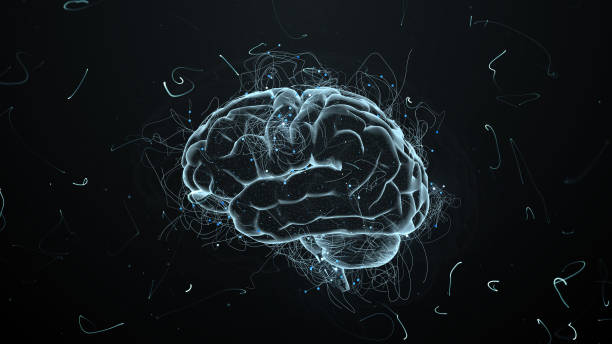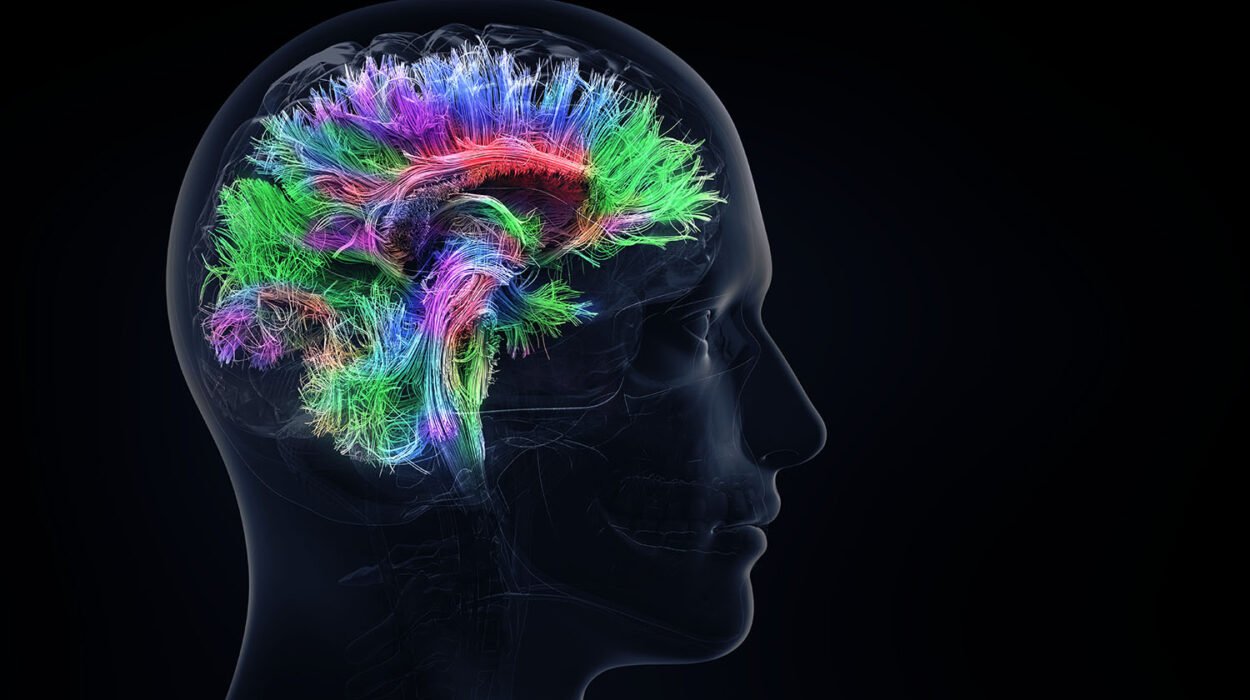
The idea that the human mind can be dramatically upgraded has always carried a special kind of magic. Long before modern science, people searched for elixirs, sacred plants, and mystical rituals that promised sharper thinking, clearer memory, and heightened awareness. In recent decades, this ancient dream has taken on a modern name: nootropics. Popular culture, especially films and novels, has amplified this fascination, portraying pills that unlock hidden mental powers and transform ordinary people into intellectual giants overnight. Yet behind the cinematic glow lies a more complicated, quieter, and far more human story.
At its core, the question is not merely whether nootropics work, but why we want them to work so badly. Intelligence has become one of the most valued currencies of modern life. We measure it, compete over it, and link it to success, creativity, and even worth. In a world that rewards speed, productivity, and constant mental performance, the promise of cognitive enhancement feels almost irresistible. But science does not move at the speed of desire, and the human brain is not a simple machine waiting for an upgrade.
What Intelligence Really Means in Science
Before asking whether nootropics can enhance intelligence, it is essential to understand what intelligence actually is. In everyday language, intelligence is often treated as a single trait, something you either have a lot of or very little of. Science paints a far richer picture. Intelligence is not one thing but many interwoven abilities, including memory, attention, problem-solving, reasoning, learning speed, creativity, emotional regulation, and social understanding.
Neuroscience shows that these abilities arise from complex networks spread across the brain. Billions of neurons communicate through trillions of connections, shaped by genetics, development, experience, emotion, sleep, nutrition, and environment. Intelligence is not stored in a single location, nor does it operate independently of mood, motivation, or physical health. It is dynamic, context-dependent, and deeply personal.
This complexity matters because it sets limits on what any substance can realistically do. Enhancing one cognitive function does not automatically improve others. Improving focus may not improve creativity. Boosting alertness may not improve reasoning. Any claim that a single pill can broadly elevate intelligence must confront this scientific reality.
The Birth of Nootropics as a Scientific Idea
The term “nootropic” was introduced in the twentieth century to describe substances that could enhance cognitive function without significant side effects. The original scientific vision was modest and cautious. Early researchers were not searching for superintelligence but for ways to protect the brain, support memory, and improve learning, especially in aging or injured brains.
In this original definition, a true nootropic would improve brain function while being safe, non-toxic, and supportive of overall neural health. This vision stands in sharp contrast to the way the term is used today, where it has become a marketing label applied to everything from caffeine blends to experimental compounds.
The scientific roots of nootropics were grounded in neurology and pharmacology, not fantasy. Researchers hoped to understand how chemicals influence neurotransmitters, blood flow, metabolism, and plasticity in the brain. Their findings, while valuable, were far more nuanced than popular narratives suggest.
How the Brain Responds to Cognitive-Enhancing Substances
The brain operates through electrochemical signaling. Neurons communicate using neurotransmitters such as dopamine, serotonin, acetylcholine, glutamate, and GABA. Cognitive-enhancing substances typically influence these systems in some way, either by increasing neurotransmitter levels, altering receptor sensitivity, or changing how neurons fire.
Stimulants, for example, often increase alertness and attention by boosting dopamine and norepinephrine activity. Substances that affect acetylcholine may influence memory and learning. Others alter blood flow or energy metabolism in the brain, potentially supporting mental endurance.
However, the brain is finely balanced. Neurotransmitter systems do not operate in isolation. Changing one system often affects others, sometimes in unpredictable ways. The brain also adapts over time, adjusting receptor sensitivity and signaling patterns. This adaptability, known as neuroplasticity, is one of the brain’s greatest strengths, but it also means that the effects of cognitive enhancers can diminish, reverse, or create dependence.
The Difference Between Enhancement and Optimization
One of the most important distinctions in this debate is the difference between enhancement and optimization. Enhancement implies going beyond normal human capacity, pushing intelligence into new territory. Optimization, by contrast, means helping the brain function closer to its natural potential.
Much of what nootropics actually do falls into the category of optimization rather than enhancement. If someone is sleep-deprived, stressed, malnourished, or struggling with attention, certain substances may help restore more normal functioning. In such cases, the experience can feel like becoming smarter, when in reality it is more like removing obstacles that were holding cognitive performance back.
This distinction explains why some people report dramatic benefits while others feel little or nothing. A person starting from a state of cognitive strain may notice significant improvement, while someone already functioning well may see minimal change. The brain has ceilings shaped by biology, and chemistry alone cannot erase them.
Caffeine as the Most Familiar Cognitive Enhancer
Caffeine is the most widely used psychoactive substance in the world, and it offers a useful lens through which to understand nootropics. It reliably increases alertness, reduces perceived fatigue, and can improve attention and reaction time. For many people, it feels like a mental boost.
Yet caffeine does not increase intelligence in a fundamental sense. It does not make people reason more deeply or learn more effectively in the long term. Instead, it temporarily shifts the brain into a more alert state by blocking adenosine, a chemical associated with sleep pressure. The result is a clearer, more wakeful mind, not a smarter one.
Over time, the brain adapts to caffeine, reducing its effects and creating dependence. This pattern illustrates a broader truth about cognitive enhancers: short-term improvements do not necessarily translate into lasting cognitive gains.
Prescription Stimulants and the Illusion of Intelligence
Prescription stimulants used for attention-related disorders are often cited in discussions of nootropics. These substances can significantly improve focus, impulse control, and task persistence in individuals with specific neurological profiles. For those individuals, the effect can be life-changing.
In healthy individuals, however, the picture is more complicated. Research shows that stimulants may improve performance on simple, repetitive tasks and increase motivation, but they do not reliably improve complex reasoning or creativity. In some cases, they can even impair flexible thinking by narrowing focus too much.
The subjective feeling of being smarter under stimulants often comes from increased confidence and drive rather than genuine cognitive enhancement. This gap between perception and reality is a recurring theme in the nootropics conversation.
Memory, Learning, and the Limits of Chemical Support
Memory and learning are among the most sought-after targets for cognitive enhancement. Certain substances influence neurotransmitter systems involved in memory formation, particularly those related to acetylcholine. In laboratory settings, some compounds show modest effects on specific memory tasks.
However, memory is not a single process. It involves encoding, consolidation, storage, and retrieval, all shaped by attention, emotion, sleep, and meaning. Chemicals can influence some of these stages, but they cannot replace the deep neural changes that come from practice, understanding, and experience.
Long-term learning depends heavily on sleep, repetition, emotional engagement, and context. No substance has been shown to bypass these requirements. At best, some may support conditions that make learning easier, such as alertness or focus, but they do not implant knowledge or understanding.
Creativity and the Myth of the Genius Pill
Creativity occupies a special place in the imagination of cognitive enhancement. The idea that a pill could unlock hidden genius or artistic brilliance is deeply seductive. Yet creativity is one of the most complex and least understood aspects of cognition.
Scientific evidence suggests that creativity involves a delicate balance between focused attention and spontaneous thought, between control and freedom. Some substances that increase focus may actually reduce creative flexibility. Others that alter perception or mood may increase idea generation but reduce coherence or execution.
There is no reliable evidence that nootropics can consistently enhance creativity in healthy individuals. Creative breakthroughs are deeply tied to experience, emotional depth, curiosity, and long periods of incubation. Chemistry alone cannot manufacture these conditions.
The Role of Placebo and Expectation
One of the most powerful forces shaping experiences with nootropics is expectation. The brain is highly sensitive to belief. When people expect a substance to make them smarter, more focused, or more productive, they often experience changes that feel real and meaningful.
This placebo effect is not imaginary; it reflects genuine changes in brain activity driven by expectation and motivation. In cognitive performance, belief can influence effort, confidence, and persistence, all of which affect outcomes.
This does not mean that all reported benefits of nootropics are placebo, but it does mean that subjective experience cannot be taken at face value as evidence of true cognitive enhancement. Separating chemical effects from psychological ones is one of the greatest challenges in this field.
Long-Term Brain Health and Hidden Costs
Short-term cognitive effects often dominate discussions of nootropics, but long-term brain health is equally important. The brain evolved under specific biological constraints, and chronic chemical manipulation can have consequences that unfold slowly.
Some substances alter neurotransmitter systems in ways that may affect mood, sleep, emotional regulation, or motivation over time. Others may interfere with natural plasticity, reducing the brain’s ability to adapt without chemical support.
Scientific research on long-term use of many nootropics in healthy individuals is limited. Absence of evidence is not evidence of absence, and caution is warranted. The desire for immediate cognitive gains must be balanced against the unknown costs of sustained intervention.
Intelligence as a Product of Environment and Experience
One of the most overlooked aspects of intelligence is its dependence on environment. Education, culture, nutrition, physical activity, social interaction, and emotional safety all shape cognitive development. These factors influence brain structure and function in ways no pill can replicate.
Exercise, for example, has well-documented benefits for brain health, supporting blood flow, neurogenesis, and mood regulation. Sleep plays a critical role in memory consolidation and emotional balance. Meaningful learning reshapes neural networks through repeated activation.
When compared to these foundational influences, the effects of nootropics appear modest. The most powerful cognitive enhancements available to humans remain behavioral and environmental, not pharmacological.
The Ethical Dimension of Cognitive Enhancement
The question of nootropics is not purely scientific; it is also ethical. If cognitive enhancement were possible, who would have access? Would it increase inequality? Would people feel pressured to use substances to remain competitive?
Even the perception that intelligence can be chemically enhanced raises concerns. It risks reducing human worth to performance metrics and productivity. It may shift attention away from creating environments that nurture learning, creativity, and well-being for all.
Ethics also demands honesty. Exaggerated claims exploit hope and insecurity, turning the human desire for growth into a market opportunity. Scientific accuracy becomes a moral responsibility when dealing with the mind.
Why the Limitless Myth Persists
The myth of limitless intelligence persists because it speaks to something deeply human. We are aware of our mental limits. We forget, lose focus, feel overwhelmed, and struggle to keep up. In a fast-moving world, these experiences can feel like personal failures rather than natural aspects of being human.
Nootropics promise control. They offer the idea that limitations are chemical problems with chemical solutions. This narrative is comforting, but it oversimplifies the reality of the brain and the nature of intelligence.
The myth also thrives because progress in neuroscience is real. We are learning more about the brain than ever before. This knowledge creates the impression that total mastery is just around the corner, even when the evidence suggests otherwise.
What Science Actually Supports
Scientific research supports a more restrained conclusion. Certain substances can improve specific cognitive functions under specific conditions, particularly when addressing deficits or fatigue. These effects are often small, context-dependent, and temporary.
There is no credible evidence that nootropics can dramatically or permanently increase general intelligence in healthy individuals. Intelligence remains a product of biology, development, experience, and environment, shaped over time rather than unlocked overnight.
This conclusion may feel disappointing, but it is also liberating. It shifts attention away from shortcuts and toward sustainable paths of growth.
Rethinking Human Potential
Perhaps the most valuable insight from the nootropics debate is not about pills but about perspective. Human intelligence is not a static resource waiting to be chemically upgraded. It is a living process, shaped by curiosity, effort, connection, and meaning.
Growth often comes from struggle, not ease. Deep understanding develops through engagement, not stimulation. Creativity emerges from lived experience, not optimization.
By chasing the myth of limitless enhancement, we risk overlooking the extraordinary capacities we already possess. The human brain is not limited because it lacks chemicals; it is limited because it is human, and those limits are part of what make intelligence meaningful.
The Future of Cognitive Science and Humility
As neuroscience advances, new tools and therapies will undoubtedly emerge. Some may genuinely help people with cognitive impairments or neurological conditions. Others may modestly support performance in specific contexts.
But science also teaches humility. The brain is the most complex object we know. Each discovery reveals new layers of complexity rather than simple solutions. The future of cognitive science is likely to be richer, not simpler.
True progress will come from integrating biology, psychology, education, and ethics, rather than searching for a single chemical answer to human aspiration.
Conclusion: Beyond the Pill
The question of whether nootropics can truly enhance human intelligence leads us to a deeper realization. Intelligence is not a switch to be flipped or a level to be unlocked. It is a relationship between the brain, the body, the world, and experience.
Nootropics may offer small, situational benefits, but they cannot fulfill the fantasy of limitless mental power. That fantasy reflects our hopes more than scientific reality.
In the end, the most profound enhancement available to humans may be understanding itself: understanding how the brain works, how learning happens, and how to create conditions that allow intelligence to flourish naturally. The mind does not need to be hacked to be extraordinary. It already is, in ways far more subtle, resilient, and meaningful than any pill could promise.