Addiction does not begin as a moral failure, a lack of willpower, or a deliberate choice to lose control. It begins much earlier, in places far quieter and deeper than conscious intention. It begins in the brain’s ancient machinery, in systems designed to help us survive, connect, and feel alive. To understand why we get addicted, we must look beyond behavior and into biology, beyond shame and into circuitry, beyond judgment and into the fragile, powerful architecture of the human mind.
Addiction is, at its core, a story about learning, memory, motivation, and emotion. It is about how the brain comes to want something too much, how desire hardens into compulsion, and how impulse overwhelms reflection. This story is not limited to drugs or alcohol. It applies to food, gambling, social media, pornography, shopping, gaming, and even work. The objects change, but the underlying neural story remains strikingly similar.
Understanding addiction through neuroscience does not remove responsibility, but it replaces cruelty with clarity. It shows us that cravings are not random urges, but signals shaped by evolution, experience, and neurochemistry. It reveals that impulse is not weakness, but a powerful force once essential for survival, now hijacked by modern stimuli. Most importantly, it reminds us that addiction is human. It arises from the same brain systems that allow us to love, learn, and hope.
The Brain’s Reward System: A Design for Survival
Long before humans invented drugs, casinos, or smartphones, the brain evolved a reward system to solve a simple problem: how to motivate behavior essential for survival. Eating, drinking, reproducing, and social bonding are not optional. They must feel rewarding, or organisms would not pursue them consistently enough to survive.
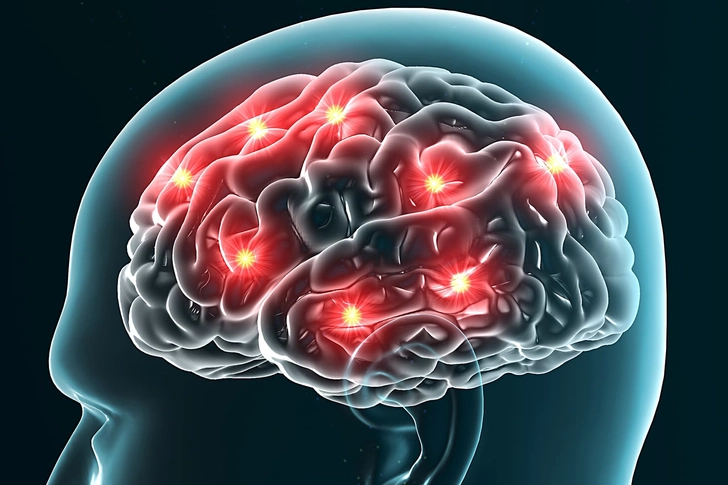
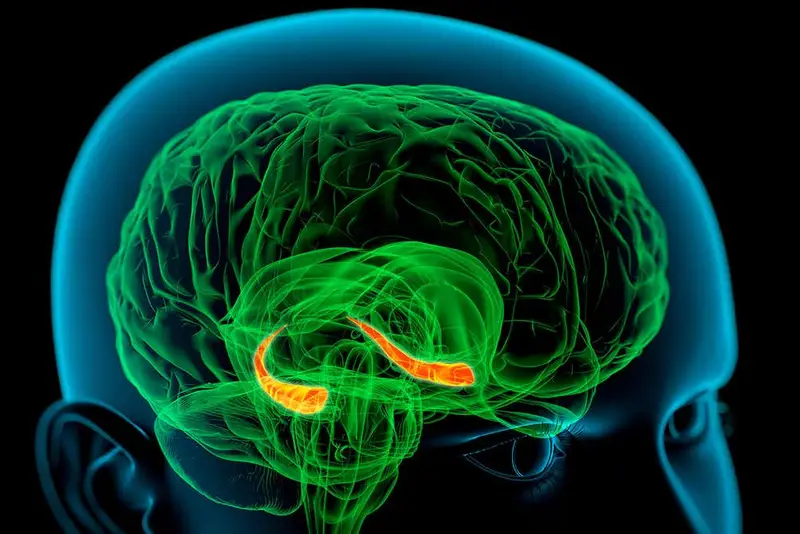
At the center of this system lies a network of brain regions often referred to as the reward circuit. This circuit does not exist to make us happy. Its primary function is to make us want. It assigns value to experiences and drives us toward them. Pleasure is not the goal; motivation is.
Dopamine plays a central role in this system. Contrary to popular belief, dopamine is not the chemical of pleasure itself. It is the chemical of anticipation, desire, and pursuit. Dopamine surges when the brain predicts a reward, not necessarily when the reward is consumed. This distinction is crucial for understanding addiction.
When you eat after being hungry, dopamine spikes before the first bite, not after digestion. When you anticipate a message from someone you care about, dopamine rises before you read it. Dopamine teaches the brain what is worth seeking again.
This learning process is efficient and adaptive. But it is also vulnerable.
Learning, Prediction, and the Power of Cravings
The brain is a prediction machine. It constantly tries to guess what will happen next and adjusts its behavior based on those guesses. Dopamine signals are central to this predictive process. When something good happens unexpectedly, dopamine spikes sharply. When something expected happens, dopamine response is smaller. When an expected reward fails to appear, dopamine drops.
This system allows the brain to learn from experience with remarkable speed. But it also means that the brain can become powerfully attached to cues, contexts, and rituals associated with rewards.
Cravings arise when the brain has learned that a certain stimulus predicts relief, pleasure, or escape. A smell, a place, a time of day, or an emotional state can all become triggers. The brain does not crave the substance or behavior in isolation. It craves the predicted change in internal state.
This is why cravings can feel overwhelming and intrusive. They are not polite requests. They are alarm signals generated by survival circuitry that believes something important is missing. When dopamine-driven prediction systems are activated, rational thought often arrives too late.
Why Some Rewards Hijack the System
Not all rewards are equal. Some stimuli produce dopamine signals far stronger than anything encountered in our evolutionary past. Psychoactive drugs are the most extreme examples. They bypass natural controls and flood reward circuits directly.
Natural rewards like food and social connection have built-in limits. You become full. Social interactions vary. Dopamine rises and falls within a regulated range. Drugs like cocaine, methamphetamine, and nicotine can produce dopamine spikes many times higher than natural rewards, and they can do so repeatedly, without the usual biological brakes.
Over time, the brain adapts. It reduces its sensitivity to dopamine, a process known as tolerance. The same amount of the substance produces less effect. At the same time, the brain becomes more responsive to cues associated with the substance. Desire intensifies even as pleasure fades.
This creates a painful paradox. The addicted brain wants more, but enjoys less.
The Role of Habit and the Shift from Choice to Compulsion
In the early stages of addiction, behavior is often goal-directed. A person uses a substance or engages in a behavior to achieve a desired outcome, such as relaxation, euphoria, or relief from stress. The brain evaluates the action based on its results.
With repetition, control gradually shifts from goal-directed systems to habit systems. These habit circuits reside in deeper, older regions of the brain that operate automatically. Once habits are established, behavior can be triggered without conscious deliberation.
This shift explains why addiction feels like losing control. The behavior is no longer fully governed by conscious choice. It becomes a reflex, activated by cues and contexts. The brain is not asking, “Is this a good idea?” It is executing a learned pattern.
Importantly, habit does not mean enjoyment. Many addicted individuals report continuing behaviors they no longer find pleasurable. The habit persists because it is deeply encoded, not because it feels good.
Stress, Emotion, and the Addicted Brain
Addiction does not occur in a vacuum. Stress, trauma, anxiety, and depression profoundly shape vulnerability to addiction. The brain systems that process stress and emotion are tightly interconnected with reward circuits.
When stress is high, the brain prioritizes short-term relief over long-term consequences. Stress hormones alter dopamine signaling, increasing the appeal of immediate rewards. This makes substances and behaviors that promise quick relief especially tempting during emotional pain.
For individuals with a history of trauma, addiction can function as an attempt at self-regulation. Substances and compulsive behaviors temporarily numb distress or create a sense of control. Over time, the brain learns to associate these behaviors with emotional survival.
This does not mean addiction is a healthy coping strategy. It means it often begins as an understandable response to suffering.
Impulse Control and the Developing Brain
Impulse control is governed largely by the prefrontal cortex, the brain region responsible for planning, inhibition, and long-term thinking. This region matures slowly and is among the last to fully develop, often not reaching full maturity until the mid-twenties.
During adolescence and early adulthood, reward systems are highly sensitive while control systems are still developing. This imbalance makes young people especially vulnerable to addiction. The brain is primed for exploration and reward, but less equipped to regulate impulses.
This developmental reality helps explain why early exposure to addictive substances or behaviors increases long-term risk. It is not simply about bad choices. It is about a brain that is still wiring itself under powerful chemical influences.
Memory, Identity, and the Persistence of Addiction
Addiction is deeply intertwined with memory. The brain remembers not only the substance or behavior, but the emotional context in which it occurred. These memories can persist long after abstinence.
Even after years of recovery, cues can reactivate craving circuits. This does not mean recovery has failed. It means the brain remembers deeply. Learning that promotes survival is designed to last.
Addiction can also become entangled with identity. When behaviors repeat over time, they shape self-concept. Shame, stigma, and social rejection can reinforce this identity, making change harder.
Neuroscience shows that identity is not fixed. The brain remains plastic throughout life. New learning can reshape circuits. But this takes time, support, and repeated experience.
Why Willpower Alone Is Not Enough
Willpower is real, but it is not infinite. It is a cognitive resource that fluctuates with stress, fatigue, hunger, and emotion. Addiction targets systems that operate faster and deeper than conscious will.
Expecting willpower alone to overcome addiction is like expecting conscious thought to stop a reflex. It misunderstands the level at which addiction operates.
This does not mean people are helpless. It means effective change must work with the brain, not against it. Strategies that reduce exposure to cues, regulate stress, build alternative rewards, and strengthen support networks align with how the brain actually functions.
Behavioral Addictions and the Modern World
Addiction is not limited to substances. Behaviors that repeatedly activate reward circuits can also become addictive. Gambling, gaming, social media, and pornography exploit the brain’s sensitivity to novelty, unpredictability, and intermittent rewards.
The modern environment is saturated with stimuli designed to capture attention and trigger dopamine release. Variable reward schedules, where rewards are unpredictable, are especially powerful. They keep the brain engaged, always anticipating the next hit.
These technologies did not create addiction, but they amplify vulnerabilities that already exist in the human brain. Understanding this helps shift blame away from individuals and toward environments that profit from compulsion.
Recovery, Neuroplasticity, and Hope
The brain is not static. It changes in response to experience, a property known as neuroplasticity. This is the biological foundation of recovery.
With sustained abstinence or behavior change, reward circuits can recalibrate. Stress systems can stabilize. Prefrontal control can strengthen. Cravings can diminish in frequency and intensity.
Recovery is not erasure of the past. It is the creation of new patterns that gradually outweigh old ones. This process is rarely linear. Setbacks are part of learning, not evidence of failure.
Social connection plays a powerful role in recovery. The brain evolved to regulate itself through relationships. Support, belonging, and meaning can activate reward systems in healthy ways, reducing the pull of addictive behaviors.
Compassion as a Scientific Necessity
Neuroscience does more than explain addiction. It demands compassion. When we see addiction as a brain-based condition shaped by learning, stress, and environment, punishment and shame lose their justification.
Compassion is not indulgence. It is a recognition of reality. People change more effectively when they feel safe, understood, and supported. This is not philosophy; it is biology.
Stigma increases stress, which worsens addiction. Understanding reduces stress, which supports recovery. Science and humanity align here with remarkable clarity.
The Deeper Meaning of Craving
Craving is not just about substances or behaviors. It reflects a deeper human longing for relief, connection, purpose, and meaning. When these needs go unmet, the brain searches for substitutes.
Addiction often points to pain rather than pleasure. It reveals where the system is overwhelmed, not where it is weak.
Understanding the neuroscience of craving does not strip it of meaning. It enriches it. It shows us that behind every impulse is a brain doing its best to survive, even when its strategies become self-destructive.
Conclusion: Understanding Ourselves Through Addiction
Addiction exposes the fault lines of human nature. It reveals how desire can outgrow control, how learning can turn against us, and how survival mechanisms can be hijacked by modern life. But it also reveals resilience, plasticity, and the capacity for change.
The neuroscience of addiction tells a story not of broken people, but of powerful brains shaped by experience. It teaches us that craving is not a failure of character, but a signal written in neural code. It reminds us that impulse is ancient, emotion is central, and choice is shaped by biology.
To understand why we get addicted is to understand something profound about what it means to be human. It is to see ourselves not as machines of reason, but as living systems of memory, desire, and hope. And in that understanding lies the possibility of healing, not just for individuals, but for societies learning at last to respond with knowledge instead of judgment.