Stress is often spoken of as an emotional experience, something we feel in our chest, our thoughts, or our sleep. Yet stress is also a physical force, one that reaches deep into the brain itself. When stress becomes chronic, lasting not for hours or days but for months or years, it does not merely change how we feel. It changes the structure and function of the brain. One of its most vulnerable targets is the prefrontal cortex, the region responsible for judgment, self-control, decision-making, emotional regulation, and the very qualities we associate with being thoughtfully human.
The idea that stress can shrink parts of the brain may sound alarming, even dramatic, but it is grounded in decades of neuroscientific research. Chronic stress alters neural connections, suppresses the birth of new neurons, and reshapes brain circuits in ways that can make life feel harder, more impulsive, and more overwhelming. This is not a metaphorical shrinking born of exhaustion or sadness; it is a measurable biological process.
Understanding how chronic stress affects the prefrontal cortex is not just a scientific issue. It is deeply personal. It touches the lives of students under relentless pressure, caregivers carrying unending responsibility, workers trapped in unstable environments, and individuals living with trauma. It explains why people under long-term stress may struggle to think clearly, control emotions, or plan for the future, even when they desperately want to.
The Prefrontal Cortex: The Brain’s Executive Center
The prefrontal cortex sits at the front of the brain, just behind the forehead, and it is one of the most evolutionarily advanced regions of the human nervous system. It acts as a conductor, coordinating thoughts, emotions, and actions toward long-term goals rather than immediate impulses. When you pause before reacting in anger, resist temptation, weigh consequences, or imagine a future different from the present, the prefrontal cortex is at work.
This region integrates information from sensory areas, emotional centers, and memory systems. It helps us decide what matters, what can wait, and what must be done now. It is also essential for empathy, moral reasoning, and social behavior. In many ways, the prefrontal cortex is the biological foundation of selfhood and agency.
Unlike older brain regions that prioritize survival and reflexive responses, the prefrontal cortex thrives in conditions of safety, stability, and sufficient energy. It is metabolically expensive, requiring a steady supply of oxygen, glucose, and balanced neurochemistry. Because of this, it is especially sensitive to disruption. Chronic stress places it under sustained chemical and electrical strain, gradually undermining its structure and effectiveness.
Stress as a Biological Process, Not Just a Feeling
To understand how stress shrinks the prefrontal cortex, it is essential to understand what stress actually is at a biological level. Stress is the body’s response to perceived threat or challenge. When danger is detected, the brain activates a cascade of systems designed to help the organism survive. Heart rate increases, attention narrows, and energy is rapidly mobilized.
This response is orchestrated largely by the hypothalamic-pituitary-adrenal axis, often called the HPA axis. When activated, this system leads to the release of stress hormones, most notably cortisol. Cortisol helps increase blood sugar, suppress non-essential functions, and sharpen immediate responses. In short bursts, this response is adaptive and lifesaving.
The problem arises when this system remains activated for long periods. Chronic stress means the brain is repeatedly or continuously bathed in stress hormones. The body remains in a state of readiness for danger that never fully resolves. Over time, this constant chemical environment begins to reshape neural tissue itself.
Cortisol and the Vulnerability of the Prefrontal Cortex
Cortisol plays a central role in how stress affects the brain. While necessary for survival, cortisol becomes harmful when levels remain elevated over time. The prefrontal cortex is particularly sensitive to cortisol because it contains a high density of glucocorticoid receptors, which bind stress hormones.
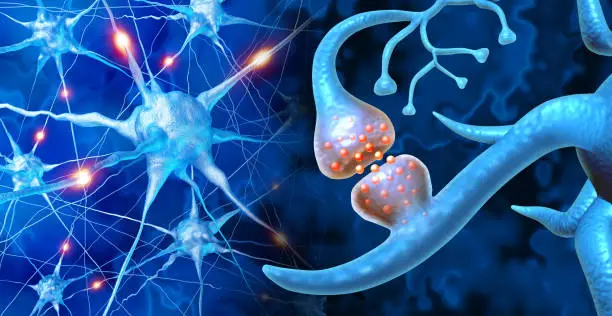
When cortisol binds to these receptors repeatedly, it alters gene expression within neurons. This can reduce the production of proteins necessary for maintaining synapses, the connections between neurons. Synapses are the physical basis of learning, memory, and complex thought. When they weaken or disappear, cognitive and emotional functions suffer.
Chronic cortisol exposure also disrupts the balance of neurotransmitters in the prefrontal cortex, including dopamine and glutamate. These chemicals are crucial for focus, working memory, and flexible thinking. When their regulation falters, the prefrontal cortex struggles to maintain control over thoughts and behavior.
Structural Changes: What “Shrinking” Really Means
When scientists say that chronic stress shrinks the prefrontal cortex, they do not mean that the brain collapses or dissolves. Instead, shrinking refers to reductions in dendritic branching, synaptic density, and sometimes overall volume in imaging studies. Dendrites are the branching structures that neurons use to receive signals from other neurons. More branches mean more communication and greater processing power.
Under chronic stress, neurons in the prefrontal cortex retract some of these branches. Connections that once allowed for rich, nuanced communication are lost. The neural network becomes less complex, less flexible, and less capable of supporting higher-order functions.
Brain imaging studies in humans have shown reduced thickness or volume in regions of the prefrontal cortex associated with prolonged stress, trauma, depression, and anxiety disorders. Animal studies provide even clearer evidence, allowing researchers to directly observe dendritic retraction and synaptic loss after chronic stress exposure.
The Shift of Power to Survival Circuits
As the prefrontal cortex weakens under chronic stress, other brain regions become more dominant. In particular, the amygdala, which plays a key role in fear and threat detection, often becomes more active and more strongly connected. This creates a shift in neural power dynamics.
The brain begins to prioritize rapid, emotion-driven responses over thoughtful, regulated behavior. This shift makes sense from a survival perspective. In dangerous environments, hesitation can be deadly. However, in modern life, where stressors are often psychological and ongoing rather than immediate and physical, this adaptation becomes maladaptive.
People under chronic stress may find themselves more reactive, more anxious, and less able to pause and reflect. Small problems can trigger outsized emotional responses. Decision-making becomes more impulsive, and long-term planning feels increasingly difficult. These changes are not signs of weakness or failure. They are the predictable consequences of altered brain circuitry.
Stress, Attention, and Mental Clarity
One of the most common complaints among people experiencing chronic stress is difficulty concentrating. Tasks that once felt manageable now feel overwhelming. The mind jumps from thought to thought, unable to settle. This cognitive fog is deeply linked to changes in the prefrontal cortex.
The prefrontal cortex is responsible for working memory, the ability to hold and manipulate information in mind. Chronic stress impairs this function by disrupting neural firing patterns and weakening synaptic connections. As a result, it becomes harder to follow complex instructions, solve problems, or maintain focus over time.
This impairment is not simply psychological distraction. It reflects a real reduction in the brain’s capacity to sustain organized thought. Understanding this can be profoundly validating for those who feel frustrated by their cognitive struggles under stress.
Emotional Regulation and the Loss of Control
The prefrontal cortex plays a crucial role in regulating emotions generated by deeper brain structures. It helps reinterpret situations, calm fear responses, and choose constructive reactions. When this region is compromised, emotional regulation suffers.
Chronic stress weakens the inhibitory control that the prefrontal cortex exerts over the amygdala. Fear, anger, and anxiety can rise more quickly and subside more slowly. Emotional reactions may feel automatic and difficult to control.
This loss of regulation often leads to shame or self-criticism. People may blame themselves for overreacting or feeling emotionally unstable. Recognizing the neural basis of these changes can replace self-blame with understanding and compassion.
Decision-Making Under Chronic Stress
Decision-making relies heavily on the prefrontal cortex’s ability to evaluate options, consider future consequences, and balance risks and rewards. Chronic stress undermines each of these processes.
Under sustained stress, the brain favors immediate relief over long-term benefit. This can manifest as procrastination, avoidance, or engagement in habits that provide short-term comfort but long-term harm. These behaviors are often misinterpreted as moral failings or lack of discipline, when in reality they reflect altered neural priorities.
The stressed brain is not incapable of making good decisions, but it operates under constraints that make such decisions harder. Understanding this reframes behavior not as character flaws but as adaptive responses gone awry.
The Role of Inflammation and Cellular Stress
Beyond hormones and neurotransmitters, chronic stress also influences the brain through inflammatory pathways. Long-term stress can increase systemic inflammation, releasing molecules that cross into the brain and affect neural function.
Inflammation can impair synaptic plasticity, the brain’s ability to form and strengthen connections. It can also reduce neurogenesis, the creation of new neurons, particularly in regions involved in learning and mood regulation. While the prefrontal cortex has limited neurogenesis compared to other areas, it is still affected by inflammatory signals that disrupt cellular health.
At the cellular level, chronic stress increases oxidative stress, damaging cellular components and reducing the resilience of neurons. Over time, this cellular wear and tear contributes to the structural and functional decline observed in the prefrontal cortex.
Stress Across the Lifespan and Brain Development
The effects of chronic stress on the prefrontal cortex are especially profound during sensitive periods of development. In childhood and adolescence, the prefrontal cortex is still maturing. Chronic stress during these periods can alter developmental trajectories, leading to long-lasting changes in brain structure and function.
Early-life stress has been associated with reduced prefrontal cortical volume and altered connectivity later in life. These changes can influence emotional regulation, impulse control, and vulnerability to mental health disorders. Importantly, these outcomes are not destiny, but they do highlight the importance of supportive environments during development.
In adulthood, the prefrontal cortex retains a degree of plasticity, meaning it can change in response to experience. This plasticity is both a vulnerability and a source of hope. While chronic stress can degrade function, positive experiences can help restore it.
Chronic Stress, Depression, and Anxiety
The relationship between chronic stress and mental health disorders is deeply intertwined with changes in the prefrontal cortex. Depression and anxiety are often associated with reduced prefrontal activity and impaired regulation of emotional circuits.
In depression, diminished prefrontal function can make it harder to generate motivation, maintain hope, and regulate negative thoughts. In anxiety, weakened prefrontal control allows fear responses to dominate, even in the absence of immediate threat.
These conditions are not merely chemical imbalances but network disorders involving disrupted communication between brain regions. Chronic stress acts as both a trigger and a perpetuating factor by continually weakening the very circuits needed for recovery.
The Subjective Experience of a Shrinking Prefrontal Cortex
From the inside, the effects of chronic stress do not feel like brain shrinkage. They feel like exhaustion, overwhelm, and loss of clarity. People often describe feeling less like themselves, as if their inner compass has become unreliable.
Simple decisions become draining. Emotional reactions feel disproportionate. The future feels harder to imagine. These experiences are deeply distressing, particularly because they often occur in people who were once highly capable and resilient.
Understanding the neuroscience behind these changes can provide relief. It explains why willpower alone is not enough to overcome chronic stress. It shows that healing requires changing the brain’s environment, not just its intentions.
Reversibility and the Brain’s Capacity to Heal
One of the most important and hopeful findings in neuroscience is that stress-induced changes in the prefrontal cortex are often at least partially reversible. The brain is not a static organ. It continually remodels itself in response to experience.
When stress is reduced and supportive conditions are restored, dendritic branching can regrow, synaptic connections can strengthen, and functional balance between brain regions can improve. This recovery is not instantaneous, but it is real.
Practices that promote safety, predictability, and emotional regulation can help reactivate prefrontal circuits. Adequate sleep, physical activity, social connection, and meaningful rest all support neural repair. These are not merely lifestyle choices; they are biological interventions.
The Importance of Sleep in Prefrontal Recovery
Sleep plays a critical role in maintaining and restoring prefrontal cortex function. During sleep, the brain clears metabolic waste, consolidates memories, and recalibrates emotional circuits. Chronic stress often disrupts sleep, creating a vicious cycle.
Sleep deprivation further impairs prefrontal control, amplifying the effects of stress. Restoring healthy sleep patterns is therefore a powerful step toward reversing stress-related brain changes. It allows the prefrontal cortex to regain some of its lost efficiency and stability.
Social Safety and the Stressed Brain
Human brains evolved in social contexts. Social support signals safety at a deep biological level. Positive social interactions reduce stress hormone release and activate neural pathways associated with reward and connection.
Chronic isolation or relational conflict, on the other hand, perpetuates stress responses and further weakens prefrontal regulation. Rebuilding social safety can therefore play a crucial role in healing the stressed brain.
This does not mean forcing social interaction, but rather cultivating relationships that feel supportive and non-threatening. Even small moments of genuine connection can have measurable effects on stress physiology.
Trauma, Chronic Stress, and the Prefrontal Cortex
Trauma represents an extreme form of chronic stress, often involving a sense of helplessness or threat to life. Trauma can profoundly affect the prefrontal cortex, impairing its ability to regulate fear responses and integrate experiences.
In trauma-related conditions, the prefrontal cortex may struggle to remain engaged during reminders of the traumatic event. The brain reverts to survival mode, prioritizing rapid responses over reflective thought.
Understanding this neural dynamic is essential for compassionate care. It explains why trauma survivors may know intellectually that they are safe, yet feel unsafe in their bodies. Healing involves not just cognitive understanding but restoring prefrontal engagement through gradual, supportive processes.
Modern Life and the Chronic Stress Trap
Modern society presents unique stressors that differ from those our brains evolved to handle. Constant information overload, economic insecurity, social comparison, and lack of clear boundaries keep stress responses activated for prolonged periods.
Unlike acute physical threats, these stressors are abstract and ongoing. The brain struggles to resolve them, leading to chronic activation of stress systems. The prefrontal cortex, already under strain, is asked to manage complex demands without sufficient recovery.
Recognizing this mismatch between ancient biology and modern environments is crucial. It shifts the narrative from individual failure to systemic challenge and highlights the need for environments that support neural health.
Compassion as a Neuroscientific Necessity
Perhaps one of the most important implications of understanding how chronic stress shrinks the prefrontal cortex is the call for compassion. When people struggle under stress, they are not simply failing to cope. Their brains are adapting to perceived danger in ways that make sense biologically.
Self-compassion reduces stress responses and supports prefrontal recovery. Compassion from others creates social safety that calms the nervous system. At a societal level, compassionate policies that reduce chronic stressors can have profound effects on collective mental health.
This perspective reframes stress-related struggles not as personal shortcomings but as biological responses that deserve care and understanding.
A Brain Shaped by Experience, Not Fate
The story of chronic stress and the prefrontal cortex is not one of irreversible damage. It is a story of vulnerability paired with resilience. The same plasticity that allows stress to reshape the brain also allows healing experiences to reshape it again.
Understanding this process empowers individuals and communities to prioritize mental and emotional environments as seriously as physical ones. It underscores the importance of rest, connection, and meaning not as luxuries, but as necessities for brain health.
Conclusion: Protecting the Mind That Protects Us
The prefrontal cortex is the part of the brain that allows us to reflect, choose, and care. It is what enables us to respond rather than react, to imagine futures beyond the present moment. Chronic stress erodes this capacity, not through weakness, but through biology.
Recognizing how chronic stress shrinks the prefrontal cortex invites a deeper respect for the mind’s fragility and strength. It challenges simplistic narratives about resilience and highlights the importance of creating lives and societies that support neural well-being.
In protecting the prefrontal cortex, we protect not only cognitive function but the essence of what allows humans to live thoughtfully, compassionately, and with hope.