In a world that celebrates productivity, speed, and constant engagement, doing nothing has acquired a deeply negative reputation. Idleness is often framed as laziness, wasted time, or a failure of ambition. From early childhood, many people are taught—explicitly or implicitly—that every moment should be filled with effort, improvement, or output. Silence must be replaced with stimulation, rest justified by exhaustion, and stillness earned rather than freely taken. Against this cultural backdrop, the idea that “doing nothing” could be beneficial, let alone essential, to mental health seems almost rebellious.
Yet modern neuroscience, psychology, and behavioral science increasingly suggest that periods of genuine mental rest are not a luxury but a biological necessity. The human brain did not evolve to operate at maximum engagement without pause. Instead, it relies on cycles of activity and rest, focus and wandering, stimulation and quiet. When these rhythms are disrupted by constant demands and continuous input, mental health begins to suffer in subtle but profound ways.
To understand why doing nothing can be so powerful, it is necessary to clarify what “doing nothing” truly means, how the brain behaves in moments of rest, and why the absence of deliberate activity can paradoxically support emotional resilience, creativity, self-awareness, and psychological well-being.
Redefining “Doing Nothing” in a Scientific Context
Doing nothing does not mean being unconscious, disengaged from life, or devoid of thought. From a scientific perspective, it refers to a state in which the mind is not directed toward a specific task, goal, or external demand. It is the mental condition that arises when attention is not deliberately controlled, when the brain is allowed to wander freely without pressure to produce, decide, or respond.
This state is distinct from passive consumption, such as scrolling through social media or watching videos. Although these activities may feel relaxing, they still impose external stimuli and require cognitive processing. True mental rest involves a reduction in goal-oriented thinking and sensory overload, allowing internal processes to unfold without interference.
Psychologists often associate this form of rest with spontaneous thought, daydreaming, and quiet reflection. Neuroscientists describe it as a shift away from task-positive networks toward brain systems that are active during wakeful rest. Far from being inactive, the brain during these moments engages in essential maintenance, integration, and emotional regulation processes that cannot occur efficiently during constant task engagement.
The Brain at Rest Is Not Idle
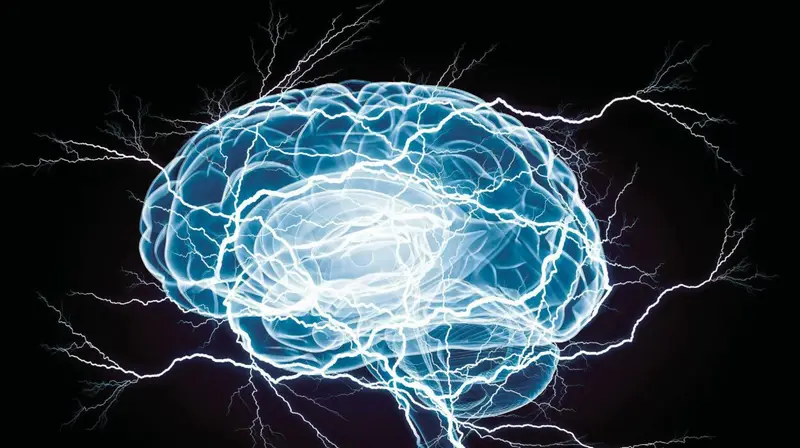
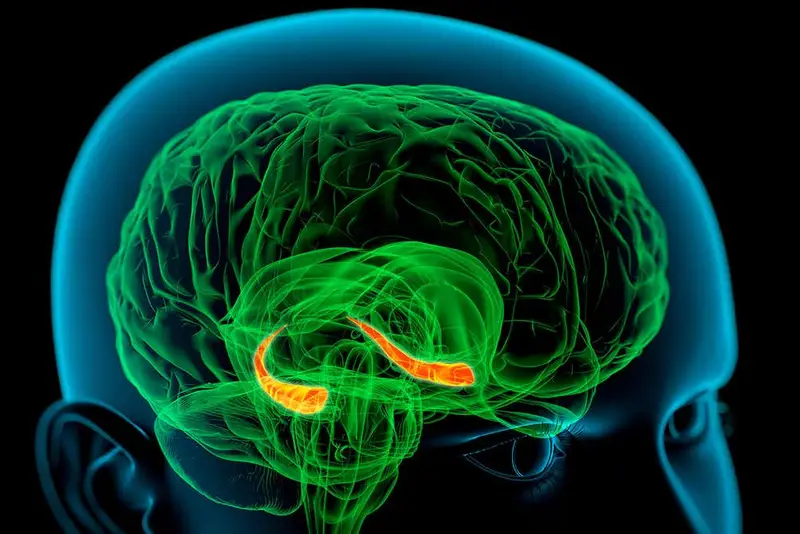
One of the most important discoveries in modern neuroscience is that the brain does not shut down when it is “doing nothing.” Instead, it enters a highly organized and metabolically active state dominated by what is known as the default mode network. This network includes regions of the brain involved in self-referential thinking, memory consolidation, emotional processing, and the construction of personal narratives.
When the brain is freed from immediate tasks, the default mode network becomes more active. During this time, the mind revisits past experiences, integrates new information with existing knowledge, and simulates possible futures. These processes are fundamental to learning, emotional coherence, and identity formation.
Research has shown that disruptions to the default mode network are associated with various mental health conditions, including depression, anxiety, and attention disorders. This suggests that regular access to mental states in which this network can function properly is critical for psychological well-being. Doing nothing, in this sense, allows the brain to do some of its most important work.
Mental Overload and the Cost of Constant Engagement
The modern environment exposes the human brain to an unprecedented level of stimulation. Notifications, messages, deadlines, and digital content create a continuous stream of information that demands attention. While the brain is capable of remarkable adaptability, it is not designed for uninterrupted cognitive engagement without rest.
Chronic mental overload leads to sustained activation of stress-related systems in the brain and body. Cortisol levels may remain elevated, impairing memory, emotional regulation, and immune function. Over time, this can contribute to mental fatigue, irritability, anxiety, and a diminished capacity for pleasure.
Psychological research consistently shows that attentional resources are finite. When these resources are constantly depleted without adequate recovery, cognitive performance declines. Tasks that once felt manageable begin to feel overwhelming, and emotional reactions become more intense and less regulated. Doing nothing, by temporarily disengaging from demands, allows these depleted resources to recover.
The Relationship Between Stillness and Emotional Regulation
Emotional regulation—the ability to understand, manage, and respond to emotions effectively—is a cornerstone of mental health. This capacity depends on communication between brain regions involved in emotional reactivity and those responsible for reflection and control. Constant activity and distraction interfere with this communication.
Periods of quiet mental rest provide the brain with opportunities to process emotions that have been suppressed or postponed during busy periods. When external demands are removed, emotions often surface more clearly. This is sometimes experienced as discomfort, which explains why many people instinctively avoid stillness. However, this surfacing is not a sign of harm; it is a sign that the brain is addressing unresolved emotional material.
Studies in affective neuroscience suggest that allowing emotions to be felt and integrated without immediate reaction reduces their intensity over time. Doing nothing creates the mental space necessary for this integration, supporting emotional balance and resilience.
Doing Nothing and the Reduction of Anxiety
Anxiety thrives on a sense of urgency, uncertainty, and constant anticipation. The anxious mind is often future-oriented, scanning for threats and preparing responses. Continuous activity can reinforce this pattern by preventing the nervous system from returning to a baseline state of calm.
When a person intentionally does nothing, especially in a calm environment, the parasympathetic nervous system becomes more active. This branch of the autonomic nervous system is associated with rest, digestion, and recovery. Heart rate slows, breathing becomes deeper, and muscle tension decreases. These physiological changes send feedback to the brain, signaling safety and reducing anxiety.
Importantly, this effect does not require elaborate techniques. Simply sitting quietly, without engaging in problem-solving or digital stimulation, can gradually shift the nervous system out of a heightened state of alert. Over time, regular exposure to such states can recalibrate stress responses, making anxiety less pervasive.
The Role of Boredom in Psychological Growth
Boredom is often viewed as an enemy to be eliminated as quickly as possible. Yet psychological research suggests that boredom serves important developmental and mental health functions. It signals a lack of meaningful engagement, prompting the mind to seek novelty, creativity, or reflection.
When boredom is immediately filled with external stimulation, the opportunity for internal exploration is lost. Allowing boredom to unfold without interference often leads to spontaneous imagination, problem-solving, or emotional insight. Children, in particular, demonstrate increased creativity when given unstructured time with minimal stimulation.
For adults, boredom can act as a gateway to deeper self-awareness. It can reveal unmet needs, unresolved questions, or neglected desires. Doing nothing long enough to encounter boredom, and then remain with it, allows these underlying signals to emerge.
Creativity and the Power of Mental Wandering
Creativity is frequently misunderstood as a product of intense focus alone. While focused effort is essential for refining ideas, many creative breakthroughs occur during moments of rest rather than active work. Neuroscientific studies show that creative insight is often associated with interactions between the default mode network and executive control regions of the brain.
During periods of mental wandering, the brain forms novel associations between ideas that may not connect during structured thinking. This process, sometimes described as incubation, allows problems to be approached from unexpected angles. Many artists, scientists, and writers have reported that their most original ideas emerged during walks, moments of rest, or idle reflection.
Doing nothing provides the cognitive environment necessary for this type of associative thinking. By removing the pressure to produce immediate results, the mind gains the freedom to explore possibilities without constraint, fostering originality and innovation.
Memory Consolidation and Mental Rest
Learning does not end when active study or experience stops. The brain continues to process and consolidate information during periods of rest. This process strengthens neural connections, integrates new knowledge with existing memories, and enhances long-term retention.
Research in cognitive neuroscience has shown that brief periods of wakeful rest after learning can significantly improve memory performance. During these moments, the brain replays recent experiences, reinforcing important information and discarding irrelevant details. Continuous activity interferes with this process, reducing learning efficiency.
Doing nothing after cognitively demanding tasks allows the brain to complete this consolidation cycle. Over time, this practice supports better memory, deeper understanding, and more durable learning.
Self-Awareness and the Quiet Mind
Self-awareness depends on the ability to observe one’s thoughts, emotions, and motivations without immediate judgment or reaction. This capacity is difficult to cultivate in environments filled with constant distraction. External stimulation draws attention outward, leaving little room for inward reflection.
When a person does nothing, the mind naturally turns inward. Thoughts arise, patterns become visible, and habitual reactions can be noticed more clearly. This process strengthens metacognition, the ability to think about one’s own thinking, which is closely linked to emotional intelligence and mental health.
Psychological studies suggest that increased self-awareness is associated with better coping strategies, improved relationships, and greater life satisfaction. Doing nothing creates the conditions under which this awareness can develop organically.
Cultural Resistance to Rest and Stillness
Despite its benefits, doing nothing often triggers guilt or discomfort. This response is shaped by cultural narratives that equate worth with productivity and busyness. In many societies, rest is viewed as something to be justified, scheduled, or earned rather than a basic human need.
This cultural resistance can prevent individuals from accessing the mental health benefits of rest. Even when moments of free time arise, they may be filled with low-effort tasks or digital distractions to avoid the discomfort of stillness. Over time, this avoidance reinforces stress and emotional fragmentation.
Understanding the scientific basis for rest can help challenge these narratives. When doing nothing is reframed as an active investment in mental health rather than a passive failure, it becomes easier to embrace without guilt.
Digital Overstimulation and the Illusion of Rest
Modern technology offers endless opportunities for distraction disguised as relaxation. While digital entertainment can be enjoyable, it rarely provides the type of mental rest required for psychological recovery. Screens engage attention, trigger emotional responses, and often encourage comparison or rapid information processing.
Neuroscientific research indicates that constant digital engagement maintains the brain in a state of alertness, even when the content is not demanding. This prevents full activation of rest-related neural networks and limits the restorative effects of downtime.
Doing nothing, in contrast, reduces sensory input and cognitive demand, allowing deeper forms of mental rest to occur. Recognizing the difference between distraction and rest is essential for protecting mental health in a digital age.
Doing Nothing and the Development of Resilience
Resilience refers to the ability to adapt to stress, recover from adversity, and maintain psychological stability. This capacity is not built through constant effort alone but through cycles of challenge and recovery. Without adequate recovery, stress accumulates and resilience erodes.
Periods of doing nothing support resilience by allowing the nervous system to reset and emotional experiences to be integrated. This process strengthens the brain’s ability to respond flexibly rather than reactively to future stressors.
Longitudinal psychological studies suggest that individuals who regularly engage in restorative rest exhibit lower levels of burnout, improved mood stability, and greater overall well-being. Doing nothing, when practiced intentionally, becomes a foundation for long-term mental strength.
Stillness, Time Perception, and Mental Health
The experience of time is closely linked to mental state. When life is filled with constant activity, time often feels compressed and rushed. This sensation contributes to stress and a feeling of losing control over one’s life.
Doing nothing alters time perception. Without external demands, moments feel more expansive, and attention becomes more present-centered. This shift supports mindfulness, a mental state associated with reduced rumination and improved emotional regulation.
Psychological research suggests that a balanced perception of time, one that allows for presence rather than constant anticipation, is associated with greater life satisfaction. Stillness plays a crucial role in cultivating this balance.
The Evolutionary Perspective on Mental Rest
From an evolutionary standpoint, the human brain evolved in environments characterized by rhythms of activity and rest. Early humans experienced periods of intense focus, such as hunting or problem-solving, followed by extended periods of rest, observation, and social interaction.
The modern environment disrupts these rhythms by imposing continuous cognitive demands. Doing nothing restores a pattern that is deeply embedded in human biology. It aligns mental activity with evolutionary design, supporting psychological equilibrium.
Understanding rest as an evolutionary necessity rather than a modern indulgence reframes its importance. The brain’s need for stillness is not a weakness but a reflection of how it evolved to function optimally.
Psychological Safety and the Freedom to Be Unproductive
Mental health depends on a sense of psychological safety, the feeling that one can exist without constant evaluation or performance. Doing nothing provides a rare opportunity to experience this safety, free from external expectations.
In these moments, self-worth is not tied to output, achievement, or approval. This separation can be profoundly healing, particularly for individuals who struggle with perfectionism or chronic self-criticism. Psychological research indicates that unconditional self-acceptance is associated with lower rates of depression and anxiety.
By allowing oneself to do nothing, one practices existing without justification. Over time, this experience can soften rigid self-demands and foster a more compassionate relationship with oneself.
Integrating Nothingness into a Healthy Life
Doing nothing does not require withdrawing from responsibilities or abandoning ambition. Instead, it involves recognizing the value of intentional pauses within a balanced life. Even brief moments of genuine mental rest can have cumulative benefits when practiced consistently.
Scientific evidence suggests that the quality of rest matters more than quantity. Moments of stillness that are free from stimulation and self-judgment are particularly effective. These moments allow the brain to engage in restorative processes that support mental health.
As understanding of mental health continues to evolve, the role of rest and stillness is gaining overdue recognition. Doing nothing is not the absence of care; it is a form of care grounded in biology, psychology, and human experience.
Conclusion: The Quiet Strength of Doing Nothing
In a culture that equates value with constant motion, choosing to do nothing can feel counterintuitive. Yet science increasingly reveals that mental health depends not only on what we do, but on what we allow ourselves not to do. Stillness supports emotional regulation, creativity, memory, resilience, and self-awareness in ways that constant engagement cannot.
Doing nothing is not an escape from life, but a return to its underlying rhythms. It is a space in which the mind can breathe, reorganize, and remember itself. By reclaiming the legitimacy of rest, we honor the biological and psychological realities that shape human well-being.
In the quiet moments when nothing is demanded, the mind does not fade into emptiness. Instead, it restores, integrates, and quietly prepares us to live more fully.