Memory is not just something we have. It is something we are. Every joy, fear, failure, and triumph leaves its trace inside the brain, quietly shaping how we think, act, and feel. Our memories guide our decisions, color our emotions, and anchor our sense of identity. Yet some memories hurt. Some return uninvited in the dead of night. Some refuse to fade, replaying themselves with cruel clarity long after the danger has passed. This raises one of the most haunting questions modern science has ever faced: could we erase painful memories, and if we could, should we?
To understand whether erasing memories is even possible, we must first understand what memory truly is. Memory is not a static recording stored neatly in the brain like a video file. It is a living, biological process, fragile and dynamic, shaped by chemistry, electricity, and experience. The science of memory consolidation reveals a story far more complex—and far more human—than the idea of simply deleting pain.
Memory as a Living Process
When we think of memory, we often imagine a library inside the brain, with shelves of stored experiences waiting to be retrieved. This metaphor is comforting, but it is wrong. Memory is not a place. It is a process that unfolds over time, involving networks of neurons that change as we learn, remember, and forget.
Every experience begins as a pattern of neural activity. When something happens—an accident, a kiss, a terrifying moment—sensory information floods the brain. Neurons fire in coordinated patterns, representing sights, sounds, emotions, and bodily sensations. But at this stage, the memory is fragile. Without further processing, it may vanish within minutes or hours.
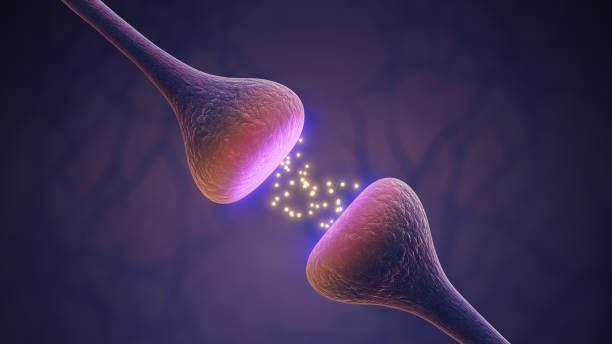
For a memory to last, it must be stabilized. This process is known as memory consolidation. During consolidation, temporary neural activity is transformed into more durable changes in the brain. Synapses strengthen, new connections form, and chemical signals trigger lasting structural modifications. Memory becomes embedded not in a single location, but across distributed networks that include areas responsible for perception, emotion, and meaning.
This biological reality already hints at why erasing a memory is so difficult. A painful memory is not one thing in one place. It is many things, woven into the brain’s architecture.
The Emotional Weight of Painful Memories
Not all memories hurt equally. Painful memories often involve strong emotions, especially fear, shame, or grief. These emotions are not incidental. They are central to why certain memories become so persistent.
The brain is wired to prioritize emotionally charged experiences. This makes evolutionary sense. Remembering danger helps us survive. When something terrifying happens, the brain activates systems that enhance memory formation. Stress hormones like cortisol and adrenaline flood the body, while brain regions involved in emotion, particularly the amygdala, interact closely with memory-related structures.
As a result, painful experiences are often consolidated more strongly than neutral ones. The brain marks them as important, as information that must not be forgotten. This is why traumatic memories can feel so vivid, so immediate, as if they are happening again rather than being recalled.
For many people, this system works as intended. A frightening experience fades over time, leaving behind a lesson without overwhelming distress. But for others, especially those who experience severe trauma, the memory system becomes dysregulated. Memories refuse to integrate into the past. They intrude into the present, triggering intense emotional and physical reactions. Understanding this difference is key to understanding why scientists began to ask whether painful memories could be altered.
The Discovery of Memory Consolidation
The concept of memory consolidation emerged from decades of research into how memories form and stabilize. Early experiments revealed that memories are vulnerable shortly after learning. Disrupting brain activity during this window can prevent long-term memory formation.
This vulnerability suggested that memory formation is not instantaneous. Instead, it unfolds over time, involving biochemical processes that strengthen synaptic connections. Once consolidation is complete, the memory becomes more resistant to disruption.
For a long time, scientists believed that once a memory was consolidated, it was fixed. This idea reinforced the sense that the past, once encoded, could not be changed. Painful memories, then, were permanent scars etched into the brain.
But this view began to change with a surprising discovery that reshaped memory science and reopened the question of memory erasure.
Reconsolidation: When Memories Become Fragile Again
In the late twentieth century, researchers discovered something extraordinary. When a consolidated memory is recalled, it does not simply emerge intact. Instead, it briefly becomes unstable. To persist, it must undergo a process similar to the original consolidation. This process is called reconsolidation.
Reconsolidation means that memory retrieval is not passive. Each time we remember something, the memory enters a malleable state. During this window, which lasts for a limited time, the memory can be modified before being stored again.
This discovery transformed how scientists think about memory. Memories are not static records. They are rewritten each time they are recalled. Details can change, emotions can shift, and new information can be incorporated. This explains why memories can become distorted over time and why two people can remember the same event differently.
More importantly, reconsolidation raised a radical possibility. If a memory becomes vulnerable when recalled, could that vulnerability be exploited to weaken or alter painful memories?
The Science Behind Modifying Memories
Research into reconsolidation revealed that interfering with specific biological processes during this vulnerable window can disrupt the memory. Experiments showed that blocking certain protein synthesis pathways after memory retrieval could weaken or even eliminate learned associations in animals.
In studies involving fear conditioning, animals learned to associate a neutral stimulus with an unpleasant experience. When the memory was reactivated and then disrupted during reconsolidation, the fear response diminished or disappeared. Crucially, this effect did not occur if the memory was not reactivated first.
These findings suggested that memories are not erased by simply targeting stored information. Instead, they are altered during the act of remembering. The past becomes negotiable, not by reaching back into storage, but by intervening in the present moment of recall.
This insight sparked intense interest in whether similar mechanisms could apply to human memories, especially those associated with trauma.
Painful Memories and Post-Traumatic Stress
Post-traumatic stress disorder represents one of the most striking examples of how painful memories can dominate a person’s life. Individuals with this condition experience intrusive memories, flashbacks, and intense emotional reactions to reminders of trauma. The memories feel vivid and uncontrollable, as if the brain is trapped in a loop.
Neuroscience research suggests that traumatic memories in such cases may be poorly integrated. Instead of being contextualized as past events, they remain raw and emotionally charged. Brain circuits involving fear and stress become overactive, while systems responsible for regulating emotion and placing memories in context may function less effectively.
This understanding led researchers to explore whether reconsolidation-based interventions could reduce the emotional power of traumatic memories without erasing factual content. The goal was not to delete the past, but to soften its grip.
Pharmacological Approaches to Memory Modification
One of the most studied approaches involves using medications to influence memory reconsolidation. Certain drugs can affect the neurochemical processes required to restabilize a memory after recall.
Some studies have examined the use of medications that dampen stress responses during memory reactivation. By reducing the emotional intensity associated with a recalled memory, these interventions may weaken the link between the memory and overwhelming fear.
Importantly, this does not appear to erase the memory itself. People still remember what happened, but the emotional charge is reduced. The memory becomes less intrusive, less painful, more manageable.
This distinction matters deeply. The aim is not to create amnesia, but to restore balance. The past remains, but it no longer hijacks the present.
Behavioral Interventions and Memory Updating
Not all memory modification relies on drugs. Behavioral approaches also seek to harness reconsolidation. Certain therapeutic techniques involve carefully guided recall of traumatic memories in safe contexts, allowing new information to be integrated.
When a memory is reactivated and paired with a different emotional experience, such as safety or control, the memory can be updated during reconsolidation. Over time, this can reduce fear responses and emotional distress.
This process highlights something profoundly human about memory. Memories do not exist in isolation. They are shaped by meaning, interpretation, and context. Changing how we relate to a memory can change how it lives in the brain.
Can Memories Truly Be Erased?
Despite dramatic headlines, the idea of completely erasing specific memories remains more science fiction than reality. The distributed nature of memory makes precise deletion extraordinarily difficult. Memories are not isolated files but overlapping networks. Removing one thread risks damaging others.
Moreover, memories are deeply intertwined with identity. Painful memories, as unwanted as they may be, often influence personality, values, and growth. Erasing them entirely could have unpredictable consequences.
Current scientific approaches aim not for erasure, but for modulation. They seek to reduce suffering while preserving the narrative of a person’s life. This reflects a cautious recognition that memory, even when painful, serves important functions.
The Ethics of Altering Memory
The possibility of modifying memories raises profound ethical questions. Memory is not just data; it is personal history. Changing memories touches on autonomy, consent, and identity.
If we could erase painful memories, who would decide which memories should go? Would suffering be optional? Could such technologies be misused, applied without consent, or used to manipulate behavior?
There is also the question of meaning. Painful memories often carry lessons. They inform moral judgment, empathy, and resilience. Removing them might reduce suffering, but it could also alter how individuals understand themselves and others.
Ethical reflection emphasizes that any intervention must prioritize well-being, informed consent, and respect for the complexity of human experience.
Memory, Healing, and the Passage of Time
Interestingly, the brain already has mechanisms for softening painful memories over time. Emotional intensity often fades, even when factual details remain. This natural process reflects the brain’s capacity for healing.
Therapy, reflection, and social support can reshape memories by changing their emotional context. These processes do not erase the past, but they transform how it is carried.
From this perspective, scientific efforts to modulate memory can be seen as extensions of natural healing processes rather than radical departures. They aim to support the brain’s ability to adapt.
The Fragility of Truth in Memory
One consequence of memory’s malleability is that it challenges the idea of memory as a reliable record. Each time a memory is recalled, it can change. This raises concerns about accuracy, especially in legal or historical contexts.
If memories can be altered unintentionally, deliberate modification must be approached with care. Preserving truth while reducing suffering is a delicate balance.
This tension underscores that memory is not just about the past. It is about how the past lives in the present. Science can inform this relationship, but it cannot simplify it.
Identity and the Stories We Tell Ourselves
Humans understand themselves through stories. Memory provides the raw material for these narratives. Painful memories often play central roles in how people define themselves, sometimes as sources of strength, sometimes as sources of pain.
Altering memories could change these narratives. For some, this might be liberating. For others, it could feel like losing a part of themselves.
This complexity suggests that the question is not simply whether we can erase painful memories, but whether doing so aligns with a person’s values and sense of self.
The Future of Memory Science
Research into memory consolidation and reconsolidation continues to evolve. Advances in neuroscience, imaging, and molecular biology are revealing ever more detailed pictures of how memories form and change.
Future interventions may become more precise, targeting specific aspects of memory while preserving others. They may offer new hope for those whose lives are dominated by painful memories.
At the same time, science will need to move hand in hand with ethical reflection, ensuring that power over memory is used to heal rather than harm.
Pain, Memory, and What It Means to Be Human
Painful memories are among the most difficult aspects of human existence. They can imprison the mind, distort perception, and steal joy. It is natural to wish they could be erased.
Yet memory, even when painful, connects us to reality. It grounds us in truth, however uncomfortable. It allows growth, learning, and empathy. Without memory, there is no continuity, no identity.
The science of memory consolidation reveals that memory is not immutable. It can change, soften, and adapt. This offers hope that suffering can be reduced without erasing the past.
Perhaps the most human goal is not to delete painful memories, but to transform them. To carry them without being crushed by them. To remember without reliving. Science is beginning to show how this might be possible, not by rewriting who we are, but by helping us heal.
In the end, the question is not just whether we could erase painful memories. It is whether we can learn to live with them differently. Memory science suggests that while the past cannot be undone, its power over the present is not fixed. And in that fragile, hopeful space between remembering and becoming, the possibility of healing quietly emerges.