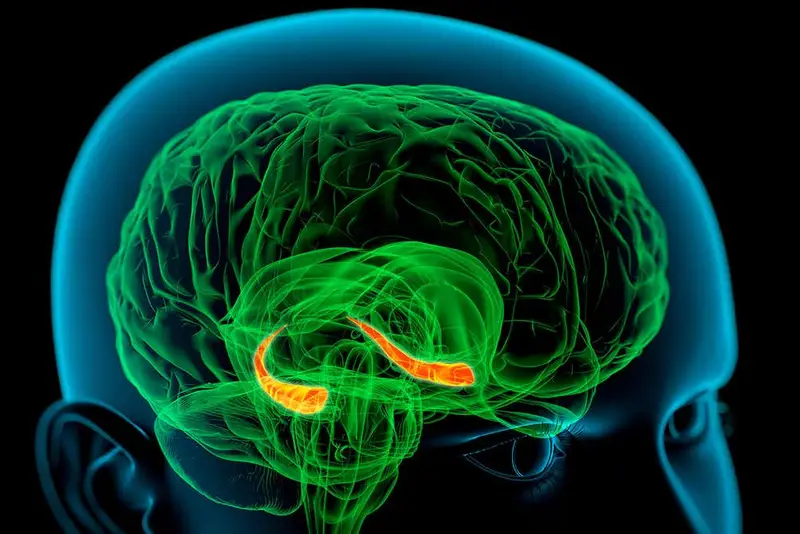
Brain fog is not a medical diagnosis, yet millions of people recognize it instantly. It is that heavy, muffled feeling in the mind when thoughts move slowly, words hide just out of reach, concentration slips through your fingers, and even simple decisions feel exhausting. People describe it as feeling “mentally cloudy,” “detached,” or “not fully awake,” as if the brain itself has been wrapped in cotton. Though the term sounds vague, the experience is deeply real, and modern science is increasingly able to explain why it happens.
Brain fog is not a sign of laziness, lack of intelligence, or personal weakness. It is the brain’s response to overload, imbalance, or stress—biological, psychological, or environmental. Understanding brain fog requires looking at the brain not as a static organ, but as a living, energy-hungry system that is exquisitely sensitive to sleep, nutrition, hormones, inflammation, emotions, and the pace of modern life.
This article explores brain fog from the inside out, revealing the scientific mechanisms behind mental exhaustion and explaining why the mind sometimes struggles to stay clear, sharp, and focused.
What Brain Fog Really Is From a Scientific Perspective
Scientifically speaking, brain fog is a cluster of cognitive symptoms rather than a single condition. These symptoms can include difficulty concentrating, slowed thinking, memory lapses, reduced mental clarity, and a sense of cognitive fatigue. What unites these experiences is not a single cause, but a disruption in how efficiently the brain processes information.
The brain relies on precise communication between billions of neurons. These cells send signals using electrical impulses and chemical messengers called neurotransmitters. For clear thinking to occur, this communication must be fast, coordinated, and well-regulated. Brain fog emerges when this communication becomes inefficient, delayed, or noisy.
Mental clarity is not the brain’s default state. It is an active, energy-dependent process that requires proper blood flow, balanced neurotransmitters, sufficient glucose and oxygen, and a stable internal environment. When any of these elements falter, cognition suffers.
The Brain as an Energy-Hungry Organ
Although the brain represents only a small fraction of body weight, it consumes an enormous share of the body’s energy. Even at rest, it requires a continuous supply of glucose and oxygen to maintain electrical activity and cellular health. Every thought, memory, and decision costs energy.
When energy supply is disrupted or demand becomes excessive, the brain enters a conservation mode. Nonessential cognitive functions are scaled back. Focus narrows. Processing speed slows. This is not failure—it is survival.
Brain fog is often the subjective experience of this energy shortfall. The brain is signaling that it cannot sustain peak performance under current conditions.
Mental Fatigue and the Limits of Cognitive Endurance
Mental fatigue is a central driver of brain fog. Unlike physical fatigue, which is easier to recognize, mental fatigue accumulates quietly. Extended periods of concentration, multitasking, decision-making, or emotional stress drain cognitive resources.
Neurons rely on finely balanced chemical gradients to transmit signals. Prolonged mental effort alters these gradients and increases metabolic waste within brain cells. Over time, signal transmission becomes less efficient. The result is slower thinking, difficulty maintaining attention, and the sensation of cognitive heaviness.
Mental fatigue also affects the brain’s ability to filter information. Normally, the brain suppresses irrelevant stimuli to protect focus. When fatigued, this filtering weakens, allowing distractions to intrude and increasing the feeling of overwhelm.
The Role of Sleep in Clearing the Mind
Sleep is one of the most powerful regulators of mental clarity. During sleep, especially deep sleep, the brain performs critical maintenance tasks. One of its most important functions is clearing metabolic waste products that accumulate during waking hours.
This cleaning process is carried out by a network known as the glymphatic system. When sleep is insufficient or disrupted, waste products linger in the brain. These substances interfere with neuronal signaling and contribute to feelings of mental cloudiness.
Sleep deprivation also disrupts the balance of neurotransmitters involved in attention, mood, and memory. Dopamine, serotonin, and acetylcholine all become dysregulated, further impairing cognitive function. Even a single night of poor sleep can noticeably reduce mental sharpness.
Chronic sleep deprivation compounds these effects, making brain fog a persistent companion rather than a temporary inconvenience.
Stress Hormones and the Fog of Overload
Stress is not inherently harmful. In short bursts, it sharpens focus and enhances performance. Problems arise when stress becomes chronic. Prolonged stress floods the body with cortisol, a hormone designed for emergencies, not long-term exposure.
Elevated cortisol alters how the brain processes information. It affects the hippocampus, a region critical for memory formation, and the prefrontal cortex, which governs planning, attention, and decision-making. Under chronic stress, these areas become less efficient.
Cortisol also disrupts sleep, appetite, and immune function, creating a feedback loop that deepens mental exhaustion. The mind remains alert but unfocused, restless yet unproductive—a hallmark of stress-induced brain fog.
Inflammation and the Clouded Mind
Inflammation is the immune system’s response to perceived threats. While essential for healing, chronic inflammation can interfere with brain function. Inflammatory molecules can cross into the brain or influence it indirectly through signaling pathways.
When inflammation affects the brain, it alters neurotransmitter production and synaptic activity. This can result in slower processing speed, reduced motivation, and impaired concentration. Many people describe this inflammatory state as feeling “mentally sick,” even without obvious physical symptoms.
Inflammation can arise from infections, autoimmune activity, metabolic imbalance, or prolonged psychological stress. In each case, the brain responds by prioritizing survival over cognitive performance, leading to mental fog.
Blood Flow, Oxygen, and Cognitive Sharpness
The brain depends on a steady supply of oxygen-rich blood. Even small reductions in cerebral blood flow can affect attention and clarity. Dehydration, low blood pressure, anemia, or poor cardiovascular health can all reduce oxygen delivery to brain tissue.
When oxygen levels dip, neurons struggle to maintain electrical activity. The brain compensates by reducing processing intensity, which feels like sluggish thinking or difficulty concentrating. Adequate hydration and circulation are therefore essential for mental clarity.
Neurotransmitters and the Chemistry of Focus
Neurotransmitters act as the brain’s communication currency. Dopamine supports motivation and focus. Acetylcholine is critical for attention and learning. Serotonin influences mood and cognitive flexibility. When these systems fall out of balance, brain fog can emerge.
Imbalances may result from stress, poor sleep, nutritional deficiencies, or prolonged mental strain. The brain’s chemistry shifts in ways that reduce efficiency. Thoughts feel scattered. Memory becomes unreliable. Mental effort feels disproportionately draining.
This chemical imbalance does not mean permanent damage. It reflects a brain that needs restoration, not replacement.
Nutrition and the Brain’s Fuel Supply
The brain’s reliance on glucose makes it sensitive to nutritional patterns. Fluctuations in blood sugar can produce noticeable cognitive effects. Rapid rises and falls in glucose levels may lead to bursts of clarity followed by crashes marked by fatigue and fog.
Micronutrients also matter. The brain requires a wide range of vitamins and minerals to synthesize neurotransmitters and maintain cellular health. When these processes falter, cognition follows.
Food is not just energy—it is information. What we consume shapes how the brain functions at a molecular level.
Hormonal Influences on Mental Clarity
Hormones act as long-range messengers that influence brain activity. Thyroid hormones regulate metabolic speed, including that of neurons. When thyroid function is disrupted, thinking may slow and mental clarity may diminish.
Sex hormones also play a role. Fluctuations in estrogen and progesterone can affect neurotransmitter systems involved in memory and attention. These changes may explain why brain fog is commonly reported during hormonal transitions.
Hormonal brain fog reflects a brain adapting to shifting internal signals. It is not imagined—it is physiological.
The Emotional Brain and Cognitive Overload
Emotions and cognition are deeply intertwined. Emotional stress consumes mental resources, leaving fewer available for attention, memory, and reasoning. When emotional demands exceed coping capacity, the brain reallocates energy toward regulation rather than performance.
This reallocation can feel like mental dullness or detachment. The brain is protecting itself, not failing. Emotional processing is energetically expensive, and prolonged emotional strain can exhaust cognitive systems.
The Impact of Modern Life on Mental Clarity
The human brain did not evolve for constant stimulation, endless information, and perpetual decision-making. Modern life places unprecedented cognitive demands on attention and working memory.
Frequent task-switching fragments focus and increases mental fatigue. Digital overload keeps the brain in a state of low-level alertness, preventing true rest. Over time, this constant engagement depletes cognitive reserves.
Brain fog in modern contexts is often the cumulative result of overstimulation rather than a single cause.
Brain Fog and the Illusion of Productivity
Many people push through brain fog, believing effort alone can overcome it. This often worsens the problem. The brain’s efficiency declines further under sustained strain, deepening exhaustion.
True cognitive performance requires cycles of engagement and recovery. Without recovery, the brain’s ability to sustain clarity diminishes. Brain fog is the mind’s way of demanding rest and recalibration.
Recovery, Plasticity, and Hope
One of the most hopeful aspects of neuroscience is the brain’s plasticity. The brain is not fixed; it adapts continuously. Neural pathways strengthen or weaken based on use, rest, and environment.
Brain fog is often reversible. When underlying stressors are addressed and the brain’s needs are met, clarity can return. This recovery may be gradual, but it is real.
Mental exhaustion is not a personal failure. It is a biological signal. Listening to that signal allows the brain to heal and regain balance.
Brain Fog as a Message, Not a Mystery
Brain fog is the brain speaking in discomfort rather than pain. It is a message that something within the system is out of alignment. Whether the cause is sleep deprivation, stress overload, inflammation, hormonal shifts, or cognitive overuse, the underlying theme is the same: the brain needs support.
Understanding brain fog scientifically removes shame and confusion. It reframes mental exhaustion as a natural response to modern pressures rather than a flaw in character or ability.
A Clear Mind as a Biological Achievement
Mental clarity is not a constant state; it is an achievement maintained by balance. It emerges when energy supply meets demand, when rest follows effort, when emotional and physical systems work in harmony.
Physics governs the universe, but biology governs the mind. The brain operates under laws of energy, chemistry, and adaptation. Brain fog reminds us that thinking clearly is not just about willpower—it is about respecting the limits and needs of the most complex organ we possess.
Living With Awareness of Mental Limits
Recognizing brain fog as a scientific phenomenon encourages compassion toward oneself and others. It reminds us that behind every foggy moment is a brain doing its best under challenging conditions.
Mental exhaustion does not diminish human worth. It highlights the cost of living in a world that rarely slows down. By understanding brain fog, we gain the power to respond with care rather than frustration.
The Clarity Beyond the Fog
Brain fog is not the end of clarity but a pause in its expression. With proper understanding, patience, and respect for the brain’s biology, the fog can lift. Thoughts regain their sharpness. Focus returns. Mental energy flows more freely.
In this way, brain fog serves a paradoxical purpose. It forces awareness of the invisible labor the brain performs every moment. It teaches that the mind is not an endless resource, but a living system deserving attention and care.
Mental clarity, when it returns, feels almost magical. But it is not magic. It is biology restored to balance.