The idea is irresistible. You lie down after a long day, close your eyes, drift into sleep, and while your body rests, your brain quietly absorbs new information. Languages slip into memory. Facts settle gently into place. Skills sharpen without effort. You wake up smarter than before. This dream of sleep-learning has captured human imagination for more than a century, promising a shortcut around one of life’s hardest truths: learning takes time, attention, and effort.
But what does neuroscience actually say? Can the sleeping brain learn? Or is this idea a comforting illusion, reborn in every generation because we want it to be true?
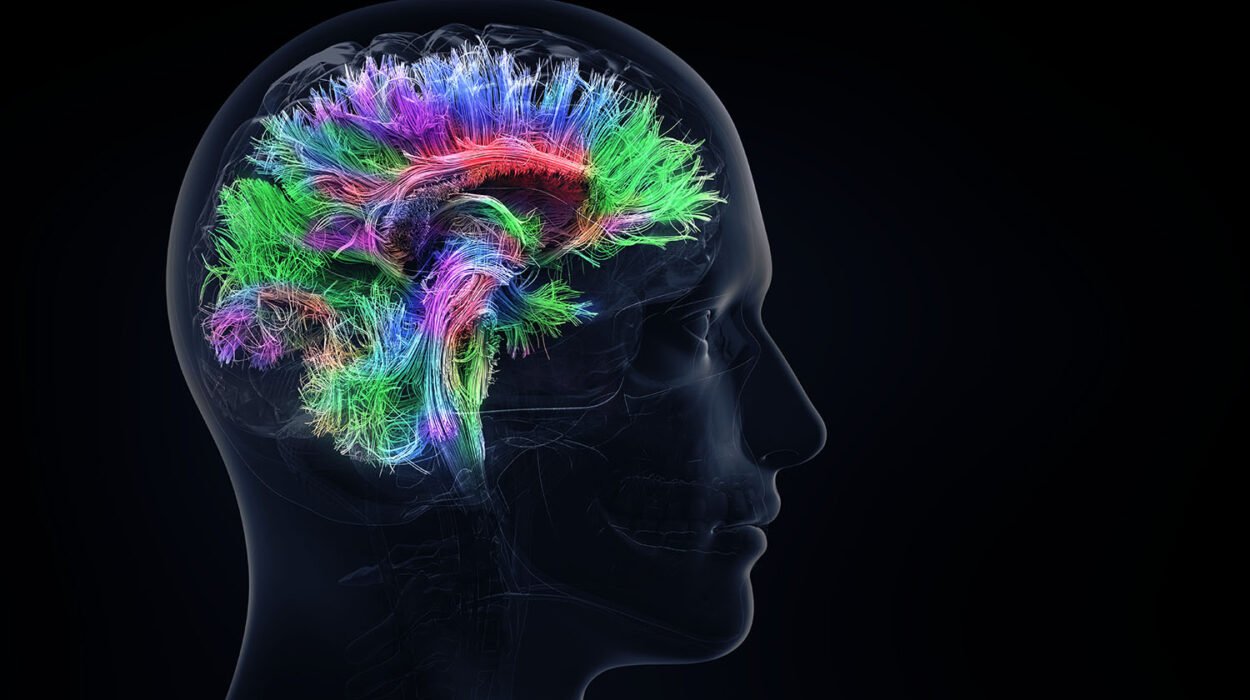
The real story is more subtle, more fascinating, and more human than the fantasy. Sleep does not work the way popular myths suggest, but it plays a powerful and essential role in learning. To understand why, we must journey into the sleeping brain, into rhythms and stages, memory systems and neural plasticity, and the delicate boundary between consciousness and unconsciousness.
The Origins of the Sleep-Learning Dream
The notion that learning could happen during sleep emerged alongside modern psychology and neuroscience. In the early twentieth century, as scientists began to explore the mind scientifically, sleep was no longer seen as a passive shutdown but as a mysterious mental state. Popular culture quickly filled the gaps in knowledge with hope and imagination.
By the mid-twentieth century, sleep-learning devices appeared, promising to teach languages, mathematics, or self-improvement messages through recorded audio played at night. These claims often relied on anecdotal evidence and weak experiments, but they spread widely because they spoke to a deep desire. Learning is difficult. Sleep is inevitable. Combining the two feels almost magical.
Science, however, demands careful testing. As experimental methods improved, researchers began asking harder questions. What happens in the brain during sleep? What kinds of information can be processed without awareness? And what, exactly, does it mean to learn?
What Learning Really Means in the Brain
Before asking whether learning can happen during sleep, neuroscience must define learning itself. Learning is not simply exposure to information. It involves lasting changes in the brain that allow new knowledge, skills, or associations to influence future behavior.
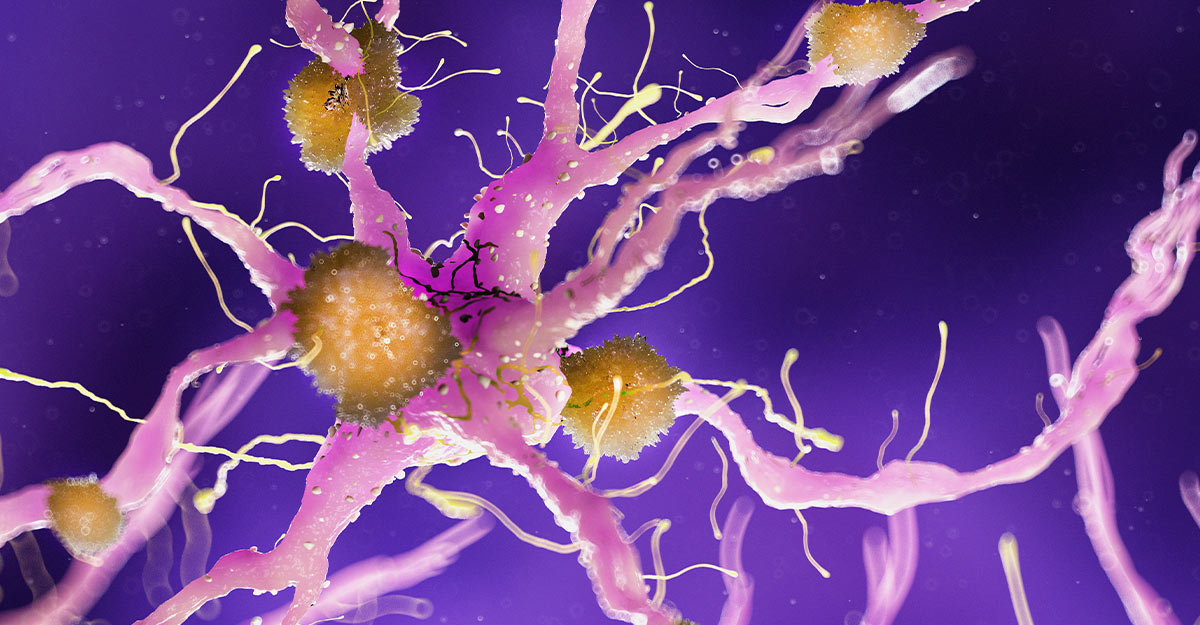
At the neural level, learning depends on plasticity, the brain’s ability to change the strength and structure of connections between neurons. When you learn something new while awake, patterns of neural activity repeat, strengthen, and stabilize. Attention, motivation, and feedback play critical roles in shaping these changes.
Memory is closely related but distinct. Learning refers to the acquisition of new information or skills, while memory refers to the storage and later retrieval of that information. Sleep interacts with both, but not in the same way.
Understanding this distinction is crucial. Much of what people call “sleep-learning” is actually something else entirely.
The Architecture of Sleep
Sleep is not a uniform state. It unfolds in cycles, each containing different stages with distinct patterns of brain activity. Neuroscience identifies two broad categories: non-rapid eye movement sleep and rapid eye movement sleep. Each plays unique roles in brain function.
During non-REM sleep, especially its deeper stages, brain activity slows and becomes more synchronized. Large, slow waves dominate the electrical signals measured from the scalp. During REM sleep, the brain becomes more active and desynchronized, resembling wakefulness in many ways. Dreams are most vivid during this stage.
These stages alternate throughout the night, creating a complex landscape of neural activity. The sleeping brain is not inactive. It is busy, dynamic, and highly organized. But its priorities are different from those of the waking brain.
Consciousness and the Gate to Learning
One of the biggest obstacles to learning during sleep is the role of consciousness. While not all learning requires full awareness, most complex learning depends on attention and conscious engagement.
During sleep, the brain largely disconnects from the external world. Sensory input is reduced, and the thalamus, a key relay station, limits the flow of information to the cortex. This sensory gating protects sleep from disruption but also blocks detailed processing of new information.
This does not mean the sleeping brain is completely deaf or blind. Loud noises can wake you. Your name spoken softly may penetrate sleep more easily than random sounds. But the kind of deep, structured processing required for meaningful learning is largely offline.
In this sense, sleep is not designed for acquiring new information from the outside. It is designed for working on information already inside the brain.
Early Experiments and Disappointments
When scientists first tested sleep-learning claims under controlled conditions, results were sobering. Participants exposed to verbal material during sleep showed little to no ability to recall it later. In many cases, any apparent learning could be explained by brief awakenings or micro-arousals during which the brain momentarily returned to a wake-like state.
As methods improved, researchers became more confident. Complex information such as vocabulary, facts, or problem-solving strategies does not appear to be learned during sleep in any meaningful way. The sleeping brain simply does not encode new declarative memories in the same manner as the waking brain.
This realization led some to dismiss sleep-learning entirely. But neuroscience was only beginning to uncover sleep’s true role in learning.
Memory Consolidation: Learning’s Silent Partner
If sleep does not reliably create new memories, it plays a profound role in shaping existing ones. This process, known as memory consolidation, is one of the most important discoveries in sleep neuroscience.
When you learn something while awake, the memory is initially fragile. It depends heavily on the hippocampus, a brain structure critical for forming new memories. Over time, with the help of sleep, these memories become more stable and more integrated into the cortex, where long-term knowledge resides.
During sleep, especially deep non-REM sleep, patterns of neural activity associated with recent learning replay in compressed form. The brain appears to rehearse what it has learned, strengthening relevant connections and weakening irrelevant ones.
This process does not feel like learning because it happens without awareness. But it profoundly influences how well you remember and use what you learned while awake.
Sleep as the Sculptor of Memory
Memory consolidation is not a simple strengthening of everything learned. Sleep is selective. Some memories are enhanced, while others fade. Emotional relevance, future usefulness, and prior knowledge all influence which memories are prioritized.
This selectivity reveals sleep as an active sculptor rather than a passive storage phase. The brain reorganizes information, extracts patterns, and integrates new knowledge with existing networks.
For example, after learning a motor skill, such as playing a musical sequence or practicing a sport, sleep can improve performance without additional practice. The improvement reflects changes in neural circuits, not new learning from the outside, but refinement of what was already acquired.
In this sense, sleep does not teach you new things, but it teaches your brain how to use what you already know.
Implicit Learning and the Sleeping Brain
The story becomes more nuanced when we consider implicit learning. Implicit learning involves acquiring information without conscious awareness, such as learning patterns or associations without being able to verbalize them.
Some studies suggest that the sleeping brain can form very simple associations, particularly during certain sleep stages. For example, pairing a sound with a smell during sleep can later influence behavior or preferences. These effects are subtle and limited but real.
Importantly, this is not learning in the rich, flexible sense people usually imagine. It does not allow you to master a language or understand new concepts. Instead, it reflects the brain’s capacity to adjust responses based on minimal information, even without awareness.
This kind of learning operates at the edges of consciousness and highlights the brain’s remarkable adaptability.
Language Learning and Sleep: A Persistent Myth
Language learning is one of the most popular targets of sleep-learning claims. The idea of absorbing vocabulary or grammar overnight is deeply appealing. Unfortunately, neuroscience offers little support for this hope.
Language learning requires mapping sounds to meanings, understanding structure, and using context. These processes depend on widespread cortical networks and active engagement. During sleep, these networks are reorganizing existing knowledge, not building new semantic maps from scratch.
However, sleep plays a crucial role in stabilizing and integrating language learning done while awake. Studies consistently show that sleep improves vocabulary retention, pronunciation, and grammatical abstraction after learning sessions.
Sleep is not a language teacher, but it is an essential language tutor, reinforcing lessons already begun.
Dreams and the Illusion of Learning
Dreams complicate our understanding of sleep and learning. Dreams can feel vivid, meaningful, and educational. People sometimes report solving problems or gaining insights in dreams, which fuels the idea that learning occurs during sleep.
Neuroscience suggests that dreams reflect the brain’s offline processing of memories, emotions, and ideas. They recombine elements in novel ways, sometimes leading to creative insights. This can feel like learning because new connections emerge.
However, these insights are not usually the result of new information entering the brain during sleep. They arise from reorganization of existing knowledge. Dreams can inspire, but they do not replace waking learning.
Emotional Learning and Sleep
One area where sleep exerts powerful influence is emotional learning. Emotional memories are often strengthened during sleep, particularly during REM sleep. The brain appears to reprocess emotional experiences, reducing their emotional charge while preserving their informational content.
This process helps explain why sleep can make painful experiences easier to cope with over time. It also influences how emotional associations are formed and modified.
Some experiments suggest that emotional conditioning can be subtly altered during sleep, but again, these effects are limited and not equivalent to complex learning. Sleep shapes emotional memory rather than creating new emotional knowledge from scratch.
The Brain’s Night Shift
A helpful way to think about sleep is as the brain’s night shift. During the day, the brain gathers information, responds to demands, and forms new memories. At night, it reorganizes, cleans up, and optimizes.
Synaptic connections formed during the day are pruned or strengthened. Noise is reduced, patterns are clarified, and resources are redistributed. This process improves learning efficiency and prevents overload.
Trying to add new information during this delicate process is like interrupting a librarian while they are reorganizing shelves. It is not only ineffective but potentially disruptive.
Why the Myth Persists
If neuroscience has repeatedly shown that sleep-learning is limited, why does the idea persist? Part of the answer lies in human psychology. We are drawn to effortless solutions. The promise of learning without effort taps into hope, fatigue, and the pressures of modern life.
Marketing and misinformation also play roles. Claims about sleep-learning are often exaggerated, cherry-picking findings about memory consolidation or implicit learning while ignoring their limitations.
Finally, the real power of sleep in learning is subtle. Because we are not conscious of it, we underestimate it. This invisibility leaves space for myths to flourish.
The Real Power of Sleep for Learning
Understanding what sleep does for learning is more empowering than believing in false shortcuts. Sleep enhances attention, creativity, emotional regulation, and memory. It prepares the brain to learn more effectively the next day.
Chronic sleep deprivation, by contrast, impairs learning at every level. It reduces attention, disrupts memory formation, and weakens consolidation. No amount of nighttime audio can compensate for a tired brain.
The most effective way to “learn while sleeping” is to learn well while awake and then sleep deeply.
The Ethical and Scientific Boundaries
As neuroscience advances, researchers continue to explore how sensory stimulation during sleep affects the brain. This raises ethical questions. Even subtle influence without awareness must be approached with caution.
Science draws a clear line between understanding mechanisms and exploiting them. Current evidence does not support the idea that sleep can be used to implant complex knowledge or skills. This limitation protects autonomy as much as it constrains fantasy.
Future Directions and Open Questions
Neuroscience is still unraveling the mysteries of sleep. New techniques allow more precise measurement and manipulation of brain activity. Researchers continue to ask whether certain forms of learning could be enhanced or guided during sleep without disrupting its natural functions.
The future may reveal ways to optimize consolidation or target specific memories, but any progress will likely remain complementary to waking learning, not a replacement.
The dream of effortless learning may fade, but the reality of sleep’s importance grows stronger with each discovery.
A More Honest, More Beautiful Truth
The truth about learning and sleep is less magical but more profound than the myth. Sleep does not turn your brain into a sponge soaking up new information from the world. Instead, it transforms your brain into a careful editor, revising, refining, and strengthening what you have already learned.
This process honors the human rhythm of effort and rest. Learning requires engagement. Growth requires recovery. Sleep is not an escape from learning but an essential partner in it.
In understanding this, we gain something more valuable than a shortcut. We gain respect for the brain’s wisdom, for the balance it maintains between activity and rest, and for the deep biological roots of learning itself.
You cannot truly learn while sleeping in the way popular culture imagines. But without sleep, learning as we know it would fall apart. And in that quiet, unseen work of the sleeping brain, there is a beauty as powerful as any dream.