Music enters the human brain before words do. Long before a child understands language, rhythm and melody already shape emotion, attention, and movement. A heartbeat, a lullaby, a mother’s voice rising and falling in pitch—these sounds form the earliest neural bridges between the external world and the developing mind. Music is not a decorative addition to human life; it is woven into our biology. Modern neuroscience now confirms what cultures across history intuitively knew: music has the power to re-wire the brain, altering its structure, chemistry, and function in profound and lasting ways.
This re-wiring is not metaphorical. It is literal. Music changes how neurons fire, how networks communicate, and how the brain heals, learns, and adapts. From clinical therapy to cognitive enhancement, music acts as a neurological sculptor, shaping the brain across the entire lifespan. To understand how music re-wires the brain is to understand something fundamental about how the brain itself works.
The Brain as a Musical Organ
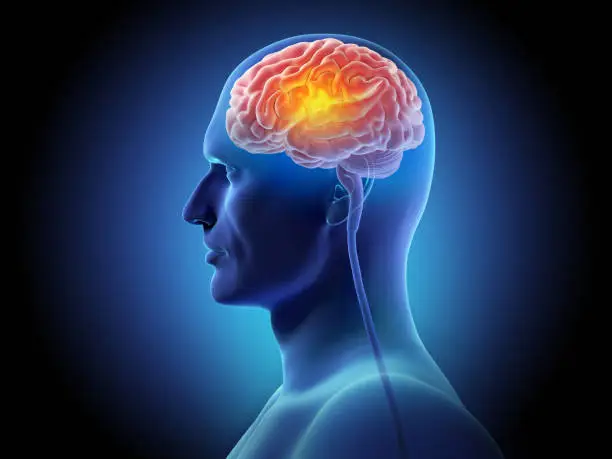
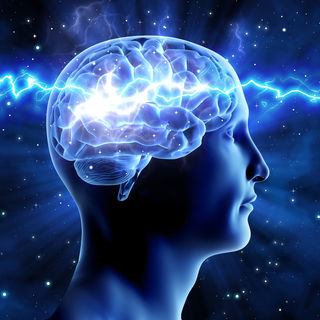
The human brain is exquisitely sensitive to sound. When music enters the ear, it is transformed from vibrating air into electrical signals that race through neural pathways with astonishing speed. But unlike simple noise, music activates nearly every major region of the brain simultaneously. Auditory areas decode pitch and timbre. Motor regions respond to rhythm, often triggering movement even when we sit still. Emotional centers light up in response to harmony and expectation. Memory networks link melodies to personal experiences. Attention systems synchronize to tempo.
Few stimuli engage the brain so broadly and so deeply. Music is not processed in a single “music center.” Instead, it recruits a distributed network that spans both hemispheres, crosses cortical and subcortical regions, and integrates perception, emotion, movement, and cognition into a unified experience. This widespread activation is one reason music has such transformative power. When multiple brain systems are engaged together repeatedly, the connections between them strengthen. Neurons that fire together wire together, and music makes many neurons fire together at once.
Neural Plasticity and the Power of Sound
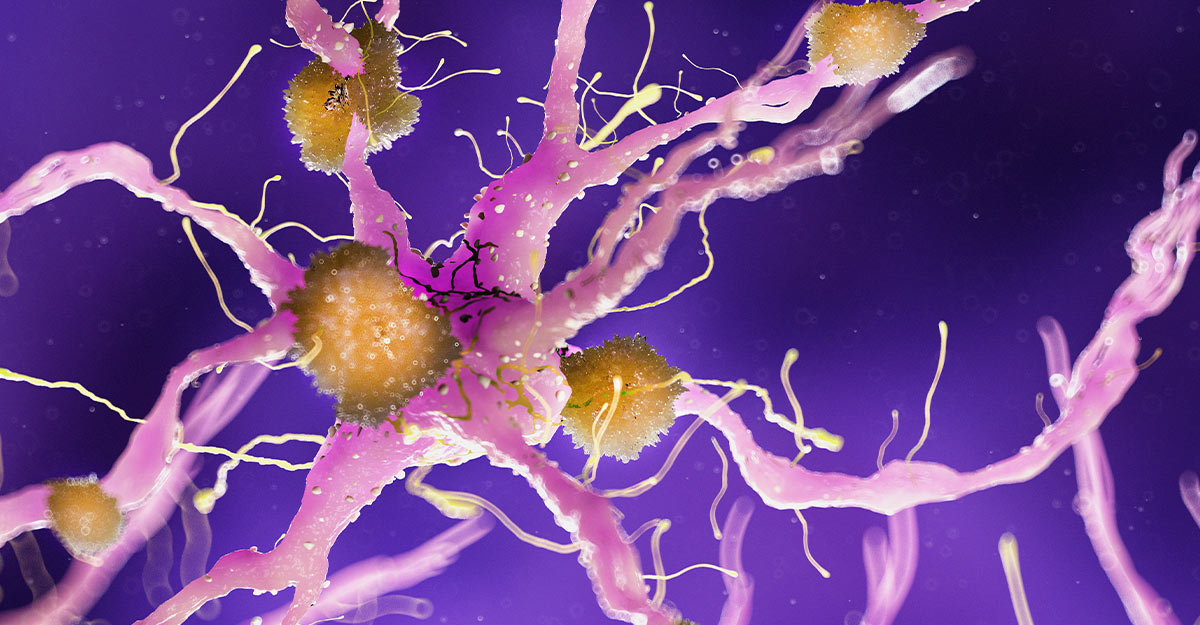
The brain is not fixed. It is plastic, constantly reshaping itself in response to experience. This ability, known as neuroplasticity, allows learning, adaptation, and recovery from injury. Music is one of the most potent drivers of neuroplastic change because it is structured, emotionally engaging, repetitive, and rewarding—all key ingredients for rewiring neural circuits.
When someone listens to or performs music regularly, the brain adapts. Structural changes occur in regions related to auditory processing, motor control, and emotional regulation. White matter pathways, which connect different brain areas, become more efficient. Timing networks become more precise. These changes are not limited to professional musicians. Even casual engagement with music can produce measurable neural effects.
Importantly, music-induced plasticity is not limited to healthy brains. It also operates in injured or diseased brains, making music a powerful tool in neurological rehabilitation. The same mechanisms that support learning can support healing.
Music and Emotion: Chemistry of the Mind
One of music’s most immediate effects is emotional. A song can induce joy, sadness, calm, or excitement within seconds. This emotional impact is not subjective alone; it has a clear neurochemical basis. Music influences the release of neurotransmitters such as dopamine, serotonin, and endorphins, which regulate mood, motivation, and pleasure.
Dopamine release is particularly significant. This chemical is central to reward and learning. When music triggers dopamine, especially during moments of anticipation and resolution, it reinforces neural pathways associated with attention and memory. This means that emotionally powerful music is more likely to be remembered and more likely to influence behavior and thought patterns.
Music also reduces stress-related hormones such as cortisol. Lower cortisol levels are associated with improved immune function, better memory, and enhanced emotional resilience. Over time, repeated exposure to music that induces relaxation can recalibrate the brain’s stress response system, making individuals more resilient to anxiety and emotional overload.
Music as Therapy for the Injured Brain
One of the most remarkable applications of music-induced neuroplasticity is in therapy for brain injury and neurological disorders. Stroke, traumatic brain injury, and neurodegenerative diseases often disrupt networks responsible for movement, speech, and memory. Music can bypass damaged circuits and recruit alternative pathways to restore function.
In patients with speech impairments, for example, singing can activate language abilities that speaking cannot. This occurs because singing engages right-hemisphere networks that can compensate when left-hemisphere language centers are damaged. Through structured musical practice, patients can gradually retrain speech abilities, leveraging melody and rhythm as scaffolding for language.
Motor rehabilitation also benefits from music. Rhythmic auditory stimulation helps patients regain coordinated movement by synchronizing motor output to external beats. The brain naturally aligns movement with rhythm, and this alignment strengthens motor timing networks. Over time, movement becomes smoother, faster, and more controlled, even after severe neurological damage.
Music therapy is not simply emotional support. It is a scientifically grounded intervention that uses sound to reorganize brain function at a fundamental level.
Memory, Music, and the Persistence of Identity
Few things access memory as reliably as music. A song heard decades ago can suddenly bring back vivid images, emotions, and sensations from the past. This phenomenon reveals the deep connection between music and memory networks in the brain.
Music engages the hippocampus, a region critical for forming and retrieving memories, as well as cortical areas that store long-term associations. Because music is emotionally charged and temporally structured, it creates rich, multi-layered memory traces. These traces are more resilient to decay than many other forms of memory.
This resilience has profound implications for neurodegenerative diseases such as dementia. Even when other memories fade, musical memories often persist. Patients who struggle to recognize loved ones may still remember songs from their youth, sing along accurately, and experience emotional connection through music. These moments are not trivial. They demonstrate that music accesses deeply rooted neural pathways that remain intact even as other systems deteriorate.
In this way, music helps preserve identity. It offers a bridge between past and present, allowing individuals to reconnect with themselves even in the face of cognitive decline.
Music and Language: Shared Neural Roots
Music and language share overlapping neural resources. Both involve structured sequences of sounds, hierarchical organization, and timing. Learning music strengthens the brain’s ability to detect patterns, anticipate outcomes, and process rapid auditory information—all skills essential for language comprehension and production.
Research shows that musical training enhances sensitivity to pitch, rhythm, and timbre, which in turn supports language learning. This is particularly evident in early development. Children exposed to music often show improved phonological awareness, vocabulary acquisition, and reading skills. These benefits arise not because music directly teaches language, but because it tunes the auditory and attentional systems that language depends on.
The relationship also works in reverse. Language experience influences musical perception, shaping how the brain interprets melody and rhythm. Together, music and language form a mutually reinforcing system that strengthens communication and cognitive flexibility.
Rhythm, Movement, and the Embodied Brain
Music is not just heard; it is felt. Rhythm, in particular, engages the motor system even when no movement occurs. The brain predicts beats, aligns internal timing mechanisms, and prepares muscles for action. This coupling between sound and movement reflects the embodied nature of cognition.
From an evolutionary perspective, rhythm likely played a role in social coordination. Group movement to shared rhythms fosters cohesion, synchrony, and trust. In the brain, rhythmic synchronization strengthens connections between individuals, aligning attention and emotional states.
On an individual level, rhythmic engagement improves motor planning, balance, and coordination. This is why music naturally accompanies exercise, dance, and rehabilitation. The brain uses rhythm as a temporal framework, organizing movement more efficiently and with less conscious effort.
Music and Attention: Training the Focused Mind
In a world saturated with distractions, attention is a precious resource. Music has a complex relationship with attention, capable of both focusing and dispersing it depending on context. When used intentionally, music can train sustained attention and cognitive control.
Engaging with complex music requires tracking multiple elements simultaneously: melody, harmony, rhythm, and dynamics. This demands active listening, prediction, and adjustment. Over time, this strengthens attentional networks and executive functions involved in planning and self-regulation.
For performers, the attentional demands are even greater. Playing music requires precise timing, error monitoring, and rapid adaptation. These skills transfer to non-musical domains, enhancing concentration and mental flexibility in everyday tasks.
Music and the Developing Brain
The developing brain is especially sensitive to musical input. Early musical exposure influences how neural circuits form and specialize. Sound patterns encountered in infancy shape auditory maps that later support language, memory, and emotional regulation.
When children engage in musical activities, they exercise multiple brain systems simultaneously. This multimodal stimulation promotes integrated development rather than isolated skill acquisition. Music becomes a training ground for coordination between perception, action, and emotion.
Importantly, the benefits of musical engagement do not depend on talent or performance level. The brain responds to participation, not perfection. The act of listening, moving, and creating sound is enough to trigger meaningful neural change.
Music and Emotional Regulation
Emotional regulation is a cornerstone of mental health. Music offers a unique pathway for regulating emotions because it operates both consciously and unconsciously. People often use music intuitively to manage mood, reduce anxiety, or process complex feelings.
Neurologically, music modulates activity in the limbic system, which governs emotion, and the prefrontal cortex, which supports regulation and reflection. Through repeated use, music can strengthen top-down control over emotional responses, helping individuals respond more flexibly to stress.
This regulatory function makes music a valuable tool in psychological therapy. It provides a non-verbal medium for expression, allowing emotions to be explored and integrated without the pressure of articulation. Over time, this can lead to greater emotional awareness and resilience.
Creativity and the Musical Brain
Music is a powerful catalyst for creativity. Improvisation, composition, and interpretation require the brain to generate novel patterns while respecting structure. This balance between freedom and constraint mirrors creativity in other domains.
Neuroscientific studies show that creative musical activity involves dynamic interaction between spontaneous idea-generation networks and evaluative control systems. Music trains the brain to move fluidly between exploration and refinement, a skill essential for problem-solving and innovation.
Even passive engagement with music can enhance creative thinking by altering mood, broadening attention, and stimulating associative networks. Music creates mental spaces where ideas can connect in unexpected ways.
Music as a Social Brain Connector
Music is rarely a solitary phenomenon. Throughout human history, it has been embedded in rituals, celebrations, and communal gatherings. Singing together, drumming together, and dancing together synchronize brains as well as bodies.
This synchronization has measurable neural effects. Shared musical experiences align neural rhythms between individuals, enhancing empathy and social bonding. Hormones associated with trust and connection increase, reinforcing group cohesion.
In therapeutic contexts, this social dimension is especially powerful. Music can bridge communication gaps, foster belonging, and reduce feelings of isolation. For individuals struggling with social connection, music offers a non-threatening pathway into shared experience.
Cognitive Boost and Lifelong Brain Health
Beyond therapy, music contributes to cognitive enhancement across the lifespan. Regular musical engagement is associated with improved memory, processing speed, and executive function in adults and older individuals. These effects reflect music’s ability to keep neural networks flexible and engaged.
Music challenges the brain without overwhelming it. It offers complexity with pleasure, difficulty with reward. This balance makes it an ideal stimulus for maintaining cognitive vitality. Unlike many cognitive tasks, music sustains motivation through emotional engagement.
In aging populations, music supports cognitive reserve, the brain’s ability to compensate for age-related changes. By strengthening alternative pathways and maintaining network efficiency, music helps preserve mental sharpness and quality of life.
The Science and the Mystery
Despite extensive research, music retains an element of mystery. Why certain combinations of sounds move us so deeply remains an open question. Cultural learning, biological predisposition, and individual experience intertwine in complex ways.
What science does reveal is that music’s power is not accidental. It arises from the brain’s architecture, its sensitivity to pattern, emotion, and time. Music resonates with the brain because it reflects the brain’s own rhythms and structures.
This alignment explains why music feels both deeply personal and universally human. It speaks to something fundamental in how the brain organizes experience.
Music as a Neural Companion
Music accompanies us through life’s transitions. It marks beginnings and endings, celebrations and mourning, solitude and connection. Through all these moments, it quietly shapes the brain, reinforcing pathways of feeling, thought, and memory.
The idea that music re-wires the brain is not a poetic exaggeration. It is a scientific reality with profound implications. Music heals, trains, connects, and transforms. It offers therapy without words and cognitive growth without force.
In listening, in singing, in moving to rhythm, the brain changes. And in those changes, we find not only improved function but deeper connection—to ourselves, to others, and to the intricate patterns of life itself.