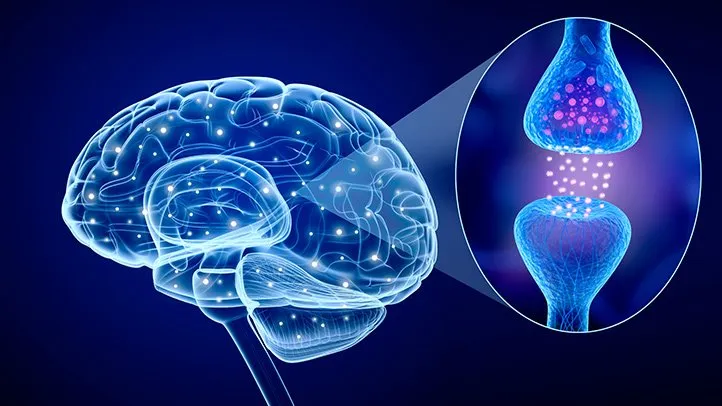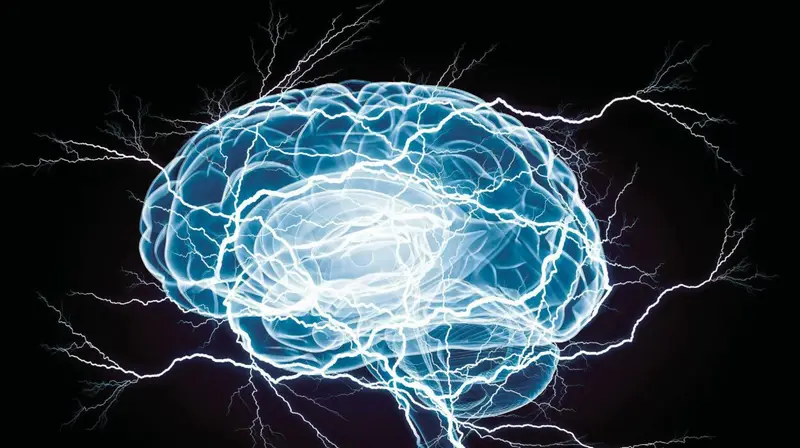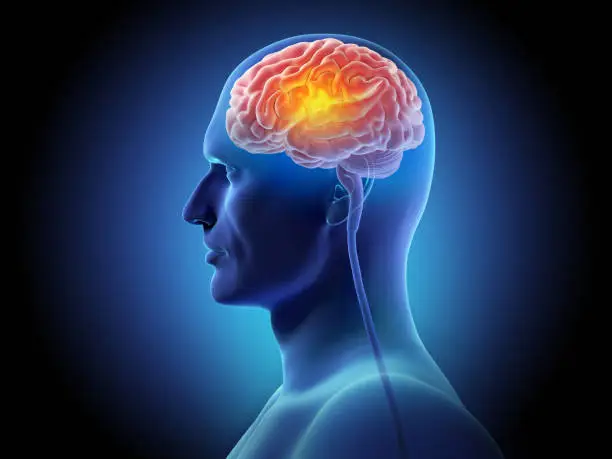
Every night, as the world grows quiet and consciousness loosens its grip, something extraordinary begins inside your head. While your body lies still and your thoughts drift into dreams, your brain undertakes one of the most vital tasks for its survival: it cleans itself. This is not a metaphor. It is a literal, physical process in which waste products are flushed away, toxins are cleared, and neural balance is restored. This remarkable system is known as the glymphatic system, and it transforms our understanding of sleep from passive rest into an active, life-preserving ritual.
For centuries, sleep was considered a mysterious pause, a necessary shutdown with unclear purpose. People sensed its importance emotionally and physically, yet science struggled to explain why the brain, the most energy-hungry organ in the body, would spend nearly a third of life offline. The discovery of the glymphatic system changed that narrative forever. Sleep, it turns out, is not a time when the brain stops working. It is a time when it performs its most essential maintenance.
A Longstanding Mystery: How the Brain Handles Its Waste
Every cell in the body produces waste as a byproduct of normal activity. Muscles generate metabolic leftovers, the liver processes toxins, and the kidneys filter the blood. For most organs, the lymphatic system acts as a sanitation network, carrying away waste and excess fluid. But for a long time, the brain appeared to be an exception. It has no traditional lymphatic vessels penetrating its delicate tissue, and yet it consumes enormous amounts of energy. Where did all that waste go?
This question puzzled scientists for decades. The brain is protected by the blood-brain barrier, a highly selective shield that prevents harmful substances from entering but also limits what can leave. While this barrier is essential for protecting neurons, it complicates waste removal. For years, researchers assumed that waste simply diffused slowly out of brain tissue, an explanation that never fully satisfied the evidence.
The mystery lingered until relatively recently, when advances in imaging technology allowed scientists to observe the living brain in unprecedented detail. What they discovered was not a passive diffusion process, but an active, dynamic system that comes alive during sleep.
The Discovery of the Glymphatic System
The glymphatic system was identified in the early twenty-first century through experiments that revealed a previously unseen flow of fluid through the brain. Researchers observed cerebrospinal fluid, the clear liquid that cushions the brain and spinal cord, moving through brain tissue along specific pathways. This movement was not random. It followed channels formed by glial cells, the supportive cells that vastly outnumber neurons.
The name “glymphatic” reflects this structure. It combines “glial” and “lymphatic,” highlighting that this system functions like the body’s lymphatic system but relies on glial cells rather than traditional lymph vessels. This was a revolutionary insight. It revealed that the brain has its own specialized cleaning mechanism, tailored to its unique structure and needs.
What made this discovery even more striking was when the system was most active. The glymphatic system worked far more efficiently during sleep than during wakefulness. In fact, it appeared to be largely dormant when the brain was awake and alert.
Glial Cells: The Silent Partners of the Mind
For much of neuroscience history, glial cells were treated as background characters. Neurons were the stars, responsible for thought, memory, and consciousness, while glia were considered mere support. The glymphatic system changed that perception.
Glial cells form the scaffolding that supports neurons, but they also regulate the flow of fluids through brain tissue. Specialized extensions of glial cells wrap around blood vessels, creating channels through which cerebrospinal fluid can move. These channels act like microscopic plumbing, guiding fluid deep into the brain and allowing it to wash over neurons.
As this fluid flows, it picks up waste products produced by neural activity. Among these waste products are proteins that, if allowed to accumulate, can damage brain cells and disrupt communication. The glymphatic system carries these substances away, eventually directing them out of the brain and into the body’s broader waste disposal systems.
Why Sleep Unlocks the Brain’s Cleaning Mode
One of the most fascinating aspects of the glymphatic system is its dependence on sleep. When you fall asleep, particularly during deep, slow-wave sleep, the physical structure of your brain changes in subtle but profound ways. Neurons shrink slightly, creating more space between cells. This expanded space allows cerebrospinal fluid to flow more freely through brain tissue.
During wakefulness, neurons are tightly packed, actively firing signals and processing information. This dense activity leaves little room for large-scale fluid movement. The brain prioritizes thinking, sensing, and responding to the world. Cleaning must wait.
Sleep shifts these priorities. Neural activity slows, awareness fades, and the brain reallocates resources. The glymphatic system ramps up, increasing fluid flow and accelerating waste removal. In effect, sleep opens the doors and windows of the brain, allowing a nightly rinse that restores internal balance.
The Role of Cerebrospinal Fluid
Cerebrospinal fluid plays a central role in the glymphatic system. This fluid is often described as a protective cushion, but its function goes far beyond shock absorption. It is a transport medium, carrying nutrients into the brain and waste out of it.
During sleep, waves of cerebrospinal fluid pulse through the brain in rhythm with slow neural oscillations. These pulses are not gentle drips; they are coordinated surges that push fluid deep into brain tissue. As the fluid moves, it mixes with interstitial fluid, the liquid that surrounds brain cells, effectively washing the neural environment.
This washing action is not symbolic. It physically removes metabolic byproducts, excess ions, and potentially harmful proteins. By morning, after a full night of healthy sleep, the brain’s internal environment is cleaner, more balanced, and better prepared for the demands of the day.
Clearing the Debris of Thought
Every thought, memory, and emotion leaves a physical trace. Neural activity consumes energy and generates waste at the molecular level. One of the most studied waste products cleared by the glymphatic system is a protein called beta-amyloid. This protein is produced naturally during normal brain activity, but if it accumulates, it can form plaques that interfere with neural communication.
The buildup of such waste is associated with cognitive decline and neurodegenerative conditions. While the glymphatic system does not prevent all brain disease, its efficiency plays a crucial role in maintaining long-term brain health. Sleep deprivation, by impairing this cleaning process, allows waste to accumulate more rapidly.
This connection gives new urgency to the simple act of sleeping. Sleep is not just about feeling rested. It is about giving the brain time to clear the debris of consciousness itself.
The Emotional Weight of Sleep Deprivation
Anyone who has experienced prolonged lack of sleep knows its emotional toll. Irritability, anxiety, sadness, and mental fog creep in, sometimes unexpectedly. These emotional effects are often attributed to stress or hormonal imbalance, but the glymphatic system offers a deeper explanation.
When the brain cannot clean itself effectively, its internal environment becomes cluttered. Neural signaling becomes less efficient, and regions involved in emotional regulation struggle to communicate smoothly. The result is not just tiredness, but emotional instability.
This perspective reframes sleep deprivation as a form of neural pollution. Without adequate sleep, the brain is forced to operate in a dirty environment, struggling to function optimally. Over time, this burden compounds, affecting mood, memory, and decision-making.
Sleep Stages and Glymphatic Efficiency
Not all sleep is equal when it comes to brain cleaning. Deep sleep, characterized by slow brain waves, appears to be especially important for glymphatic activity. During this stage, neural firing slows dramatically, and the space between brain cells increases the most.
Dream-filled sleep, while crucial for memory processing and emotional integration, may not support glymphatic flow to the same extent. This does not diminish its importance, but it highlights that a balanced sleep cycle, with sufficient deep sleep, is essential for comprehensive brain maintenance.
As people age, deep sleep often becomes shorter and more fragmented. This change may partly explain why waste clearance becomes less efficient over time, potentially contributing to age-related cognitive decline. Understanding this relationship underscores the importance of protecting sleep quality throughout life.
Aging, the Glymphatic System, and Brain Health
The aging brain faces unique challenges. Blood flow changes, glial cell function shifts, and sleep patterns evolve. These changes can affect the efficiency of the glymphatic system. Fluid movement may slow, waste clearance may become less thorough, and the brain’s ability to recover overnight may diminish.
This does not mean decline is inevitable, but it does highlight vulnerability. Lifestyle factors that support healthy sleep become increasingly important with age. Regular sleep schedules, sufficient sleep duration, and conditions that promote deep sleep can help sustain glymphatic function.
Research continues to explore how aging affects this system and how interventions might preserve or enhance its efficiency. The hope is that by supporting the brain’s natural cleaning process, we can protect cognitive function well into later life.
The Glymphatic System and Neurological Disease
Interest in the glymphatic system has grown rapidly because of its potential connection to neurological disorders. Many brain diseases involve the accumulation of abnormal proteins or metabolic waste. Understanding how the brain clears these substances opens new avenues for research and treatment.
While it is important to avoid oversimplification, evidence suggests that impaired glymphatic function may contribute to disease progression. Disrupted sleep, altered fluid flow, or damaged glial cells could reduce the brain’s ability to clear harmful substances.
This insight does not suggest that sleep alone can prevent or cure neurological disease. However, it emphasizes sleep as a foundational pillar of brain health, alongside genetics, environment, and overall physiology.
The Physical Position of Sleep and Brain Cleaning
An intriguing aspect of glymphatic research involves body posture during sleep. Studies suggest that the position of the body can influence how efficiently fluid flows through the brain. Certain positions may facilitate better drainage, while others may be less optimal.
This finding adds a tangible, physical dimension to the idea of brain cleaning. Sleep is not just a state of mind; it is a physical configuration of the body that influences internal processes. While research in this area is ongoing, it reinforces the idea that sleep is an active, structured process with real mechanical consequences.
The Brain as a Living, Breathing System
The discovery of the glymphatic system challenges the idea of the brain as a static organ locked inside the skull. Instead, it reveals a dynamic environment where fluids circulate, cells adjust their shape, and rhythms emerge in synchrony with sleep.
The brain breathes in a sense, expanding and contracting its internal spaces to allow cleansing. This rhythmic flow is deeply tied to the rhythms of sleep, heart rate, and blood flow. The brain is not isolated from the rest of the body but integrated into its cycles.
This perspective invites a more holistic view of brain health, one that recognizes the interplay between sleep, circulation, cellular function, and mental well-being.
Modern Life and the Threat to Nightly Brain Cleaning
In the modern world, sleep is often treated as negotiable. Artificial light, constant connectivity, irregular schedules, and chronic stress all interfere with natural sleep patterns. From the perspective of the glymphatic system, these disruptions are not minor inconveniences but serious obstacles to brain maintenance.
Shortened sleep reduces the time available for cleaning. Fragmented sleep interrupts deep sleep stages when glymphatic activity is highest. Irregular sleep confuses the body’s internal clocks, potentially affecting fluid flow rhythms.
Over time, these disruptions may place cumulative stress on the brain. While the brain is resilient, it is not invincible. Respecting sleep as a biological necessity rather than a luxury becomes an act of self-preservation.
Dreams, Silence, and the Quiet Work Within
There is something profoundly poetic about the idea that while we dream, our brains are being washed clean. Dreams often feel vivid, emotional, and strange, yet beneath this theater of the mind, a quieter process unfolds. Waste is cleared. Balance is restored. The stage is swept for another day of consciousness.
This duality captures the beauty of sleep. It is both a time of inner storytelling and silent labor. The glymphatic system works without our awareness, indifferent to the content of our dreams, focused only on the health of the neural landscape.
Understanding this process can deepen our relationship with sleep, transforming it from an obligation into a gift we give our brains every night.
The Scientific Humility of Ongoing Discovery
The glymphatic system, despite its importance, is still an active area of research. Scientists continue to refine their understanding of how it works, how it is regulated, and how it interacts with disease. New imaging techniques and experimental models are revealing ever more detail.
This ongoing discovery is a reminder of scientific humility. Even something as fundamental as how the brain cleans itself remained hidden for most of human history. There may be other systems, equally vital, waiting to be discovered.
The story of the glymphatic system teaches us that the brain still holds secrets, and that sleep, one of the most familiar human experiences, contains depths we are only beginning to explore.
Reframing Sleep as an Act of Care
When we understand the glymphatic system, sleep takes on a new emotional meaning. Going to bed is no longer just surrendering to fatigue. It is an intentional act of care for the most complex organ we possess.
Each night of good sleep supports memory, emotional resilience, and long-term brain health. Each night of insufficient sleep quietly erodes these foundations. This is not a moral judgment, but a biological reality.
By honoring sleep, we honor the silent system that works tirelessly to keep our minds clear. We allow the brain to do what evolution designed it to do: clean, reset, and prepare for another day of thought, feeling, and experience.
The Nightly Gift We Often Overlook
The glymphatic system does its work without fanfare. There is no sensation of cleansing, no conscious awareness of fluid flowing through neural spaces. Yet its impact is profound. It shapes how we think, how we feel, and how we age.
Every morning we wake with a brain that has been quietly tended through the night. When sleep has been sufficient, this gift feels like clarity, focus, and emotional balance. When it has been lacking, the absence is just as noticeable.
In understanding how the brain washes itself during sleep, we gain more than scientific knowledge. We gain perspective. Sleep becomes not wasted time, but sacred time. Time when the brain, in its own silent wisdom, restores the conditions that make waking life possible.
And so, each night, as consciousness fades and dreams begin, the brain turns inward and begins its essential work. In the darkness, it cleans itself, preparing once again to meet the light.