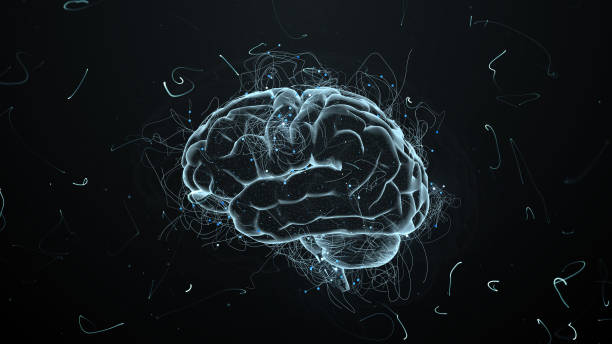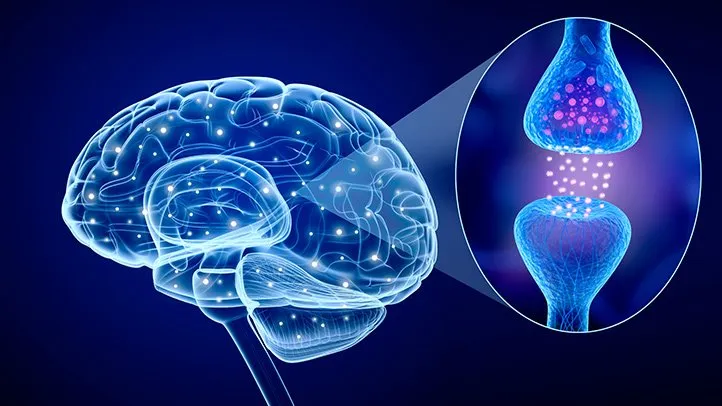
Serotonin is often described as a “feel-good” chemical, but this label only hints at its complexity. Scientifically known as 5-hydroxytryptamine, serotonin is a neurotransmitter that plays a central role in mood regulation, emotional stability, sleep, appetite, learning, and even digestion. Although it is commonly associated with happiness, serotonin’s true function is broader and more nuanced. Rather than creating pleasure directly, it helps stabilize mood and contributes to a sense of well-being, calmness, and emotional balance.
Most people are surprised to learn that the majority of serotonin in the human body is not found in the brain at all, but in the gastrointestinal system, where it helps regulate intestinal movement. The serotonin that influences mood is produced in specialized neurons in the brainstem and distributed throughout the brain via complex neural networks. Because serotonin cannot cross the blood–brain barrier, the brain must synthesize its own supply from precursor molecules, particularly the amino acid tryptophan.
Low or dysregulated serotonin signaling has been associated with conditions such as depression, anxiety disorders, and sleep disturbances. However, serotonin function is not simply a matter of having “too little” or “too much.” It depends on receptor sensitivity, neural pathways, genetic factors, and environmental influences. Understanding how lifestyle and daily habits interact with serotonin biology allows us to explore natural, non-pharmacological ways to support healthy serotonin function.
The Biology Behind Natural Serotonin Production
Serotonin synthesis in the brain begins with tryptophan, an essential amino acid that must be obtained through diet. Once tryptophan enters the brain, it is converted into serotonin through a multi-step enzymatic process that depends on adequate levels of vitamins such as vitamin B6, as well as iron and other cofactors. This process is sensitive to stress hormones, inflammation, and overall metabolic health.
Neurons that produce serotonin project to many regions of the brain involved in emotion, decision-making, and stress response. These projections help explain why serotonin influences such a wide range of psychological states. Importantly, serotonin activity is shaped not only by how much is produced, but also by how efficiently it is released, reabsorbed, and received by target neurons. Lifestyle factors can influence each of these steps.
Natural approaches to supporting serotonin aim to create biological conditions that favor its synthesis and effective signaling. These approaches do not override the brain’s chemistry in the way medication can, but instead work gradually by aligning behavior, environment, and physiology with the brain’s natural regulatory systems.
Sunlight, Circadian Rhythms, and Serotonin Balance
Exposure to natural light is one of the most powerful and well-documented ways to influence serotonin activity. Bright light stimulates serotonin production in the brain, particularly in regions associated with mood regulation. This relationship helps explain why mood disorders often worsen during darker months and why light-based interventions can be effective for seasonal mood changes.
Sunlight also plays a crucial role in regulating circadian rhythms, the internal biological clocks that govern sleep–wake cycles. Healthy circadian rhythms support balanced serotonin signaling during the day and proper conversion of serotonin into melatonin at night. When sleep patterns are disrupted, serotonin regulation often suffers, contributing to irritability, low mood, and fatigue.
Regular exposure to daylight, especially in the morning, sends a strong signal to the brain that it is time to be alert and engaged. This not only supports serotonin synthesis but also reinforces the timing of other neurochemical processes. Over time, consistent light exposure can improve sleep quality, energy levels, and emotional resilience.
Physical Activity and the Neurochemistry of Movement
Exercise is one of the most reliable natural methods for supporting serotonin function, and its effects are supported by extensive scientific research. Physical activity increases the availability of tryptophan in the brain by altering the balance of competing amino acids in the bloodstream. This shift allows more tryptophan to cross the blood–brain barrier and be converted into serotonin.
Beyond biochemical changes, exercise stimulates the release of growth factors that promote neural health and plasticity. These changes enhance the brain’s ability to respond to serotonin signals, making existing serotonin more effective. Movement also reduces stress hormone levels, particularly cortisol, which can otherwise interfere with serotonin synthesis and receptor sensitivity.
Importantly, the mood-supportive effects of exercise are not limited to intense workouts. Moderate, consistent physical activity such as walking, cycling, or swimming has been shown to support emotional well-being. The key factor is regular engagement rather than intensity. Over time, movement becomes a biological signal of safety and vitality, reinforcing stable serotonin signaling.
Nutrition and the Building Blocks of Serotonin
Diet influences serotonin in both direct and indirect ways. Tryptophan-containing foods provide the raw material for serotonin synthesis, while other nutrients support the enzymes involved in its production. Complex carbohydrates can enhance tryptophan availability by triggering insulin release, which reduces competition from other amino acids in the bloodstream.
Micronutrients such as vitamin B6, magnesium, iron, and zinc play essential roles in neurotransmitter metabolism. Deficiencies in these nutrients can impair serotonin synthesis even when tryptophan intake is adequate. A nutritionally diverse diet supports not only serotonin production but also overall brain health and metabolic stability.
The gut–brain connection adds another layer of complexity. Intestinal health influences systemic inflammation and the production of signaling molecules that communicate with the brain. A balanced gut environment supports stable neurotransmitter function, including serotonin. Although dietary changes alone are not a cure for mood disorders, they form a foundational component of natural serotonin support.
Sleep as a Regulator of Emotional Chemistry
Sleep and serotonin are deeply interconnected. Serotonin activity helps regulate sleep cycles, while adequate sleep supports healthy serotonin signaling. Disrupted sleep can impair serotonin receptor function and increase vulnerability to mood disturbances. Chronic sleep deprivation has been associated with changes in emotional regulation and stress sensitivity.
Quality sleep allows the brain to recalibrate its neurotransmitter systems. During restorative sleep stages, neural circuits involved in emotion processing undergo maintenance and adjustment. This process helps ensure that serotonin signaling remains balanced and responsive.
Establishing consistent sleep patterns reinforces circadian rhythms and supports the natural daily fluctuations of serotonin and melatonin. Over time, improved sleep quality can lead to more stable mood, greater emotional resilience, and improved cognitive function.
Stress Reduction and the Preservation of Serotonin Function
Chronic stress exerts a powerful influence on brain chemistry, including serotonin pathways. Prolonged activation of the stress response increases cortisol levels, which can interfere with serotonin synthesis and reduce receptor sensitivity. Stress also promotes inflammation, further disrupting neurotransmitter balance.
Natural stress-reduction practices support serotonin indirectly by restoring a sense of safety and physiological equilibrium. Techniques that activate the parasympathetic nervous system, such as controlled breathing and mindful awareness, reduce stress hormone output and allow serotonin signaling to function more efficiently.
Over time, reduced stress reactivity reshapes neural circuits involved in emotional regulation. This process does not eliminate difficult emotions, but it improves the brain’s capacity to return to baseline after stress, a quality closely linked to healthy serotonin activity.
Social Connection and Emotional Regulation
Human beings are inherently social, and social interaction has measurable effects on brain chemistry. Positive social experiences stimulate neural pathways associated with reward, trust, and emotional regulation. These experiences influence serotonin signaling in regions of the brain involved in mood and self-perception.
Social isolation, by contrast, is associated with increased stress markers and altered neurotransmitter function. Loneliness can amplify negative emotional states and disrupt sleep and appetite, indirectly affecting serotonin balance. Meaningful social connection provides emotional buffering against stress and supports neurochemical stability.
Importantly, the quality of social interaction matters more than quantity. Feeling understood, supported, and valued has a stronger impact on emotional well-being than superficial contact. These experiences reinforce neural patterns associated with safety and belonging, which in turn support balanced serotonin function.
Mindfulness, Attention, and Brain Plasticity
Mindfulness and related contemplative practices influence brain function in ways that support emotional regulation. Neuroimaging studies have shown that regular mindfulness practice is associated with changes in brain regions involved in attention, stress response, and mood regulation. These changes reflect increased neural flexibility and improved integration of emotional information.
By training attention and reducing habitual rumination, mindfulness reduces cognitive patterns that can suppress positive mood states. This mental shift lowers stress reactivity and supports healthier neurotransmitter dynamics. Although mindfulness does not directly increase serotonin production, it enhances the brain’s ability to use existing serotonin effectively.
Over time, mindful awareness fosters a more stable relationship with emotional experiences. This stability supports long-term emotional well-being and resilience, outcomes closely associated with healthy serotonin signaling.
Purpose, Meaning, and Neurochemical Balance
A sense of purpose influences mental health in profound ways. Psychological research consistently shows that individuals who experience meaning in their lives report greater emotional stability and resilience. Purposeful engagement activates brain networks associated with motivation and reward, influencing neurotransmitter systems including serotonin.
Meaningful activities provide structure and predictability, both of which reduce stress and support circadian regulation. They also encourage behaviors such as regular movement, social interaction, and cognitive engagement, all of which indirectly support serotonin function.
From a biological perspective, purpose signals to the brain that effort is worthwhile. This signal shapes emotional processing and supports sustained well-being. While purpose alone cannot resolve clinical mood disorders, it forms a powerful context in which natural serotonin support mechanisms can operate more effectively.
The Limits of Natural Approaches and the Importance of Balance
Natural strategies for supporting serotonin offer meaningful benefits, but it is essential to understand their limits. Mood disorders are complex conditions influenced by genetics, neurobiology, environment, and life experience. For some individuals, medication or clinical intervention is necessary to restore functional balance.
Natural approaches should not be viewed as replacements for professional care when such care is needed. Instead, they can be understood as foundational practices that support brain health and emotional resilience. Even when medical treatment is required, lifestyle factors often play a complementary role in long-term well-being.
Scientific accuracy requires acknowledging that serotonin is only one component of mood regulation. Other neurotransmitters, hormones, and neural circuits contribute to emotional experience. Focusing solely on serotonin oversimplifies the biology of mental health, but understanding its role provides a valuable entry point into broader self-care practices.
A Holistic View of Serotonin and Well-Being
Boosting serotonin naturally is not about forcing happiness or eliminating negative emotions. It is about supporting the brain’s capacity for balance, adaptability, and resilience. Through light exposure, movement, nutrition, sleep, stress management, social connection, and meaningful engagement, individuals can create conditions that favor healthy serotonin function.
These practices work slowly and subtly, reshaping physiology over time rather than producing immediate changes. Their strength lies in sustainability and alignment with the body’s natural regulatory systems. By respecting the complexity of brain chemistry and the individuality of human experience, natural serotonin support becomes part of a broader commitment to health.
Ultimately, serotonin reflects the brain’s ongoing dialogue with the body and the environment. When daily life supports this dialogue, emotional well-being becomes more stable and resilient. The pursuit of natural serotonin balance is therefore not a search for constant happiness, but a cultivation of inner steadiness in a changing world.