In a world that celebrates constant motion, productivity without pause, and wakefulness as a moral virtue, the idea that closing your eyes for twenty minutes could transform your mind feels almost rebellious. Yet hidden beneath the noise of modern life is a simple biological truth: the human brain was never designed to run endlessly without rest. Power naps, once dismissed as laziness or indulgence, are now being recognized as a precise, powerful tool for restoring mental clarity, emotional balance, and cognitive strength.
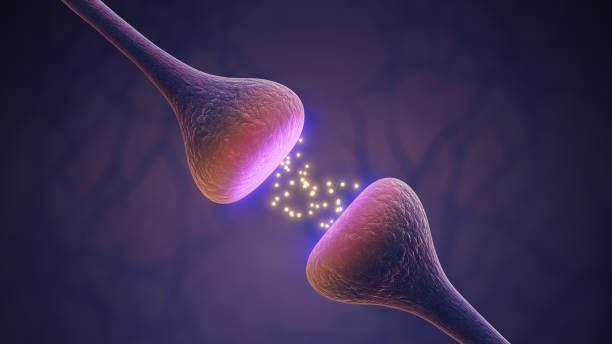
The science of power naps is not about escaping responsibility or avoiding effort. It is about understanding the rhythms of the brain and working with them rather than against them. Twenty minutes may sound insignificant in the scale of a full day, but within that brief window, profound neurological changes can take place. The brain can reset its alertness systems, clear metabolic waste, and reestablish optimal communication between neurons. This is not magic, nor is it wishful thinking. It is biology doing what it evolved to do.
Why the Brain Craves Short Sleep
To understand why a short nap can be so powerful, it helps to understand how the brain experiences wakefulness. From the moment you wake up in the morning, a subtle pressure begins to build inside your nervous system. This pressure is known as sleep drive, and it is regulated by chemical signals that accumulate the longer you stay awake. One of the most important of these signals is adenosine, a molecule that gradually builds up in the brain and interferes with neural firing, making you feel slower, foggier, and less alert.
This process is not a failure of willpower. It is an unavoidable consequence of being human. The brain is an energy-hungry organ, and its cells generate metabolic byproducts as they work. Without periods of rest, these byproducts accumulate and reduce efficiency. A short nap interrupts this buildup. Even without entering deep sleep, the brain can begin clearing adenosine and restoring a sense of mental sharpness.
The craving for a midday nap is not accidental. Human alertness naturally dips in the early afternoon, even in people who slept well at night. This dip is tied to circadian rhythms, the internal clock that governs sleep, hormone release, body temperature, and cognitive performance. Power naps work because they align with this biological lull rather than fighting it.
The Difference Between a Power Nap and Real Sleep
A power nap is not the same as nighttime sleep, and it is not meant to replace it. Nighttime sleep moves the brain through a complex sequence of stages, including deep slow-wave sleep and rapid eye movement sleep, each with its own restorative functions. A power nap, by contrast, stays mostly in the lighter stages of sleep or even at the boundary between wakefulness and sleep.
This distinction is crucial. When naps extend too long, especially beyond thirty minutes, the brain may enter deeper sleep stages. Waking from those stages can produce sleep inertia, a state of grogginess and disorientation that temporarily impairs performance. The beauty of a twenty-minute nap lies in its precision. It is long enough to refresh neural circuits but short enough to avoid the heaviness of deep sleep.
During this brief rest, the brain shifts its activity patterns. Neural firing becomes more synchronized, stress-related hormones decrease, and the autonomic nervous system moves toward a calmer state. These changes can occur even if the nap feels light or fragmented. The brain does not require full unconsciousness to benefit.
How Power Naps Reset Attention and Focus
Attention is one of the first mental abilities to degrade with prolonged wakefulness. Tasks that require sustained concentration, quick reactions, or error detection become harder as the day progresses. Power naps counteract this decline by restoring activity in the brain’s attentional networks.
Neuroscientific studies show that after a short nap, regions of the brain responsible for alertness and executive control show increased efficiency. This means fewer neural resources are required to perform the same task, leaving more capacity available for complex thinking. Reaction times improve, mistakes decrease, and the subjective feeling of mental sharpness returns.
This reset is particularly noticeable in environments that demand vigilance, such as driving, studying, or monitoring complex systems. A twenty-minute nap can produce performance improvements comparable to those achieved by caffeine, without the jitteriness or sleep disruption that stimulants often cause.
Memory, Learning, and the Power Nap Effect
Memory is not formed in a single step. New information must be encoded, stabilized, and integrated into existing knowledge. Sleep plays a crucial role in this process, and even short naps can support memory consolidation.
During a power nap, the hippocampus, a brain structure essential for forming new memories, can replay recent experiences. This replay strengthens neural connections and helps protect memories from interference. As a result, people who nap after learning often show better recall and improved ability to apply what they learned.
This effect is not limited to academic learning. Skill acquisition, emotional processing, and creative insight can also benefit. Musicians, athletes, and artists often report clearer execution and new perspectives after a short nap. The brain uses rest not only to recover but to reorganize.
Emotional Regulation and Mental Resilience
Beyond cognition, power naps influence emotional balance. Fatigue amplifies emotional reactions, making stress feel heavier and frustrations more intense. A tired brain struggles to regulate mood because the prefrontal cortex, which helps control emotional responses, becomes less effective when sleep-deprived.
A short nap can restore this regulatory capacity. Stress hormones such as cortisol decrease, while parasympathetic nervous system activity increases. This shift promotes calmness and emotional stability. After a nap, people often report feeling more patient, more optimistic, and better able to cope with challenges.
This emotional reset is especially valuable in high-pressure environments. Healthcare workers, caregivers, and individuals facing demanding schedules can use power naps as a tool for psychological resilience, not as an escape, but as a form of maintenance.
The Brain’s Cleaning System at Work
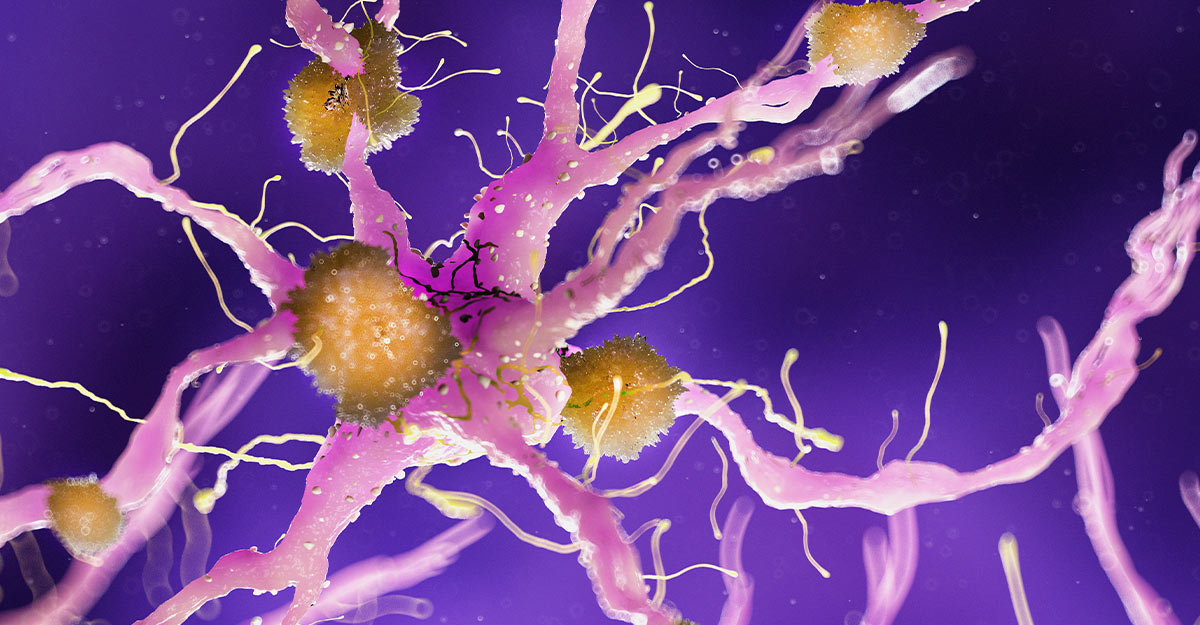
One of the most fascinating discoveries in sleep science is the existence of the brain’s waste-clearing system, often referred to as the glymphatic system. This system becomes more active during sleep, allowing cerebrospinal fluid to wash through brain tissue and remove metabolic waste products.
While this cleaning process is most active during deep sleep, even light sleep can contribute. A power nap provides a brief window during which this system can begin its work. Clearing waste products supports neuronal health and may contribute to the feeling of mental freshness after a nap.
This aspect of napping highlights that rest is not passive. It is an active biological process that protects the brain over the long term. Ignoring the need for rest does not strengthen the brain; it slowly undermines it.
Creativity and the Space Between Thoughts
Creativity thrives not only on effort but on mental space. When the brain is constantly engaged, it tends to follow familiar patterns. Rest disrupts these patterns, allowing new connections to form.
Power naps can enhance creative problem-solving by shifting brain activity away from rigid, goal-directed modes and toward more associative states. In this relaxed condition, ideas can recombine in unexpected ways. Many people experience sudden insights or solutions shortly after waking from a nap, as if the mind quietly worked on the problem in the background.
This phenomenon reflects the brain’s capacity for unconscious processing. When conscious effort pauses, deeper networks can explore possibilities without pressure or distraction. A power nap offers a controlled way to access this state.
The Myth of Laziness and the Culture of Exhaustion
Despite growing scientific support, power naps still face cultural resistance. In many societies, sleep is viewed as unproductive time, and napping during the day is associated with weakness or lack of discipline. This attitude ignores the biological reality that rest enhances performance rather than undermining it.
The culture of exhaustion treats fatigue as a badge of honor, yet chronic sleep deprivation erodes health, judgment, and creativity. Power naps challenge this mindset by reframing rest as a strategic choice. They are not about avoiding work, but about doing it better.
Organizations that recognize this reality are beginning to integrate nap-friendly policies, understanding that alert, emotionally balanced individuals contribute more effectively than exhausted ones. This shift reflects a deeper understanding of human limits and strengths.
Power Naps Across the Lifespan
The benefits of power naps are not limited to a specific age group. Children naturally nap because their developing brains require frequent rest. As people age, circadian rhythms change, and nighttime sleep can become more fragmented. Short daytime naps can help compensate for these changes without disrupting nighttime rest.
In older adults, power naps may support cognitive function and emotional well-being. They can reduce feelings of fatigue without increasing the risk of nighttime insomnia when kept brief. The key is timing and duration, aligning naps with natural circadian dips rather than late-day hours.
Across the lifespan, the brain remains responsive to rest. Power naps tap into this enduring capacity for renewal.
The Ideal Conditions for a Restorative Nap
The effectiveness of a power nap depends not only on duration but on environment and mindset. The brain relaxes more easily in a quiet, dimly lit space with minimal sensory stimulation. Reducing light and noise signals the nervous system that it is safe to disengage.
Mental permission is equally important. Worrying about time or productivity can prevent the brain from entering a restful state. Approaching a nap as intentional and purposeful allows relaxation to occur more quickly.
Even if sleep does not fully arrive, the act of resting quietly with eyes closed can produce many of the same benefits. The brain does not require perfection to respond.
Caffeine, Naps, and Alertness
Caffeine and power naps are often seen as opposing strategies, but they interact in interesting ways. Caffeine blocks adenosine receptors, reducing the feeling of sleepiness without eliminating the underlying chemical buildup. A power nap, by contrast, reduces adenosine itself.
Some people find that consuming caffeine shortly before a nap enhances alertness upon waking, as the caffeine begins to take effect just as the nap clears adenosine. This approach must be used carefully, as caffeine sensitivity varies widely. The core principle remains that naps address the biological root of fatigue rather than masking it.
Power Naps and Physical Health
The brain does not exist in isolation. Short naps influence the entire body. By reducing stress hormones and calming the nervous system, naps can lower heart rate and blood pressure. They may support immune function by reducing the physiological strain of prolonged wakefulness.
While naps cannot replace healthy sleep habits, they can mitigate some of the damage caused by occasional sleep loss. This makes them especially valuable in situations where perfect sleep is not possible, such as shift work or caregiving.
The Boundary Between Help and Harm
Like any tool, power naps must be used wisely. Excessively long or late-day naps can interfere with nighttime sleep, creating a cycle of fatigue. The goal is not to escape wakefulness but to support it.
Understanding personal sleep patterns is essential. What refreshes one person may disrupt another. The science provides general principles, but individual experience fine-tunes their application.
A Small Pause with Profound Effects
At first glance, a twenty-minute nap seems too small to matter. Yet within that pause, the brain recalibrates its chemistry, its rhythms, and its connections. Attention sharpens, emotions settle, and mental space opens.
The power nap is not a shortcut or a trick. It is a reminder that the human brain evolved with rhythms of effort and rest, engagement and withdrawal. Ignoring these rhythms comes at a cost. Honoring them restores balance.
Rethinking Rest in a Wakeful World
The science of power naps invites a broader reflection on how society values rest. Rest is not the opposite of productivity; it is its foundation. A rested brain is more humane, more creative, and more resilient.
By embracing the power nap, we acknowledge our biological reality without shame. We accept that even the most ambitious minds require moments of quiet. In doing so, we do not become weaker. We become wiser.
The Reset Button We Already Have
There is something deeply comforting about the idea that the brain can reset itself with such a simple act. No complex technology is required, no elaborate ritual. Just time, intention, and a willingness to pause.
In twenty minutes, the brain remembers how to be itself again. Focus returns, emotions soften, and the world feels manageable. In a culture obsessed with pushing forward, the power nap teaches us the value of stepping back.
It is a small act with a large impact, a quiet science that speaks volumes about how the brain truly works.