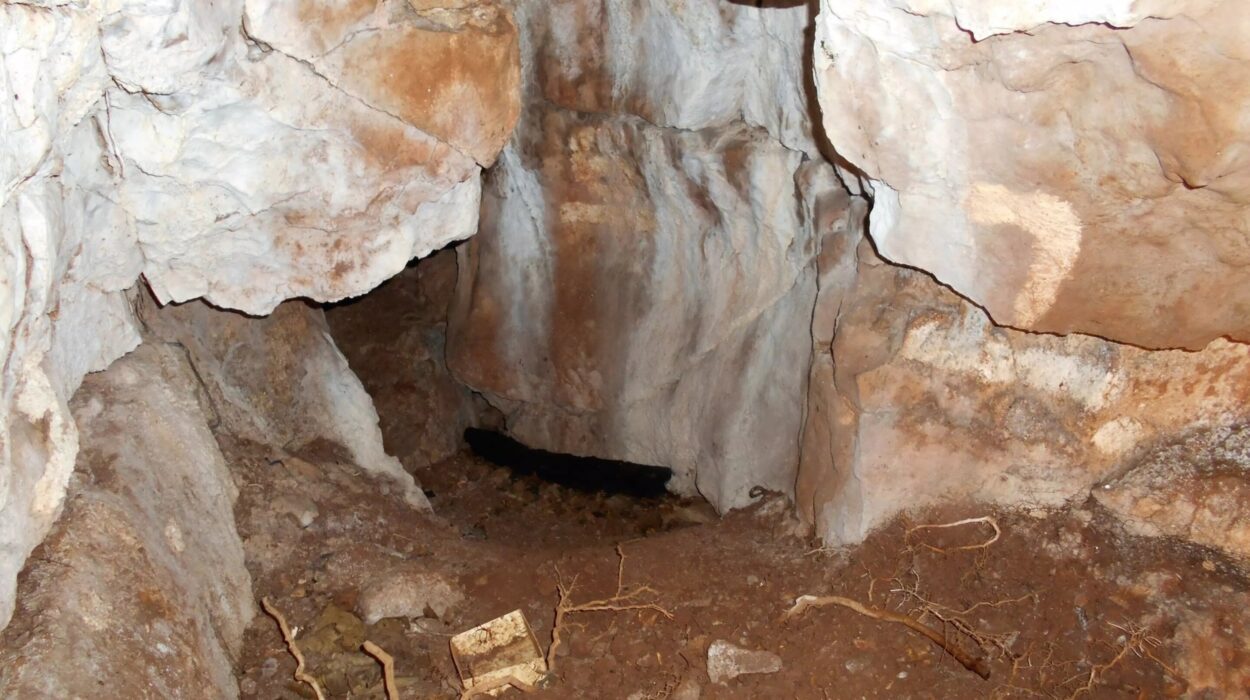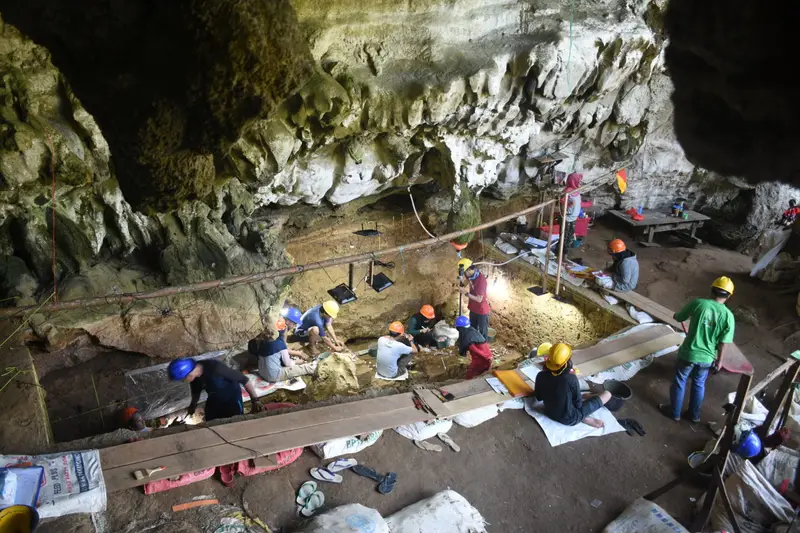
Deep within the limestone heart of southern Sulawesi, a rugged island in the Indonesian archipelago, lies a portal to a world that existed long before our own. The Maros-Pangkep karst area is a landscape of dramatic cliffs and hidden chambers, but one particular cave, known as Leang Bulu Bettue, has recently surrendered a secret that could rewrite the story of how our ancestors navigated the ancient world. For years, an international team of archaeologists has been peeling back the layers of the earth, descending into a history that stretches back hundreds of thousands of years.
As the team dug deeper into the cave floor, they realized they weren’t just looking at the remnants of Homo sapiens life. They were looking at a timeline that went much, much further back. The central mystery driving their exhaustion and excitement is a simple, haunting question: Did our species walk these same paths as an archaic, now-extinct human relative? If they lived on the same island at the same time, did they ever stand face-to-face in the flickering light of a cave fire?
Echoes from a Million Years Ago
To understand the magnitude of what has been found at Leang Bulu Bettue, one must first understand the island’s unique position in human history. While modern humans are thought to have arrived on Sulawesi sometime before the initial peopling of Australia around 65,000 years ago, they were far from the first to call this place home. Recent studies have confirmed that archaic hominins occupied Sulawesi as far back as 1.04 million years ago.
The team, led by researchers from Griffith University, has spent several seasons uncovering a sequence of archaeological deposits that is staggering in its depth. They have excavated at least eight meters below the current ground surface, revealing a near-continuous record of life. This isn’t just a shallow grave or a temporary camp; it is a flagship site for human evolution. The deeper the researchers go, the further they travel back through time, reaching layers that preserve traces of activity far older than the arrival of our species.
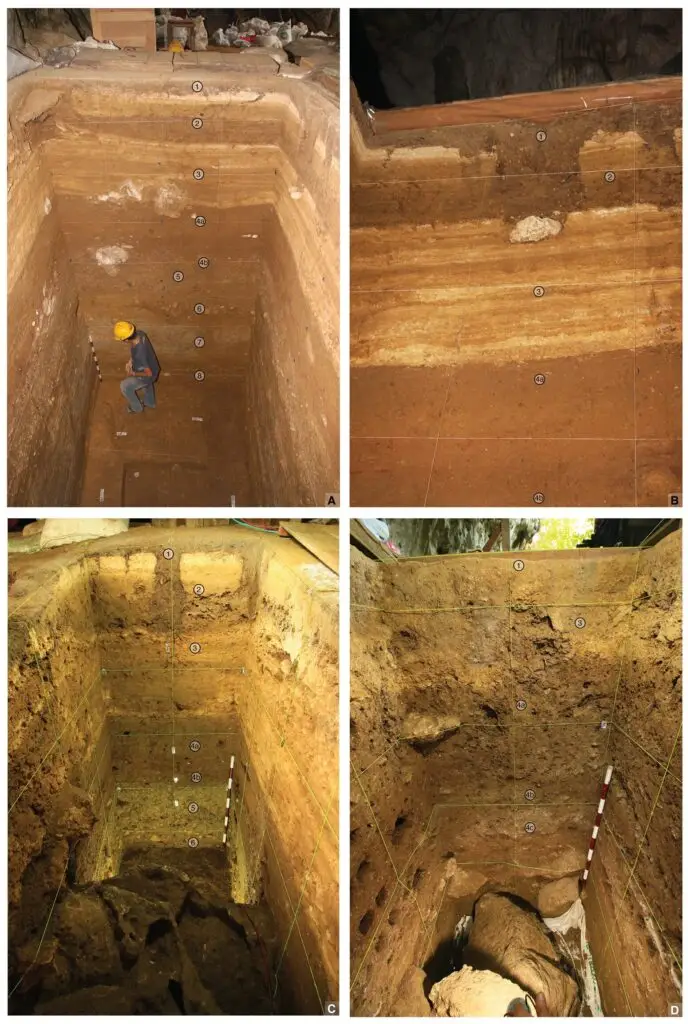
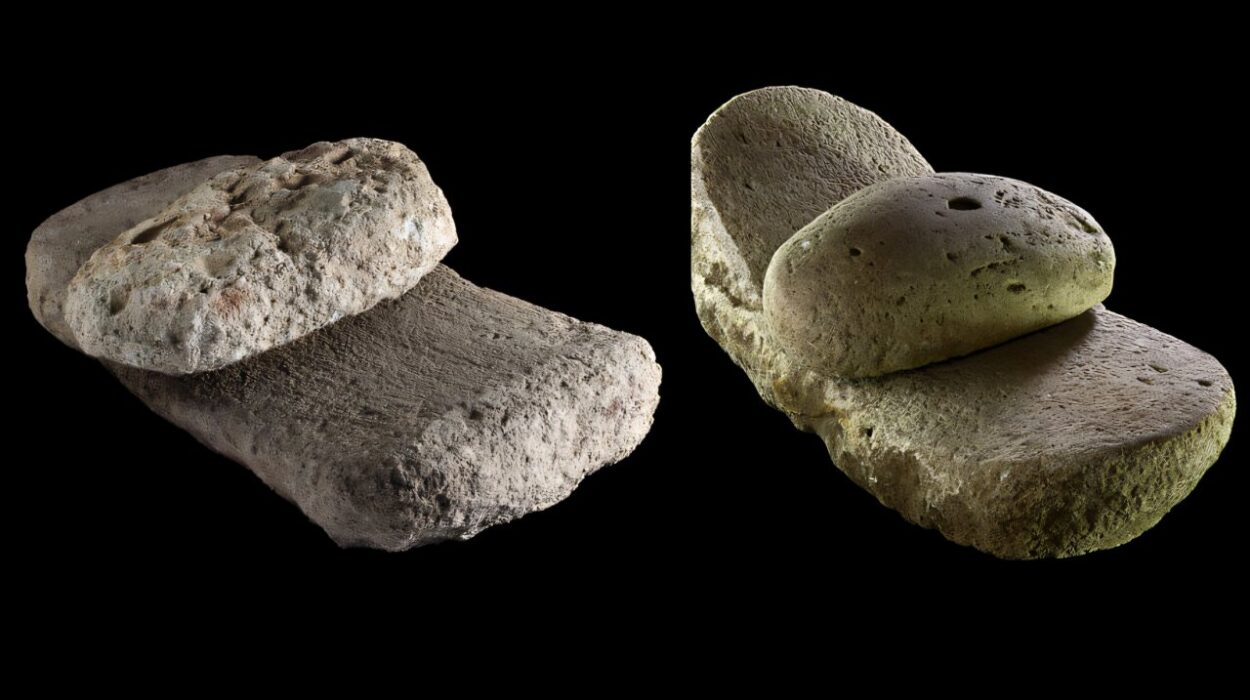
In these deepest layers, dating to earlier than 132,300 to 208,400 years ago, the story of a lost people begins to emerge. Long before Homo sapiens had even left Africa, these archaic inhabitants were busy surviving. The evidence of their presence is written in the stone. Excavators found distinctive, heavy-duty stone tools known as picks, which represent a cultural tradition that persisted on the island well into the Late Pleistocene.
A World of Giants and Dwarfs
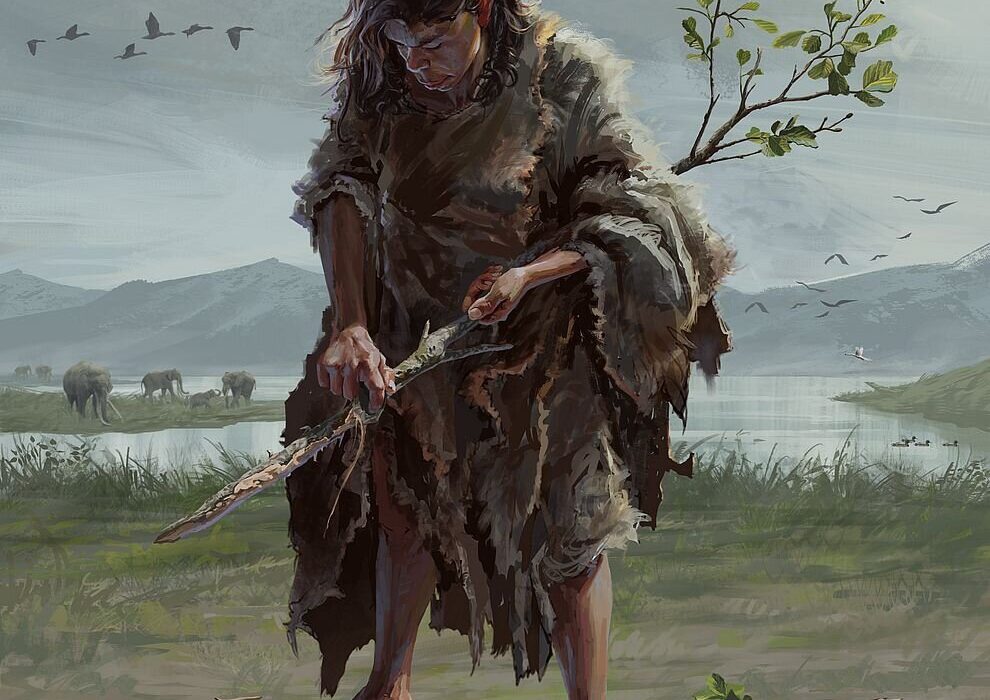
The life of these ancient inhabitants was tied intimately to the strange and wonderful creatures of prehistoric Sulawesi. The archaeological record shows that these archaic humans were skilled at animal butchery, processing a fauna that looks very different from what we see today. Their world was populated by dwarf bovids, known as anoas. These were wild cattle, roughly the size of a Labrador, that were endemic to the island.
Alongside these miniature cattle lived massive giants: now-extinct Asian straight-tusked elephants. For hundreds of thousands of years, this archaic population lived in a stable, predictable way, using cobble-based core and flake technologies to navigate their environment. Their tools were functional and enduring, a testament to a lineage that survived on the island for nearly a million years.
However, as the archaeologists moved up through the layers of the cave, the story took a sudden and dramatic turn. Around 40,000 years ago, the record shows a sharp break from the past. The heavy picks and simple stone flakes of the archaic hominins were replaced by a completely different technological toolkit. This wasn’t a gradual evolution; it was a revolution.
The Turning Point of a Species
This new phase of life in the cave brought with it the hallmarks of our own species. For the first time, the archaeological record at Leang Bulu Bettue begins to show evidence of artistic expression and symbolic behavior. These are the “fingerprints” of Homo sapiens. The arrival of modern humans introduced a level of complexity and cultural flair that the island had never seen before.
The researchers believe this distinct behavioral break reflects a major demographic transition. It marks the moment when our ancestors entered the local environment and the earlier, archaic population began to disappear. The question that lingers in the humid air of the cave is whether this transition was a quiet replacement or a period of complex chronological overlap.
Because Homo sapiens are believed to have reached Sulawesi before the 65,000-year mark, and the archaic traditions seem to have persisted deep into the Late Pleistocene, the window for a meeting is wide open. Unlike sites in Australia, where you can dig to the bedrock and find only modern humans, Sulawesi offers a rare opportunity to see two different human lineages potentially occupying the same landscape.
A Meeting in the Wallacea Twilight
The significance of these findings extends far beyond the walls of a single cave. Sulawesi sits in the heart of Wallacea, a region of islands that has long been a crossroads for evolution. The work at Leang Bulu Bettue provides the first direct archaeological evidence that could lead to proof of interaction between different human species in this critical area.
The excitement among the researchers is palpable because they haven’t even finished the story yet. The team has not yet reached the bottom of the cultural deposits. There may be several more meters of archaeological layers waiting beneath the deepest level currently excavated. Every centimeter of soil removed is a step closer to finding the “smoking gun”—the layer where the two species might have met.
As the excavation continues, the world watches to see what else the island will reveal. The prospect of uncovering the exact moment where two distinct human lineages came face-to-face is a dream for any archaeologist. It would change our understanding of the early human story not just on the island, but across the globe.
Why This Hidden History Matters
This research is vital because it challenges the idea that the human story is a simple, straight line. Instead, it portrays a past that was crowded, complex, and full of different ways of being human. By studying sites like Leang Bulu Bettue, we gain a deeper understanding of how different species coexisted, how they adapted to unique environments, and ultimately, why some thrived while others disappeared.
Sulawesi serves as a unique laboratory for the human experience. Understanding the demographic and cultural transition on this island helps us understand the resilience of our own species and the fate of those who came before us. It reminds us that for a vast stretch of history, we were not alone, and that the story of our survival is inextricably linked to the diverse human relatives who once shared our world.
Study Details
Basran Burhan et al, A near-continuous archaeological record of Pleistocene human occupation at Leang Bulu Bettue, Sulawesi, Indonesia, PLOS One (2025). DOI: 10.1371/journal.pone.0337993