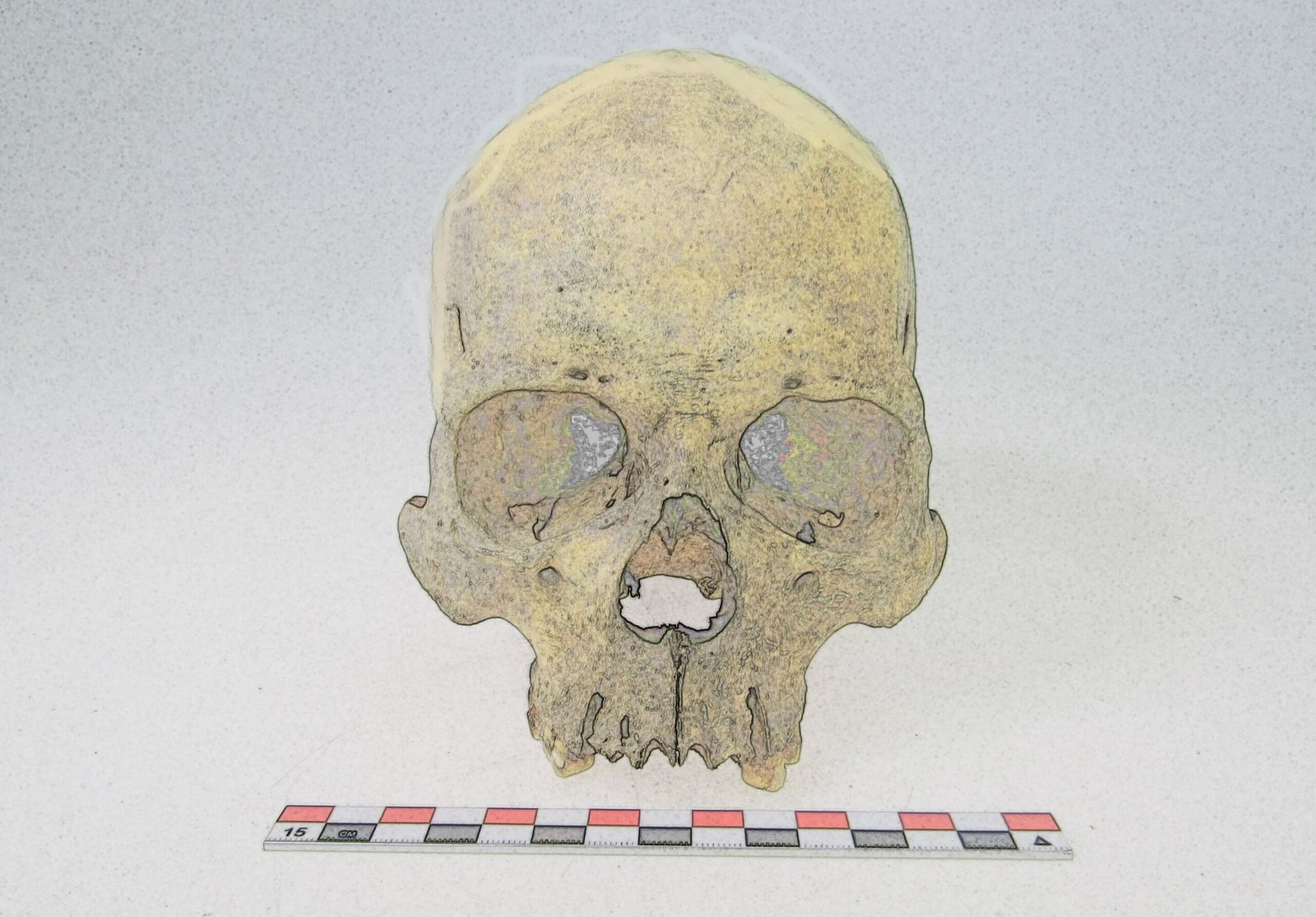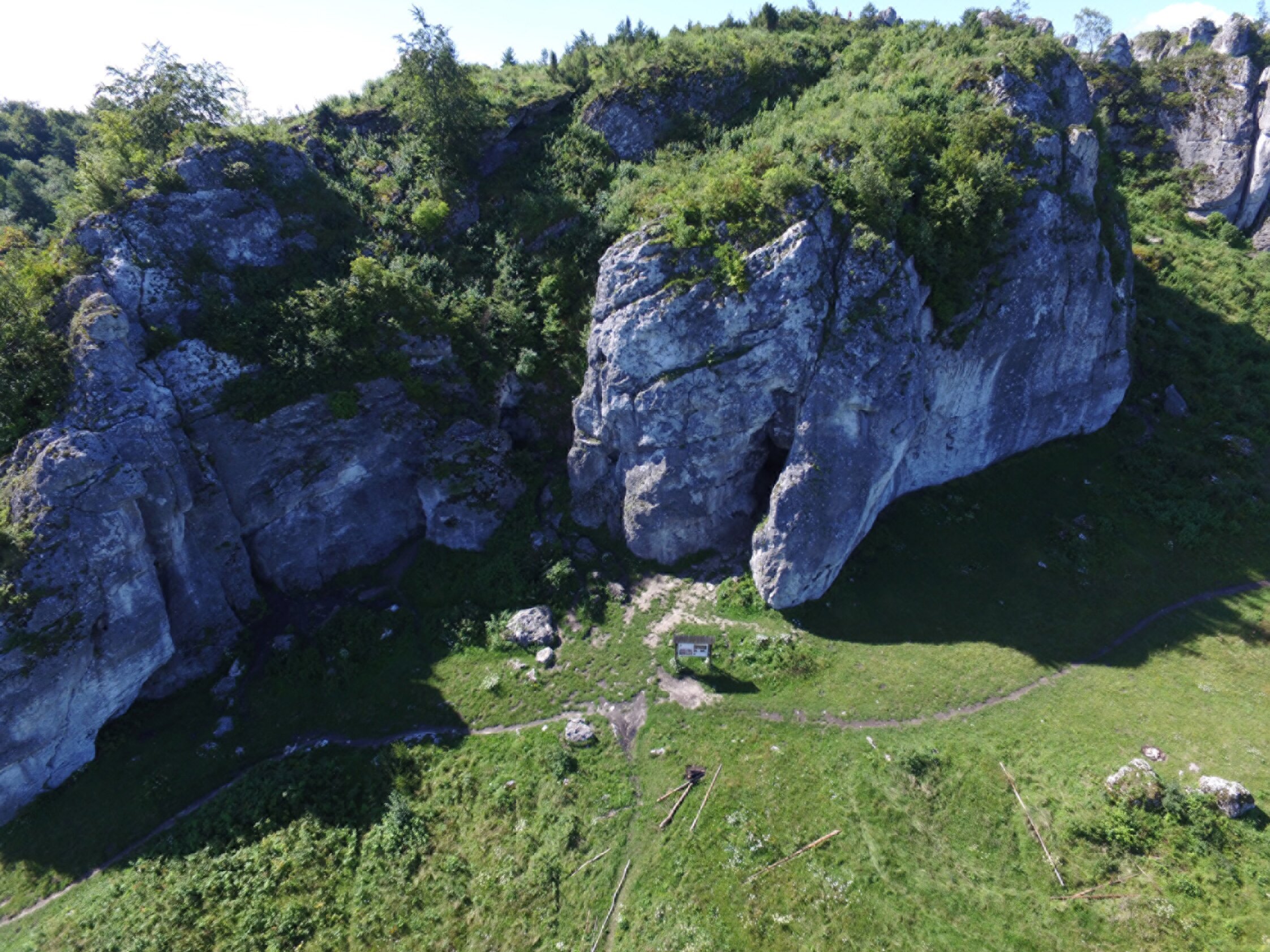
Deep within the limestone walls of Stajnia Cave in southern Poland, a collection of prehistoric teeth has finally surrendered a secret that has been locked away for a hundred millennia. While most archaeological finds offer only a solitary glimpse into the distant past—a single bone here or a scattered tooth there—this site has provided something far more intimate. Researchers have successfully extracted ancient mitochondrial DNA from eight Neanderthal teeth, allowing them to reconstruct the genetic profile of an entire small group of individuals who lived together in the same place and time. This discovery marks the first time scientists have been able to observe a coherent community of Neanderthals in Central-Eastern Europe, shifting our understanding of how these ancient humans moved, lived, and related to one another across the continent.
Reconstructing a Lost Community North of the Carpathians
The study, recently published in the journal Current Biology, represents a major milestone in paleogenetics. Traditionally, our knowledge of Neanderthal genetics has been stitched together from fossils found hundreds of miles and thousands of years apart. This fragmentation makes it difficult to understand the social or familial dynamics of a specific population. However, at Stajnia Cave, the international research team identified at least seven distinct individuals who inhabited the area approximately 100,000 years ago. This specific chronological phase is critical because it predates the arrival of more recent Neanderthal lineages that eventually dominated Europe.
By analyzing the genetic material preserved within the tooth enamel, the researchers were able to confirm that these individuals were part of a stable, local population located north of the Carpathian Mountains. The ability to isolate a group of this size from a single site provides a level of resolution that is rarely achieved in ancient human studies. It transforms the site from a simple archaeological deposit into a biological snapshot of a living, breathing community that once navigated the rugged landscapes of what is now Poland.
Genetic Ties and the Discovery of a Prehistoric Family
One of the most compelling revelations of the study involves the specific relationships between the inhabitants of the cave. Among the eight teeth analyzed, researchers found a striking genetic match that hints at a direct family connection. Two of the teeth belonged to juvenile individuals, while a third belonged to an adult. All three shared the exact same mitochondrial DNA, a finding that strongly suggests these individuals were closely related, likely belonging to the same maternal line.
This genetic overlap offers more than just a family tree; it provides evidence of a maternal lineage that was once widespread across western Eurasia. The mitochondrial DNA found in the Stajnia Neanderthals aligns with a specific genetic branch previously identified in individuals from the Iberian Peninsula, south-eastern France, and the northern Caucasus. This indicates that this particular genetic component was not isolated to a single valley or region but was part of an expansive, interconnected population that thrived long before they were eventually replaced by later Neanderthal groups.
Challenging the Chronology of Ancient Humans
The findings at Stajnia Cave also carry significant implications for how scientists date the ancient past. The research team compared their results with a famous Neanderthal fossil known as Thorin, which was discovered in Mandrin Cave in France. Despite being geographically distant, Thorin carries a mitochondrial genome remarkably similar to the individuals found in Poland. Interestingly, Thorin has previously been assigned a much younger chronology of roughly 50,000 years ago.
This discrepancy highlights a major challenge in prehistoric research: the limits of radiocarbon dating. As samples approach the limit of calibration, the precision of the data can become less reliable. The researchers involved in the study emphasize that when dealing with these oldest chronologies, it is vital to use extreme caution. The comparison between archaeological evidence, radiocarbon values, and genetic data becomes the only way to build a truly accurate timeline. The similarities between the 100,000-year-old Polish group and the supposedly younger French fossil suggest that some Neanderthal lineages may have persisted much longer than expected, or that our current methods of dating require a more integrated approach to resolve these chronological puzzles.
Central-Eastern Europe as a Prehistoric Crossroads
For decades, many researchers viewed Central-Eastern Europe as a marginal periphery in the broader story of Neanderthal evolution—a cold, northern edge far removed from the “core” populations of the Mediterranean and Western Europe. The data from Stajnia Cave effectively dismantles this narrative. The site demonstrates that southern Poland was actually a central hub for population movements and biological connections during the Middle Paleolithic.
The presence of this wide-ranging genetic lineage in Poland suggests that Neanderthals were highly mobile, maintaining connections across vast distances. These groups were not isolated clusters struggling in the shadows of the mountains; they were part of a sophisticated network of humans who shared both biological traits and technological traditions. Stajnia Cave has essentially become a privileged observatory, allowing modern scientists to track how these ancient people moved through the landscape and how different groups across Europe remained linked through their shared ancestry.
Why This Matters
This research is significant because it moves the study of Neanderthals away from “types” and toward “people.” By identifying a specific group of related individuals, we gain a clearer understanding of the social structure and survival strategies of our closest extinct relatives. It proves that the Neanderthal story was not a monolithic progression but a complex tapestry of disappearing and reappearing lineages.
Furthermore, the study underscores the importance of Central-Eastern Europe in the human odyssey. It shows that areas once considered peripheral were actually vital corridors for the spread of life and technology. Finally, by highlighting the necessity of integrating genetics with archaeology and dating, this work provides a more rigorous framework for future discoveries. Understanding the movements and relationships of the Stajnia Neanderthals helps us piece together the larger puzzle of how humanity survived and adapted to an ever-changing world long before the dawn of modern civilization.
Study Details
First multi-individual Neanderthal mitogenomes from north of the Carpathians, Current Biology (2026). DOI: 10.1016/j.cub.2026.03.069. www.cell.com/current-biology/f … 0960-9822(26)00389-1