Long before humans walked the Earth, long before mammoths roamed icy plains or saber-toothed cats stalked ancient forests, our planet belonged to creatures so enormous that even imagining them today feels surreal. Among these prehistoric giants, few animals inspire as much awe as the colossal carnivorous dinosaur known as Giganotosaurus carolinii.
Discovered in the windswept landscapes of southern South America, this enormous predator lived during the Late Cretaceous period, roughly 98 million years ago. Its name means “giant southern lizard,” and the name is no exaggeration. When paleontologists first studied its fossils, they realized they were looking at one of the largest land predators that ever lived.
For decades, Giganotosaurus carolinii has fascinated scientists and dinosaur enthusiasts alike. It challenges assumptions about prehistoric predators, reveals clues about ancient ecosystems, and offers a glimpse into a time when the continents were different and gigantic reptiles ruled the land.
Here are ten astonishing facts about this extraordinary dinosaur that continue to reshape our understanding of the prehistoric world.
1. Giganotosaurus Was One of the Largest Carnivorous Dinosaurs Ever
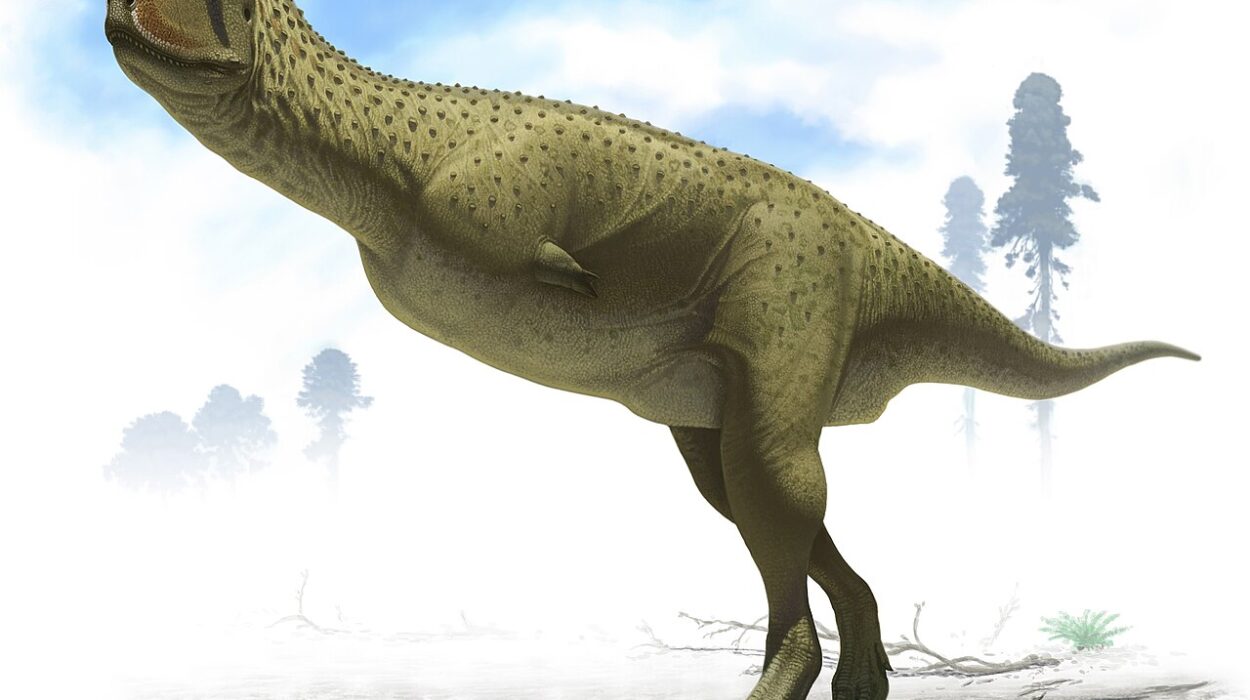
Size is often the first thing people think about when they hear the name Giganotosaurus carolinii. And for good reason. This dinosaur was truly massive.
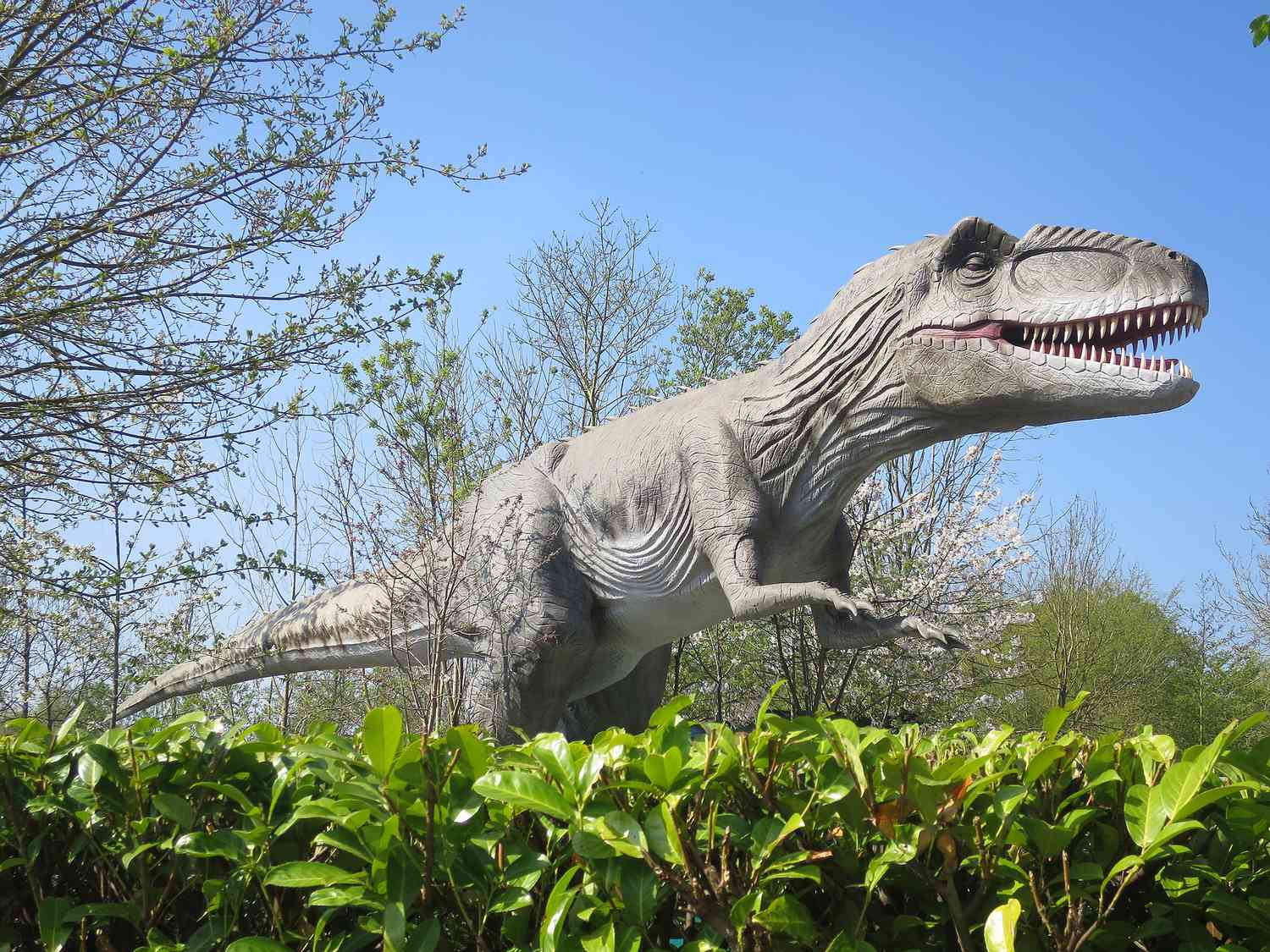
Estimates suggest that it reached lengths of around 12 to 13 meters (approximately 40 to 43 feet) from head to tail. Its weight may have reached between 6 and 8 metric tons, making it one of the largest land predators ever known.
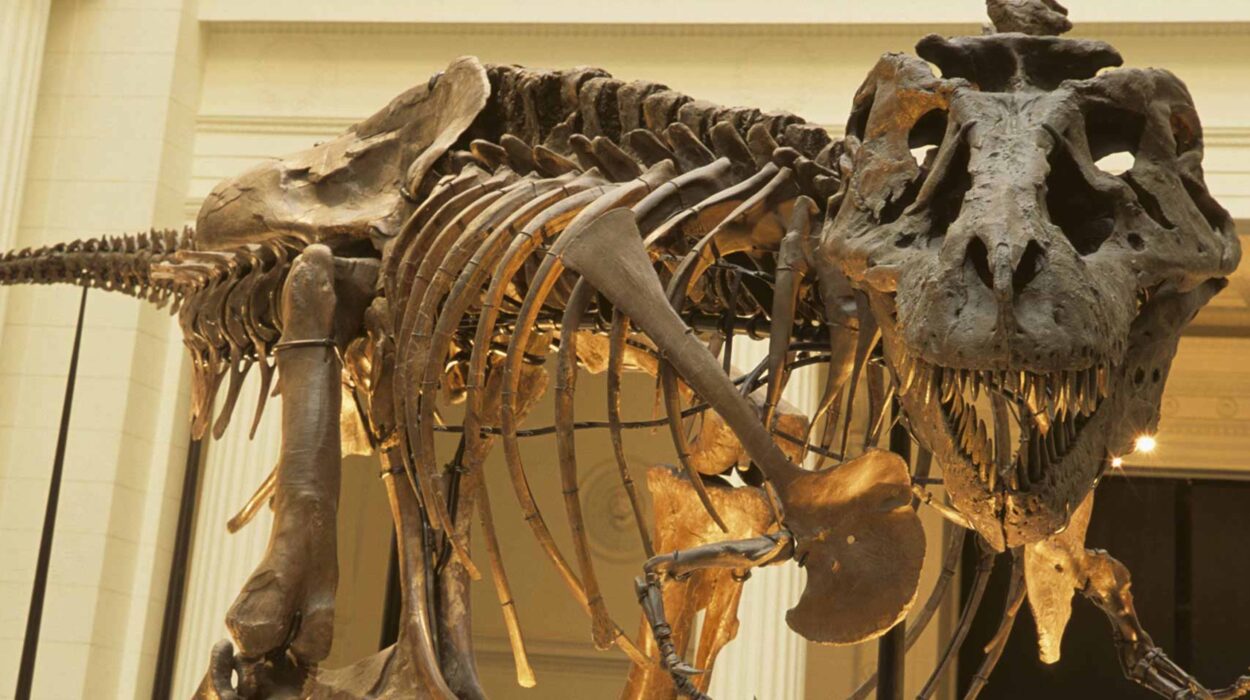
For years, scientists compared its size with another famous predator, Tyrannosaurus rex. While the exact measurements vary depending on the specimen and reconstruction, many studies indicate that Giganotosaurus carolinii may have been slightly longer, though Tyrannosaurus rex was probably heavier and more powerfully built.
Standing beside such a creature would have been terrifying. Its enormous skull alone could measure over 1.5 meters in length. When it opened its jaws, rows of serrated teeth lined its mouth like the blades of a prehistoric saw.
Yet despite its incredible size, this predator was built not just for intimidation but for speed and efficiency.
2. It Lived During the Late Cretaceous in South America
Unlike many well-known dinosaurs discovered in North America, Giganotosaurus carolinii lived in what is now Argentina.
Its fossils were discovered in the Patagonian region, within geological formations that date to the Late Cretaceous period, roughly 98 million years ago. At that time, South America looked very different from today.
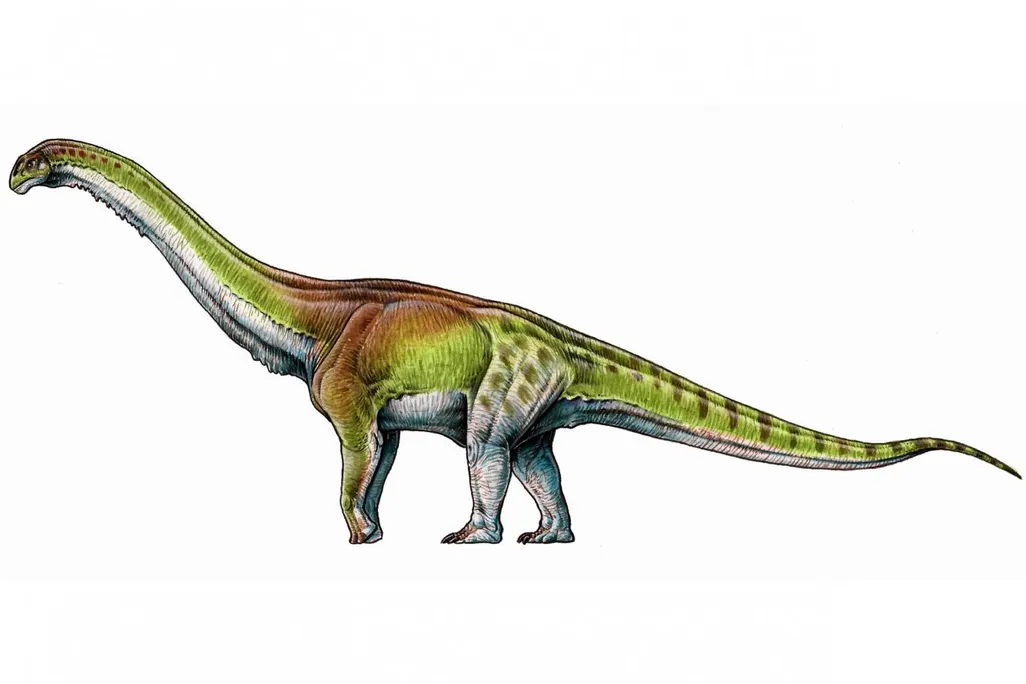
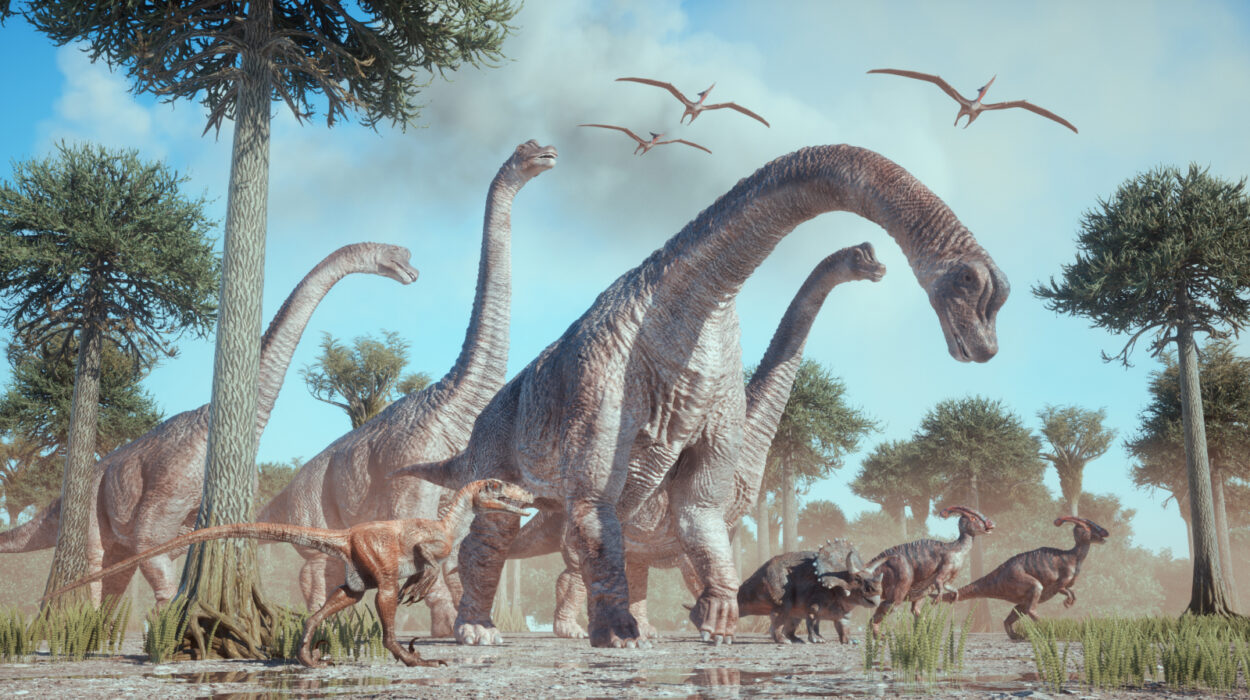
The continent was warmer, filled with vast floodplains, forests, and rivers. Giant herbivorous dinosaurs roamed the land, including massive long-necked sauropods that could reach lengths exceeding 30 meters.
These giants formed the backbone of the ecosystem. And towering above them in the food chain was Giganotosaurus carolinii, one of the apex predators of its time.
This dinosaur belonged to a group of large carnivores known as carcharodontosaurids, whose name means “shark-toothed lizards.” These predators were widespread during the Cretaceous and included other massive hunters like Carcharodontosaurus.
Their presence across multiple continents shows how diverse and widespread giant predators once were.
3. Its Discovery Was a Landmark Moment in Paleontology
The discovery of Giganotosaurus carolinii in the 1990s electrified the paleontological world.
The fossil was first uncovered in 1993 by a local fossil hunter named Rubén Dario Carolini in Patagonia. When paleontologists began examining the remains, they quickly realized the bones belonged to an enormous carnivorous dinosaur previously unknown to science.
In 1995, the dinosaur was formally described by Argentine paleontologists Rodolfo Coria and Leonardo Salgado. They named the species Giganotosaurus carolinii in honor of the man who found the fossils.
The discovery dramatically expanded our understanding of giant predators in the Southern Hemisphere. Until then, much attention had focused on North American dinosaurs, especially Tyrannosaurus rex.
But the Patagonian fossils revealed that South America hosted predators just as impressive—and possibly even larger.
4. Its Teeth Were Designed Like Serrated Blades
One of the most frightening features of Giganotosaurus carolinii was its teeth.
These teeth were long, sharp, and lined with serrations similar to those on a steak knife. This design allowed them to slice through flesh with terrifying efficiency.
Unlike the thick, crushing teeth of Tyrannosaurus rex, the teeth of Giganotosaurus carolinii were narrower and more blade-like. They were perfectly suited for slashing attacks that inflicted deep wounds on prey.
Instead of crushing bones, this predator likely used repeated bites to weaken and bleed its victims. Once the prey was injured or exhausted, the predator could deliver fatal attacks.
This feeding strategy resembles that of modern predators such as sharks or Komodo dragons, which rely on slicing wounds and blood loss.
5. It May Have Hunted Massive Sauropods
During the time of Giganotosaurus carolinii, South America was home to enormous plant-eating dinosaurs known as titanosaurs.
These sauropods were gigantic, long-necked herbivores that could weigh tens of tons. Some species were far larger than elephants and stood several stories tall.
For a predator like Giganotosaurus carolinii, these enormous animals represented both a challenge and an opportunity.
A fully grown sauropod would have been incredibly difficult for a single predator to bring down. However, paleontologists speculate that large carnivores might have targeted younger or weaker individuals.
Some researchers even propose that these predators could have hunted cooperatively, though direct evidence remains limited.
Still, the idea of several giant carnivores attacking one of the largest animals ever to walk the Earth paints a dramatic picture of prehistoric life.
6. It Had a Surprisingly Lightweight Skull
Despite its immense size, the skull of Giganotosaurus carolinii was relatively lightweight.
Like many large theropod dinosaurs, its skull contained openings known as fenestrae. These hollow spaces reduced the weight of the skull while maintaining structural strength.
This adaptation allowed the dinosaur to maintain a large head without making it too heavy to move quickly.
A lighter skull also meant faster strikes when attacking prey. The predator could swing its head and jaws with speed, delivering powerful slicing bites.
In evolutionary terms, this balance between size and efficiency made the skull of Giganotosaurus carolinii an extraordinary piece of natural engineering.
7. It Was Built for Speed
Although it was enormous, Giganotosaurus carolinii was likely capable of moving surprisingly fast.
Its long legs and relatively slender body suggest it was more agile than bulkier predators. Scientists estimate it may have reached speeds of around 50 kilometers per hour in short bursts.
Speed would have been crucial for catching prey across open plains.
Unlike ambush predators that rely on hiding and sudden attacks, this dinosaur may have pursued prey over distance. Its long tail would have helped maintain balance during fast movement.
Imagine a predator longer than a bus sprinting across ancient landscapes. For any creature that lived alongside it, survival depended on constant vigilance.
8. It Belonged to the Shark-Toothed Dinosaur Family
Giganotosaurus carolinii was part of a group called the carcharodontosaurids.
These dinosaurs earned their name because their teeth resembled those of modern sharks, especially the great white shark. The serrated edges and blade-like shape made them excellent tools for cutting meat.
Members of this family lived across multiple continents during the Cretaceous period, including Africa and South America.
One famous relative was Carcharodontosaurus, which also grew to enormous sizes.
These predators were among the dominant carnivores of their time, ruling ecosystems long before the rise of tyrannosaurs.
9. Only Partial Fossils Have Been Found
Despite its fame, our knowledge of Giganotosaurus carolinii comes from relatively limited fossil material.
The original specimen included much of the skull, parts of the skeleton, and other bones, but a complete skeleton has never been found.
This means paleontologists must reconstruct parts of the dinosaur using comparisons with related species.
As new discoveries emerge, our understanding of this predator continues to evolve. Future fossil finds could reveal new details about its anatomy, behavior, and lifestyle.
In paleontology, even a single bone can change everything.
10. It Represents a Lost Age of Giant Predators
Perhaps the most mind-blowing fact about Giganotosaurus carolinii is what it represents.
During the Cretaceous period, Earth hosted an astonishing diversity of gigantic predators. Different continents supported their own colossal hunters, each evolving unique adaptations.
In North America there was Tyrannosaurus rex. In Africa there was Carcharodontosaurus. And in South America there was Giganotosaurus carolinii.
These predators ruled ecosystems for millions of years before the mass extinction event that ended the age of dinosaurs 66 million years ago.
Their fossils remind us that the Earth we know today is only a small chapter in a much longer story.
The Legacy of a Prehistoric Titan
When paleontologists uncover the bones of Giganotosaurus carolinii, they are not simply digging up fossils. They are reconstructing a vanished world.
A world of giant rivers and endless plains. A world where enormous herbivores moved in slow herds and colossal predators stalked them through ancient forests.
This dinosaur stands as a symbol of that lost age. Its immense skull, serrated teeth, and towering body remind us that evolution has produced creatures far stranger and more powerful than anything alive today.
Yet the story of Giganotosaurus carolinii is not finished. Every new fossil discovery adds another piece to the puzzle.
Somewhere beneath the rocks of Patagonia, more bones may still wait—silent witnesses to a time when giant southern lizards ruled the Earth.