Archaeology is often imagined as a graceful discipline. Sunlight glints off a newly uncovered golden ornament. A delicate brush sweeps sand from an ancient mosaic. A lost city emerges from beneath centuries of silence. Yet the truth is far earthier. Archaeologists do not only uncover treasures. They uncover trash. They uncover rot. They uncover the sticky, hardened, sometimes stomach-turning remnants of human life that most people never imagine surviving through time.
And that is precisely what makes these discoveries so powerful.
Because the past was not clean. It was not sterilized for museum display. It smelled. It oozed. It decayed. It overflowed. The ancient world had sewage, parasites, blood, pus, and waste—just like ours. When archaeologists dig into latrines, cesspits, mummified organs, and plague pits, they confront humanity at its most unfiltered. These finds may be revolting, but they are scientifically priceless. They reveal diet, disease, hygiene, social structures, and survival strategies in ways no polished artifact ever could.
What follows are ten of the grossest things archaeologists have ever found—each scientifically documented, each deeply human, and each offering a surprisingly intimate window into the lives of people long gone.
1. Ancient Coprolites: Fossilized Human Feces
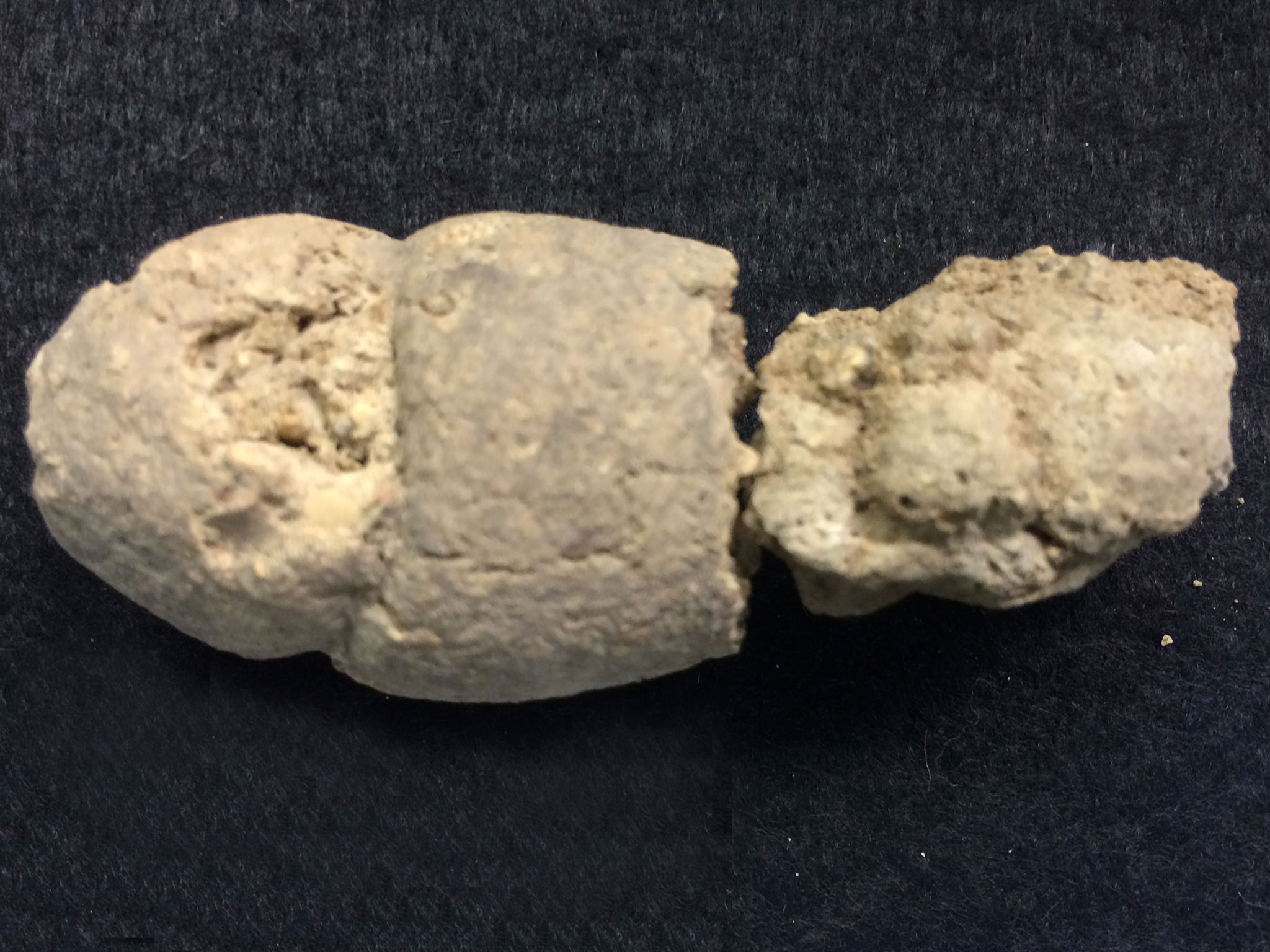
Few discoveries make students of archaeology wrinkle their noses faster than coprolites—fossilized feces. Yet these hardened relics of digestion are among the most informative finds in the field.
Human coprolites have been recovered from sites around the world, preserved in caves, arid environments, and even ancient latrines. At first glance, they are exactly what you think they are: ancient poop. But under a microscope, they become biological time capsules.
Within coprolites, scientists can identify undigested food particles, pollen grains, parasite eggs, and even DNA fragments. These remains reveal what people ate, what diseases they carried, and what plants grew in their environment. A single piece of fossilized feces can confirm whether a population relied on maize, fish, wild plants, or domesticated animals. It can show whether parasites such as roundworms or whipworms were common in a community.
One of the most famous examples comes from archaeological sites in North and South America, where preserved feces have provided insights into early human diets thousands of years ago. Coprolites from ancient settlements in the Americas have shown heavy parasite loads, reminding us that intestinal worms were once common companions of human life.
It is difficult to imagine something less glamorous. Yet these hardened remnants of digestion may offer clearer insight into daily life than any jewel or weapon ever could. Gross, yes. But scientifically invaluable.
2. The Medieval Latrines of the Tower of London
The Tower of London is often associated with royal intrigue, imprisonment, and execution. Yet beneath its stone walls, archaeologists have uncovered something far less dramatic but far more visceral: medieval toilets.
Excavations at the site revealed ancient garderobes—stone-built latrines where waste would drop into pits or directly into the moat. Over centuries, these spaces filled with human waste and household refuse. When archaeologists opened these deposits, they encountered layers of preserved excrement, food scraps, bones, insects, and parasites.
From a sensory perspective, even centuries later, the smell can linger when such deposits are exposed. From a scientific perspective, they are treasure troves. Researchers have found evidence of intestinal worms in parasite eggs preserved in the sediment. Seeds and fish bones reveal dietary habits. Even fragments of textiles and lost objects appear among the refuse.
The latrines of the Tower reveal that medieval elites, despite living in a fortress, shared many biological vulnerabilities with ordinary people. Parasites did not discriminate. Hygiene was limited. And waste management was rudimentary by modern standards.
It is a reminder that castles were not always the romanticized structures we imagine. They were living spaces—crowded, smelly, and deeply human.
3. The Bog Bodies of Northern Europe
In peat bogs across northern Europe, archaeologists have encountered some of the most hauntingly preserved human remains ever found. Known as bog bodies, these individuals were deposited in wetlands thousands of years ago. The oxygen-poor, acidic conditions of peat bogs halt decay in remarkable ways.
Instead of skeletons, archaeologists often uncover leathery skin, preserved internal organs, and even stomach contents. Hair remains intact. Fingernails survive. Facial expressions linger.
Many bog bodies show signs of violent death. Some were strangled, stabbed, or bludgeoned before being placed in the bog. Scholars debate whether they were ritual sacrifices, executed criminals, or victims of social upheaval.
The gross factor lies in their preservation. Unlike dry skeletons, bog bodies retain soft tissue. Skin appears rubbery and darkened. In some cases, researchers have been able to examine partially preserved brains or digestive contents. When first unearthed, these bodies can appear disturbingly lifelike, as though they might breathe at any moment.
Yet these remains have provided extraordinary insight into Iron Age societies. Analysis of stomach contents reveals last meals. Isotopic studies indicate geographic origins. Even evidence of disease and malnutrition can be detected.
They are unsettling. They are intimate. And they are among archaeology’s most powerful encounters with the human past.
4. The Plague Pits of Medieval Europe
During outbreaks of bubonic plague in medieval Europe, mass graves became a grim necessity. Archaeologists excavating these plague pits have uncovered tightly packed skeletons, sometimes layered in haste, reflecting the urgency and fear of epidemic death.
The Black Death, which devastated Europe in the 14th century, left behind burial sites where dozens or hundreds of individuals were interred together. Excavations of such pits in cities like London and elsewhere have revealed the scale of mortality during these outbreaks.
From a scientific standpoint, these sites have allowed researchers to extract ancient DNA from teeth pulp, confirming the presence of the bacterium Yersinia pestis. The work is delicate and requires strict contamination controls, but it has provided direct biological evidence of the pathogen responsible.
While skeletons themselves are not inherently grotesque, the context can be overwhelming. The density of bodies, the evidence of rapid burial, and the demographic patterns—children, adults, elderly—tell a story of societal collapse under disease pressure.
The grossness here is not just physical but emotional. These graves embody suffering on a massive scale. They remind us that epidemics are not abstract events; they are lived experiences etched into the earth.
5. The Mummified Brain Through the Nose
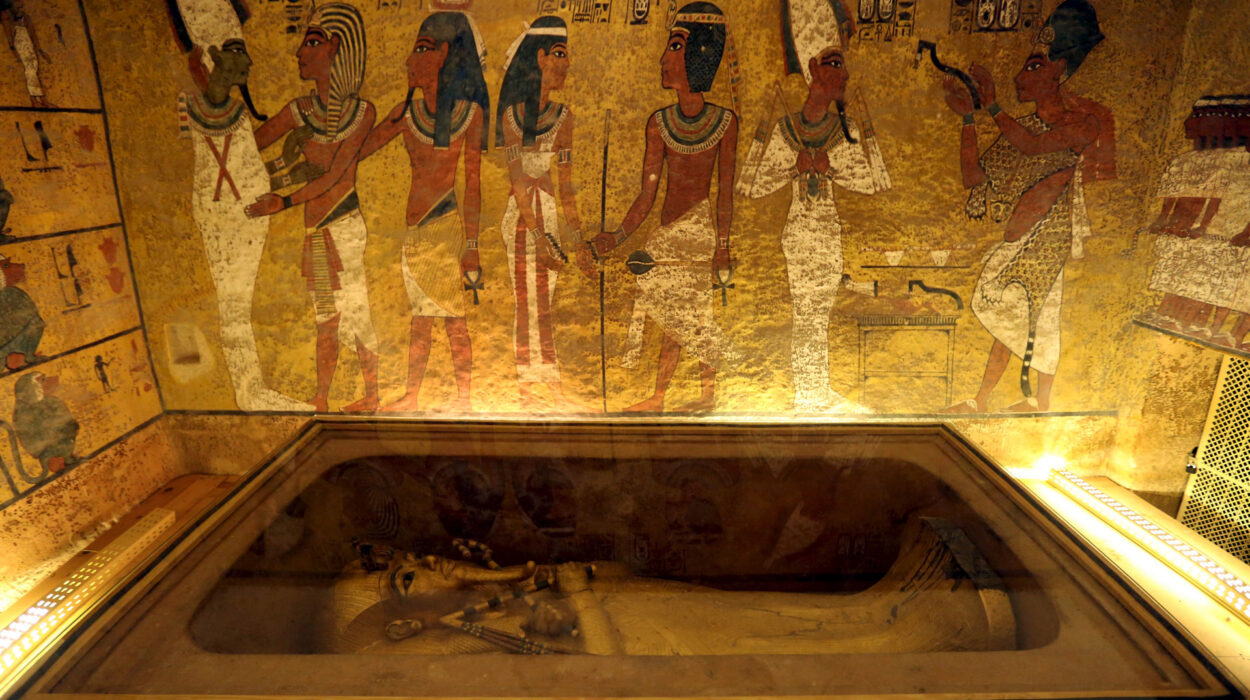
Ancient Egyptian mummification is often admired for its sophistication. Yet the process involved procedures that would challenge even strong stomachs today.
During mummification, embalmers removed the brain by inserting a hooked instrument through the nostrils. The tool broke apart the brain tissue, which was then extracted in fragments. The remaining cranial cavity might be rinsed and filled with resin.
Archaeological examinations of mummies have revealed residue and evidence of this process. CT scans of mummified skulls sometimes show remnants of desiccated brain matter or resin pooling where tissue once was.
From a biological standpoint, the removal of the brain through the nasal passage was an effective technique for preserving the body. From a sensory perspective, imagining the procedure is enough to make one shudder.
Yet these practices were rooted in religious belief about the afterlife. The careful preservation of the body was seen as essential for spiritual continuity. The gross details are inseparable from profound cultural meaning.
6. Ancient Parasites in Roman Sewers
Excavations of Roman sewer systems and latrines have revealed something both revolting and enlightening: parasite eggs preserved in sediment.
Sites across the Roman world have yielded evidence of roundworm, whipworm, and other intestinal parasites. Microscopic analysis of soil samples from latrines has confirmed widespread infection.
This is surprising to some because Roman society is often celebrated for its advanced engineering and public baths. Yet sanitation infrastructure does not automatically eliminate parasites. In fact, communal latrines and the use of shared cleaning implements could facilitate transmission.
The discovery of parasite eggs in Roman contexts shows that even technologically sophisticated societies faced persistent health challenges. It also highlights how archaeology can reveal aspects of daily life rarely recorded in written sources.
Parasites are invisible companions of humanity. Finding their ancient traces may be unpleasant, but it underscores the biological realities of life in the past.
7. The Butchered Mass Graves of War
Archaeological investigations of battlefields sometimes uncover mass graves containing disarticulated, damaged human remains. Cut marks on bones reveal sword strikes. Embedded arrowheads remain lodged in ribs. Skull fractures attest to blunt force trauma.
In some contexts, bodies were hastily buried after conflict. In others, remains were processed or dismembered before burial. These findings can be deeply disturbing.
Yet they allow forensic reconstruction of combat techniques, weapon types, and even the medical care available at the time. Trauma analysis can distinguish between injuries sustained during battle and those inflicted post-mortem.
The grossness lies in the physical evidence of violence: shattered bone, severed limbs, and the stark reality of death by human hands. But these remains speak honestly about warfare in ways chronicles sometimes soften or glorify.
8. The Sewer Fatbergs of Historical Cities
While fatbergs are often associated with modern sewer systems, archaeological investigations into historical drainage systems have revealed hardened accumulations of waste combining fat, debris, and human refuse.
In older urban centers, layers of compacted organic matter in drainage channels can resemble early versions of such accumulations. These deposits include congealed animal fat, food waste, and sewage remnants that solidified over time.
When excavated, they can emit powerful odors, even centuries later. Yet chemical analysis of these layers provides data about diet, waste disposal practices, and urban infrastructure.
They are unpleasant to handle, but they reveal the material footprint of daily cooking and sanitation.
9. Ancient Dental Calculus Packed with Bacteria
Dental calculus—hardened plaque—may not sound dramatic, but archaeological finds have transformed it into a scientific goldmine.
When plaque mineralizes on teeth, it traps bacteria, food particles, and environmental debris. Thousands of years later, this calculus can still preserve microscopic traces.
Researchers analyzing dental calculus from ancient skeletons have identified bacterial DNA, plant fibers, and even milk proteins. This allows reconstruction of diet, health, and microbiomes.
The gross factor is immediate: thick crusts of calcified plaque coating ancient teeth. Yet this material preserves intimate biological data that bone alone cannot provide.
Through dental calculus, archaeologists can reconstruct ancient meals and even identify pathogens that once inhabited human mouths.
10. The Child Sacrifice Remains of Ancient Rituals
In some ancient societies, archaeological excavations have uncovered remains of children showing evidence of ritual sacrifice. These discoveries are emotionally devastating and scientifically complex.
In certain high-altitude Andean sites, for example, naturally preserved child mummies have been found in ceremonial contexts. In other regions, skeletal remains show cut marks or positioning suggesting ritual deposition.
The preservation of soft tissue in cold or arid environments can make these discoveries especially unsettling. Facial features remain visible. Clothing is intact. The humanity of the individuals is immediate.
Scientific analysis of these remains reveals diet, health status, and sometimes the substances consumed before death. These data help scholars understand the cultural and religious frameworks in which such rituals occurred.
The grossness here is intertwined with tragedy. These finds confront us with practices that are difficult to comprehend from a modern perspective. Yet they are part of the human story.
Why the Grossest Finds Matter Most
It is tempting to look away from these discoveries. They are uncomfortable. They challenge romantic visions of the past. Yet they are among the most scientifically significant finds archaeology offers.
Human waste reveals diet and disease. Parasites expose sanitation realities. Mass graves document epidemics and war. Preserved tissues illuminate ancient medical and ritual practices. Dental calculus preserves microscopic histories.
These finds remind us that history is not abstract. It is biological. It is bodily. It is messy.
Archaeology does not sanitize the past. It reveals it. And in doing so, it deepens our understanding of what it has always meant to be human.
The grossest discoveries are often the most honest. They strip away illusion and leave behind the raw material of lived experience. Beneath layers of soil and centuries of forgetting, the earth keeps its records—even the unpleasant ones.
And when archaeologists brush away the dirt, what emerges is not just disgust. It is connection.