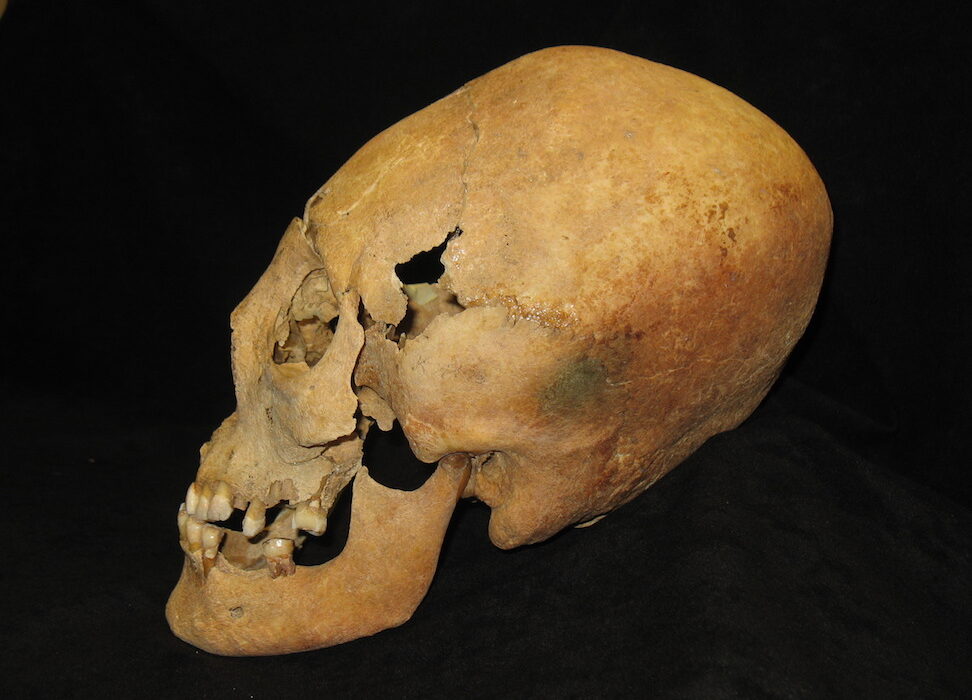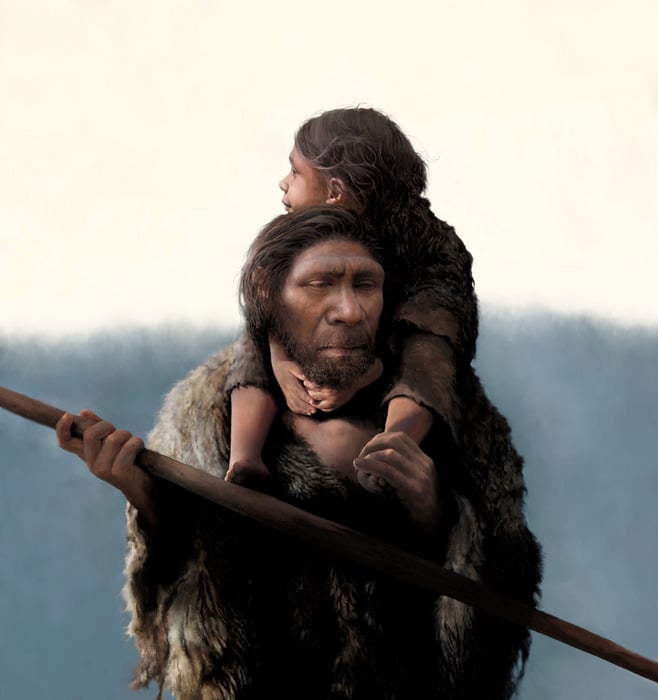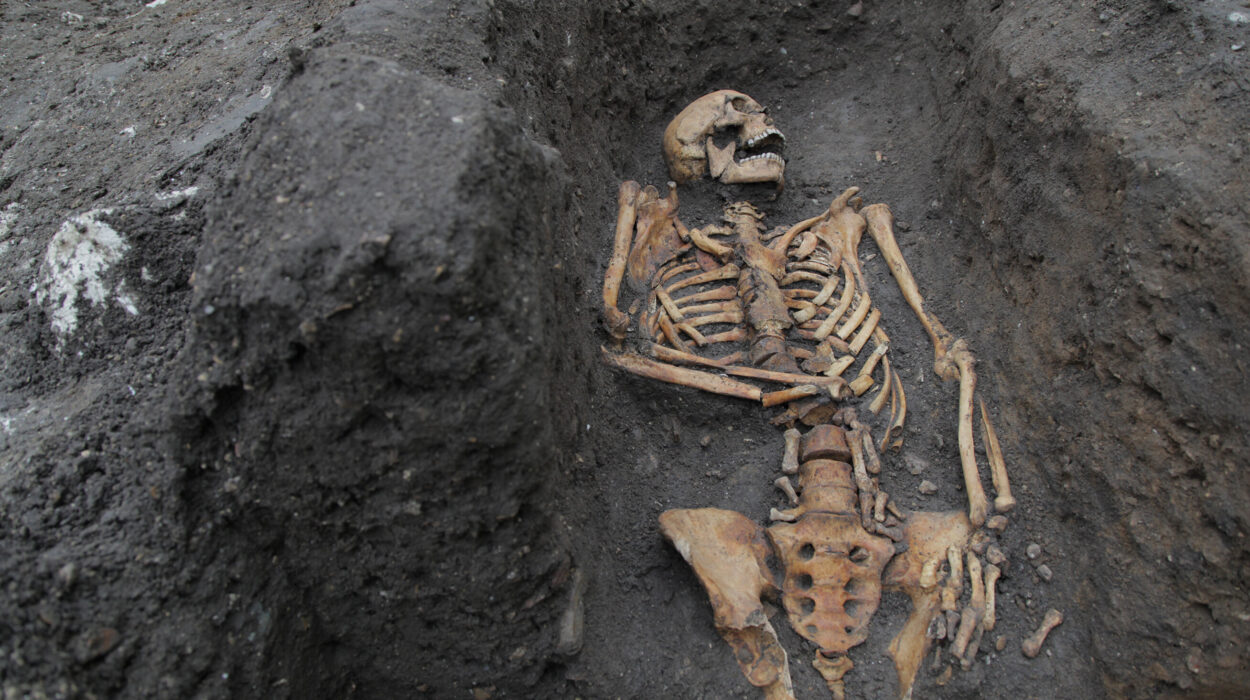
Archaeology is often described as a science of fragments. A shard of pottery, a scatter of bones, a foundation stone buried beneath sand—these are the quiet remnants from which entire worlds are reconstructed. Through careful excavation, radiocarbon dating, chemical analysis, and comparative study, archaeologists have illuminated vast chapters of human history. We now know when agriculture emerged, how cities formed, how trade networks stretched across continents, and how cultures rose and fell.
And yet, for all this knowledge, the past remains stubbornly incomplete. Some sites and artifacts resist easy explanation. They are not supernatural puzzles, nor do they demand fantasies of lost civilizations beyond evidence. Instead, they represent genuine scientific mysteries—questions rooted in data, debated in peer-reviewed journals, and still awaiting satisfying answers.
These archaeological enigmas are powerful because they remind us that science is a living process. Every excavation has the potential to overturn assumptions. Every new technique, from DNA sequencing to ground-penetrating radar, can shed light on what once seemed unknowable. What follows are ten archaeological mysteries that continue to challenge researchers—not because science has failed, but because the evidence is complex, fragmented, and sometimes contradictory.
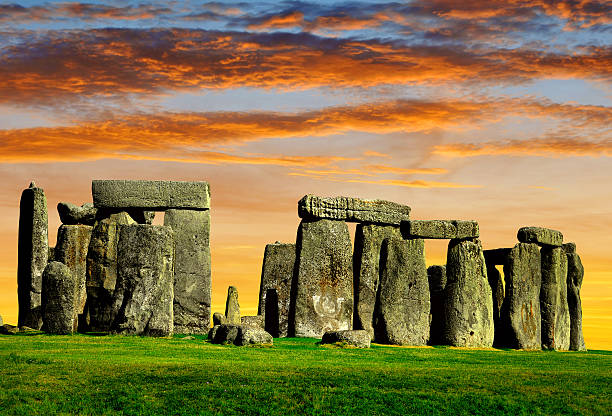
1. The Purpose of Stonehenge
On the windswept Salisbury Plain in southern England stands a ring of towering stones, some weighing more than 20 tons. Stonehenge has been studied for centuries, measured with laser scanners, excavated with delicate tools, and analyzed with modern dating methods. We know it was constructed in phases between roughly 3000 and 1500 BCE. We know that some of its bluestones were transported from Wales, over 200 kilometers away. We know that it was aligned with the solstices, marking the rising and setting of the sun on the longest and shortest days of the year.
But why was it built?
Archaeological evidence suggests that Stonehenge was part of a larger ritual landscape, including burial mounds and ceremonial pathways. Human remains found nearby indicate it may have served as a burial site for elite individuals. The solar alignments hint at astronomical significance, perhaps linked to seasonal ceremonies. Some researchers have proposed it functioned as a place of healing, citing isotopic studies showing that people traveled long distances to the region.
Yet no single explanation fully captures its purpose. Was it primarily a temple, a cemetery, a calendar, a political symbol, or all of these at once? Stonehenge may not yield a simple answer because prehistoric societies did not divide religion, politics, and astronomy the way modern cultures do. The monument likely held layered meanings that are difficult to untangle through surviving evidence alone.
2. The Enigma of the Nazca Lines
Etched into the desert plains of southern Peru are massive geoglyphs—geometric shapes, straight lines stretching for kilometers, and stylized figures of animals and plants. Created by the Nazca culture between roughly 500 BCE and 500 CE, these lines are best seen from above.
The mystery lies not in how they were made—archaeologists have demonstrated that removing the dark surface stones reveals lighter soil beneath—but in why they were created on such a vast scale.
Some researchers argue that the lines were part of ritual pathways, walked during ceremonies connected to water and fertility. The arid environment of the Nazca region makes water a precious resource, and many geoglyphs appear near ancient aqueduct systems. Others propose astronomical interpretations, though careful studies have shown that most alignments with celestial events are likely coincidental.
The Nazca Lines challenge us because they represent intention on a grand scale. They required planning, coordination, and a shared cultural vision. But without written records explaining their symbolism, we can only reconstruct possibilities from archaeological context.
3. The Collapse of the Maya civilization
In the tropical lowlands of Central America, the ancient Maya built cities with soaring pyramids, intricate carvings, and advanced calendrical systems. During the Classic period, roughly 250 to 900 CE, cities such as Tikal and Palenque flourished. Then, in what is often called the Classic Maya collapse, many major urban centers were abandoned.
The cause of this decline remains debated. Archaeological and paleoclimate evidence suggests that prolonged droughts may have strained agricultural systems. Deforestation, soil depletion, and internal warfare could have compounded environmental stress. Hieroglyphic inscriptions hint at political instability and rivalries between city-states.
Rather than a sudden apocalypse, the collapse appears to have been a complex, regionally varied process. Some areas declined while others persisted. The Maya people themselves did not disappear; their descendants continue to live in the region today. The mystery lies in understanding how environmental, political, and social factors interacted to transform a once-thriving urban landscape.
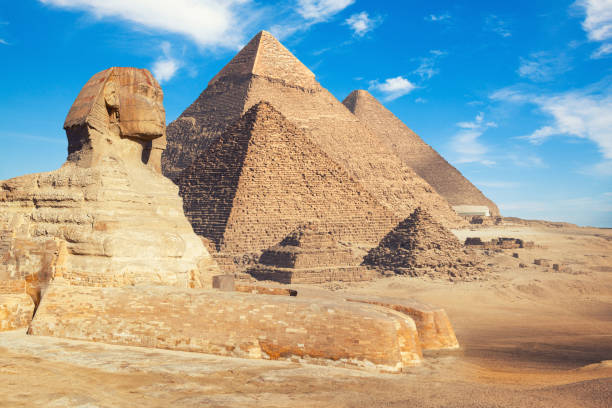
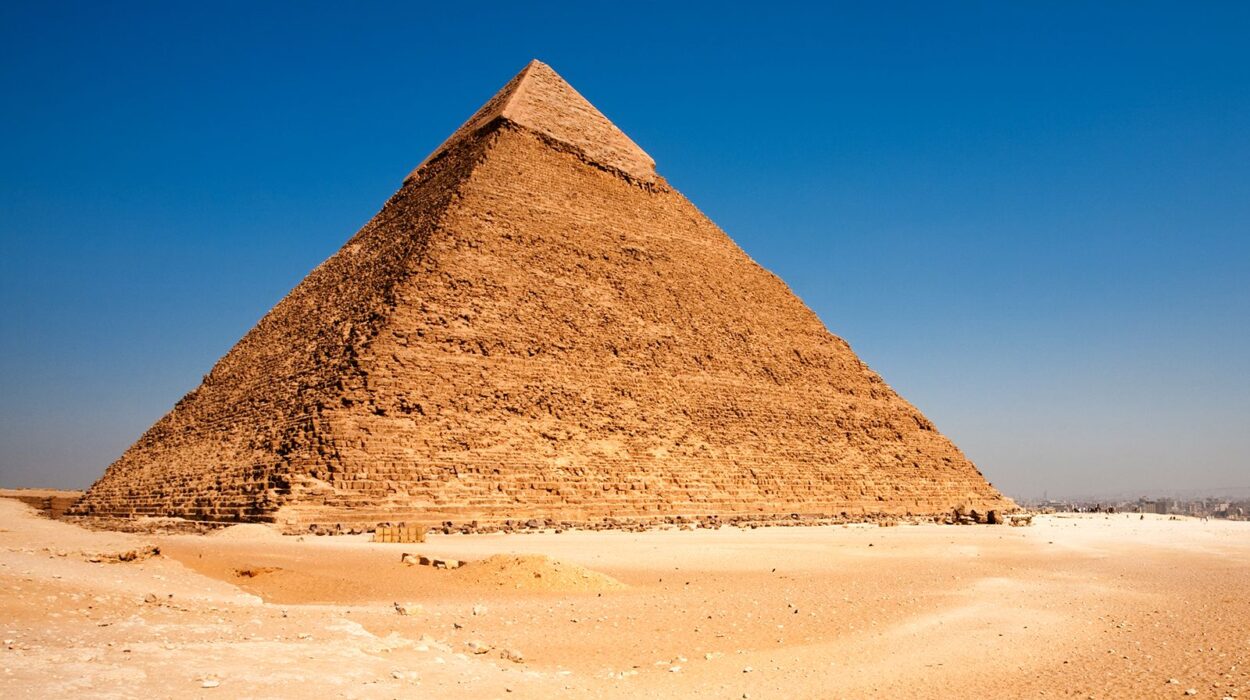
4. The Construction of the Great Pyramid of Giza
The Great Pyramid, built during the reign of Pharaoh Khufu around 2600 BCE, remains one of the most extraordinary engineering achievements of the ancient world. Composed of millions of limestone blocks, some weighing several tons, it stood as the tallest human-made structure for nearly four thousand years.
Archaeologists have uncovered evidence of worker settlements, tools, and quarry sites, dispelling older myths that enslaved labor built the pyramid. It is now widely accepted that skilled laborers, organized into crews, constructed the monument.
Yet questions remain about the precise techniques used to raise massive stones to such heights. Various ramp theories have been proposed—straight ramps, spiral ramps, internal ramps—but no single model has been definitively proven. The pyramid’s internal chambers and narrow shafts also raise questions about their symbolic and functional purposes.
The Great Pyramid is not mysterious in the sense of being inexplicable, but in the sense that its full logistical and architectural story has yet to be reconstructed in complete detail.
5. The Secrets of Göbekli Tepe
In southeastern Turkey lies a site that has reshaped our understanding of prehistory. Göbekli Tepe, dating to around 9600 BCE, consists of massive stone pillars arranged in circular enclosures, carved with reliefs of animals and abstract symbols. It predates pottery, writing, and even the widespread adoption of agriculture.
For decades, scholars believed that organized religion emerged only after settled farming communities formed. Göbekli Tepe challenges that assumption. Its builders were likely hunter-gatherers, yet they mobilized significant labor to create monumental architecture.
Why did they do so? Some researchers suggest that ritual gatherings at the site may have fostered social cohesion, even encouraging the transition to agriculture. Others see it as evidence that symbolic and religious behavior drove community organization long before farming.
The deeper mystery is how such complex construction arose so early in human history. Göbekli Tepe forces archaeologists to reconsider the sequence of social and technological development.
6. The Voyages of Polynesian people
Across the vast Pacific Ocean, Polynesian navigators settled islands separated by thousands of kilometers of open water. From Samoa and Tonga to Hawaii and Easter Island, they carried crops, animals, and cultural traditions across immense distances.
Archaeology and linguistics confirm that these voyages occurred using sophisticated knowledge of stars, winds, currents, and wave patterns. Double-hulled canoes provided stability and cargo capacity.
Yet questions remain about the timing, routes, and motivations behind specific migrations. How did navigators intentionally locate tiny islands in a seemingly endless ocean? What social or environmental pressures prompted long-distance expansion? Genetic studies have begun to reveal complex patterns of contact, including interactions with South American populations, but the full story is still unfolding.
The Polynesian expansion stands as a testament to human ingenuity, but the details of its greatest journeys remain partially hidden in the tides of time.
7. The Meaning of the Antikythera mechanism
Recovered from a shipwreck off the Greek island of Antikythera in 1901, this corroded bronze device stunned historians. Through X-ray imaging and digital reconstruction, researchers have revealed a complex system of gears capable of predicting astronomical positions and eclipses.
Dating to around the second century BCE, the Antikythera mechanism demonstrates an extraordinary level of mechanical sophistication. It has been described as an ancient analog computer.
The mystery lies in its uniqueness. No other device of comparable complexity from the ancient world has survived. Was it a rare masterpiece, or part of a broader technological tradition now lost? Written sources from antiquity hint at advanced mechanical knowledge, but physical evidence is scarce.
The Antikythera mechanism challenges assumptions about the pace and distribution of technological innovation in the ancient Mediterranean.
8. The Fate of Easter Island and the Moai
Easter Island, known to its inhabitants as Rapa Nui, is famous for its monumental stone statues called moai. Carved between roughly 1200 and 1600 CE, these statues can weigh dozens of tons and were transported across the island from quarry sites.
For years, a popular narrative suggested that the island’s society collapsed due to ecological self-destruction, cutting down trees needed for transporting statues. More recent archaeological research paints a more nuanced picture, emphasizing resilience and adaptation. Evidence indicates that the Rapa Nui people developed innovative agricultural techniques and that European contact brought devastating diseases and slave raids.
Still, questions persist about how exactly the largest moai were moved and erected. Experimental archaeology has shown that they could have been “walked” upright using ropes, but debates continue about methods and labor organization.
The story of Easter Island is not just about statues; it is about how interpretations of archaeological evidence evolve over time.
9. The Identity of the Terracotta Army
Discovered in 1974 near the tomb of China’s first emperor, Qin Shi Huang, the Terracotta Army consists of thousands of life-sized clay soldiers, horses, and chariots. Each figure has distinct facial features, armor details, and hairstyles.
Archaeologists understand that the army was created to accompany the emperor in the afterlife, reflecting beliefs about power and protection beyond death. Yet many aspects remain mysterious. How were so many individualized faces produced at scale? Were they modeled after real soldiers, or assembled from standardized components?
The tomb itself remains largely unexcavated due to concerns about preservation and reports from ancient texts describing rivers of mercury within. Modern surveys have detected elevated mercury levels in the soil, but until excavation technology improves, much of the mausoleum’s interior will remain unknown.
The Terracotta Army stands as both revelation and restraint—a vast discovery guarding deeper secrets.
10. The Disappearance of the Indus Valley Civilization
Stretching across parts of present-day Pakistan and India, the Indus Valley Civilization flourished between approximately 2600 and 1900 BCE. Cities such as Mohenjo-daro and Harappa featured grid layouts, advanced drainage systems, standardized weights, and extensive trade networks.
Unlike Mesopotamia or Egypt, the Indus script remains undeciphered. Without readable texts, interpretations rely heavily on material culture. Around 1900 BCE, urban centers declined, and populations dispersed.
Climate change, particularly shifts in monsoon patterns and river systems, may have played a role. Some scholars propose that drying rivers reduced agricultural productivity. Others emphasize gradual transformation rather than abrupt collapse.
The undeciphered script remains one of archaeology’s most tantalizing mysteries. If decoded, it could illuminate governance, religion, and daily life in one of the world’s earliest urban civilizations.
The Enduring Power of Questions
These ten mysteries share a common thread: they are grounded in evidence, not fantasy. Archaeologists use radiocarbon dating, satellite imagery, isotopic analysis, and ancient DNA to build increasingly detailed pictures of the past. Yet gaps remain.
Science thrives on such gaps. A mystery is not a failure of knowledge but an invitation to deepen it. Each unanswered question inspires new fieldwork, new hypotheses, new collaborations across disciplines.
The past is not silent. It speaks through stones, bones, tools, and landscapes. But its voice is faint, and we must listen carefully. As technology advances and new discoveries emerge, some of these mysteries may yield clearer explanations. Others may grow more complex.
Archaeology reminds us that human history is vast, intricate, and often surprising. The more we uncover, the more we realize how much remains buried—waiting beneath layers of soil and centuries of forgetting.