Human beings are one of the most adaptable species the planet has ever produced. We can live in frozen tundras and scorching deserts, climb mountains, dive into oceans, and build cities that glow at night like artificial constellations. We have medicine, technology, and knowledge powerful enough to map our own DNA and send robots to other planets. And yet, for all our intelligence and innovation, we remain astonishingly fragile.
Our bodies break down. Our cells mutate. Our immune systems fail. Our hearts clog, our joints ache, our brains can betray us. We suffer from infections, cancers, autoimmune disorders, allergies, metabolic diseases, and countless mysterious syndromes that modern science still struggles to explain.
If evolution is supposed to make organisms stronger and better suited to survival, why are humans plagued with so many diseases?
The answer is unsettling but deeply revealing: evolution does not design perfection. It produces compromise. It works with what already exists. It prioritizes reproduction over comfort. And it is indifferent to suffering. Many of the diseases humans experience are not accidents of nature but predictable consequences of our evolutionary history. In a strange way, disease is not separate from humanity. It is woven into what it means to be human.
Evolution Is Not a Designer, It’s a Filter
To understand why humans have so many diseases, we must first dismantle a common misunderstanding. Evolution is often imagined as a process that steadily improves organisms, like a master engineer refining a machine. But evolution does not work like an engineer. It has no blueprint, no foresight, no long-term plan.
Evolution is simply a filter. Traits that help individuals survive long enough to reproduce tend to persist. Traits that prevent reproduction tend to disappear. That’s it. Evolution is blind. It does not care if a trait causes pain or weakness later in life, as long as it does not stop reproduction.
This is why an animal can be beautifully adapted to its environment and still carry vulnerabilities that can lead to illness. Evolution does not create flawless bodies. It creates bodies that are “good enough” to pass on genes.
And “good enough” can still mean disease, disability, and death.
The Human Body Is a Patchwork of Ancient Solutions
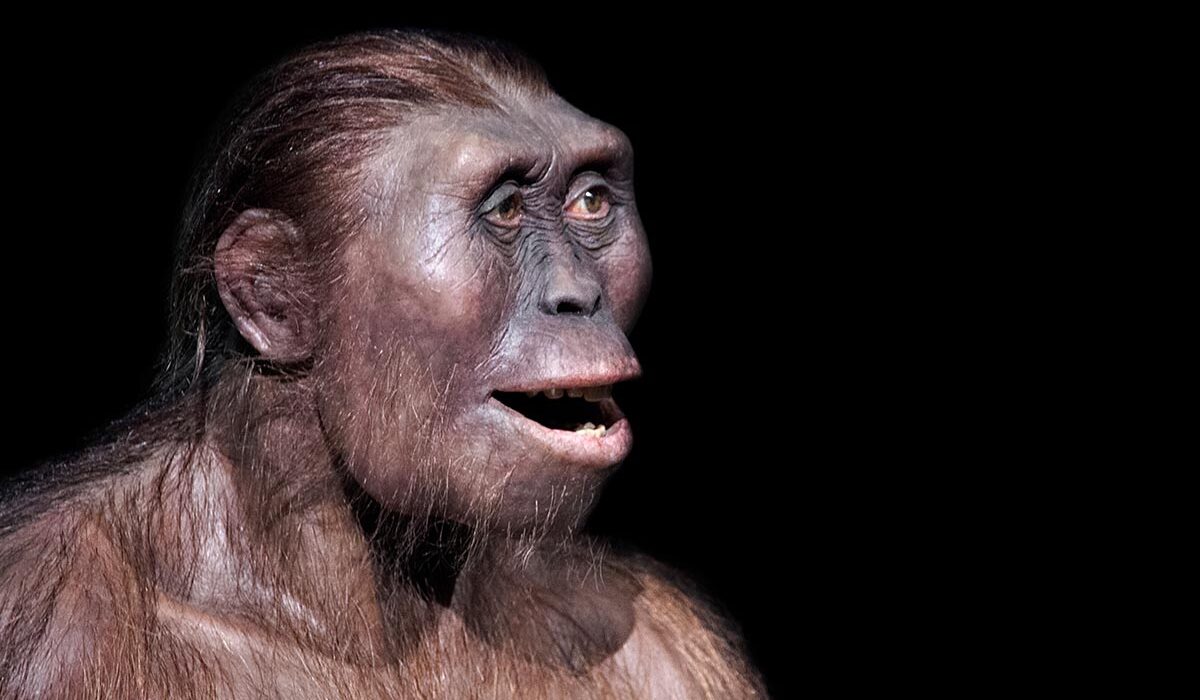
Humans are not newly invented creatures. We are the product of billions of years of evolutionary trial and error. Every part of the human body is built upon older versions of itself, inherited from ancestors that lived in oceans, forests, and savannas. Evolution cannot erase the past and start over. It can only modify what already exists.
This means our bodies are filled with compromises—structures that work well enough but are not ideal. We are walking museums of biological history.
Our spine, for example, evolved for four-legged movement long before it was asked to support an upright posture. That is why humans are so prone to back pain, slipped discs, and spinal degeneration. Our knees and hips also bear the burden of bipedalism, which is a relatively recent evolutionary experiment compared to the long history of four-legged mammals.
Even childbirth reflects this evolutionary patchwork. The human pelvis had to adapt to upright walking, narrowing the birth canal. Meanwhile, our brains expanded, making newborn heads larger. The result is one of the most dangerous childbirth processes in the animal kingdom. Human birth is difficult and risky because evolution forced two conflicting demands into one body.
Many diseases exist because our bodies are not perfectly designed. They are improvised.
Natural Selection Prioritizes Reproduction, Not Longevity
One of evolution’s cruelest truths is that natural selection cares most about reproductive success. If a trait helps you survive until you reproduce, it can spread—even if it harms you afterward.
This is why humans are vulnerable to diseases that appear later in life, such as Alzheimer’s disease, certain cancers, cardiovascular disease, and osteoporosis. In prehistoric environments, many people did not live long enough for these illnesses to become common. Even those who did survive into old age often lived in conditions where death from infection, injury, or starvation was far more likely than death from dementia.
Because of this, evolution had little opportunity to remove genes that cause late-life diseases. If the harmful effects occur after reproduction, those genes can still be passed on.
This evolutionary reality explains why aging itself exists. If evolution could build immortal bodies, it would. But there is no strong evolutionary advantage to maintaining a body indefinitely after reproduction. Evolution invests energy where it increases genetic survival, not where it increases comfort or lifespan.
The result is a species that can live long enough to accumulate a lifetime of disease.
Evolution Trades Strength for Efficiency
Life is an energy game. Every organism has limited resources. If energy is invested in one function, it cannot be invested in another. This is called an evolutionary trade-off, and it shapes every living body.
Humans evolved to have large brains, which require enormous energy. The human brain consumes about 20 percent of the body’s energy even at rest, far more than the brains of most animals relative to body size. This energy demand forced trade-offs elsewhere.
Our muscles, digestive systems, and immune functions all compete for the same biological budget. During times of stress or starvation, the body has to choose what to prioritize. Sometimes the immune system is weakened. Sometimes growth slows. Sometimes repair mechanisms are reduced.
Many diseases may exist because our bodies are constantly balancing survival needs against energy constraints. We are not built to be invincible. We are built to survive efficiently.
This is why malnutrition makes infection more likely, why chronic stress damages immunity, and why the body can fail under prolonged hardship. Our biology is not optimized for endless health. It is optimized for energy survival.
The Immune System: Powerful, But Dangerous
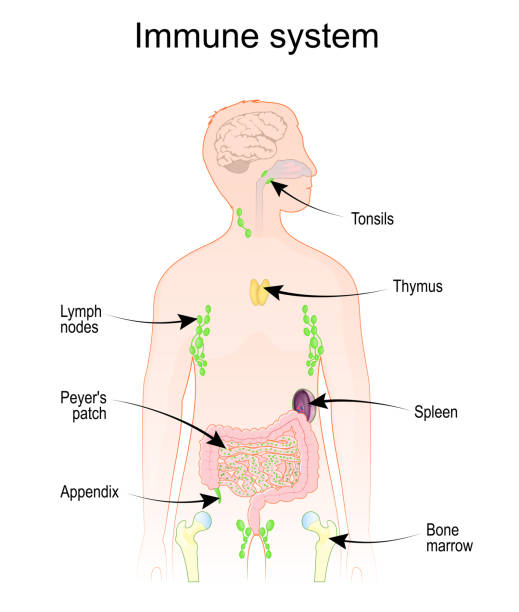
The immune system is one of evolution’s greatest achievements. It protects us from bacteria, viruses, parasites, fungi, and even cancerous cells. Without it, humans would not survive more than a few days in the natural world.
But the immune system is also one of the most dangerous systems in the body. It must constantly decide what is “self” and what is “foreign.” It must attack invaders aggressively, but it must not destroy the body itself.
This delicate balance is difficult to maintain, and evolution did not make it perfect. The result is a wide range of immune-related diseases.
Autoimmune disorders happen when the immune system mistakenly attacks the body’s own tissues. Conditions like lupus, multiple sclerosis, type 1 diabetes, rheumatoid arthritis, and inflammatory bowel disease are examples of the immune system becoming confused or overly aggressive.
Allergies are another consequence. The immune system sometimes reacts violently to harmless substances like pollen, peanuts, or dust. From an evolutionary perspective, it may be safer for the immune system to overreact than to underreact. A false alarm is inconvenient, but a missed infection can be fatal.
So evolution may have shaped immune systems to be hypersensitive, because hypersensitivity can save lives in dangerous environments. But in modern settings, where parasites are less common and hygiene is higher, that hypersensitivity can manifest as chronic allergic disease.
Our immune system is a weapon, and like any weapon, it can misfire.
Pathogens Evolve Faster Than Humans Ever Could
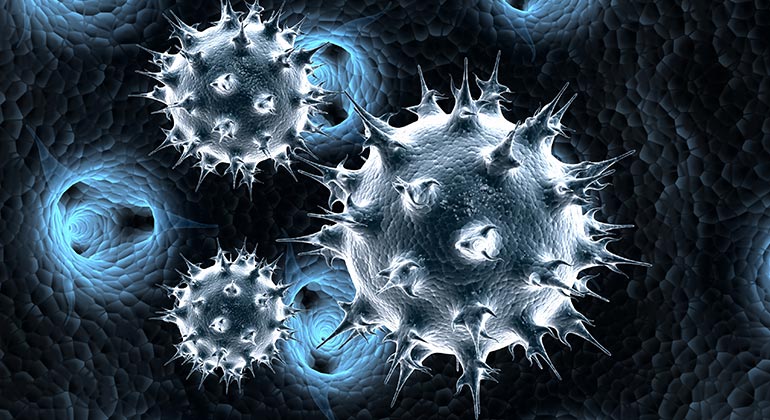
Humans have many diseases because we live in a world filled with other organisms that are fighting for survival too. Bacteria and viruses are not passive enemies. They evolve. And they evolve quickly.
Humans reproduce slowly. A generation takes decades. But bacteria can reproduce in minutes. Viruses can mutate rapidly, producing new variants in a short time. This creates an evolutionary arms race where pathogens can adapt faster than human biology can keep up.
This is why infectious diseases remain a major threat even in the modern era. It is why antibiotic resistance has become a global crisis. Antibiotics are powerful tools, but bacteria can evolve resistance through mutation and gene transfer. Each time antibiotics are misused, resistant strains gain an advantage.
Viruses are even more unpredictable. Influenza mutates constantly, forcing new vaccines each year. HIV evolved mechanisms to evade the immune system. Coronaviruses can jump between species, adapting in new hosts.
From an evolutionary perspective, humans are surrounded by millions of evolving biological competitors. Disease is not simply a malfunction of our body. It is often the result of another organism’s success.
Many Diseases Are the Price of Being Social
Humans are not solitary creatures. We evolved as highly social animals, forming groups, sharing food, caring for offspring, and cooperating for survival. Social living gave us enormous evolutionary advantages, including protection and knowledge transfer.
But it also created perfect conditions for disease spread.
When organisms live close together, pathogens can easily jump from one host to another. A virus that might die out in a solitary species can thrive in a dense social population. Human cities, trade routes, and migration patterns have always been highways for microbes.
Diseases like measles, smallpox, influenza, and tuberculosis spread effectively because humans live in groups. Epidemics are not a modern invention. They are a predictable consequence of social evolution.
Even before cities existed, early human groups likely passed parasites and infections between members through close contact, shared water sources, and communal living.
In a sense, human civilization is a biological gamble. We gained the power of cooperation, but we also inherited the vulnerability of contagion.
Agriculture and Civilization Created New Diseases
For most of human history, our ancestors lived as hunter-gatherers. They moved frequently, lived in smaller groups, and had limited contact with domesticated animals. Then agriculture arrived, and everything changed.
Farming allowed humans to settle permanently, build villages, store food, and increase population size. But it also created the perfect environment for disease.
Permanent settlements meant waste accumulated. Water sources became contaminated. Larger populations allowed pathogens to persist instead of burning out. Domesticated animals introduced new diseases to humans. Many of humanity’s most devastating infections originated from animal pathogens that adapted to human hosts.
Smallpox is believed to have evolved from animal viruses. Influenza has deep connections to birds and pigs. Tuberculosis likely spread more effectively as humans lived in crowded conditions. Plague outbreaks were amplified by rodents living near human grain storage.
Civilization brought progress, but it also brought microbes into closer contact with human bodies than ever before. In many ways, disease is the shadow that follows human development.
Our Diet Changed Faster Than Our Biology
Evolution is slow. Cultural change is fast. This mismatch is one of the biggest reasons modern humans experience so many chronic diseases.
The human body evolved under conditions of scarcity. Our ancestors faced unpredictable food supplies. When they found calorie-rich food, eating as much as possible was a survival advantage. Those who craved sugar and fat were more likely to survive famine.
But modern humans live in a world of abundance. High-calorie foods are everywhere. Sugar is cheap. Processed fats are common. Food is engineered for pleasure, not survival.
Our bodies still carry ancient instincts that push us to consume energy-dense foods, because for most of history, those foods were rare and valuable. Now they are constant.
This mismatch contributes to obesity, type 2 diabetes, cardiovascular disease, and metabolic syndrome. These are not simply diseases of “weak will.” They are diseases of evolutionary biology colliding with modern lifestyle.
We are built for survival in a harsh environment, but we now live in an environment our biology was never designed to handle.
Evolution Did Not Prepare Us for Sedentary Living
The human body evolved in motion. Our ancestors walked long distances, climbed, ran, carried loads, and spent much of their day physically active. The cardiovascular system, muscles, bones, and metabolism evolved under constant movement.
Modern life often involves sitting for hours. Many people work at desks, travel in vehicles, and spend leisure time on screens. The body can adapt to this, but not without consequences.
Lack of physical activity is linked to heart disease, stroke, obesity, depression, osteoporosis, and certain cancers. These are not random misfortunes. They are the predictable outcomes of a body evolved for movement being placed in stillness.
Even our joints and muscles can degrade under inactivity, because biological tissues are maintained through use. Bones strengthen under stress. Muscles remain healthy through activity. Circulation improves through motion.
Sedentary life is a modern invention, but our bodies are ancient.
Cancer: A Disease Built Into Multicellular Life
Cancer is one of the most feared diseases, and it is also one of the most revealing. Cancer is not a single illness but a category of diseases involving uncontrolled cell growth. It happens when mutations disrupt the normal controls that keep cell division in balance.
The tragedy is that cancer is almost inevitable in complex multicellular organisms. Every time a cell divides, there is a chance for mutation. The human body contains trillions of cells, and many of them divide frequently. Over decades of life, the number of divisions becomes enormous.
Evolution has built powerful anti-cancer mechanisms. Cells have repair systems for DNA damage. They have self-destruct programs called apoptosis. The immune system can detect and destroy abnormal cells.
But no system is perfect. The longer we live, the more mutations accumulate. Eventually, some cells may slip through the defenses. That is why cancer risk increases dramatically with age.
Cancer is not merely a failure of the body. It is the dark side of biological complexity. To have a body capable of healing, growing, and reproducing, you must allow cells to divide. And when cells divide, errors happen.
In this way, cancer is the price of being made of living cells rather than stone.
Genetic Diseases: Evolution’s Hidden Burden
Many human diseases are genetic, caused by mutations inherited from parents. Some are rare, while others are surprisingly common. At first glance, it may seem strange that harmful genes remain in the population. Shouldn’t evolution eliminate them?
Sometimes it does. Severe genetic diseases that prevent reproduction tend to disappear over time. But many genetic disorders persist because evolution cannot remove them easily.
Some genetic diseases are recessive, meaning they only appear when a person inherits two copies of the mutated gene. If someone carries only one copy, they may appear healthy and still pass the mutation to their children. This allows harmful mutations to hide in the population for generations.
In other cases, a gene that causes disease can also provide an advantage. This is called balancing selection.
A famous example is the sickle cell trait. People with two copies of the sickle cell gene develop sickle cell disease, a serious and painful condition. But people with one copy have increased resistance to malaria. In regions where malaria is common, the sickle cell gene remains in the population because it offers a survival benefit.
Other genetic traits may also have mixed effects. A mutation might increase fertility while also increasing the risk of disease later. Evolution does not “care” about the disease if the reproductive advantage outweighs the cost.
Genetic disease is often the result of evolution playing a numbers game with human lives.
Mental Illness and the Evolutionary Brain
The human brain is perhaps the most complex object we know of in the universe. It is capable of language, imagination, empathy, and abstract thought. But it is also vulnerable.
Depression, anxiety disorders, bipolar disorder, schizophrenia, addiction, and neurodevelopmental disorders affect millions of people. These conditions can be deeply disabling, raising the question: why would evolution produce a brain so prone to malfunction?
Part of the answer is that complexity creates fragility. The more complicated a system becomes, the more ways it can break. A simple organism has fewer moving parts. A human brain has billions of neurons, trillions of connections, and a delicate chemical balance.
Another part of the answer is that some traits linked to mental illness may have been advantageous in certain environments. Anxiety, for example, can increase vigilance and threat detection. In a dangerous world filled with predators and conflict, a cautious mind may survive longer.
Depression is more mysterious, but some evolutionary theories suggest it may have served as a response to loss, social conflict, or energy conservation during hardship. These theories are debated, but they highlight an important truth: emotions evolved for survival, not happiness.
The modern world can overwhelm ancient brain systems. Chronic stress, social isolation, sleep disruption, and constant stimulation can push the mind beyond what evolution prepared it to handle.
Mental illness is not simply weakness. It is often the consequence of a brain evolved for survival being placed in conditions of modern complexity.
Autoimmune Disease and the Hygiene Paradox
One of the strangest modern trends is that autoimmune diseases and allergies are more common in wealthy, industrialized societies than in many developing regions. This seems backwards. Shouldn’t cleaner environments produce healthier people?
This leads to a powerful idea known as the hygiene hypothesis. It suggests that human immune systems evolved in environments filled with parasites, bacteria, and dirt. In those conditions, the immune system was constantly trained and regulated by exposure to microbes and worms.
In modern environments, where sanitation is high and parasitic infections are rare, the immune system may lack the stimulation it evolved to expect. Without those “training signals,” it may become misdirected, attacking harmless substances or the body itself.
This could help explain the rise of asthma, eczema, food allergies, and inflammatory disorders in modern populations.
It is an eerie reminder that humans did not evolve for cleanliness. We evolved for survival in a microbial world.
Evolution Produces Vulnerability Through Success
One of the most ironic reasons humans have so many diseases is that we are too successful.
Our intelligence allowed us to build shelters, clothing, and medicine. These tools reduced natural selection pressures. People who might have died young in ancient times now survive and reproduce. This is a moral triumph, but it also means genetic vulnerabilities can persist in the population.
Modern medicine has saved millions of lives, but it has also altered the evolutionary landscape. In the past, certain genetic conditions might have been removed from the gene pool by early death. Today, many individuals with genetic disorders can live long lives and have children, passing those genes forward.
This does not mean medicine is “bad” or that helping people is wrong. That idea would be cruel and scientifically misguided. It simply means evolution is not a moral system. It is a mechanism.
As humans reshape the world, we reshape the evolutionary forces acting on ourselves.
Our compassion and technology have changed the rules, and biology is still catching up.
Aging: The Ultimate Disease Mechanism
Perhaps the deepest reason humans suffer so many diseases is that we age. Aging is not one illness, but it is the underlying risk factor for most chronic diseases. As the body ages, repair mechanisms weaken, immune function declines, and DNA damage accumulates.
From an evolutionary perspective, aging is partly the result of trade-offs. The body invests energy in growth and reproduction rather than perfect long-term maintenance. Over time, the accumulation of small damage becomes unavoidable.
Some evolutionary theories suggest that aging persists because there is little evolutionary advantage to preventing it once reproduction is achieved. Other theories argue that aging is a side effect of genetic programs that are beneficial early in life but harmful later, a concept called antagonistic pleiotropy.
Regardless of the exact mechanism, aging is the reason heart disease, cancer, neurodegeneration, and frailty become more common. We are not built to last forever. We are built to last long enough.
In that sense, disease is not a flaw in evolution. It is part of evolution’s strategy.
Humans Live Longer Than Evolution Expected
Another reason disease seems so common is that humans now live much longer than our ancestors did on average. Modern medicine, sanitation, nutrition, and public health have dramatically increased lifespan.
This is a triumph, but it comes with a cost. The longer we live, the more time there is for biological systems to fail. The longer we live, the more likely we are to develop cancer, cardiovascular disease, arthritis, dementia, and chronic inflammatory conditions.
In ancient times, many people died from infections, injuries, childbirth complications, or famine. Today, many survive those dangers and live long enough to face the slow breakdown of aging.
We are not necessarily sicker than our ancestors. We simply live long enough to experience diseases that were once rare.
Longevity reveals weaknesses that evolution never had to solve.
The Tragic Reality: Disease Is Built Into Life
The most uncomfortable truth is that disease is not an exception in nature. It is a natural consequence of biology.
Living organisms must constantly interact with their environment. They must consume resources, fight pathogens, repair damage, and reproduce. Every one of these processes introduces risk.
Cells must divide, which risks mutation. The immune system must attack invaders, which risks attacking itself. The brain must process emotion and memory, which risks psychological instability. The body must store energy, which risks metabolic imbalance. Reproduction must occur, which risks pregnancy complications and genetic errors.
Disease is not a sign that evolution failed. Disease is what happens when life becomes complex.
And humans are among the most complex forms of life ever produced.
Evolution’s Dark Side Is Also Its Genius
It is easy to see evolution as cruel when we consider the suffering caused by disease. But evolution’s harshness is also the reason we exist at all. Natural selection is not gentle, but it is powerful. It created eyes that can see galaxies, hands that can build cathedrals, and brains that can question their own existence.
The same evolutionary process that gave humans our strength also gave us our weaknesses. We gained intelligence, but also mental illness. We gained long lives, but also cancer and dementia. We gained social communities, but also pandemics. We gained an immune system strong enough to survive infection, but also one capable of turning against us.
Evolution does not offer gifts without consequences.
It builds organisms through compromise, not perfection.
The Hopeful Ending: Understanding Disease Means Fighting Back
Although evolution explains why humans have so many diseases, it does not mean we are powerless. In fact, understanding evolutionary biology gives medicine a deeper foundation.
When doctors understand how pathogens evolve, they can design better treatments and avoid fueling antibiotic resistance. When scientists understand the mismatch between ancient biology and modern life, they can develop better strategies for preventing obesity, diabetes, and heart disease. When researchers understand aging as a biological process, they can explore ways to slow it and reduce age-related illness.
Human beings are the only species that can study its own evolutionary weaknesses and attempt to overcome them.
That is something extraordinary.
We may be shaped by evolution’s dark side, but we are not trapped by it. The very intelligence that exposes us to certain diseases also gives us the power to fight them. Vaccines, antibiotics, surgery, public health systems, and genetic research are all ways humans have learned to push back against the ancient compromises written into our bodies.
Conclusion: Why Humans Have So Many Diseases
Humans have so many diseases because evolution never promised health, comfort, or perfection. It promised survival long enough to reproduce. Our bodies are built from ancient structures repurposed over millions of years, full of trade-offs that make us vulnerable. Our immune system is powerful but unstable. Our long lifespan exposes us to aging-related breakdown. Our social nature spreads infection. Our modern lifestyle clashes with biology shaped for a different world.
Disease is not merely a tragedy of life—it is part of the biological story of what it means to be human.
We are not machines built by a perfect designer. We are survivors shaped by time, struggle, and compromise. Every weakness in our bodies is a clue to our evolutionary past. Every illness is a reminder that life is not static, not guaranteed, and not immune to the laws of nature.
And yet, despite all of it, we endure.
The human body may be fragile, but it is also miraculous. It carries the scars of evolution, but it also carries the triumph of existence itself. In understanding why disease is so common, we do not lose hope. We gain clarity.
Because once we understand the roots of our vulnerability, we can begin to reshape the future—not through blind evolution, but through knowledge, science, and deliberate human choice.