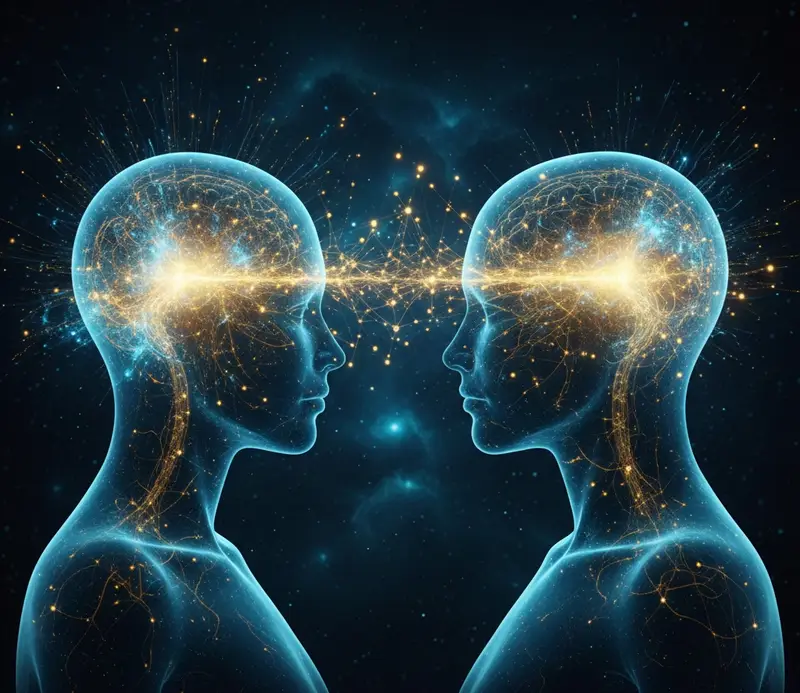
The idea of transplanting a human memory has haunted human imagination for generations. It appears in myths, in speculative fiction, and in the quiet hopes of those who fear forgetting or wish to preserve the essence of a loved one. At first glance, the question seems simple: can one person’s memories be transferred into another person’s mind? Yet beneath this seemingly straightforward inquiry lies a labyrinth of scientific, philosophical, and ethical complexities. To ask whether memory transplantation is possible is to ask what a memory truly is, how it is encoded in the brain, and whether the subjective experience of one human life can ever be meaningfully shared by another.
Modern neuroscience has revealed extraordinary details about how memories are formed, stored, and retrieved. At the same time, these discoveries have underscored how deeply personal and biologically embedded memory is. Memory is not a single object stored in a single location. It is a dynamic, distributed process that intertwines with emotion, identity, perception, and the physical structure of the brain itself. Any discussion of memory transplantation must therefore begin with a careful understanding of memory as a biological phenomenon.
What Is Memory from a Scientific Perspective?
In scientific terms, memory is the ability of the nervous system to encode, store, and retrieve information over time. This definition, while accurate, barely hints at the richness of memory as lived experience. Memories allow us to recognize faces, speak languages, navigate familiar streets, and recall moments of joy or sorrow. They form the narrative thread that gives continuity to our lives.
Neuroscience distinguishes memory not as a single entity but as a collection of processes supported by different neural systems. Short-term memory allows information to be held briefly for immediate use, while long-term memory enables storage over extended periods. Long-term memory itself includes declarative memory, which involves facts and events that can be consciously recalled, and non-declarative memory, which includes skills and habits learned through repetition.
At the cellular level, memory depends on changes in the strength and structure of synaptic connections between neurons. When we learn something new, patterns of neural activity lead to biochemical changes that alter how neurons communicate. This phenomenon, often referred to as synaptic plasticity, provides a physical basis for learning and memory. Over time, these changes can stabilize, forming enduring memory traces that persist even as individual molecules within neurons are replaced.
The Engram: The Physical Trace of Memory
Central to the scientific study of memory is the concept of the engram. An engram refers to the physical and biochemical changes in the brain that correspond to a specific memory. For much of the twentieth century, the engram was a theoretical construct, inferred from behavior but not directly observed. Advances in neuroscience, however, have begun to make the engram experimentally accessible.
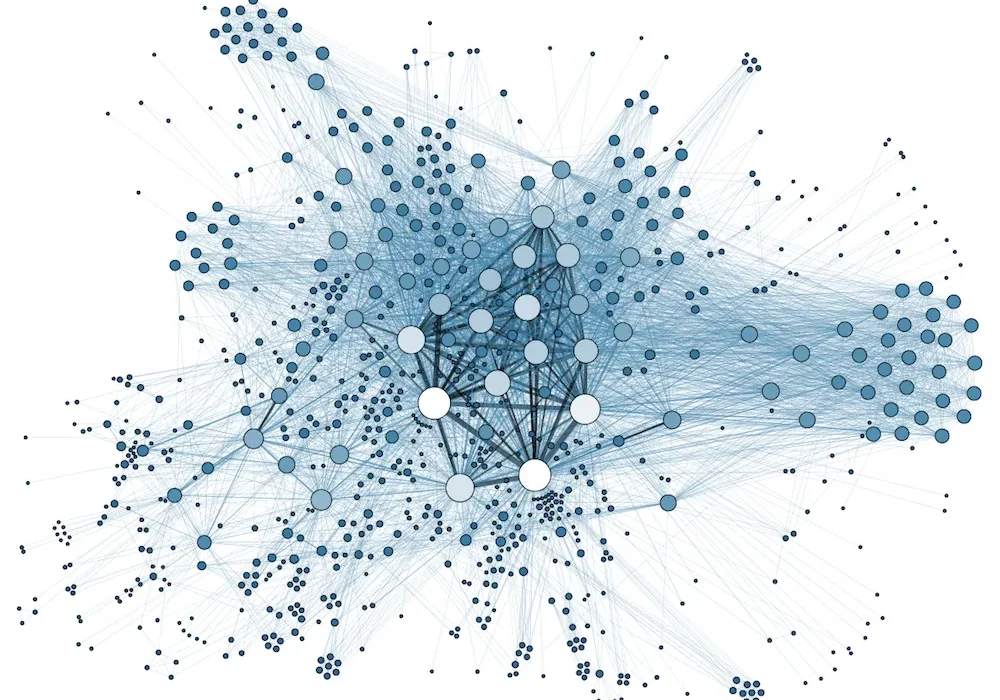
Research using animal models has shown that specific memories can be associated with identifiable populations of neurons. When these neurons are artificially activated, the associated memory can be triggered, even in the absence of the original stimulus. Conversely, disrupting these neurons can impair memory recall. These findings provide strong evidence that memories are encoded in distributed neural networks rather than isolated cells.
Yet even this progress highlights the challenge of memory transplantation. An engram is not a simple file that can be copied and pasted. It is embedded in a unique neural architecture shaped by genetics, development, and experience. The same memory, encoded in two different brains, would necessarily be represented differently at the cellular level.
Memory as a Dynamic and Reconstructive Process
Another major obstacle to memory transplantation arises from the fact that memory is not static. Memories are not stored as fixed recordings of past events. Instead, they are reconstructed each time they are recalled. This reconstructive nature means that memories can change over time, influenced by new information, emotional states, and social context.
When a memory is retrieved, it briefly becomes unstable and must be reconsolidated. During this window, the memory can be modified, strengthened, weakened, or even distorted. This process is adaptive, allowing memory to remain relevant and integrated with current knowledge. However, it also means that memory is deeply intertwined with ongoing brain activity.
Because of this dynamism, transplanting a memory would require not only transferring a static pattern of neural connections but also ensuring that the memory integrates into the recipient’s existing cognitive and emotional framework. Without this integration, the memory might be meaningless, inaccessible, or psychologically disruptive.
Lessons from Brain Injury and Neurodegenerative Disease
Insights into the nature of memory also come from cases where memory is lost or altered due to brain injury or disease. Damage to specific brain regions, such as the hippocampus, can profoundly impair the ability to form new memories while leaving older memories relatively intact. Neurodegenerative conditions, including Alzheimer’s disease, gradually erode memory by disrupting neural circuits over time.
These observations reinforce the idea that memory depends on the integrity of complex neural systems. Even when information has been learned, its accessibility depends on the health of the networks that support retrieval. This has important implications for memory transplantation. Transferring a memory without recreating the appropriate retrieval pathways would be insufficient to produce meaningful recall.
Moreover, the emotional content of memory is often preserved or lost in ways that reflect the involvement of additional brain regions, such as the amygdala. Emotional memories are typically more vivid and enduring, underscoring the intimate link between memory and affect. Any attempt to transplant memory would therefore have to account for emotional encoding as well as factual content.
Early Speculation and Experimental Curiosity
The scientific fascination with memory transfer is not new. In the mid-twentieth century, some researchers explored whether memories could be transferred through biological means. Experiments involving simple organisms, such as flatworms, suggested that learned behaviors might persist after regeneration or be influenced by biochemical factors. These findings sparked speculation that memory might be transferable via molecular substrates.
Subsequent research, however, failed to support these early interpretations. The apparent transfer of learning was later explained by alternative mechanisms unrelated to memory transplantation. As neuroscience advanced, it became clear that memory is not stored in a simple chemical form that can be injected or transplanted.
While these early experiments did not demonstrate memory transfer, they played a valuable role in motivating deeper investigation into the biological basis of learning and memory. They also serve as a cautionary tale about the allure of simplistic explanations for complex phenomena.
Neural Interfaces and the Prospect of Artificial Memory Transfer
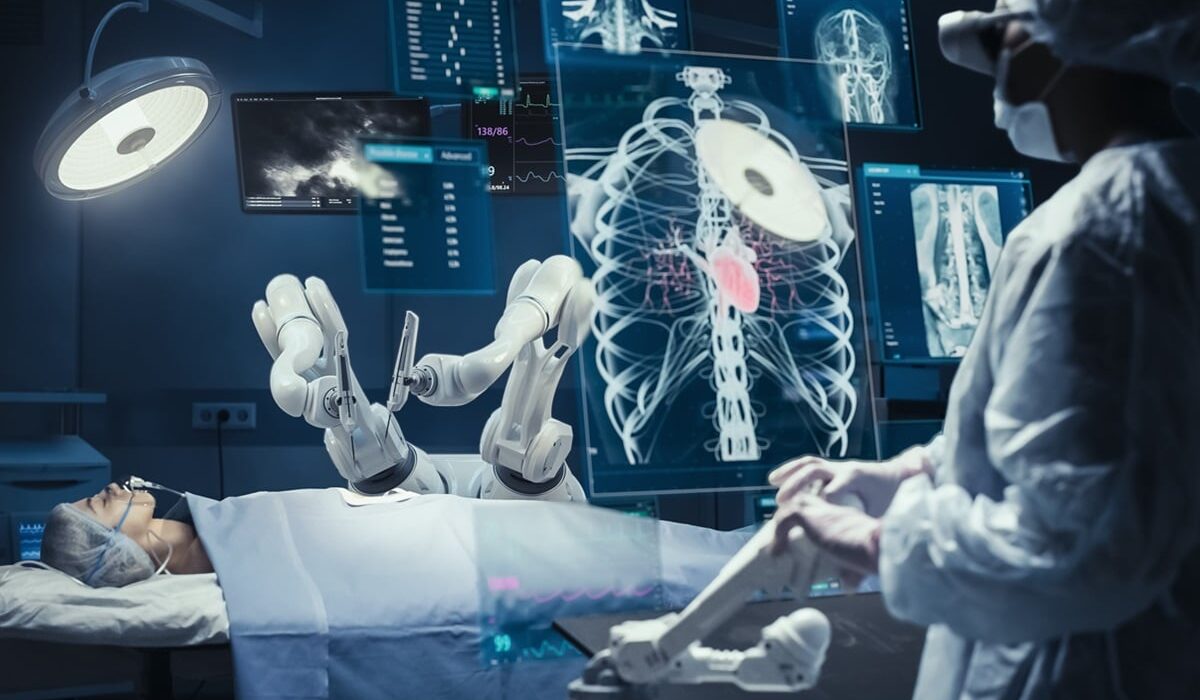
In recent decades, the development of neural interfaces has revived interest in the possibility of transferring information directly to the brain. Brain-computer interfaces allow neural activity to be recorded, decoded, and in some cases stimulated. These technologies have enabled remarkable achievements, such as allowing paralyzed individuals to control robotic limbs or communicate through neural signals.
Some researchers have explored whether neural stimulation could enhance or modify memory. Experiments involving targeted electrical stimulation of memory-related brain regions have shown modest improvements in memory performance under certain conditions. These interventions, however, do not involve transferring specific memories from one individual to another.
The idea of artificial memory transfer would require decoding the neural representation of a memory in one brain and encoding a corresponding pattern in another brain. This challenge is immense. Current technology can record activity from relatively small numbers of neurons, while memories involve vast, distributed networks. Furthermore, interpreting these patterns requires understanding how subjective experience maps onto neural activity, a problem that remains unresolved.
Skill Learning and the Illusion of Memory Transfer
Some apparent examples of memory transfer involve skills rather than explicit memories. For instance, targeted training or stimulation can accelerate learning in certain domains. In animal studies, stimulation of specific neural pathways has been shown to facilitate the acquisition of learned behaviors. These effects are sometimes described as a form of memory enhancement, but they do not involve transferring the memory itself.
In humans, skill learning depends heavily on practice and reinforcement. Even when external aids or stimulation are used, the brain must still undergo its own plastic changes to support the learned skill. This process cannot be bypassed by simply inserting a memory from another person.
The distinction between facilitating learning and transplanting memory is crucial. Enhancing the brain’s capacity to learn does not equate to importing another individual’s experiences. The latter would require a level of neural precision and compatibility far beyond current scientific capabilities.
The Role of Genetics and Development in Memory Encoding
Every human brain is shaped by a unique combination of genetic factors and developmental experiences. Genes influence the overall structure of the brain, the types of neurons present, and the patterns of connectivity that emerge during development. Experience further sculpts these networks, leading to individual differences in cognition and behavior.
Memory encoding occurs within this personalized neural landscape. A memory is not simply an abstract piece of information; it is encoded in relation to existing knowledge, beliefs, and emotional associations. Two people witnessing the same event will form different memories, shaped by their prior experiences and perspectives.
This individuality poses a fundamental challenge to memory transplantation. Even if it were possible to replicate the neural pattern corresponding to a memory, there is no guarantee that it would have the same meaning or emotional resonance in another brain. Memory is inseparable from the self that experiences it.
Memory, Identity, and the Self
Perhaps the most profound implication of memory transplantation lies in its relationship to personal identity. Memories are not merely records of past events; they are integral to the sense of self. They provide continuity across time, allowing individuals to perceive themselves as the same person from one moment to the next.
Philosophers and neuroscientists alike have noted that altering memory can alter identity. Conditions that disrupt memory often lead to changes in personality, values, and social relationships. This suggests that memory is not an accessory to identity but one of its core components.
If a person were to receive memories from another individual, would those memories become part of their identity? Would they feel like authentic experiences or intrusive чуж elements? These questions are not merely theoretical. They highlight the deep ethical and psychological dimensions of any attempt to manipulate memory.
Ethical Boundaries and the Limits of Intervention
Even if memory transplantation were scientifically feasible, it would raise serious ethical concerns. Consent, authenticity, and psychological well-being would all come into question. Memories carry emotional weight, including trauma, regret, and grief. Transferring such experiences without the lived context that gave rise to them could be harmful.
There is also the risk of coercion or misuse. Memories could be manipulated for persuasion, control, or exploitation. The possibility of altering or inserting memories touches on fundamental human rights related to autonomy and mental integrity.
Modern neuroscience operates within ethical frameworks designed to protect individuals from harm. As technologies advance, these frameworks must evolve to address new possibilities. The prospect of memory transplantation underscores the importance of balancing scientific curiosity with respect for human dignity.
What Science Fiction Gets Right and Wrong
Popular culture has long explored the idea of memory transfer, often portraying it as a near-magical process. These stories capture the emotional appeal of sharing experiences across lives, but they frequently oversimplify the science. Memories are depicted as discrete units that can be uploaded, downloaded, or exchanged with ease.
While such narratives are compelling, they obscure the true complexity of memory. Real memories are inseparable from the biological and psychological systems that support them. They cannot be detached from the brain without losing essential features.
At the same time, science fiction sometimes anticipates genuine scientific questions. By imagining the consequences of memory manipulation, it invites reflection on identity, responsibility, and the nature of consciousness. In this sense, fiction serves as a conceptual laboratory, even when its technical details are unrealistic.
The Current Scientific Consensus
Based on current scientific understanding, transplanting a human memory from one brain to another is not possible. The biological, technical, and conceptual obstacles are formidable. Memories are encoded in complex, individualized neural networks that cannot be easily replicated or transferred.
This conclusion does not diminish the remarkable progress neuroscience has made in understanding memory. On the contrary, it highlights how sophisticated and deeply integrated memory processes are. Each advance reveals new layers of complexity, reminding us that the brain is not merely a storage device but a living, adaptive system.
It is also important to distinguish between the impossibility of memory transplantation and the potential for memory modulation. Techniques that influence memory formation, retrieval, or emotional impact are already under investigation and may offer therapeutic benefits. These approaches aim to heal or support memory, not to transfer it wholesale.
Future Directions and Open Questions
The future of memory research holds many exciting possibilities. Advances in imaging, molecular biology, and computational modeling continue to deepen our understanding of how memories are formed and maintained. New technologies may allow more precise modulation of neural circuits, offering hope for treating memory-related disorders.
However, even as our tools improve, fundamental questions remain. How does subjective experience arise from neural activity? How do memories become integrated into a coherent sense of self? These questions lie at the intersection of neuroscience, psychology, and philosophy.
It is conceivable that future discoveries will challenge current assumptions. Science has a long history of overturning what once seemed impossible. Yet any genuine breakthrough in memory transplantation would require not only technological innovation but also a profound reconceptualization of what memory is.
Why the Question Still Matters
If memory transplantation is not possible, why continue to ask the question? The answer lies in what the question reveals about human curiosity and concern. We ask about memory transplantation because we care about memory. We fear its loss, cherish its preservation, and recognize its role in shaping who we are.
Exploring the limits of memory transfer forces us to confront the uniqueness of individual experience. It reminds us that knowledge and empathy cannot be fully separated from lived context. Understanding another person involves communication, shared experience, and imagination, not the direct exchange of neural patterns.
In this sense, the impossibility of memory transplantation may be a testament to the richness of human consciousness. Our memories are not commodities to be traded; they are the product of a life lived in a particular body, at a particular time, in a particular world.
Conclusion: Memory as a Living Process
The question of whether it is possible to transplant a human memory leads us on a journey through neuroscience, philosophy, and ethics. Scientific evidence makes it clear that memories are not transferable objects but living processes embedded in the brain’s structure and activity. They arise from the interaction of neurons, shaped by emotion, context, and identity.
While technology may one day allow unprecedented interaction with the brain, the direct transplantation of memories remains beyond our reach. This limitation is not a failure of science but a reflection of the extraordinary complexity of the human mind.
In understanding why memory transplantation is not possible, we gain a deeper appreciation for what memory truly is. It is not merely information stored in the brain, but the biological echo of experience itself. Memory binds us to our past, informs our present, and guides our future. It is, in the most fundamental sense, a record of being human.