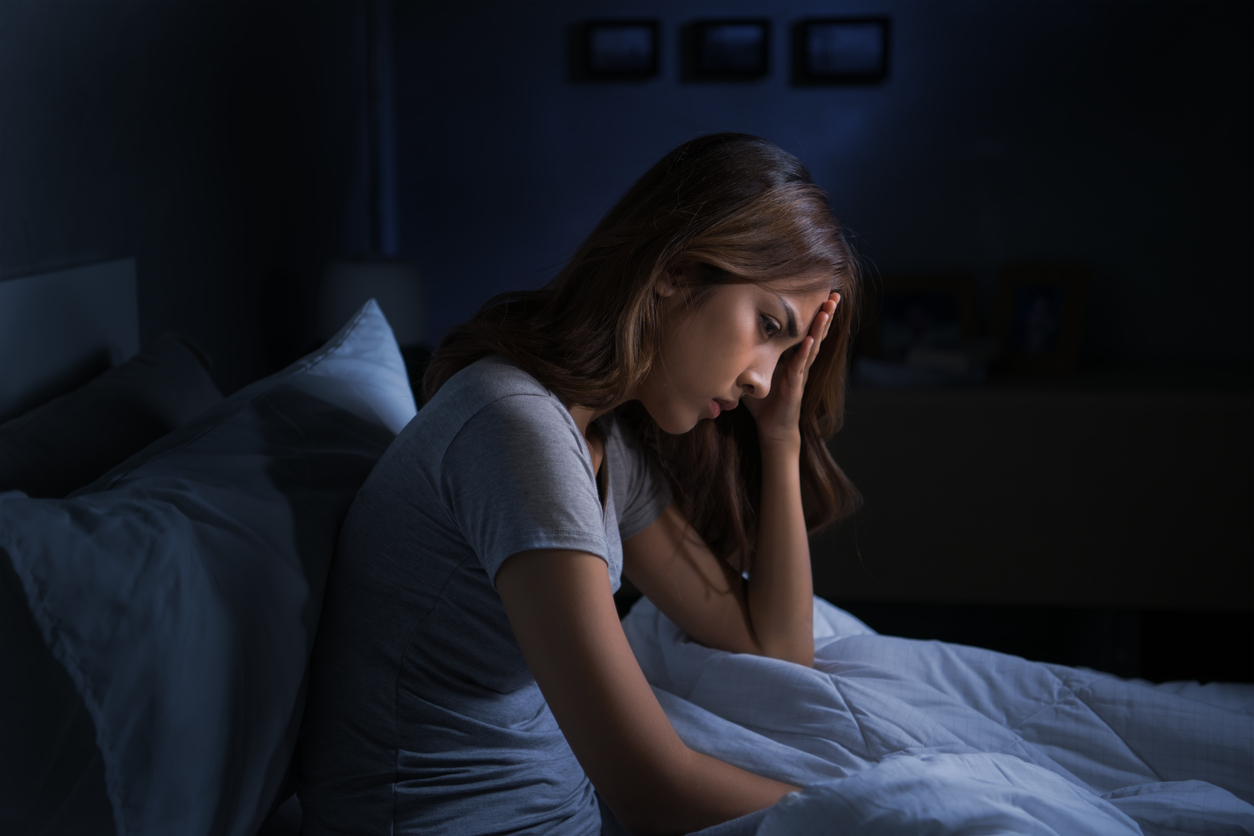
Almost everyone has experienced it: the sudden jolt awake in the middle of the night, heart racing, breath shallow, skin damp with sweat. The room is quiet, familiar, and safe—but your body doesn’t believe it. For a few terrifying seconds, the fear from the dream lingers like a shadow. Even when you realize it wasn’t real, the emotional aftertaste remains.
Nightmares are one of the strangest human experiences. They are intensely personal, often horrifying, and sometimes unforgettable. They can feel more vivid than ordinary dreams, more emotionally violent than anything we experience while awake. They may replay old traumas, invent terrifying monsters, or trap us in impossible situations where we cannot escape. And perhaps the most unsettling part is this: nightmares come from inside our own minds.
Why would the brain create fear while the body sleeps? Why would evolution allow a person to relive danger when nothing is actually happening? Are nightmares a malfunction, a mental warning system, or something else entirely?
The truth is that nightmares are not random accidents. They are connected to the brain’s emotional systems, memory networks, and survival instincts. They are also influenced by stress, trauma, biology, and even culture. To understand why humans have nightmares, we must explore sleep itself—and what the brain is secretly doing when the lights go out.
What Counts as a Nightmare?
A nightmare is a disturbing dream that causes strong negative emotions, usually fear, anxiety, helplessness, or disgust, and often leads to awakening. Unlike many ordinary dreams that fade quickly, nightmares tend to be vivid and memorable. They may feel like real experiences rather than symbolic stories.
Nightmares typically occur during rapid eye movement sleep, commonly called REM sleep. This is the sleep stage most associated with vivid dreaming. During REM, the brain is highly active, the eyes move rapidly beneath closed eyelids, and the body’s major muscles are temporarily paralyzed to prevent acting out the dream.
Nightmares are not the same as night terrors, which are sudden episodes of screaming or panic that occur in non-REM sleep, often without a clear dream narrative. People who experience night terrors may not fully wake up and often cannot remember what happened. Nightmares, on the other hand, usually come with a story-like dream that can be recalled.
This distinction matters because it shows that nightmares are not just “bad sleep.” They are a specific phenomenon tied to the brain’s dream-making machinery.
The Brain Doesn’t Sleep the Way You Think It Does
Sleep feels like shutting down, but biologically it is not a passive state. Your brain is busy throughout the night, cycling through different stages of sleep, each with its own purpose.
REM sleep is especially strange. In REM, brain activity resembles wakefulness in many ways. The emotional regions of the brain become highly active, while certain areas involved in rational thought and self-control become less active. In other words, the brain becomes emotional and imaginative, but less logical and less capable of critical reasoning.
This creates the perfect conditions for nightmares.
During REM sleep, the amygdala—a key brain structure involved in fear and threat detection—is particularly active. The amygdala helps you respond quickly to danger while awake. It triggers fear, heightens attention, and prepares the body to fight or flee. When the amygdala is firing during REM sleep, the brain may generate threatening dream content even when there is no external danger.
At the same time, the prefrontal cortex, which helps regulate emotion and evaluate reality, becomes less active during REM. That means the brain is less capable of saying, “This isn’t real. Calm down.”
The result is a dream that feels emotionally intense and believable.
Nightmares are not a sign that the brain is malfunctioning. They are often the natural outcome of a brain system designed to simulate emotional experiences while logic takes a temporary back seat.
The Evolutionary Theory: Nightmares as Survival Training
One of the most influential ideas about nightmares is that they may have evolved as a form of threat rehearsal.
In ancient environments, survival depended on quickly recognizing danger. Predators, hostile tribes, poisonous animals, natural disasters, and social threats could all end a life suddenly. Humans who were mentally prepared for danger would have had a better chance of surviving.
According to the threat simulation theory, dreaming—especially frightening dreaming—may be the brain’s way of practicing for dangerous situations. Nightmares might simulate threats so that the brain can rehearse responses. Even if the dream is exaggerated or unrealistic, the emotional training could still strengthen survival instincts.
In this view, nightmares are not useless. They may be like a mental emergency drill.
A nightmare about being chased might sharpen the brain’s ability to recognize pursuit and danger. A nightmare about falling might reinforce the instinct to avoid cliffs or unstable ground. Nightmares about social humiliation or betrayal could strengthen awareness of social threats, which were extremely important in human evolution because humans depend heavily on group belonging.
This theory does not mean nightmares are pleasant or beneficial in a modern sense, but it suggests that they might have been adaptive in the past.
Even today, our brains still operate with ancient survival systems. The modern world may be safer than prehistoric life, but the brain’s threat-detection machinery has not evolved quickly enough to stop generating danger simulations.
In some ways, nightmares may be the price of having a highly imaginative survival brain.
Nightmares and Emotional Processing
Another major explanation is that nightmares are connected to emotional regulation and memory processing.
During sleep, the brain does more than rest. It reorganizes information. It strengthens some memories and weakens others. It integrates emotional experiences into long-term understanding. REM sleep appears to play a significant role in processing emotions, especially fear and stress.
In this model, nightmares happen when the brain is attempting to process intense emotional experiences but becomes overwhelmed. The dream becomes a stage where unresolved fear, anxiety, grief, or trauma is acted out in symbolic or literal form.
This is why nightmares often increase during stressful periods of life. When a person is under pressure, the brain carries emotional tension into sleep. During REM, the brain tries to digest that emotional content, but instead of calming it, the dream amplifies it.
Nightmares may be the brain’s attempt to work through emotional pain, but sometimes the process becomes chaotic.
In this sense, nightmares can be understood as emotional overflow—when the brain’s nighttime therapy session turns into an uncontrolled storm.
Why Nightmares Feel So Real
Nightmares are not just scary. They feel real in a way that ordinary imagination often does not. This realism comes from how the brain constructs dreams.
During REM sleep, the brain’s sensory areas can become activated as if they are processing real perception. Visual regions generate images. Auditory regions generate sounds. Emotional systems generate intense feelings. Memory systems pull fragments of real experiences and combine them into new scenes.
But the brain lacks one important ingredient: external feedback. It cannot test reality. While awake, you can touch objects, check your environment, and confirm what is happening. In a dream, the brain generates the entire world internally, so there is nothing to correct errors or contradictions.
Because of this, the dream world becomes self-contained. If you dream that you are trapped in a burning building, your brain does not receive external evidence that you are safe in bed. Instead, it generates heat, panic, and urgency as though the fire were real.
Nightmares can also trigger physical responses. Your heart rate may increase. Stress hormones may rise. You may sweat or breathe rapidly. Even though your muscles are largely paralyzed during REM, your autonomic nervous system—the system that controls involuntary functions like heartbeat—can react strongly.
This is why waking from a nightmare can feel like escaping a real danger. Your body has been living the fear.
The Role of Stress Hormones and the Fear System
Nightmares are deeply connected to the body’s stress response. When the brain perceives danger—whether real or imagined—it activates systems designed to keep you alive.
The sympathetic nervous system triggers the release of adrenaline-like chemicals. The hypothalamus signals hormonal pathways that involve cortisol, a hormone associated with stress and alertness. The brain becomes primed for survival.
During REM sleep, the brain can activate fear circuits even without external threats. Stress in daily life increases the sensitivity of these circuits. If someone is anxious, sleep-deprived, or overwhelmed, their brain may be more likely to interpret dream content as threatening.
This helps explain why nightmares are more common during emotionally difficult periods. The brain is already tuned to danger. It does not relax easily. Even in sleep, it continues scanning for threats.
In some people, this becomes chronic. They experience frequent nightmares because their nervous system remains in a heightened state of alertness even at night.
Trauma and PTSD: When Nightmares Become a Repeating Wound
One of the most serious causes of nightmares is trauma.
People who have experienced traumatic events—combat, assault, accidents, abuse, natural disasters, or other life-threatening situations—often develop nightmares as part of post-traumatic stress disorder (PTSD). These nightmares may replay the traumatic event in horrifying detail or recreate its emotional tone in different settings.
Trauma changes the brain. It can strengthen fear-based memory pathways, making the brain more likely to react strongly to reminders of the event. The amygdala becomes hyperactive, while brain regions involved in calming fear responses may become less effective.
In PTSD, nightmares may represent the brain’s failure to properly process the traumatic memory. Instead of storing it as a past event that is over, the brain keeps treating it as a present threat. Sleep becomes a time when the memory returns with full emotional force.
Nightmares in PTSD are not simply dreams. They are flashbacks occurring in sleep.
This is why trauma-related nightmares can feel intensely real and can cause people to avoid sleep altogether. The fear becomes so severe that bedtime feels dangerous. Sleep, which should restore the body, becomes another battlefield.
Why Children Have More Nightmares
Nightmares are especially common in childhood. This is partly because children’s brains are still developing, particularly the regions responsible for emotional regulation.
Young children also have vivid imaginations and weaker boundaries between fantasy and reality. Their brains are learning how to interpret the world, and that learning process includes fear.
Children are exposed to new experiences constantly. Their minds are absorbing unfamiliar information, and their dream systems are actively organizing it. A child may dream about monsters, darkness, separation from parents, or strange animals because those represent common childhood fears.
Nightmares may also be linked to cognitive development. As children begin to understand danger, death, and loss, their brains begin simulating these possibilities in dreams. In a way, nightmares can be part of learning what threats exist in the world.
Most childhood nightmares fade with age, but they can leave emotional imprints. Many adults remember nightmares from childhood more clearly than ordinary childhood memories because fear strengthens memory formation.
The Social Side of Nightmares: Fear of Rejection and Shame
Not all nightmares involve physical danger. Some involve embarrassment, rejection, humiliation, or betrayal. People dream of being naked in public, failing an exam, being laughed at, being abandoned, or losing control in front of others.
These nightmares may seem strange because they do not involve predators or violence, but they reflect a powerful truth: humans are social creatures. Social belonging has always been essential for survival. In early human societies, being rejected from the group could mean starvation, exposure, or death.
The brain treats social threats as serious threats. It activates fear and stress systems when a person feels socially vulnerable. This is why social anxiety can produce nightmares that are emotionally devastating even without physical harm.
A nightmare about public humiliation may be the brain rehearsing the fear of social failure. The emotional pain feels real because, in evolutionary terms, social pain has always mattered.
Nightmares reveal that the human brain fears not only death, but also disconnection.
Why Certain Foods, Drugs, and Medications Can Trigger Nightmares
Nightmares are not only psychological. They can also be influenced by biology and chemistry.
Certain medications are known to increase vivid dreaming or nightmares. Drugs that affect neurotransmitters like serotonin, dopamine, and norepinephrine can alter REM sleep patterns. Some antidepressants, blood pressure medications, and sleep aids may increase nightmare frequency in certain individuals, especially during withdrawal or dosage changes.
Alcohol is another major factor. While alcohol can make a person fall asleep faster, it disrupts sleep architecture and often suppresses REM early in the night. As alcohol wears off, the brain may rebound into intense REM sleep later, which can increase vivid dreams and nightmares.
Nicotine, caffeine, and recreational drugs can also interfere with sleep and heighten dream intensity. Even heavy meals late at night can increase metabolism and body temperature, which may influence sleep quality and dream vividness.
Nightmares are partly psychological stories, but they are also biological events shaped by the chemistry of the sleeping brain.
The Link Between Sleep Deprivation and Nightmares
One of the strongest predictors of nightmares is sleep deprivation.
When a person does not get enough sleep, the brain becomes stressed. Emotional regulation worsens. Anxiety increases. The next time the person sleeps, the brain often experiences REM rebound, meaning it enters REM more quickly and spends more time there.
This can lead to more vivid dreams and nightmares.
Sleep deprivation creates a vicious cycle. Lack of sleep increases stress and emotional instability, which increases nightmares, which then disrupt sleep even further.
This is why nightmares are often associated with insomnia. People who fear nightmares may delay sleep, and the resulting sleep deprivation makes the nightmares more intense when sleep finally happens.
In many cases, improving sleep quality can reduce nightmare frequency.
Why Nightmares Often Contain Familiar Themes
Nightmares vary from person to person, but many share common themes. People dream of falling, being chased, losing teeth, being trapped, drowning, failing, or being attacked.
These themes are not random. They reflect universal human vulnerabilities.
Falling may represent loss of control, instability, or fear of failure. Being chased may reflect anxiety, avoidance, or unresolved pressure. Losing teeth may symbolize fear of aging, helplessness, or loss of power. Being trapped may reflect real-life feelings of being stuck in a job, relationship, or emotional situation.
Even when nightmares contain surreal elements, they often express real emotional states. The brain uses symbols and exaggerated scenarios to translate internal stress into dream narratives.
Nightmares are not always meaningful in a mystical sense, but they often reflect the emotional truth of a person’s waking life.
The Brain’s Storytelling Machine and the Chaos of Dreams
The brain is a meaning-making system. It does not like randomness. When the brain experiences internal signals during sleep—memories activating, emotions firing, fragments of imagery emerging—it tries to weave them into a story.
Dreams may arise because the brain is trying to create a coherent narrative from neural activity. In this view, nightmares are the result of the brain attempting to explain fear signals that are already present.
If the amygdala is firing intensely, the brain may generate a dream scenario that matches that emotional state. It invents danger to justify the fear. The nightmare is not necessarily caused by the story. The story may be caused by the fear.
This flips the common assumption. Instead of nightmares producing fear, fear-producing brain activity may produce nightmares.
The dreaming brain is like a filmmaker handed a flood of emotions and memory fragments. It must create a movie from them, even if the result is terrifying.
Are Nightmares Helpful or Harmful?
Nightmares can be both.
Occasional nightmares are normal. They may even be psychologically useful. They might help process difficult emotions, rehearse threat responses, or integrate stressful experiences. Some people report waking from a nightmare with a sense of emotional release, as if the dream helped them face something they were avoiding.
But frequent nightmares can be harmful. They can lead to chronic sleep disruption, increased anxiety, and impaired mental health. They can worsen depression and stress. They can contribute to insomnia and fear of sleep. In trauma survivors, nightmares can reinforce PTSD symptoms and prevent healing.
The difference often lies in frequency, intensity, and whether the nightmares feel manageable or overwhelming.
The human brain is capable of producing fear for protective reasons, but when the system becomes overactive, the protective mechanism turns into suffering.
Why Some People Rarely Have Nightmares
Not everyone experiences nightmares frequently. Some people may have them only a few times a year. Others have them weekly or even nightly.
Several factors influence this.
Genetics may play a role. Some people naturally have more vivid dreams and stronger REM activity. Personality traits such as high anxiety sensitivity may increase nightmare likelihood. People who score high in neuroticism tend to report more nightmares.
Stress levels and mental health also matter. Anxiety disorders, depression, and PTSD are strongly linked to nightmares. People with stable emotional well-being may have fewer.
Sleep habits are another factor. Regular sleep schedules and good sleep hygiene can reduce nightmares. Irregular sleep patterns and poor sleep quality can increase them.
Nightmares are not a sign of weakness. They are often a sign that the brain is under pressure, processing intense emotion, or simply wired to dream vividly.
Can Nightmares Predict the Future?
Many cultures throughout history have believed that nightmares contain supernatural warnings or predictions. Even today, people sometimes wake from a nightmare feeling that it meant something prophetic.
Scientifically, nightmares do not predict the future in a literal sense. They do not reveal destiny or hidden cosmic messages. But they can sometimes feel predictive because the brain is very good at sensing patterns.
A person may have a nightmare about losing a job because they are subconsciously noticing signs of instability. A nightmare about a loved one dying may arise because the brain is aware of their declining health. A nightmare about an accident may reflect anxiety about risk.
Nightmares can sometimes act like emotional forecasts, not because they predict events, but because they reveal fears and intuitions that the conscious mind has not fully processed.
In that way, nightmares can contain insight—not supernatural insight, but psychological truth.
When Nightmares Become a Medical Problem
Nightmares become clinically significant when they occur frequently and cause distress or impairment. Nightmare disorder is a recognized condition in which recurring nightmares disrupt sleep and interfere with daily life.
People with nightmare disorder may avoid sleep, feel tired during the day, experience anxiety at night, and suffer emotional distress from the dream content. In some cases, nightmares are linked to other conditions such as PTSD, anxiety disorders, or certain neurological disorders.
Treatment can involve therapy, stress reduction, sleep improvement, and in some cases medication. A well-known psychological approach is imagery rehearsal therapy, where a person rewrites the ending of a nightmare while awake and mentally practices the new version. This can reduce nightmare frequency by retraining the brain’s dream narrative patterns.
This is evidence that nightmares are not uncontrollable supernatural events. They are brain-generated experiences that can be influenced and reshaped.
The Deepest Answer: Nightmares Exist Because Humans Can Imagine Danger
Perhaps the most profound reason humans have nightmares is also the simplest: humans have extraordinary imagination.
The human brain evolved not just to react to threats, but to anticipate them. We can mentally simulate future scenarios, replay past events, and imagine what might happen if things go wrong. This ability is essential for planning, problem-solving, and survival.
Nightmares may be the dark side of this gift.
The same brain that allows you to imagine success also allows you to imagine disaster. The same mind that can create art and dreams can also create terror in the quiet of sleep.
Nightmares are evidence of a powerful brain that never fully stops working. Even when the body rests, the mind continues exploring possibilities—some beautiful, some horrifying.
Nightmares are not proof that something is wrong with you. They are proof that your brain is alive, sensitive, and deeply connected to the emotional reality of being human.
What Nightmares Reveal About Being Human
Nightmares are frightening, but they are also deeply meaningful in a biological sense. They show that the brain does not separate emotion from survival. Fear is not just a feeling—it is a protective tool. Nightmares reveal how strongly humans are shaped by vulnerability, memory, and imagination.
They remind us that the human mind is not designed for comfort. It is designed for survival. It scans for danger even in silence. It replays threats even when none exist. It rehearses pain because it believes preparation is safer than surprise.
And yet, nightmares also reveal resilience. Every nightmare ends the same way: you wake up. You return to reality. You breathe. You survive the terror your mind created. In a strange way, nightmares are proof that consciousness is strong enough to endure its own darkness.
Conclusion: Why Humans Have Nightmares
Humans have nightmares because the sleeping brain is not idle. During REM sleep, emotional centers become active, memories are reorganized, and fear circuits can trigger vivid threat simulations. Nightmares may serve as survival rehearsal, emotional processing, or a byproduct of the brain’s attempt to make sense of internal signals.
Stress, trauma, sleep deprivation, medications, and mental health conditions can all increase nightmare frequency. Childhood development, social fears, and personal vulnerabilities shape nightmare themes. In some cases, nightmares can become chronic and harmful, but they can also be managed and treated.
Nightmares are not mystical curses, and they are not meaningless accidents. They are part of the human brain’s complex relationship with fear and memory.
They exist because humans are creatures who can imagine danger, even in the safest room, even under the softest blanket, even in the deepest night.
And perhaps that is the final truth: nightmares are the price of having a mind powerful enough to dream at all.