On a clear night, far away from city lights, the sky becomes a breathtaking ocean of stars. Thousands of tiny points of light seem scattered across the darkness, creating one of the most beautiful sights nature has to offer. Humans have looked up at these glowing lights for tens of thousands of years. Ancient civilizations used them for navigation, storytelling, calendars, and religion. Poets wrote about them. Sailors followed them. Dreamers wondered what they were.
Today, science has revealed that stars are far more extraordinary than our ancestors could have imagined.
A star is not simply a bright dot in the sky. It is an enormous sphere of superheated gas powered by nuclear fusion deep within its core. Each star is a gigantic natural energy generator, producing unimaginable amounts of light and heat. Some stars are larger than entire planetary systems. Others shine with the brightness of millions of Suns. Some live for billions of years, while others burn through their fuel in just a few million years before exploding in spectacular cosmic blasts.
Perhaps most remarkably, stars are responsible for our existence. The oxygen we breathe, the carbon in our bodies, the calcium in our bones, and the iron in our blood were all forged inside stars. Every atom heavier than hydrogen was created through processes occurring within stellar interiors or during stellar explosions.
In a very real sense, we are made of star stuff.
To understand stars is to understand where we came from and how the universe works. They are not merely distant lights decorating the night sky. They are the engines that shape galaxies, create planets, and make life possible.
Defining a Star
At its simplest, a star is a massive ball of hot plasma held together by its own gravity and powered by nuclear fusion.
Plasma is often called the fourth state of matter. Unlike solids, liquids, and gases, plasma consists of atoms that have become so hot that their electrons are stripped away. This creates a highly energetic mixture of charged particles.
Stars are composed primarily of hydrogen and helium. These are the two lightest and most abundant elements in the universe.
What makes a star different from a planet is its ability to sustain nuclear fusion in its core. Fusion is the process in which lighter atomic nuclei combine to form heavier nuclei, releasing tremendous amounts of energy.
This energy pushes outward while gravity pulls inward. The balance between these opposing forces keeps a star stable for most of its life.
Without fusion, a star would not be a star. It would simply be a large, dark object drifting through space.
Why Stars Shine
Every star shines because of nuclear fusion.
Deep inside a star’s core, temperatures reach millions of degrees. Under these extreme conditions, hydrogen nuclei move so rapidly that they collide and fuse together.
When hydrogen atoms combine, they eventually form helium.
The process releases energy according to one of the most famous equations in science:
E = mc²
This equation, developed by Albert Einstein, shows that mass can be converted into energy.
A tiny amount of mass disappears during fusion and becomes an enormous amount of energy.
That energy travels outward through the star and eventually escapes into space as light, heat, and other forms of radiation.
Every ray of sunlight that reaches Earth began its journey deep within the Sun’s core.
Without fusion, stars would stop shining.
Without stars, the universe would be a much darker place.
The Birth of a Star
Stars are born from enormous clouds of gas and dust called nebulae.
These vast cosmic clouds can stretch across dozens or even hundreds of light-years.
Although nebulae appear thin compared to Earth’s atmosphere, they contain enough material to create thousands of stars.
The process begins when gravity causes parts of the cloud to collapse inward.
As the material falls toward the center, it becomes denser and hotter.
Eventually, a young object known as a protostar forms.
A protostar is essentially a star in the making. It continues gathering material from its surroundings while its core grows hotter.
For millions of years, gravity compresses the protostar further and further.
Finally, when the core temperature reaches approximately 10 million degrees Celsius, hydrogen fusion begins.
At that moment, a true star is born.
Its nuclear engine has ignited.
Stellar Nurseries Across the Cosmos
Some of the most beautiful objects in the universe are stellar nurseries.
These regions contain active star formation and often glow with spectacular colors due to energized gases.
One famous example is the Orion Nebula.
Located about 1,350 light-years from Earth, it contains hundreds of young stars in various stages of development.
Astronomers studying stellar nurseries gain valuable insights into how stars form and evolve.
Modern telescopes have revealed that star formation is occurring throughout the universe.
Even now, as you read these words, new stars are being born in distant clouds of gas and dust.
The Sun: Our Local Star
The most important star in our lives is the Sun.
Without it, life on Earth would not exist.
The Sun provides the light that powers photosynthesis, the heat that keeps our planet habitable, and the energy that drives weather systems and ocean currents.
Although it appears unique to us, the Sun is actually a fairly ordinary star.
It is classified as a yellow dwarf and belongs to a category known as main-sequence stars.
The Sun is approximately 4.6 billion years old and is expected to remain stable for roughly another 5 billion years.
Every second, it converts around 600 million tons of hydrogen into helium.
Despite consuming fuel at this incredible rate, the Sun contains enough hydrogen to shine for billions of years.
The Sun’s stability has provided the consistent conditions necessary for life to evolve on Earth.
The Incredible Size of Stars
Stars come in many different sizes.
Some are only slightly larger than planets, while others are so enormous that they defy imagination.
If the Sun were hollow, more than one million Earths could fit inside it.
Yet compared to some stars, the Sun is relatively modest.
Red supergiants can be hundreds or even over a thousand times wider than the Sun.
One famous example is Betelgeuse.
If Betelgeuse were placed at the center of our Solar System, its outer layers would extend beyond the orbit of Mars.
Even larger stars exist.
The sheer scale of these stellar giants reminds us how vast and diverse the universe truly is.
Different Types of Stars
Not all stars are alike.
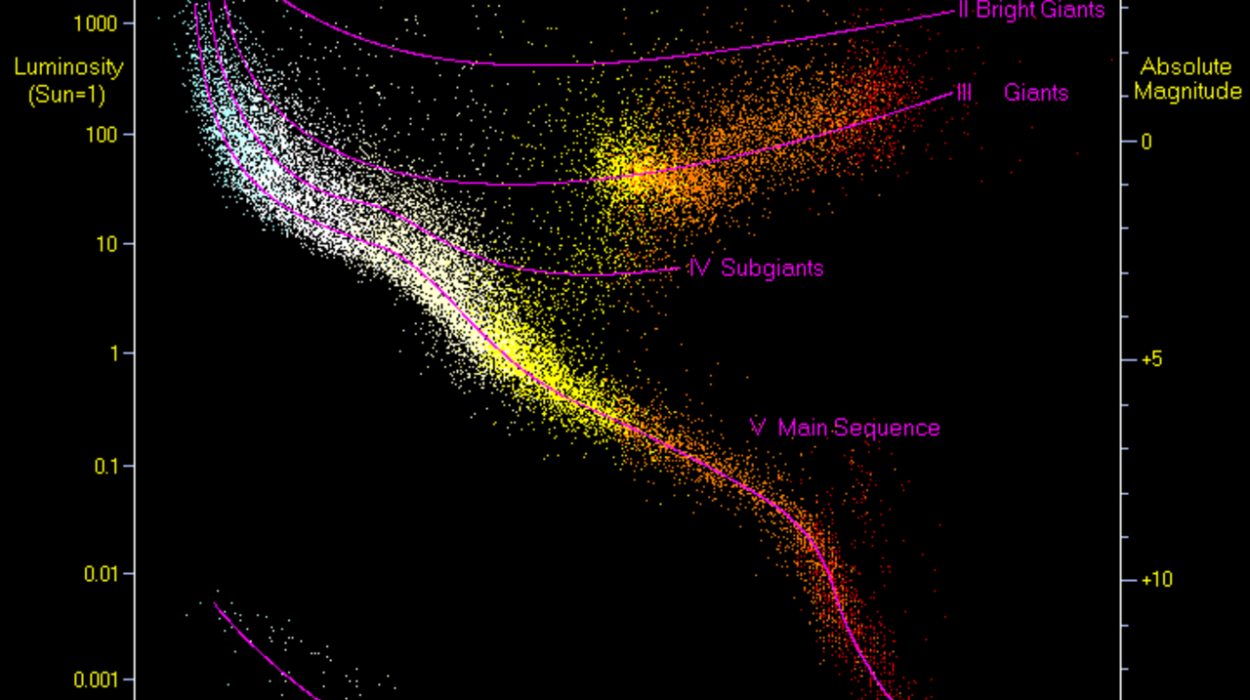
Astronomers classify stars according to their temperature, color, brightness, and mass.
Hot stars often appear blue or blue-white.
Cooler stars tend to appear orange or red.
A star’s color is directly related to its surface temperature.
Blue stars are among the hottest objects in the universe, with temperatures exceeding tens of thousands of degrees.
Red stars are cooler but can still be incredibly powerful.
Mass also plays a crucial role.
Large stars burn fuel rapidly and live relatively short lives.
Smaller stars consume fuel slowly and can survive for extraordinarily long periods.
These differences create a remarkable variety of stellar types throughout the cosmos.
The Main Sequence: The Longest Stage of Stellar Life
Most stars spend the majority of their lives in a phase called the main sequence.
During this period, hydrogen fusion occurs steadily within the core.
The outward pressure from fusion balances the inward pull of gravity.
This balance creates stability.
Our Sun is currently a main-sequence star.
For billions of years, it has maintained nearly the same size and brightness.
The main sequence represents a star’s adulthood.
The length of this stage depends largely on mass.
Massive stars burn through their fuel quickly.
Smaller stars conserve their fuel and live much longer.
A star’s mass essentially determines its entire future.
Red Dwarfs: The Universe’s Most Common Stars
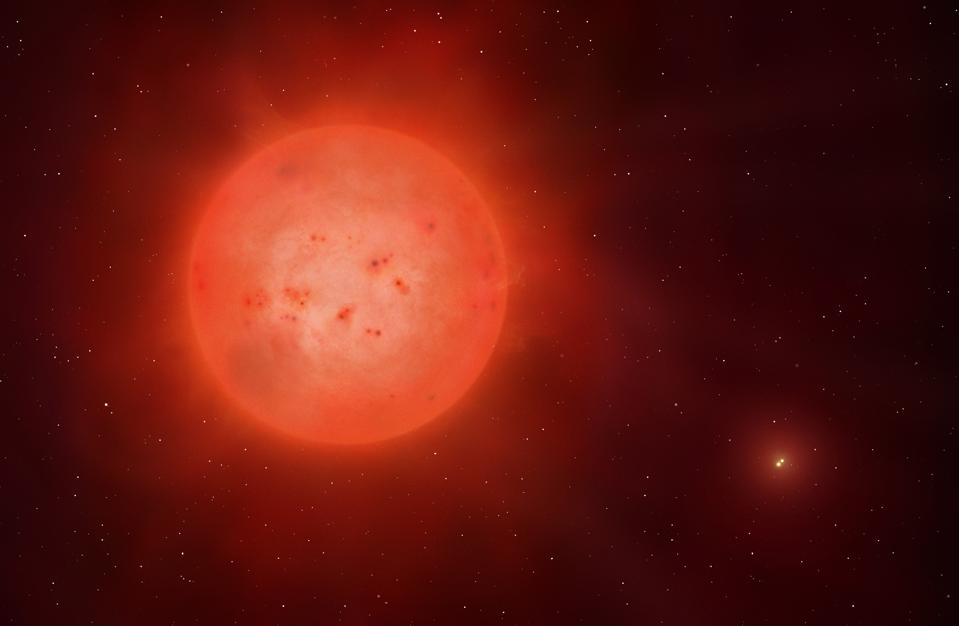
The most common stars in the universe are red dwarfs.
These small, cool stars are far less massive than the Sun.
Although they are relatively dim, they are incredibly efficient.
Red dwarfs consume hydrogen very slowly.
As a result, they can survive for trillions of years.
This is far longer than the current age of the universe.
Because the universe is only about 13.8 billion years old, no red dwarf has yet reached the end of its life.
Every red dwarf ever formed is still shining.
This remarkable longevity makes them fascinating targets for astronomers searching for planets and potential life.
Giant Stars and Supergiants
As stars exhaust their hydrogen fuel, dramatic changes occur.
The core contracts while the outer layers expand.
The star becomes a giant.
Red giants can reach enormous sizes while becoming cooler at their surfaces.
Our Sun will eventually enter this stage.
Far more massive stars evolve into supergiants.
These stellar giants rank among the largest and brightest objects in the universe.
Their immense size is temporary.
Despite their enormous mass, they are living on borrowed time.
The bigger the star, the faster its fuel disappears.
How Stars Create New Elements
One of the most important roles stars play is element creation.
The early universe contained mostly hydrogen and helium.
Yet the modern universe contains dozens of naturally occurring elements.
Where did they come from?
The answer lies inside stars.
Fusion reactions gradually create heavier elements.
Hydrogen becomes helium.
Helium can eventually produce carbon.
Carbon can contribute to the formation of oxygen, neon, and other elements.
Massive stars continue this process until they create iron.
Every stage adds new building blocks to the universe.
Without stars, the chemical diversity necessary for planets and life would not exist.
The Iron Problem
Iron represents a crucial turning point in stellar evolution.
Fusion up to iron releases energy.
Beyond iron, fusion requires energy rather than producing it.
This creates a problem for massive stars.
Once a star develops an iron core, its energy production begins to fail.
The delicate balance between gravity and outward pressure collapses.
Gravity gains the upper hand.
The result is one of the most violent events in the universe.
Supernova Explosions
When a massive star runs out of fuel, its core collapses within seconds.
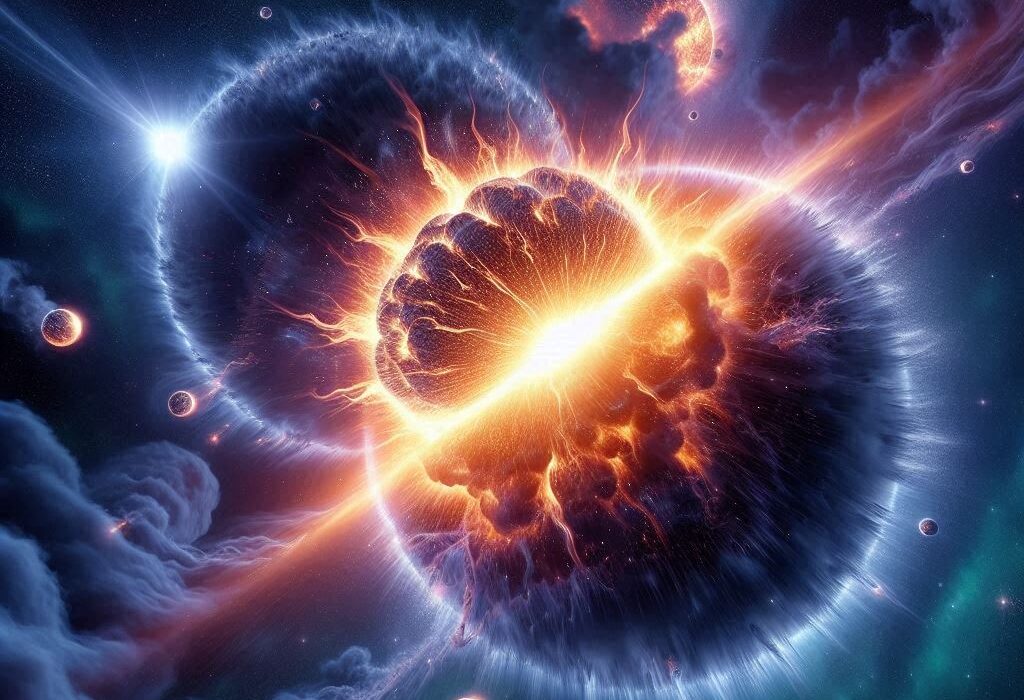
The collapse triggers a titanic explosion called a supernova.
For a brief period, a supernova can outshine an entire galaxy.
The explosion releases tremendous amounts of energy and scatters newly created elements into space.
Gold, silver, uranium, and many other heavy elements owe their existence to supernovae and related stellar processes.
These explosions are both destructive and creative.
They destroy stars while enriching the cosmos with materials needed for future generations of stars and planets.
Every supernova helps shape the future of the universe.
Neutron Stars: Stellar Corpses of Incredible Density
After a supernova, the remains of the star’s core may become a neutron star.
Neutron stars are among the strangest objects known.
They contain more mass than the Sun compressed into a sphere only about twenty kilometers across.
The density is almost unimaginable.
A teaspoon of neutron star material would weigh billions of tons on Earth.
Many neutron stars rotate rapidly and emit beams of radiation.
These rotating neutron stars are known as pulsars.
Pulsars act like cosmic lighthouses, sweeping beams of energy across space.
Their precise pulses help astronomers study gravity, matter, and the structure of the universe.
Black Holes: The Ultimate Stellar Remnants
Some stars are so massive that even neutron stars cannot support their collapsed cores.
Gravity becomes overwhelming.
The core collapses further, forming a black hole.
A black hole contains so much mass concentrated into such a small region that its gravity prevents even light from escaping.
For decades, black holes existed mainly as theoretical predictions.
Today, astronomers have abundant evidence confirming their existence.
Black holes influence nearby stars, distort space-time, and produce powerful emissions from surrounding material.
Although they cannot be seen directly, their effects are unmistakable.
Many black holes originated from the deaths of massive stars.
White Dwarfs: The Future of the Sun
Not all stars end in dramatic explosions.
Stars similar to the Sun follow a gentler path.
After becoming red giants, they shed their outer layers into space.
The remaining core becomes a white dwarf.
White dwarfs are small, dense, and extremely hot.
They no longer produce energy through fusion.
Instead, they slowly radiate away their remaining heat.
Over immense periods of time, white dwarfs gradually cool.
The Sun is expected to become a white dwarf roughly five billion years from now.
Fortunately, humanity does not need to worry about that anytime soon.
Binary Stars and Stellar Companions
Many stars do not exist alone.
A large percentage belong to binary systems where two stars orbit each other.
Some systems contain three, four, or even more stars.
Binary stars provide valuable opportunities for scientific study.
By observing their motions, astronomers can calculate stellar masses with remarkable accuracy.
Some binary systems create spectacular phenomena.
Material flowing from one star to another can trigger powerful explosions and unusual forms of stellar activity.
The universe often proves more complex than simple textbook illustrations suggest.
Star Clusters and Galactic Communities
Stars frequently form in groups.
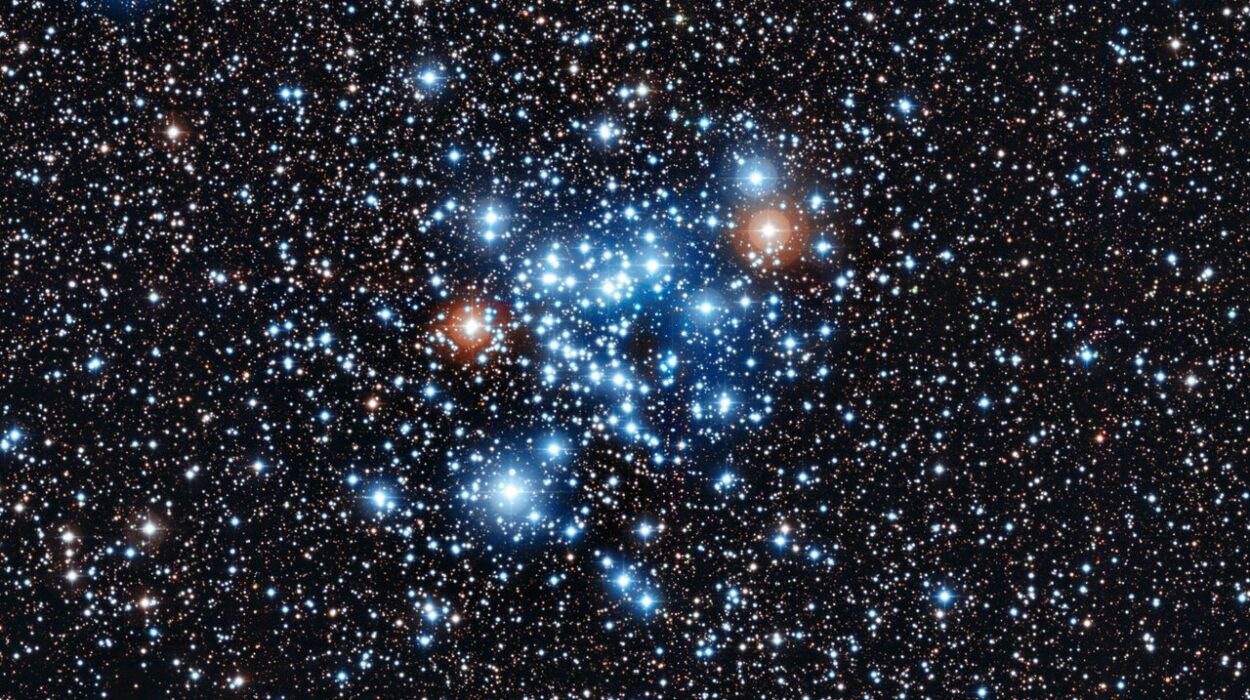
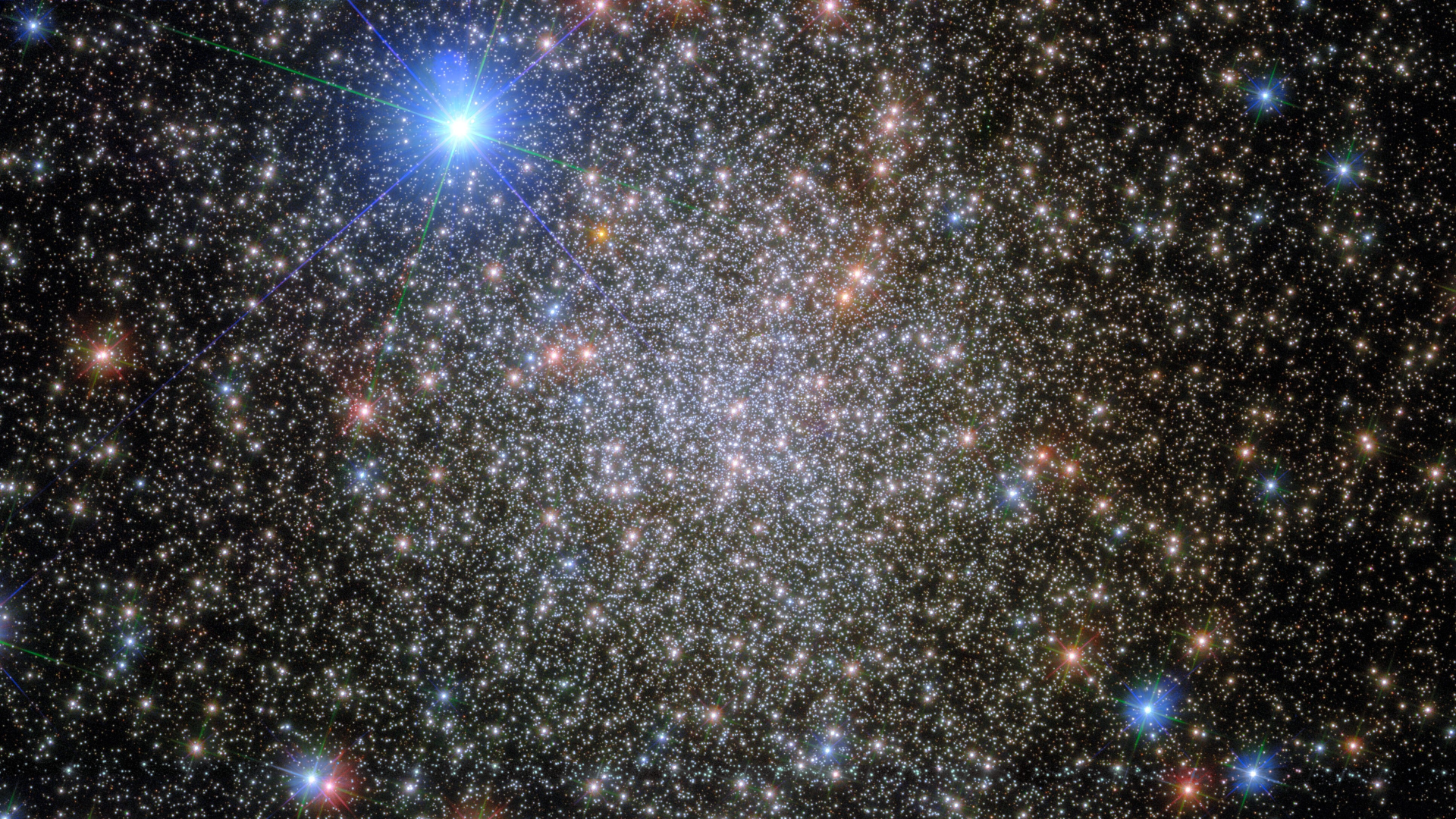
Star clusters contain hundreds, thousands, or even millions of stars bound together by gravity.
Open clusters are relatively young and loosely organized.
Globular clusters are older and densely packed.
These clusters serve as natural laboratories for astronomers.
Because the stars within a cluster formed around the same time, scientists can study how stellar evolution progresses under similar conditions.
Clusters reveal important clues about the history of galaxies and the universe itself.
Stars and Planet Formation
Stars often create planets as a natural byproduct of their formation.
As a young star forms, a disk of gas and dust surrounds it.
Within this disk, particles collide and stick together.
Over time, these particles grow into larger bodies.
Eventually, planets emerge.
Our Solar System formed in exactly this way approximately 4.6 billion years ago.
Today, astronomers have discovered thousands of planets orbiting distant stars.
Many of these worlds are dramatically different from anything found in our Solar System.
The connection between stars and planets is one of the most exciting areas of modern astronomy.
Could Life Exist Around Other Stars?
One of humanity’s greatest questions concerns life beyond Earth.
Because stars are so abundant, many scientists believe the possibility deserves serious consideration.
The Milky Way alone contains hundreds of billions of stars.
The observable universe contains hundreds of billions of galaxies.
The numbers are staggering.
Even if only a tiny fraction of stars host habitable planets, countless potential homes for life may exist.
Astronomers are actively studying exoplanets and searching for signs of biological activity.
The answer remains unknown.
Yet every new discovery brings us closer to understanding whether we are alone in the cosmos.
Measuring the Distance to Stars
Stars appear close together in the night sky, but the reality is very different.
The nearest star beyond the Sun is Proxima Centauri.
It lies more than four light-years away.
A light-year is the distance light travels in one year—about 9.46 trillion kilometers.
Astronomers use various techniques to measure stellar distances.
These methods include parallax, standard candles, and other sophisticated approaches.
Measuring stellar distances allows scientists to map the structure of our galaxy and understand the scale of the universe.
Without these measurements, modern astronomy would be impossible.
The Role of Stars in Galaxies
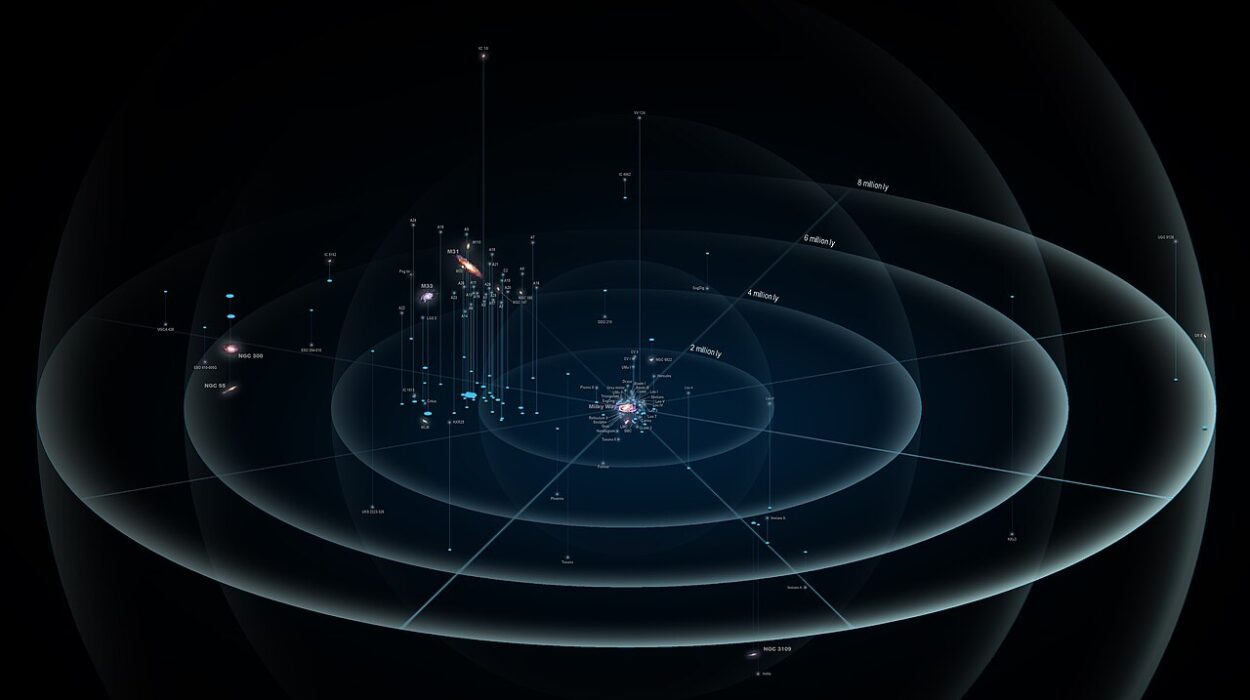
Stars are the primary visible components of galaxies.
Our galaxy, the Milky Way, contains hundreds of billions of stars.
These stars are distributed throughout spiral arms, clusters, and stellar neighborhoods.
Stars influence galactic evolution through their gravity, radiation, and explosive deaths.
Supernovae enrich galaxies with heavy elements.
Stellar winds shape interstellar clouds.
Black holes formed from stars affect surrounding regions.
Galaxies are not static collections of stars.
They are dynamic ecosystems constantly changing over time.
How Astronomers Study Stars
Modern astronomy employs powerful tools to investigate stars.
Telescopes gather light across many wavelengths, including visible light, infrared radiation, ultraviolet light, radio waves, and X-rays.
Spectroscopy allows scientists to analyze starlight and determine chemical composition, temperature, motion, and other properties.
Space telescopes avoid atmospheric interference and reveal details impossible to observe from Earth’s surface.
Computer simulations help researchers model stellar interiors and evolution.
Together, these methods have transformed our understanding of stars.
What once appeared as tiny points of light are now recognized as complex physical systems.
Why Stars Matter to Us
Stars are not merely distant astronomical objects.
They are fundamental to our existence.
Every breath you take contains atoms forged in ancient stars.
Every living organism depends on elements produced through stellar processes.
The energy supporting life on Earth comes from our star, the Sun.
Stars illuminate the night sky, guide scientific discovery, and connect us to the broader universe.
Without stars, there would be no planets, no chemistry as we know it, and no life.
Their influence extends from the largest cosmic structures to the smallest components of our bodies.
The Future of Stellar Research
Despite centuries of study, many mysteries remain.
Scientists continue investigating how stars form, how they evolve, and how they influence their surroundings.
Advanced observatories are revealing details never before seen.
Future telescopes may detect signs of life around distant stars.
Researchers are exploring the origins of the heaviest elements and the behavior of matter under extreme conditions.
Each discovery raises new questions.
The story of stars is still being written.
Conclusion
A star is far more than a bright point in the night sky. It is a colossal sphere of plasma powered by nuclear fusion, converting simple elements into light, heat, and the building blocks of life. Stars are the great engines of the universe, shaping galaxies, creating planets, and forging the elements that make our existence possible.
From their birth inside cold nebulae to their dramatic deaths as white dwarfs, neutron stars, or black holes, stars undergo extraordinary journeys that span millions to trillions of years. They illuminate the cosmos, reveal the laws of physics, and help us understand our place in the universe.
When we look at the stars, we are not merely observing distant objects. We are witnessing the processes that created the atoms within us and continue to shape the future of the cosmos. Every star tells a story of creation, transformation, and endurance.
The next time you gaze into the night sky, remember that each tiny spark of light is a vast nuclear fusion engine burning across unimaginable distances. Those stars may seem far away, but in a profound sense, they are part of who we are. They are our cosmic ancestors, our present companions, and the luminous architects of the universe itself.