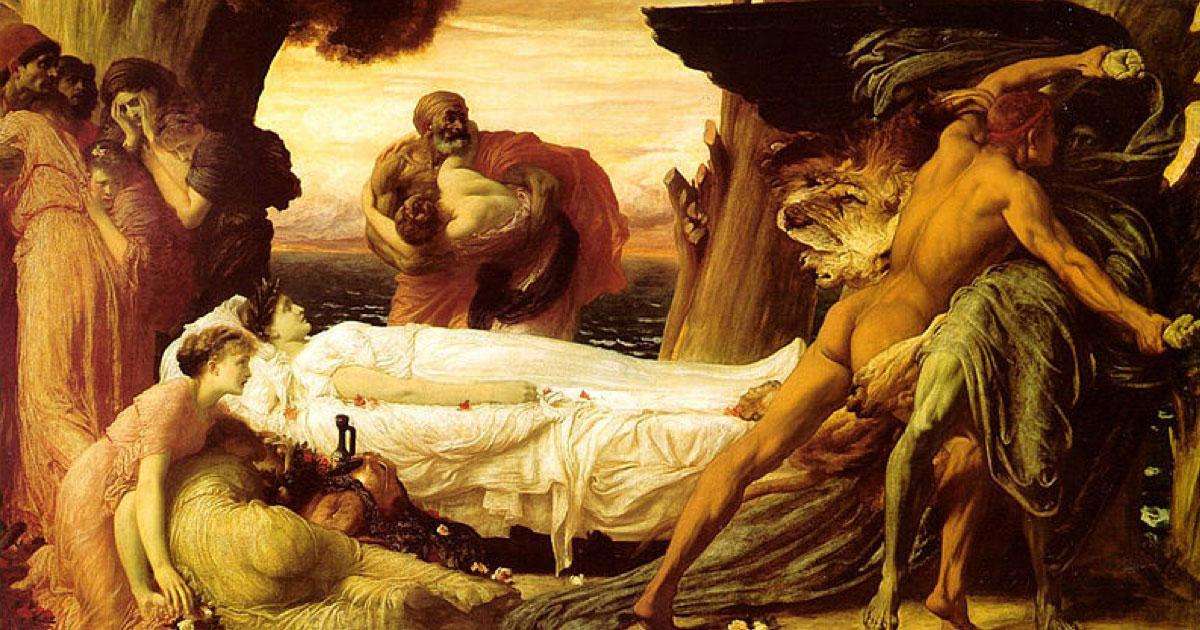
Across cultures and centuries, humanity has shared a powerful instinct: the past should be treated with reverence. Burial grounds are sacred. Tombs are meant to remain sealed. Objects placed beside the dead are not merely possessions—they are symbols of memory, belief, and continuity between life and death. When archaeologists open these spaces, they do more than uncover artifacts. They cross a symbolic boundary that has long been protected by ritual, tradition, and warning.
From this deep cultural instinct emerges one of the most persistent ideas in archaeological history—the curse.
Stories of archaeological curses appear whenever ancient burial sites are opened or long-lost relics disturbed. Illness, accidents, misfortune, and sudden death are interpreted as supernatural retaliation. Newspapers amplify these narratives. Public imagination transforms coincidence into cosmic justice. Over time, the curse becomes part of the artifact’s story, sometimes overshadowing the scientific discovery itself.
Yet archaeology is a science grounded in evidence, not superstition. When researchers examine these so-called curses closely, patterns emerge that reflect environmental hazards, biological exposure, psychological stress, statistical coincidence, and cultural storytelling. Ancient tombs can contain toxic gases, dangerous microbes, structural instability, and chemical compounds that genuinely threaten human health. These risks are real—but they are natural, not supernatural.
The most terrifying archaeological curses are therefore not simply tales of mysterious vengeance. They are windows into the intersection of science, myth, media, and human fear of mortality. They reveal how easily unexplained misfortune becomes narrative—and how difficult it is for evidence to compete with imagination.
The following seven cases represent the most famous and unsettling curse stories in archaeological history. Each generated fear. Each inspired legend. And each, when examined scientifically, reveals something profound about both the ancient world and the modern human mind.
1. The Curse of Tutankhamun’s Tomb
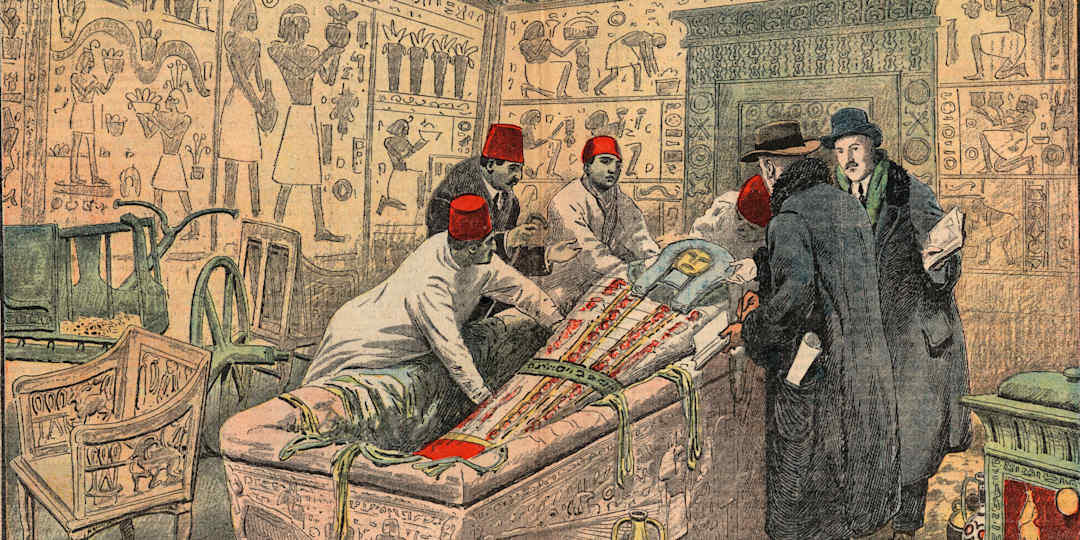
No archaeological curse has captured global imagination more completely than the one associated with the tomb of the young Egyptian pharaoh. When British archaeologist Howard Carter opened the sealed burial chamber in 1922, the world witnessed one of the most extraordinary discoveries in history. Gold, ceremonial objects, preserved textiles, chariots, and the famous funerary mask emerged from a chamber untouched for more than three thousand years.
But scientific triumph quickly collided with sensational storytelling.
Soon after the tomb’s opening, Lord Carnarvon, the expedition’s financial sponsor, died from an infected mosquito bite. Newspapers immediately connected his death to a supposed ancient curse protecting the pharaoh’s resting place. Reports claimed ominous inscriptions had warned intruders of death. Stories spread of mysterious illnesses, sudden accidents, and unexplained misfortune among those connected with the excavation.
Public fascination exploded. The phrase “Curse of the Pharaohs” became part of global culture.
Yet statistical and medical analysis tells a different story.
Many individuals involved in the excavation lived long lives. Howard Carter himself survived for seventeen years after the discovery. Careful review of mortality records shows no unusual pattern compared to general population expectations.
However, the tomb environment did contain genuine biological risks. Sealed chambers can accumulate fungal spores, bacteria, and toxic gases produced by organic decay. Modern studies of ancient burial sites have identified molds capable of causing severe respiratory illness, especially in enclosed, poorly ventilated spaces.
It is scientifically plausible that exposure to microbial agents weakened immune systems or contributed to infection in individuals already vulnerable. In Lord Carnarvon’s case, medical records indicate septicemia from an infected wound—common and often fatal before modern antibiotics.
The terror of the curse therefore reflects a convergence of factors: a dramatic discovery, an early death, incomplete medical knowledge, and intense media amplification. The legend persists because it expresses a powerful symbolic truth—the dead should not be disturbed—even if the mechanism is entirely natural.
2. The “Curse” of Otzal Alps and the Discovery of the Ice Man
In 1991, hikers in a melting glacier uncovered the naturally preserved remains of a prehistoric man who had died more than five thousand years earlier. The frozen body—later known as the Ice Man—became one of the most scientifically valuable archaeological discoveries ever made. His tissues, clothing, tools, and even stomach contents provided unprecedented insight into Copper Age life.
But within years, several individuals connected to the discovery and study of the body died under various circumstances—an avalanche, a car accident, illness, and other causes. Media reports began speaking of a “curse of the Ice Man.”
Fear spread quickly because the deaths seemed clustered and connected. The narrative resembled earlier tomb-curse stories. Once again, disturbing an ancient body appeared to invite fatal consequences.
Statistical reasoning offers a more grounded explanation.
Large scientific investigations involve many researchers, technicians, climbers, and support personnel. Over extended periods, some individuals will inevitably die from natural or accidental causes. Humans are pattern-seeking creatures; we perceive meaningful connections even when events are unrelated.
Psychological research calls this apophenia—the tendency to detect patterns in random data. Once the idea of a curse appears, every misfortune becomes evidence supporting it.
The glacier environment itself also presents objective danger. Alpine terrain is prone to avalanches, sudden weather shifts, and hazardous climbing conditions. Several deaths occurred in precisely such contexts.
No credible biological or environmental factor connects the Ice Man to lethal exposure. The “curse” exists primarily as a narrative shaped by coincidence, environmental risk, and media storytelling.
Yet the emotional power of the story reflects something deeper: the unsettling intimacy of encountering a human body preserved across millennia. The Ice Man is not an abstract artifact. He is a person who once lived, walked, and died violently. That proximity to ancient mortality can feel psychologically uncanny—almost transgressive.
3. The Curse of Gur-e Amir Mausoleum and the Tomb of the Conqueror
In Central Asia stands the burial place of the fourteenth-century conqueror Timur. According to legend, an inscription warned that anyone who disturbed his grave would unleash catastrophe.
In 1941, Soviet archaeologists opened the tomb as part of a scientific investigation. Within days, Nazi Germany launched a massive invasion of the Soviet Union. The timing seemed ominous. The story spread that the conqueror’s curse had triggered one of the most devastating military campaigns in history.
Later, when the remains were reburied with Islamic rites in 1942, Soviet forces achieved a turning point victory at Stalingrad. This sequence appeared to confirm the supernatural narrative.
Historians and political scientists, however, see clear alternative explanations.
The invasion had been planned long before the tomb was opened. Military mobilization, logistical preparation, and strategic decision-making require months of coordination. The coincidence of timing reflects human tendency to link unrelated events when emotional stakes are high.
The legend also served ideological purposes. Wartime populations seek symbolic explanations for large-scale suffering. The idea of an ancient curse offered a dramatic narrative that framed global conflict as cosmic consequence.
Archaeological examination of the tomb itself revealed no supernatural mechanism—only historical remains and burial architecture consistent with elite Central Asian funerary practice.
The curse narrative illustrates how cultural memory, geopolitical crisis, and coincidence combine to create powerful historical myth.
4. The Deadly Mold of Wawel Cathedral and the Tomb of a King
When archaeologists opened the tomb of Casimir IV Jagiellon in the 1970s, several members of the research team later died from severe illness. Rumors quickly spread that the king’s burial chamber carried a lethal curse.
This case is one of the rare examples where the underlying cause is well understood scientifically.
Laboratory analysis identified high concentrations of Aspergillus flavus, a fungus capable of producing toxic spores and carcinogenic compounds known as aflatoxins. These microorganisms can flourish in sealed, humid environments rich in organic material—conditions common in ancient tombs.
Inhalation of concentrated fungal spores can cause serious respiratory infection, particularly in individuals with compromised immunity. Before modern protective equipment became standard, archaeologists often entered such environments without adequate filtration or ventilation.
The deaths associated with this tomb were therefore not supernatural but biological. The “curse” was microbial contamination preserved for centuries in an enclosed space.
This case profoundly influenced archaeological safety practices. Today, researchers routinely use protective suits, respirators, and air monitoring equipment when entering sealed chambers.
The king’s tomb did not punish intruders through mystical force. It preserved a hazardous ecosystem—one that demonstrated how ancient environments can remain biologically active long after burial.
5. The Haunted Artifacts of Pompeii
Unlike other curse stories, this one does not focus on excavation teams but on visitors.
For decades, museums housing artifacts from the Roman city destroyed by volcanic eruption have received letters from individuals claiming that stolen objects brought them misfortune. Some report illness, financial collapse, or personal tragedy after removing small items from the site. Many return the objects, apologizing and asking forgiveness from the dead.
These confessions form a remarkable psychological record.
There is no scientific evidence that the artifacts cause misfortune. Instead, psychologists interpret these experiences as manifestations of guilt, anxiety, and moral tension. Taking objects from a burial context or disaster site violates social norms and ethical expectations. The resulting psychological stress can influence perception of subsequent events.
When something negative happens, individuals may attribute it to the stolen object, reinforcing belief in a curse. This attribution reduces cognitive dissonance by framing misfortune as moral consequence.
In essence, the curse is self-generated through emotional response to perceived wrongdoing.
The phenomenon reveals how moral psychology can create experiences that feel externally imposed. The power of the curse lies not in the object but in the human conscience.
6. The Hidden Perils of Mausoleum of the First Qin Emperor
The vast burial complex of China’s first emperor remains one of the most enigmatic archaeological sites in the world. Ancient historical texts describe elaborate defensive mechanisms, including mechanical traps and rivers of mercury designed to deter grave robbers.
Modern scientific surveys have detected unusually high mercury concentrations in surrounding soil, lending partial credibility to historical descriptions. Mercury vapor is highly toxic when inhaled, capable of damaging the nervous system and internal organs.
Although the central tomb chamber remains unopened, the site has acquired a reputation for lethal protection. The possibility of toxic exposure contributes to the aura of curse and danger.
Yet the scientific explanation is straightforward. Mercury was widely used in ancient alchemical traditions and funerary symbolism associated with immortality. Its presence reflects cultural belief rather than supernatural defense.
If hazardous conditions exist, they are chemical and environmental—not mystical. The real danger lies in toxic compounds preserved within a sealed underground system.
7. The Radiation Myth of Mohenjo-daro
Few archaeological sites have inspired more speculative curse theories than this ancient Indus Valley city. Some fringe narratives claim it was destroyed by mysterious radiation or advanced weapons, suggesting that its ruins carry lingering deadly energy.
Scientific investigation provides no evidence for such claims.
Archaeological and geological studies show that the city declined gradually due to environmental changes, including river shifts and possible flooding. Human remains do not exhibit radiation damage. Soil composition reflects natural processes consistent with long-term urban abandonment.
The supposed curse is a modern myth shaped by fascination with lost advanced civilizations and catastrophic collapse. It illustrates how archaeological mystery can invite pseudoscientific interpretation when evidence is complex or incomplete.
The fear here arises not from actual hazard but from the human tendency to fill knowledge gaps with dramatic narrative.
Why Archaeological Curses Feel So Real
Despite scientific explanations, curse stories remain compelling. They endure because they resonate with universal psychological and cultural themes.
Human societies maintain deep taboos surrounding death and burial. Disturbing graves violates sacred boundaries. When misfortune follows excavation—even by coincidence—it appears morally meaningful.
Archaeology also confronts individuals with deep time. Standing inside a tomb sealed for thousands of years creates sensory and emotional disorientation. The air is stale. Light is artificial. Objects remain where ancient hands placed them. This environment can evoke unease that easily transforms into supernatural interpretation.
Media amplification intensifies these reactions. Dramatic narratives attract attention. A curse story travels faster than a microbiological report.
Finally, randomness itself is difficult to accept. Humans prefer causal explanations. When tragedy strikes, especially in dramatic contexts, coincidence feels unsatisfying. The idea of a curse imposes order on chaos.
The True Nature of the “Curse”
When examined scientifically, archaeological curses fall into several identifiable categories: biological hazards such as fungi or bacteria, chemical exposure to toxic substances, environmental dangers associated with excavation, statistical coincidence, psychological guilt, and cultural storytelling.
None require supernatural explanation.
Yet dismissing the curse entirely would overlook its deeper significance. The concept expresses ethical concern about how the living treat the dead. It reflects respect for memory, fear of mortality, and awareness that human actions carry consequences—whether physical, psychological, or social.
In that sense, archaeological curses are not meaningless superstition. They are symbolic narratives encoding cultural values about reverence, responsibility, and humility before history.
The Continuing Dialogue Between Science and Mystery
Modern archaeology proceeds with rigorous safety protocols, environmental monitoring, and ethical guidelines. Researchers understand the real hazards of sealed spaces, toxic compounds, and fragile structures.
But even with scientific clarity, the emotional power of curses persists. Each newly opened tomb invites whispers of warning. Each unexpected misfortune invites speculation. The tension between rational explanation and symbolic meaning remains unresolved.
Perhaps this tension is inevitable. Archaeology does not merely uncover objects—it uncovers lives, deaths, and beliefs that once shaped entire civilizations. When the past reemerges, it does not arrive silently. It arrives surrounded by stories.
The Fear That Protects Memory
The most terrifying archaeological curses are not supernatural punishments. They are reminders that history is not inert. The past carries biological residues, environmental risks, and psychological weight. It can harm, unsettle, and transform those who approach it.
Yet these dangers also preserve something vital: respect.
Fear discourages reckless disturbance. Reverence encourages careful study. Scientific awareness replaces superstition while preserving humility.
In the end, the curse is not a force that guards the dead. It is a human response to encountering time itself—vast, silent, and profoundly powerful.
And perhaps that is the most unsettling realization of all.