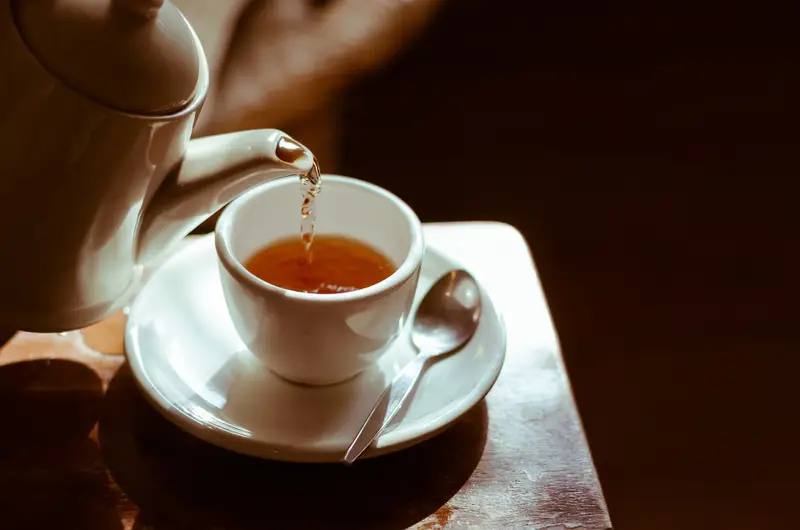
For millions of older women, the day often begins the same way. A kettle whistles. A coffee pot gurgles. A warm cup is cradled between the hands, offering comfort, habit, and a moment of calm. These small rituals feel personal and ordinary, yet a new study suggests they may also be quietly shaping something far deeper inside the body. Over the course of ten years, researchers followed nearly 10,000 women aged 65 and older, asking a simple but surprisingly powerful question. Could what they drink every day influence the strength of their bones?
The study, led by Flinders University and published in the journal Nutrients, set out to explore how coffee and tea, two of the most widely consumed beverages on Earth, relate to bone mineral density, a critical marker of osteoporosis risk. The answers did not arrive with dramatic twists or extreme warnings. Instead, they unfolded gently, revealing a nuanced story about moderation, habit, and how small differences can matter when multiplied across a population.
Watching Bones Change Over Time
Osteoporosis is not a sudden event. It creeps in quietly, thinning bones over years until a simple fall can lead to a devastating fracture. Globally, it affects one in three women over the age of 50 and contributes to millions of fractures each year. Because bone loss happens gradually, understanding what influences it requires patience and long-term observation.
The Flinders University researchers turned to the Study of Osteoporotic Fractures, a large and detailed dataset that allowed them to follow women over a full decade. During that time, participants regularly reported how much coffee and tea they drank, while researchers repeatedly measured their bone mineral density at the hip and femoral neck, areas strongly linked to fracture risk.
This long view mattered. Previous studies had offered conflicting results, often relying on snapshots in time rather than watching changes unfold. By following the same women for ten years, the researchers were able to see patterns emerge slowly, like the gradual steeping of tea leaves in hot water.
The Gentle Lift Found in Tea Drinkers
As the data settled, one finding stood out with quiet clarity. Women who drank tea had a slightly higher total hip bone mineral density compared to those who did not drink tea. The difference was not dramatic, but it was consistent and statistically significant.
On its own, a small increase in bone density might seem unremarkable. But when viewed across thousands of women and over many years, its meaning deepened.
“Even small improvements in bone density can translate into fewer fractures across large groups,” says Adjunct Associate Professor Enwu Liu from the College of Medicine and Public Health.
This subtle benefit hints that tea, often associated with calm and routine, may offer more than comfort. The study suggests it could be gently supporting bone health as women age, reinforcing the skeleton in ways that accumulate slowly but meaningfully.
Coffee and a More Complicated Path
Coffee’s story proved more complex. For most women, moderate consumption appeared reassuringly safe. Drinking about two to three cups per day showed no harmful association with bone health over the ten-year period. For many, this will feel like welcome news, affirming that a daily coffee ritual does not come with an automatic cost to the skeleton.
But the picture shifted at higher levels. Women who drank more than five cups of coffee per day showed lower bone mineral density. This suggested that while moderation carries little risk, excessive intake may begin to tip the balance in an unfavorable direction.
The researchers also noticed that coffee’s effects were not the same for everyone. Women with higher lifetime alcohol consumption experienced more negative effects from coffee. Meanwhile, tea seemed particularly beneficial for women with obesity, pointing to a complex interaction between beverages, body composition, and other lifestyle factors.
These findings did not condemn coffee, nor did they elevate tea to miracle status. Instead, they revealed a spectrum where quantity and context mattered.
Inside the Cup and Inside the Bone
To understand why tea and coffee might behave differently in the body, the researchers looked beyond the cup to the compounds within it. Tea contains substances called catechins, which may influence how bones renew themselves.
Ryan Liu, co-author on the paper, explains that these compounds may encourage bone formation while slowing bone breakdown, a balance that becomes increasingly important with age.
Coffee, by contrast, carries caffeine, a compound with a more mixed reputation when it comes to bone health. Laboratory studies have suggested that caffeine can interfere with calcium absorption and bone metabolism, though the effects are generally small.
“Coffee’s caffeine content, by contrast, has been shown in laboratory studies to interfere with calcium absorption and bone metabolism, though these effects are small and can be offset by adding milk,” says Ryan Liu from Flinders University.
This detail underscores an important theme of the study. The body does not respond to foods and drinks in isolation. How coffee or tea affects bone may depend on what else is consumed alongside them and on the broader patterns of a person’s life.
Habit, Moderation, and the Long View
One of the most striking aspects of the research is how ordinary the behaviors under study are. There were no experimental supplements, no extreme diets, no drastic interventions. Instead, the researchers watched everyday habits play out over a decade.
Adjunct Associate Professor Enwu Liu emphasizes that the findings do not call for radical changes. Moderate coffee consumption appears safe for most older women. Tea may offer a small advantage, but not a dramatic one.
“While moderate coffee drinking appears safe, very high consumption may not be ideal, especially for women who drink alcohol,” he says.
The researchers were careful to place their findings in context. The observed differences in bone density, while statistically significant, were not large enough to demand sweeping lifestyle overhauls for individuals.
“Our results don’t mean you need to give up coffee or start drinking tea by the gallon,” says Associate Professor Liu.
This restraint is part of what makes the study compelling. It does not overpromise or sensationalize. Instead, it invites reflection on how small, repeated choices may gently shape health over time.
A Cup as More Than a Ritual
At the heart of this research lies a simple but profound idea. Bone health is not determined by a single nutrient or habit. Calcium and vitamin D remain central pillars, but they are not the whole story. Daily routines, repeated over years, may add subtle influences that accumulate quietly.
“But they do suggest that moderate tea consumption could be one simple way to support bone health, and that very high coffee intake might not be ideal, especially for women who drink alcohol.
“While calcium and vitamin D remain cornerstones of bone health, what’s in your cup could play a role too. For older women, enjoying a daily cup of tea may be more than a comforting ritual; It could be a small step toward stronger bones,” he concludes.
Why This Research Matters
This study matters because it meets people where they live, not in laboratories alone but in kitchens and living rooms, in the ordinary moments of daily life. It acknowledges that health is shaped not only by prescriptions and supplements, but by habits that feel familiar and comforting.
By following nearly 10,000 women over ten years, the research offers rare insight into how everyday choices relate to long-term bone health. It reassures those who enjoy coffee in moderation, offers gentle encouragement to tea drinkers, and highlights the importance of balance rather than extremes.
Most of all, it reminds us that aging does not have to be framed only as loss. Small, positive influences can accumulate, quietly strengthening the body over time. In that sense, a simple cup of tea becomes more than a beverage. It becomes a symbol of how modest choices, repeated patiently, may help support resilience in the years ahead.
More information: Ryan Yan Liu et al, Longitudinal Association of Coffee and Tea Consumption with Bone Mineral Density in Older Women: A 10-Year Repeated-Measures Analysis in the Study of Osteoporotic Fractures, Nutrients (2025). DOI: 10.3390/nu17233660