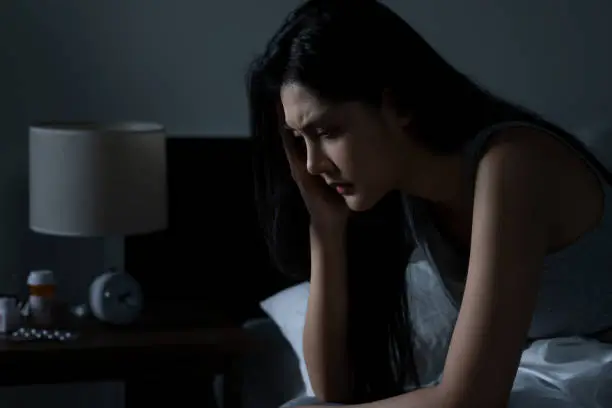
Sleep paralysis lives in the narrow, unsettling space between waking and dreaming, between biology and imagination, between certainty and fear. For those who experience it, the memory often lingers for years, not because of pain or injury, but because of its emotional intensity. The body lies frozen, the mind awake, and something unseen seems to watch, press, whisper, or wait. It feels supernatural, yet it is deeply biological. It feels personal, yet millions across cultures and centuries have described the same experience in hauntingly similar ways.
Sleep paralysis is not merely a sleep disorder. It is an encounter with the mechanics of consciousness itself. To understand it is to explore how the brain constructs reality, how fear emerges without danger, and how ancient survival systems can misfire in the modern world. Between biology and hallucination, sleep paralysis reveals how thin the boundary truly is between what we perceive and what is physically real.
The Experience: When the Body Refuses to Wake
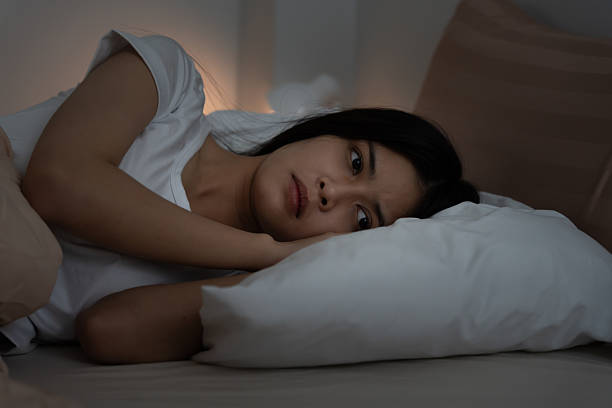
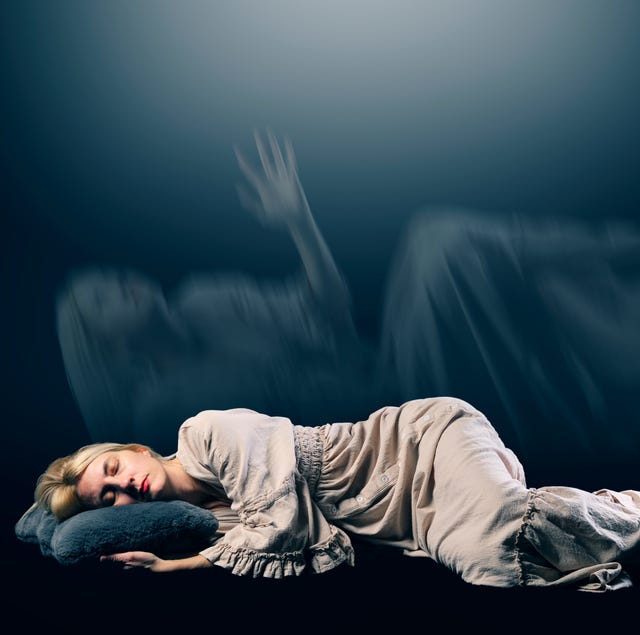
Sleep paralysis typically strikes at the moment of transition, either when falling asleep or when waking up. The mind surfaces into awareness, but the body remains locked in immobility. Muscles do not respond. Speech fails. Breathing may feel shallow or restricted. Panic rises quickly because immobility contradicts one of the brain’s most basic expectations: that consciousness brings control.
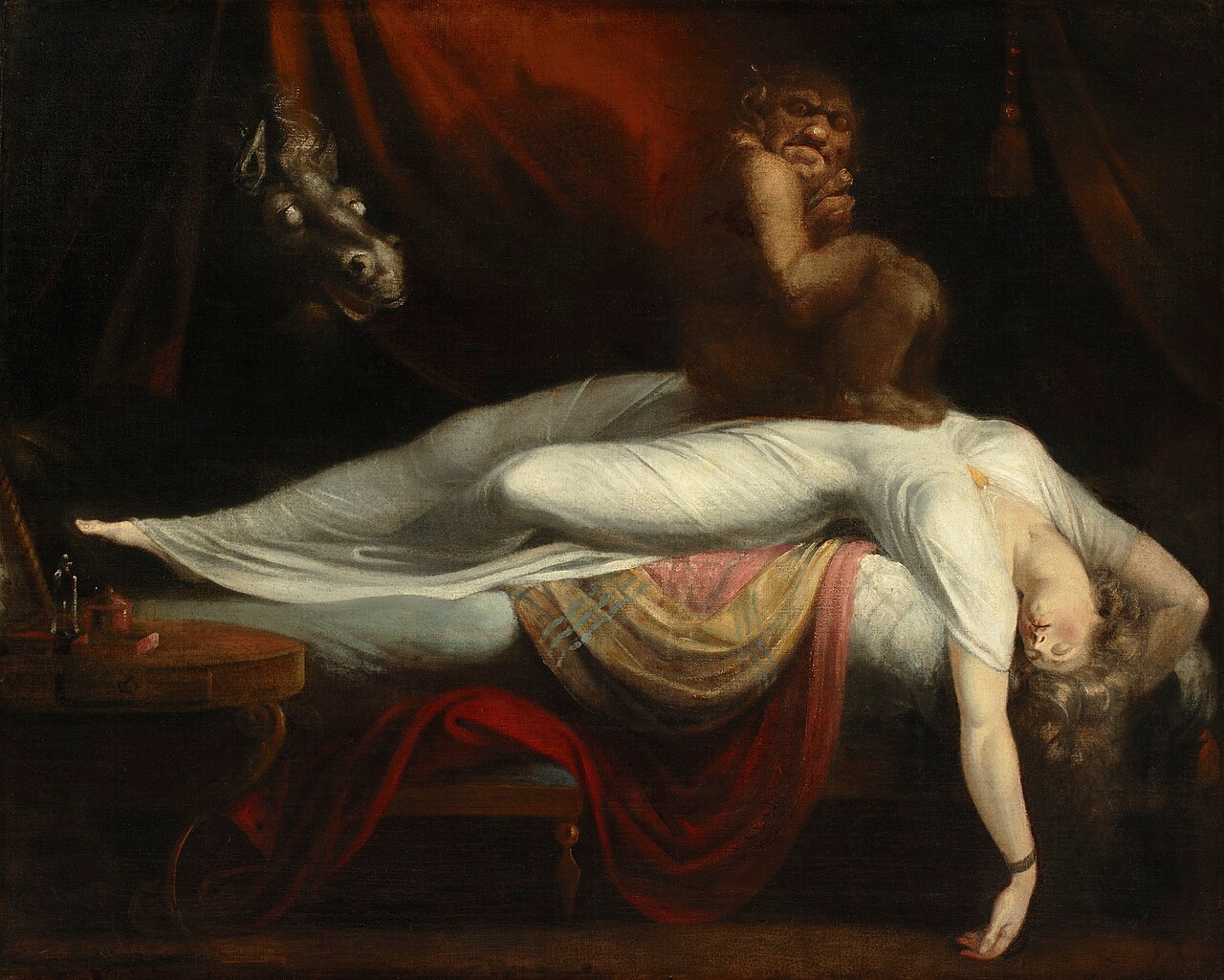
Many people describe a crushing weight on the chest, as if something heavy is sitting there. Others feel hands pinning them down or a presence looming nearby. The room appears real, familiar, and sharply detailed, yet something is wrong. Shadows seem darker. Sounds feel amplified. The sense of threat is overwhelming, even when nothing visible is attacking.
This is not a dream in the ordinary sense. Unlike typical dreams, sleep paralysis unfolds in the environment the person recognizes as real. The bed, the room, the position of the body all match waking reality. This realism is one reason the experience is so convincing and terrifying. The mind is awake enough to recognize surroundings, but not awake enough to fully disengage from dreaming processes.
The Biology of Paralysis During Sleep
To understand sleep paralysis, one must first understand why paralysis exists in sleep at all. During rapid eye movement sleep, commonly known as REM sleep, the brain becomes highly active. This is the stage where vivid dreams occur. If the body were allowed to move freely during REM sleep, people would physically act out their dreams, potentially causing injury.
To prevent this, the brain activates a powerful mechanism known as REM atonia. Signals from the brainstem inhibit motor neurons, temporarily paralyzing most voluntary muscles. The heart, lungs, and eye muscles remain active, but the limbs and torso are effectively disconnected from conscious control.
This paralysis is not a malfunction. It is an essential safety feature. Under normal circumstances, it turns off before waking consciousness returns. Sleep paralysis occurs when this timing slips. Conscious awareness returns first, while the paralysis lingers. The result is a mind awake in a body still locked in REM sleep mode.
Consciousness Caught Between States
Sleep paralysis represents a hybrid state of consciousness. It is neither fully asleep nor fully awake. The brain regions responsible for awareness activate before the systems that restore muscle control. Meanwhile, dream imagery can continue intruding into waking perception.
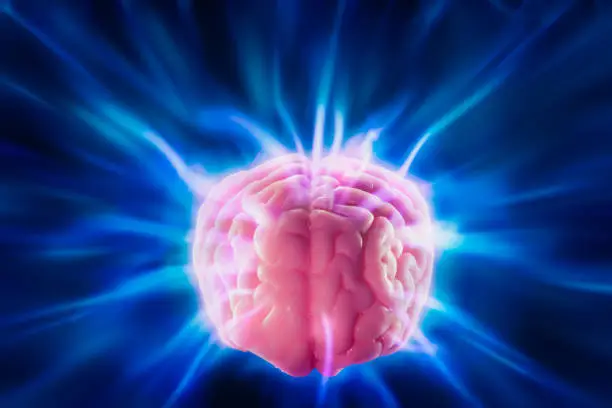
This overlap creates a perfect storm. The mind perceives immobility as a threat. The amygdala, the brain’s fear center, becomes highly active. At the same time, dream-generating regions may still be producing imagery, sounds, or sensations. These hallucinations feel real because the brain is still operating under dream logic, even though the eyes may be open.
The experience is not random chaos. It follows patterns shaped by evolution, psychology, and culture. The fear is primal, the hallucinations often symbolic, and the sensations deeply physical. Sleep paralysis exposes how the brain constructs meaning when sensory information is incomplete.
Hallucinations That Feel Realer Than Reality
One of the most disturbing aspects of sleep paralysis is the presence of hallucinations. These are not imagined in the casual sense. They are vivid perceptual experiences created internally by the brain but experienced as external reality.
Visual hallucinations may include shadowy figures, human-like shapes, or distorted faces. Auditory hallucinations can involve footsteps, whispers, growls, or voices calling the person’s name. Tactile hallucinations often involve pressure on the chest, sensations of being touched, or feelings of floating or falling.
These hallucinations emerge from the same neural systems responsible for dreaming. During REM sleep, the brain generates immersive experiences without external input. When REM processes bleed into waking awareness, hallucinations become layered onto real perception. The brain does not label them as imaginary because the mechanisms that distinguish internal from external input are not fully engaged.
The emotional intensity of these hallucinations is amplified by fear. Once fear activates, the brain searches for an explanation. It fills the void with threat-based imagery, often shaped by cultural expectations or personal anxieties.
The Chest Pressure and the Illusion of Suffocation
Many people experiencing sleep paralysis report difficulty breathing or a sensation of suffocation. This is one of the most alarming symptoms, and it has fueled centuries of supernatural explanations.
In reality, breathing during sleep paralysis is not stopped. The diaphragm continues to function automatically. However, voluntary control over breathing muscles is reduced, and the sensation of breathing changes. The chest may feel tight, shallow, or constrained.
At the same time, REM sleep naturally alters breathing patterns. Combined with heightened anxiety, this can create the illusion of being unable to breathe. The brain interprets unfamiliar respiratory sensations as danger, reinforcing panic and hallucinated threats pressing on the chest.
The sensation feels real because it is partially real. Muscles are relaxed, breathing is altered, and fear heightens bodily awareness. The mind, seeking meaning, constructs a narrative of attack or restraint.
Fear as the Architect of the Experience
Fear plays a central role in shaping sleep paralysis. The paralysis itself is neutral, but the emotional response transforms it into terror. Evolution has wired the human brain to react strongly to immobility. In nature, being unable to move often meant death.
When paralysis occurs unexpectedly, the brain’s threat detection systems activate instantly. The amygdala floods consciousness with fear signals. Rational thought becomes secondary. The mind prepares for attack even when no real attacker exists.
Fear also enhances memory formation. This is why sleep paralysis episodes are remembered so vividly. The emotional intensity imprints the experience deeply, sometimes more strongly than ordinary waking events. For some people, this leads to anticipatory anxiety, increasing the likelihood of future episodes.
Cultural Interpretations Across History
Long before neuroscience, sleep paralysis was woven into mythology and folklore. Different cultures described remarkably similar experiences using the language available to them.
In medieval Europe, it was blamed on demons or night hags that sat on the chest. In parts of Asia, it was attributed to ghost attacks or spiritual possession. In some African and Caribbean traditions, it was linked to witchcraft. In modern times, some people interpret sleep paralysis experiences as alien abductions or paranormal encounters.
These interpretations differ in detail but share common features: immobility, fear, presence, and pressure. This consistency across cultures suggests a shared biological origin. The brain generates similar experiences because human neurobiology is fundamentally the same.
Cultural beliefs influence the content of hallucinations. Someone raised with belief in spirits may see a ghost, while someone familiar with extraterrestrial narratives may see an alien. The underlying mechanism remains unchanged, but the brain uses familiar symbols to explain the experience.
Sleep Paralysis and the Sense of Presence
A particularly unsettling feature of sleep paralysis is the sense that someone or something else is present. This presence often feels intelligent, intentional, and threatening, even when nothing is visible.
Neuroscience suggests this sensation arises from disrupted integration of sensory and spatial processing. The brain maintains a constant model of the body and its position in space. During sleep paralysis, this model becomes unstable. The brain may misattribute internal sensations to an external agent.
This sense of presence taps into deeply ancient neural circuits. Humans evolved to detect other beings quickly, especially in low-visibility conditions. A false positive was safer than a missed threat. During sleep paralysis, this detection system may activate without external input, generating a powerful illusion of another entity nearby.
Triggers and Risk Factors
Sleep paralysis does not strike randomly. Certain conditions increase its likelihood. Irregular sleep schedules, sleep deprivation, and disrupted circadian rhythms can all destabilize the transitions between sleep stages.
Stress and anxiety also play a role. Heightened arousal can fragment sleep architecture, increasing the chance of REM intruding into wakefulness. Some people experience sleep paralysis during periods of emotional turmoil, exhaustion, or major life changes.
Sleeping position appears to matter as well. Many report episodes occurring while lying on the back. This position may influence airway sensation and muscle relaxation, potentially intensifying symptoms.
Genetics may contribute too. Some individuals experience sleep paralysis repeatedly across their lives, suggesting an inherited vulnerability in sleep regulation mechanisms.
The Relationship Between Sleep Paralysis and Other Sleep Disorders
Sleep paralysis can occur on its own, but it is sometimes associated with other sleep conditions. It may appear alongside narcolepsy, a disorder characterized by disrupted sleep-wake boundaries. In such cases, sleep paralysis is part of a broader pattern of REM intrusion into wakefulness.
However, most people who experience sleep paralysis do not have narcolepsy. Isolated sleep paralysis is relatively common and does not indicate serious neurological disease. Understanding this distinction is important, as fear of underlying illness can worsen anxiety and increase episode frequency.
Sleep paralysis is also distinct from night terrors and nightmares. Night terrors involve intense fear during non-REM sleep, usually without memory of the event. Nightmares occur during REM sleep but involve full dreaming without awareness of paralysis. Sleep paralysis occupies a unique space where awareness, paralysis, and hallucination coexist.
The Emotional Aftermath
The episode may last only seconds or minutes, but its emotional impact can be profound. Many people wake from sleep paralysis shaken, sweating, and afraid to return to sleep. Some fear that it may happen again immediately. Others worry that the experience signals something supernatural or dangerous.
Repeated episodes can lead to sleep avoidance, anxiety, or hypervigilance at bedtime. This can create a vicious cycle, as poor sleep increases the likelihood of further episodes. Understanding the biological basis of sleep paralysis can help break this cycle by reducing fear and restoring a sense of control.
Lucidity and Control: When Awareness Becomes a Tool
Interestingly, some people learn to recognize sleep paralysis while it is happening. With repeated experience, awareness may increase. Instead of panic, curiosity or calm may emerge.
In some cases, individuals learn to focus on slow breathing or attempt small movements, such as wiggling a toe or tongue. This can help terminate the episode by reactivating motor pathways.
Others choose to surrender to the experience, allowing the hallucinations to unfold without resistance. For some, this transitions into lucid dreaming, where the individual gains control over the dream environment. This illustrates that sleep paralysis, while frightening, is not inherently harmful. Its impact depends largely on interpretation and emotional response.
Scientific Accuracy Without Mystery Loss
Explaining sleep paralysis in biological terms does not strip it of mystery. Instead, it reveals a deeper kind of wonder. The fact that the brain can create experiences so vivid, convincing, and emotionally charged speaks to its extraordinary power.
Sleep paralysis shows that reality, as we experience it, is not merely a passive reflection of the external world. It is actively constructed by neural processes. When those processes shift slightly out of alignment, entire worlds can appear and vanish within minutes.
Understanding the mechanisms does not make the experience trivial. It makes it human.
Sleep Paralysis as a Window Into Consciousness
Few experiences expose the structure of consciousness as clearly as sleep paralysis. It reveals that awareness, perception, emotion, and motor control are separable systems that usually operate seamlessly together. When they fall out of sync, the illusion of a unified self fractures.
The mind can be awake while the body sleeps. Dreams can leak into waking reality. Fear can arise without danger. These insights challenge simple definitions of consciousness and show how layered and fragile it truly is.
Sleep paralysis forces us to confront how much of our experience is shaped internally. It reminds us that certainty is not guaranteed, even in our own beds.
Reassurance and Meaning
Despite its intensity, sleep paralysis is not dangerous. It does not damage the brain or body. Episodes end on their own, and normal movement returns. Understanding this fact can reduce fear and reduce future occurrences.
For some, sleep paralysis becomes an opportunity for reflection. It invites questions about perception, reality, and the nature of fear. It highlights the mind’s capacity to generate both terror and insight.
Sleep paralysis stands at the crossroads of biology and hallucination, reminding us that the boundary between them is thinner than we assume. It is a reminder that the brain, while extraordinary, is not infallible. And in that imperfection lies both vulnerability and wonder.
In the quiet moments between sleep and waking, when control slips and imagination surges, sleep paralysis reveals something essential about being human: we live inside stories created by our brains, and sometimes, for a brief and terrifying moment, those stories come alive.