Researchers analyzing mineralized waste from Roman-era toilets in Bulgaria have discovered the earliest evidence of the Cryptosporidium parasite in the Mediterranean, challenging the long-held belief that it originated in Central America. The study also identified traces of tapeworms and amoebic dysentery, revealing a stark divide in public health between neighboring Roman settlements based on their access to clean water.
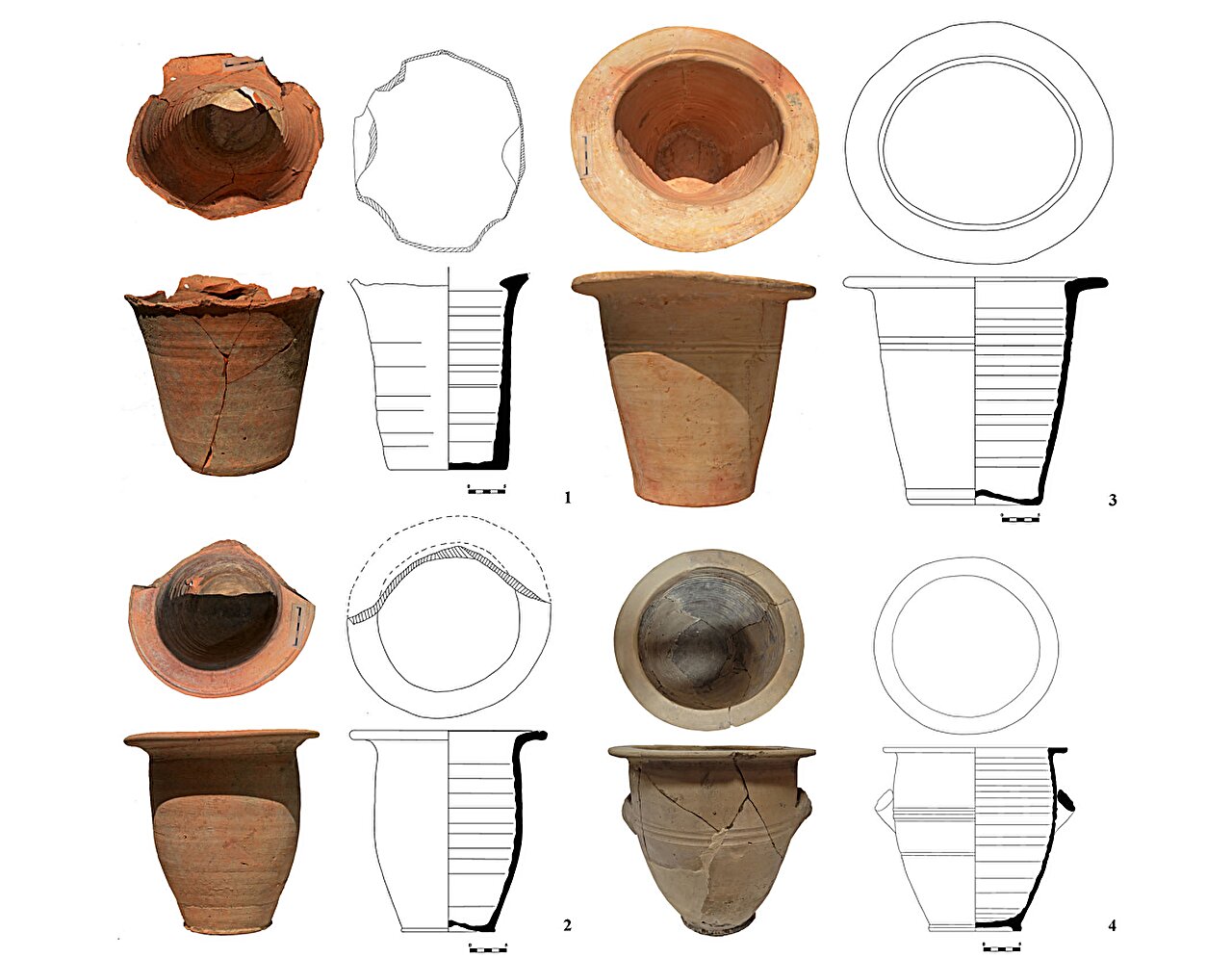
For nearly two millennia, the secrets of daily life in the Roman province of Moesia Inferior remained locked within the crusty, mineralized remains of ceramic chamber pots and latrines. To the untrained eye, these artifacts are merely archaeological debris, but for a team of researchers from Poland, they served as a biological time machine. By peering into the microscopic world of ancient human waste, scientists have effectively reconstructed the health, hygiene, and dietary struggles of people who lived between the 2nd and 4th centuries CE.
The results of this investigation offer more than just a list of ancient ailments; they provide a dramatic correction to the historical record of human disease. Until this discovery, the scientific community largely believed that the protozoan parasite Cryptosporidium had its origins in Central America. However, new evidence published in npj Science Heritage has unearthed this “unwanted guest” in the heart of the Roman frontier, providing the earliest reliable evidence of the parasite in the Mediterranean region and forcing a rethink of how such diseases traveled across the ancient world.
Excavating the Secrets of the Roman “Loo”
The field of paleoparasitology—the study of ancient parasites in archaeological contexts—has seen a surge in interest since the early 2000s. This growth has been fueled by sophisticated new detection methods that allow scientists to identify biological signatures that were previously invisible. In 2022, the research team began an intensive sampling project at Novae and Marcianopolis, two significant Roman sites located near modern-day Svishtov in Bulgaria.
Novae served as a major legionary camp and a critical stronghold along the lower Danube frontier, while Marcianopolis was a bustling urban center. Over the centuries, the urine and feces left in these cities’ toilets had transformed into hard, mineralized deposits. To access the data hidden within, the team used a scalpel to delicately scrape material from two distinct zones: the inner walls of the ceramic vessels, where liquid waste had splashed and dried, and the bottoms, where solid waste and heavy minerals had settled into a dense crust over time.
Microscopic Detectives and DNA Magnets
Recovering the remains of a single-celled organism after 1,600 years is a monumental technical challenge. The scraped material had to be carefully rehydrated and processed through ultra-fine sieves to separate potential parasite remains from ancient dirt and mineral fragments. Initially, the team used traditional microscopy, scanning the samples at 400× magnification to search for the distinct shapes of parasite eggs.
However, because many ancient parasites look nearly identical under a lens, the researchers moved into the realm of high-tech molecular biology. They employed ancient DNA (aDNA) analysis to genetically distinguish between species. To find particularly elusive targets like Cryptosporidium—which is fragile and prone to disintegrating over long periods—the team used ELISA (Enzyme-Linked Immunosorbent Assay).
In this process, specific antibodies act like magnets, binding only to the unique proteins of a target parasite. When a chemical trigger is added, the sample changes color if the parasite is present, providing a definitive “yes” or “no” even when no physical structures remain visible. This rigorous approach confirmed that the inhabitants of these Roman provinces were plagued by a variety of debilitating intestinal invaders.
A Tale of Two Cities: Water, Meat, and Wealth
The study identified a grim gallery of pathogens, including Entamoeba histolytica, the organism responsible for severe amoebic dysentery. The researchers also found tapeworm eggs, which serve as a direct biological record of Roman culinary habits. The presence of these eggs suggests that the local population frequently consumed raw or undercooked meat—likely beef or pork—that had been contaminated with the larvae.
Perhaps the most fascinating finding was the disparity in health between the two sites. In the military stronghold of Novae, the samples were teeming with parasites. The researchers believe this was the result of a compromised infrastructure; the residents likely drank contaminated water pulled directly from the Danube River or through polluted aqueducts that allowed waste to seep into the supply.
In contrast, samples taken from a workshop in Marcianopolis showed no trace of parasites at all. This suggests a higher standard of living or better urban planning. The inhabitants of this specific area likely had access to cleaner water sourced from four nearby natural springs, or perhaps enjoyed a superior diet that reduced their exposure to foodborne illnesses. This highlights how even within the same Roman province, your health was often determined by the quality of the local engineering and environmental resources.
Why This Matters
This research does more than satisfy historical curiosity; it provides a critical roadmap for understanding the evolution of infectious diseases. By proving that Cryptosporidium was present in Europe over a millennium earlier than previously thought, the study demonstrates how pathogens can remain hidden in the historical record until the right technology arrives to find them.
Tracing the movement and prevalence of these parasites helps modern scientists understand how human migration, trade, and sanitation habits have shaped the diseases we fight today. Understanding the hygiene failures of a Roman legionary camp compared to the success of a spring-fed city provides timeless lessons on the fundamental link between clean water and public health. As we look to the future of disease control, these ancient “tales from the loo” offer an essential perspective on our long, complicated relationship with the microscopic world.
Study Details
Elena Klenina et al, Analysis of Roman chamber pots to understand the health of the lower Danube inhabitants, npj Heritage Science (2026). DOI: 10.1038/s40494-026-02475-x