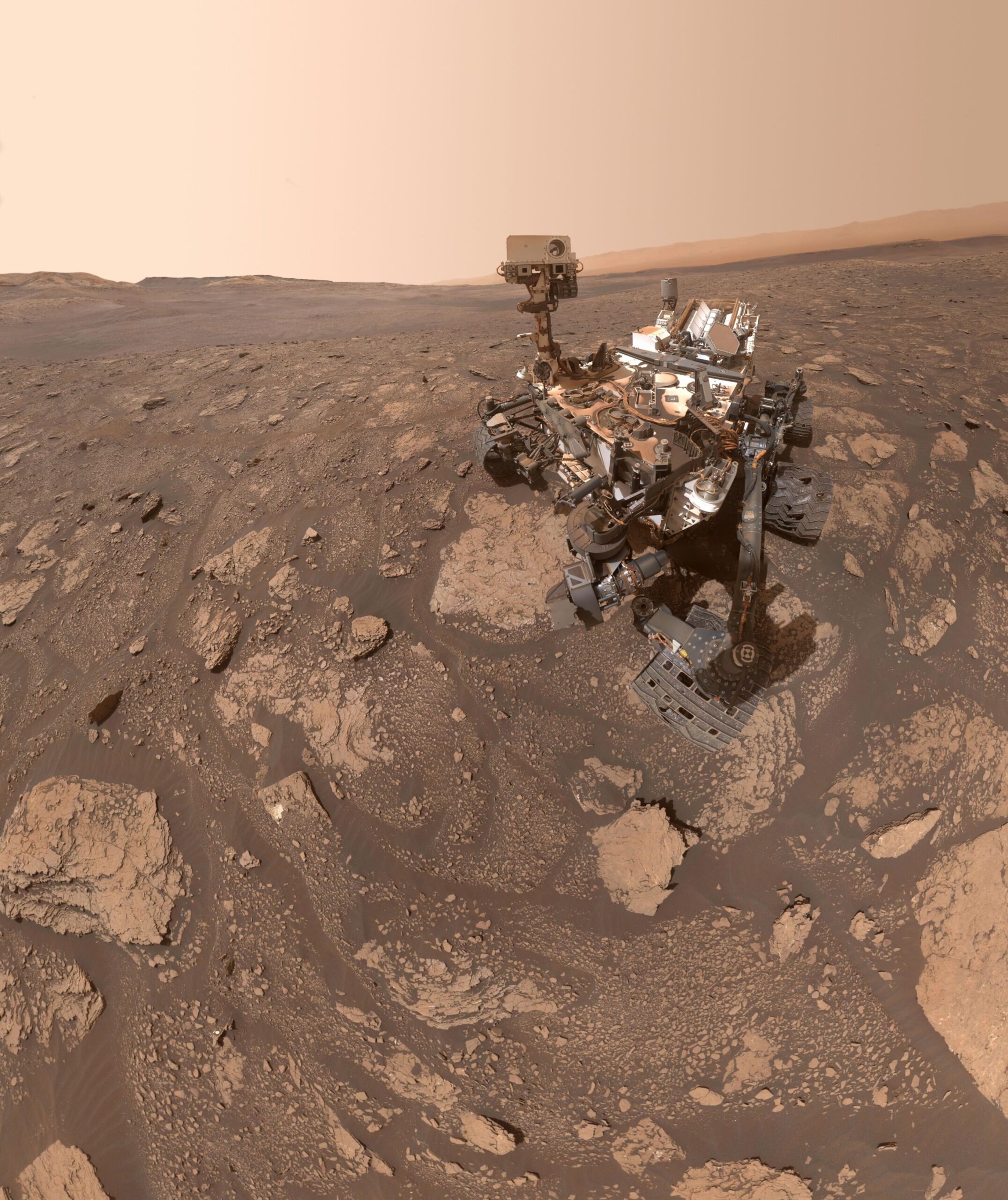
NASA’s Curiosity rover has just completed a high-stakes chemical experiment never before attempted on another world, revealing a complex cocktail of organic molecules buried beneath the Martian surface. Within the red dust of a long-dried lake bed, the rover identified a nitrogen-bearing molecule with a structure strikingly similar to the precursors of DNA. This discovery provides the most compelling evidence yet that the building blocks of life can survive the harsh environment of Mars, preserved for billions of years in the planet’s ancient clay.
A Historic Chemical Analysis in Gale Crater
The experiment was conducted within the Gale crater, specifically in a region known as Glen Torridon. This area was chosen by NASA scientists because it is exceptionally rich in clay minerals, which are indicators that liquid water once pooled here in the distant past. More importantly, these clays act as a natural preservative, capable of shielding organic compounds from the intense radiation and oxidative conditions that typically destroy such chemicals on the Martian surface.
To perform this analysis, the rover utilized its Sample Analysis at Mars (SAM) instrument suite. This sophisticated onboard laboratory is responsible for the mission’s most significant insights into the planet’s habitability and atmospheric history. However, this specific test was different from previous scans. It required the use of a specialized chemical known as TMAH, designed to break apart large, complex organic molecules into smaller fragments that the rover’s instruments can accurately identify.
The High Stakes of Martian Chemistry
Conducting this experiment was a calculated risk for the mission team. Curiosity only landed with two cups of TMAH onboard, meaning the scientists had very limited opportunities to get it right. There was no room for error; the team had to wait for the perfect moment and the most promising geological location before committing their precious chemical resources to a sample.
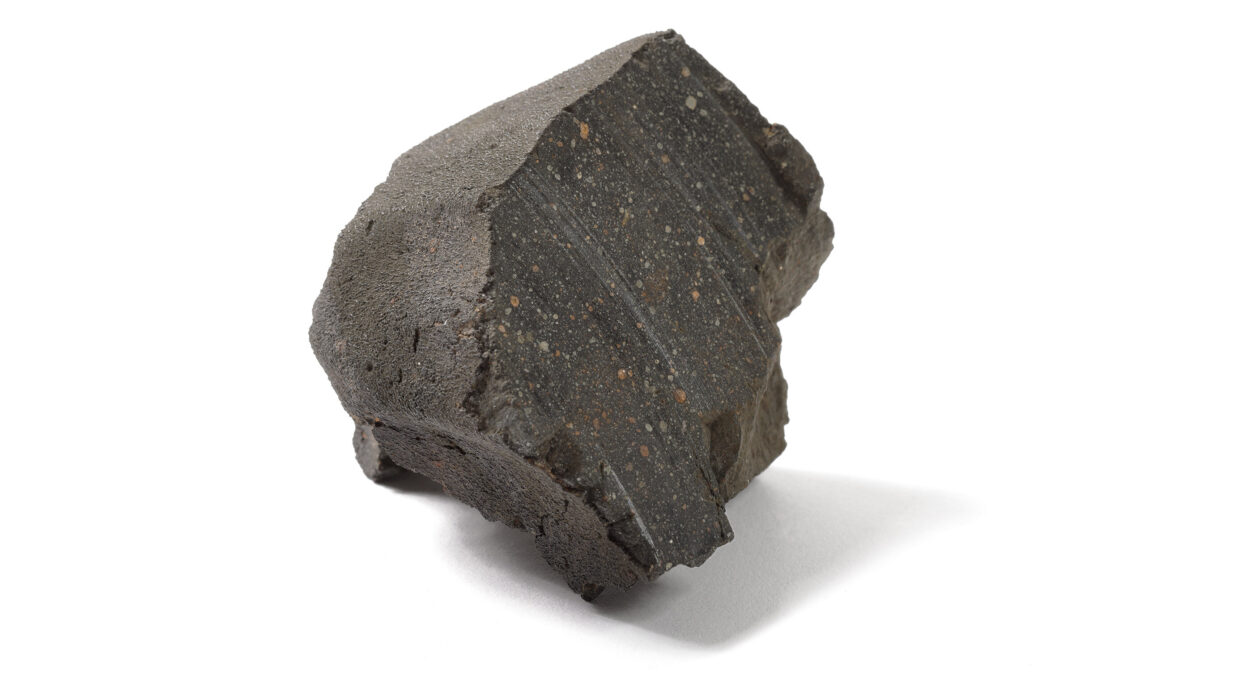
The successful application of the TMAH test allowed researchers to peer deeper into the chemical history of the planet than ever before. By breaking down the larger structures, Curiosity was able to identify more than 20 distinct chemicals. Among these was benzothiophene, a large, sulfur-rich molecule featuring a double-ringed structure. While complex, benzothiophene is often associated with meteorites that frequently impact planetary surfaces.
Building Blocks or Geologic Artifacts
The presence of these organics, particularly the nitrogen-bearing molecule resembling DNA precursors, raises a profound question about their origin. Researchers are currently faced with a mystery that the rover alone cannot solve. While these chemicals are identical to the building blocks that led to the origin of life on Earth, they do not provide a “smoking gun” for biological activity on Mars.
These molecules can be formed through several different pathways. They might be remnants of ancient microbial life that existed billions of years ago when Mars was a wetter, warmer world. However, they could also be the result of non-biological geologic processes occurring within the Martian crust. A third possibility is that they were simply delivered to the surface by the steady rain of meteorites that has bombarded the planet throughout its history.
As Amy Williams, a lead scientist on the study and professor at the University of Florida, noted, the same organic material that fell onto Mars via meteorites also fell onto Earth. It is highly likely that these very materials provided the initial ingredients that allowed life to take root on our home planet.
The Search for Definitive Evidence
Despite the excitement surrounding these complex organics, the mission reaches a limit in what it can conclude from millions of miles away. While Curiosity has proven that the Martian subsurface can preserve large, sophisticated molecules, the rover’s laboratory cannot definitively distinguish between a biological origin and a geological one.
To bridge that gap and confirm whether these molecules are true biosignatures—signs of past life—scientists will eventually need to examine Martian crust in person. The consensus among the research team is that definitively identifying signs of ancient life will require the physical return of rock samples to Earth, where they can be analyzed with the full power of terrestrial laboratories.
Curiosity, which touched down in 2012, was designed primarily to determine if Mars ever had the conditions necessary to support life. Its successor, the Perseverance rover, landed in 2021 with the specific goal of searching for the actual signs of that life. This latest discovery from Curiosity provides a vital roadmap for where and how to look.
Why This Matters
This discovery fundamentally changes our understanding of the Martian environment’s ability to “store” the history of life. We now have proof that the shallow subsurface of Mars can act as a long-term vault, protecting large complex organics from destruction over eons. If life did once emerge on Mars, its chemical fingerprints are likely still there, waiting to be found in the clay.
Furthermore, the success of the TMAH experiment has immediate implications for the future of space exploration. The upcoming Rosalind Franklin mission to Mars and the Dragonfly expedition to Saturn’s moon, Titan, are both planning to carry this same chemical test. Because Curiosity proved the method works on another planet, these future missions can now move forward with greater confidence that they have the right tools to search for the chemical signatures of life across our solar system.
Study Details
Diverse organic molecules on Mars revealed by the first SAM TMAH experiment, Nature Communications (2026). DOI: 10.1038/s41467-026-70656-0