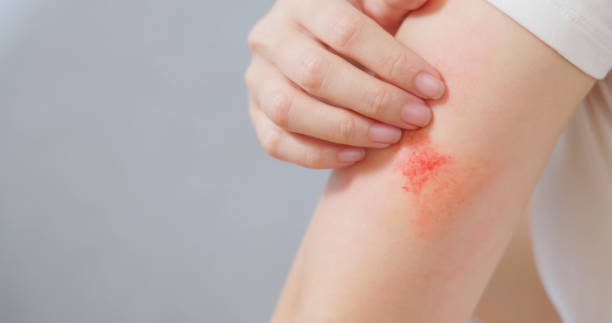
Psoriasis is far more than a cosmetic issue. For those who live with it, the condition can shape daily life, affect emotional well-being, and sometimes even challenge identity. Red, scaly patches appearing on the skin are the outward signs, but beneath the surface lies a complex interplay of the immune system, genetics, and environmental triggers. Psoriasis is a chronic autoimmune condition that accelerates the skin cell life cycle, causing cells to build up rapidly and form thickened, inflamed plaques.
For some, psoriasis may be mild—just a few small patches of dry, itchy skin. For others, it can cover large areas of the body, bringing with it physical discomfort and emotional distress. The disease does not discriminate, affecting men and women equally, and it can begin at any age, though it often emerges between adolescence and middle adulthood. Its impact extends beyond the skin; psoriasis is linked with systemic inflammation and associated health risks such as arthritis, cardiovascular disease, and depression.
To understand psoriasis is to appreciate not only its biology but also the lived experiences of those who navigate its challenges. Exploring its causes, symptoms, diagnosis, and treatments reveals just how intricate and human this condition truly is.
The Biology of Psoriasis: Why It Happens
The Immune System in Overdrive
At its core, psoriasis is an immune-mediated disorder. The immune system, designed to protect the body from infection and injury, becomes overactive and mistakenly accelerates the turnover of skin cells. Normally, skin cells take about 28 to 30 days to grow, rise to the surface, and shed naturally. In psoriasis, this cycle is drastically shortened to just three to five days. The rapid production of new cells leads to accumulation at the surface, forming thickened plaques with silvery-white scales.
T cells, a type of white blood cell, play a central role in this misdirected response. In psoriasis, these T cells become hyperactive, releasing inflammatory chemicals such as cytokines (including TNF-alpha, interleukins 17 and 23). These signals create a cascade of inflammation in the skin and beyond, which not only fuels the development of plaques but also contributes to systemic effects seen in psoriatic arthritis and cardiovascular risks.
Genetics and Family Links
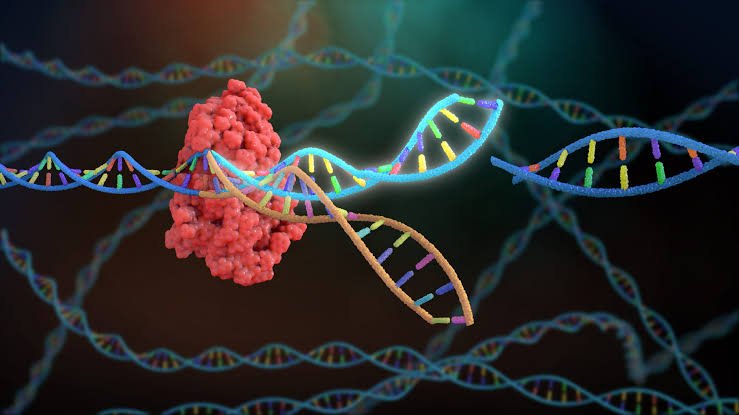
Genetics heavily influence susceptibility to psoriasis. Studies show that if one parent has psoriasis, the risk of the child developing the condition is about 10%. If both parents are affected, the risk increases significantly. Specific genes, particularly those involved in immune system regulation such as HLA-Cw6, have been strongly linked to psoriasis. Yet, genetics alone do not dictate destiny; environmental factors are equally critical in triggering or worsening symptoms.
Environmental and Lifestyle Triggers
Even in genetically predisposed individuals, psoriasis may remain dormant until certain triggers activate the disease. Common triggers include:
- Infections: Streptococcal throat infections can spark guttate psoriasis, especially in children and adolescents.
- Stress: Psychological stress worsens inflammation, often leading to flare-ups.
- Medications: Drugs like beta-blockers, lithium, and antimalarials may induce or exacerbate psoriasis.
- Skin trauma: Cuts, scrapes, or sunburn can provoke new lesions at the site of injury, a phenomenon known as the Koebner response.
- Weather: Cold, dry climates often worsen symptoms, while sunlight may improve them.
- Lifestyle factors: Smoking, alcohol use, obesity, and poor diet increase both severity and frequency of flares.
Psoriasis arises from this intricate dance between immune dysregulation, genetics, and environmental influence, making it a condition that cannot be reduced to a single cause.
The Many Faces of Psoriasis: Symptoms and Types
Psoriasis is not a one-size-fits-all disease. Its appearance, severity, and impact vary greatly from person to person. The hallmark symptoms include red patches of skin covered with silvery scales, itching, burning sensations, and sometimes pain. But the condition manifests in different forms, each with distinct features.
Plaque Psoriasis (Psoriasis Vulgaris)
This is the most common type, affecting about 80–90% of patients. It presents as raised, inflamed patches covered with silvery-white scales. These plaques often appear on the scalp, elbows, knees, and lower back but can develop anywhere. The size ranges from small spots to large areas merging together.
Guttate Psoriasis
Common in children and young adults, guttate psoriasis appears suddenly after infections like strep throat. The lesions are small, red, drop-shaped spots scattered across the trunk, limbs, or scalp. It may resolve spontaneously or progress into chronic plaque psoriasis.
Inverse Psoriasis
Unlike plaque psoriasis, inverse psoriasis occurs in skin folds—armpits, under breasts, groin, or buttocks. The lesions are smooth, shiny, and red but lack the thick scaling seen in other types, making them easily misdiagnosed as fungal or bacterial infections.
Pustular Psoriasis
This rare but severe form is characterized by white pustules filled with non-infectious pus, surrounded by inflamed skin. It can appear on small areas like the hands and feet or spread extensively across the body (generalized pustular psoriasis), which can be life-threatening and requires urgent medical care.
Erythrodermic Psoriasis
The rarest and most severe form, erythrodermic psoriasis, involves widespread redness, scaling, and shedding of skin, often accompanied by severe itching, pain, and systemic symptoms such as fever or heart rate irregularities. It is a medical emergency, as it can disrupt fluid balance and temperature regulation.
Psoriatic Arthritis
Around 30% of people with psoriasis develop psoriatic arthritis, where inflammation extends beyond the skin to affect the joints. It causes stiffness, swelling, and pain, and can lead to permanent joint damage if untreated. Its presence underscores psoriasis as a systemic disease, not just a skin disorder.
The Emotional Burden of Psoriasis
Living with psoriasis extends beyond physical discomfort. Visible lesions often draw unwanted attention, leading to embarrassment, social withdrawal, and lowered self-esteem. Many patients report feeling stigmatized, with strangers mistaking the condition for something contagious.
The psychological toll is significant. Rates of depression and anxiety are higher in people with psoriasis, and the stress from these conditions can, in turn, worsen the disease—a vicious cycle. Quality of life studies consistently show that psoriasis ranks among the most burdensome dermatological conditions, on par with chronic illnesses like cancer or heart disease.
This emotional weight reminds us that treatment must address not only physical symptoms but also mental health and social support.
Diagnosing Psoriasis: How Doctors Identify It
Diagnosis of psoriasis usually begins with a clinical examination by a dermatologist. The distinctive appearance of red plaques with silvery scales often makes visual diagnosis straightforward. However, because psoriasis can mimic conditions like eczema, fungal infections, or seborrheic dermatitis, careful evaluation is essential.
Clinical Examination
Doctors assess the distribution, appearance, and type of lesions. They may also ask about family history, recent infections, medication use, and stress levels, since these can influence disease onset.
Skin Biopsy
In cases where the diagnosis is uncertain, a skin biopsy may be performed. This involves removing a small piece of skin to examine under a microscope. Psoriasis typically shows thickened epidermis, elongated rete ridges, and immune cell infiltration.
Blood Tests and Imaging
While no blood test confirms psoriasis, laboratory work may help rule out other conditions. In suspected psoriatic arthritis, imaging such as X-rays or MRI scans may reveal joint inflammation and damage.
Early and accurate diagnosis matters—not only to guide effective treatment but also to monitor for related conditions like arthritis and cardiovascular disease.
Treating Psoriasis: Restoring Balance
There is no permanent cure for psoriasis, but modern medicine offers a wide range of treatments that can dramatically improve symptoms, reduce flare-ups, and enhance quality of life. Treatment depends on disease severity, type, location, and patient preference.
Topical Treatments
For mild to moderate psoriasis, topical therapies are often the first line of treatment. These include:
- Corticosteroids: Anti-inflammatory creams or ointments that reduce redness and itching.
- Vitamin D analogs (calcipotriol): Slow down skin cell growth and reduce scaling.
- Coal tar and salicylic acid: Help soften scales and ease itching.
- Moisturizers and emollients: Improve skin hydration, reduce itching, and protect the skin barrier.
Topicals are effective for localized disease but may be impractical for widespread psoriasis.
Phototherapy (Light Therapy)
Controlled exposure to ultraviolet (UV) light can slow skin cell growth and reduce inflammation. Narrowband UVB phototherapy is widely used and effective, especially for moderate cases. PUVA therapy (psoralen combined with UVA light) is another option but carries higher risks of side effects.
Systemic Medications
For moderate to severe psoriasis, systemic drugs may be necessary. These include:
- Methotrexate: Suppresses immune system activity and reduces inflammation.
- Cyclosporine: Powerful immunosuppressant, effective but not suitable for long-term use due to kidney risks.
- Acitretin: An oral retinoid that normalizes skin cell growth.
These drugs are effective but require monitoring for potential side effects on the liver, kidneys, or blood pressure.
Biologic Therapies
Biologics represent a major breakthrough in psoriasis treatment. They are engineered proteins that target specific immune pathways, such as TNF-alpha, IL-17, or IL-23. By blocking these inflammatory signals, biologics provide highly effective and often long-lasting control of psoriasis. Examples include adalimumab, secukinumab, and ustekinumab.
Biologics are usually given by injection or infusion and are reserved for moderate to severe cases or those with psoriatic arthritis. They are costly but have transformed outcomes for many patients.
Lifestyle and Complementary Approaches
Lifestyle choices play a crucial role in managing psoriasis. Maintaining a healthy weight, avoiding smoking and excessive alcohol, and managing stress can reduce flare frequency and severity. Some patients also find relief in complementary therapies such as mindfulness, yoga, or anti-inflammatory diets, though scientific evidence varies.
Living with Psoriasis: Building Resilience
Psoriasis is a lifelong condition, but with the right management, many people lead fulfilling, active lives. The journey often involves trial and error to find the most effective treatment combination, patience during flare-ups, and resilience in the face of stigma or discomfort.
Support groups, both in-person and online, provide invaluable spaces for sharing experiences and strategies. Counseling or therapy can help patients manage the psychological toll. Education—about triggers, treatments, and self-care—empowers individuals to take control of their health.
The narrative of psoriasis is not one of defeat but of adaptation, strength, and the ongoing search for balance.
The Future of Psoriasis Treatment
Scientific advances continue to reshape how we understand and treat psoriasis. Research into the microbiome—the community of bacteria living on the skin and in the gut—suggests that microbial imbalances may influence inflammation and disease severity. Genetic studies are uncovering new pathways for targeted therapies.
Next-generation biologics and small molecule inhibitors (such as JAK inhibitors) promise even more precise control of immune responses. Personalized medicine, where treatment is tailored to an individual’s genetic and immune profile, is on the horizon.
In addition, digital health tools—apps that track symptoms, wearable devices monitoring inflammation, and telemedicine consultations—are expanding access to care and helping patients stay engaged with their treatment plans.
Conclusion: Psoriasis as a Story of Science and Humanity
Psoriasis is more than red patches on the skin. It is a complex interplay of immune dysfunction, genetics, and environment. It is a condition that challenges not only the body but also the mind and spirit. Yet, it is also a story of resilience and progress—of patients learning to adapt and of science uncovering ever more effective treatments.
By understanding its causes, recognizing its symptoms, diagnosing it with precision, and treating it with compassion and science, we can transform the lives of those affected. Psoriasis reminds us that health is never just skin-deep; it is a reflection of the whole person—body, mind, and soul.