Memory is one of the most mysterious and powerful abilities of the human brain. It allows you to recognize a face after years apart, remember the smell of rain from childhood, solve a math problem using knowledge learned in school, and learn from past mistakes. Without memory, life would feel like a series of disconnected moments—each new second arriving with no relationship to the last. Identity itself depends on memory. Who you believe you are is built from the experiences your brain has recorded and preserved.
Yet memory is not a simple recording device. It does not work like a video camera capturing perfect copies of reality. Instead, memory is dynamic, reconstructive, and sometimes unreliable. Your brain stores fragments, patterns, and associations, and when you recall an event it rebuilds the experience using those pieces. This remarkable system allows creativity, learning, and imagination, but it also means memories can change over time.
To understand how memory works, we must explore the architecture of the brain, the processes that create memories, the reasons they fade, and the ways we can strengthen our ability to remember.
The Brain: The Organ of Memory
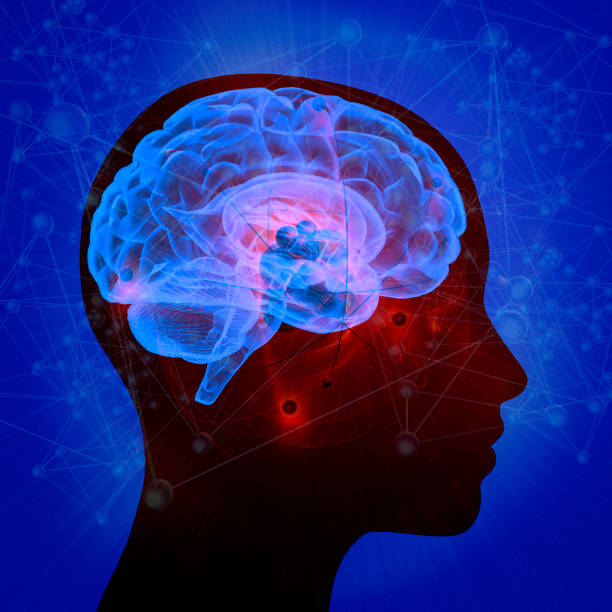
The human brain contains roughly eighty-six billion neurons, each connected to thousands of others through synapses. These connections form a vast network capable of storing and processing immense amounts of information. Memory emerges not from a single location in the brain but from the activity of many regions working together.
One of the most important structures involved in memory formation is the hippocampus, a curved structure located deep within the temporal lobes. The hippocampus plays a critical role in transforming short-term experiences into long-term memories. When you learn a new fact or encounter a new place, the hippocampus helps encode that information and distribute it to other parts of the brain for long-term storage.
The cerebral cortex, the outer layer of the brain, stores many long-term memories. Different types of information are processed and stored in specialized regions. Visual memories involve the occipital and temporal areas, auditory memories involve the temporal lobes, and sensory experiences activate corresponding sensory regions.
Another important structure is the amygdala, which processes emotional experiences. Emotional events—such as fear, joy, or embarrassment—often become vivid memories because the amygdala signals the brain that the experience is important. This emotional tagging helps ensure that significant experiences are remembered more strongly than ordinary ones.
Memory is therefore not stored in a single place. Instead, it is distributed across neural circuits. Each memory corresponds to a unique pattern of connections among neurons. When you recall something, your brain reactivates that pattern.
The Three Stages of Memory
Memory formation is usually described as occurring in three major stages: encoding, storage, and retrieval. These stages represent the process by which information moves from experience into lasting knowledge.
Encoding is the moment when information first enters the memory system. When you see a face, read a sentence, or hear a melody, your brain transforms sensory input into neural signals. Attention plays a crucial role at this stage. Information that receives focused attention is far more likely to be encoded than information that is ignored.
Storage refers to the maintenance of information over time. Once encoded, memories must be preserved within neural networks. Some memories last only seconds, while others endure for decades. The strength of storage depends on many factors including repetition, emotional significance, and connections with existing knowledge.
Retrieval occurs when stored information is brought back into awareness. When you recall a friend’s phone number or remember what you studied for an exam, your brain reconstructs the stored pattern of neural activity. Retrieval is not always perfect. Sometimes memories are incomplete, distorted, or temporarily inaccessible.
Together, encoding, storage, and retrieval form the basic cycle of memory. When any stage fails, forgetting occurs.
Sensory Memory: The First Step
The first stage of memory processing begins with sensory memory. This form of memory holds information from the senses for extremely brief periods—often less than a second for visual information and a few seconds for auditory input.
Sensory memory acts like a temporary buffer that allows the brain to process incoming information before deciding whether it deserves further attention. For example, when you glance at a busy street, your eyes receive far more visual details than you consciously notice. Sensory memory briefly retains these details before most of them fade away.
This rapid filtering process is essential because the brain cannot process every piece of sensory information. Sensory memory ensures that only the most relevant information passes to the next stage.
Short-Term Memory: The Mind’s Workspace
Short-term memory, sometimes called working memory, holds information that is currently in use. When you mentally calculate a number, follow directions, or remember a sentence long enough to understand it, you are using short-term memory.
Working memory has limited capacity. Psychologists often estimate that it can hold about seven pieces of information at once, though the exact number varies depending on the person and the type of information. Because of this limitation, the brain uses strategies such as grouping or chunking to organize information more efficiently.
For instance, remembering a long string of numbers becomes easier when the numbers are grouped into meaningful units. Phone numbers, for example, are typically divided into smaller segments rather than memorized as a single long sequence.
Short-term memory is temporary. Without reinforcement, information in this system fades within seconds or minutes. However, through repetition or meaningful association, information can move into long-term memory.
Long-Term Memory: The Brain’s Archive
Long-term memory is the vast storage system that holds information for hours, years, or even a lifetime. Unlike short-term memory, long-term memory appears to have enormous capacity. Humans can remember thousands of faces, words, events, and skills.
Long-term memory is often divided into different categories based on the type of information being stored.
Declarative memory involves facts and events that can be consciously recalled. This includes remembering historical dates, vocabulary words, and personal experiences. Declarative memory itself includes episodic memory, which stores personal events, and semantic memory, which stores general knowledge.
Non-declarative memory involves skills and habits that are performed automatically without conscious recall. Riding a bicycle, typing on a keyboard, and playing a musical instrument rely on procedural memory, a form of non-declarative memory.
These different forms of memory involve different brain regions. The hippocampus is critical for declarative memory formation, while procedural memories rely more heavily on structures such as the basal ganglia and cerebellum.
The Biological Basis of Memory
At the cellular level, memory involves changes in the strength of connections between neurons. This process is known as synaptic plasticity.
One of the most important mechanisms underlying memory is long-term potentiation. This process occurs when repeated activation of a synapse strengthens the connection between two neurons. As the connection becomes stronger, signals travel more easily between them.
Long-term potentiation is thought to represent the physical basis of learning and memory. When you learn something new, specific neural circuits become more efficient through repeated activation.
Neurons also grow new connections and modify existing ones during learning. Proteins are synthesized to stabilize these changes, allowing memories to persist over time. In this sense, memory leaves a physical trace in the brain, often called an engram.
Why Memory Is Not Perfect
Despite its remarkable capabilities, human memory is far from perfect. Memories can be incomplete, distorted, or entirely false.
One reason is that memory is reconstructive rather than reproductive. Instead of storing exact copies of experiences, the brain stores fragments and patterns. When recalling an event, the brain fills in missing details using knowledge, expectations, and imagination.
This process can lead to memory distortions. Over time, details may change or merge with other memories. Conversations, photographs, and repeated storytelling can reshape how an event is remembered.
Psychologists have demonstrated that false memories can even be created under certain conditions. People may confidently remember events that never occurred, especially if they are repeatedly suggested.
This does not mean memory is unreliable in all situations. Most memories are reasonably accurate, particularly when they are frequently recalled or emotionally significant. However, the reconstructive nature of memory reminds us that recollection is not the same as recording.
The Science of Forgetting
Forgetting is not simply a failure of memory; it is a natural and necessary process. If the brain retained every detail of every experience, it would quickly become overwhelmed.
One reason for forgetting is decay. Memories that are rarely accessed gradually weaken as neural connections lose strength. Without reinforcement, the physical changes supporting the memory may fade.
Interference is another major cause of forgetting. New memories can disrupt older ones, and older memories can interfere with new learning. For example, learning a new password may cause you to forget the old one.
Retrieval failure also plays a role. Sometimes memories are stored but temporarily inaccessible. A familiar example is the feeling of having a word on the tip of your tongue. The memory exists in the brain but cannot be retrieved at that moment.
Forgetting can also occur when memories were never properly encoded. If attention was distracted during learning, the information may never have been stored effectively in the first place.
Emotion and Memory
Emotion has a powerful influence on memory. Events that trigger strong feelings—whether positive or negative—are often remembered more vividly.
The amygdala interacts with the hippocampus to strengthen memories associated with emotional experiences. This mechanism likely evolved to help humans remember important events related to survival.
For example, a frightening encounter with a dangerous animal would produce a strong memory that helps avoid similar threats in the future. Similarly, joyful events such as celebrations or achievements often become cherished memories.
However, intense stress can sometimes impair memory formation. Extremely stressful situations may disrupt the hippocampus, making it difficult to form coherent memories.
Sleep and Memory Consolidation
Sleep plays a crucial role in strengthening memories. During sleep, the brain replays patterns of neural activity associated with recent experiences. This process, known as memory consolidation, helps stabilize memories and integrate them into long-term storage.
Different stages of sleep appear to support different types of memory. Deep slow-wave sleep is particularly important for consolidating declarative memories, while rapid eye movement sleep may help strengthen procedural skills and emotional memories.
Studies show that people who sleep after learning new information often remember it better than those who remain awake. Sleep allows the brain to organize and reinforce newly acquired knowledge.
Attention: The Gateway to Memory
Attention is one of the most powerful factors influencing memory formation. Without attention, encoding cannot occur effectively.
In modern life, attention is often fragmented by distractions. Smartphones, notifications, and multitasking can divide mental focus, reducing the brain’s ability to form lasting memories.
When attention is concentrated on a task, the brain processes information more deeply. This deeper processing leads to stronger neural connections and better recall later.
Mindful attention transforms ordinary experiences into memorable ones. When you fully engage with what you are learning, your brain treats the information as meaningful and worth storing.
Repetition and Reinforcement
Repetition strengthens memory by repeatedly activating neural circuits. Each time information is reviewed or recalled, the connections supporting that memory become stronger.
However, the timing of repetition matters. Spaced repetition—reviewing information at increasing intervals—has been shown to produce stronger long-term retention than massed practice, such as cramming before an exam.
Spaced repetition allows the brain to consolidate memories between review sessions. Each recall effort strengthens the memory trace and reduces forgetting.
This principle has become widely used in modern learning systems and memory training techniques.
Association and Meaning
The brain remembers information more easily when it is connected to existing knowledge. Association creates links between new memories and established neural networks.
For example, learning a new concept becomes easier when it relates to something already familiar. Stories, metaphors, and vivid imagery help build meaningful connections.
Meaningful information is processed more deeply than isolated facts. When the brain understands why something matters, it allocates more resources to storing it.
This is why emotionally engaging or personally relevant experiences are often remembered more clearly than abstract details.
Memory Techniques and Mental Strategies
Throughout history, humans have developed techniques to improve memory. Ancient scholars used elaborate mental systems to memorize speeches, poetry, and historical knowledge long before the invention of printing.
One famous method is the method of loci, sometimes called the memory palace technique. This strategy involves visualizing familiar locations and placing pieces of information within them. By mentally walking through the location, the information can be recalled.
Visualization, storytelling, and association are powerful tools for strengthening memory. These strategies work because they engage multiple regions of the brain simultaneously.
Modern cognitive research confirms that combining imagery, emotion, and spatial relationships enhances memory retention.
The Role of Practice and Learning
Memory improves with practice. The brain adapts to repeated mental activity by strengthening relevant neural pathways.
Musicians, athletes, and scholars often demonstrate extraordinary memory abilities because their brains have developed specialized networks through years of practice.
Learning itself changes the physical structure of the brain. New synaptic connections form, and existing ones become more efficient. This process, known as neuroplasticity, continues throughout life.
Contrary to earlier beliefs, the adult brain remains capable of forming new memories and learning new skills well into old age.
Aging and Memory
As people age, some aspects of memory may decline. Older adults may experience slower retrieval or difficulty remembering names and recent events.
However, other forms of memory remain stable or even improve. Semantic memory—knowledge accumulated over a lifetime—often grows stronger with age.
Many age-related memory changes result from reduced processing speed rather than loss of stored information. Healthy lifestyle habits such as mental stimulation, physical exercise, and social engagement can help preserve cognitive function.
Research continues to explore ways to support memory health throughout the lifespan.
Memory, Identity, and the Self
Memory does more than store information; it shapes personal identity. The story you tell about your life is built from remembered experiences.
Childhood memories, relationships, successes, and challenges all contribute to the sense of who you are. Without memory, continuity of self would disappear.
This connection between memory and identity becomes clear in neurological conditions that affect memory. Individuals with severe memory loss may struggle to maintain a consistent sense of self because the past becomes inaccessible.
Memory links moments together into a coherent narrative. It allows humans to learn from experience, plan for the future, and build meaningful lives.
The Future of Memory Research
Scientists continue to explore the mysteries of memory using advanced technologies such as brain imaging, molecular biology, and computational modeling.
Researchers are studying how memories are encoded in neural circuits, how emotional experiences influence memory formation, and how memory disorders develop.
New therapies may one day help treat conditions such as Alzheimer’s disease, traumatic memory disorders, and age-related cognitive decline.
Understanding memory also has implications for education, artificial intelligence, and human creativity.
Remembering Better in a Complex World
In an age overflowing with information, the ability to remember effectively has become increasingly valuable. Strong memory is not merely a natural talent; it is a skill shaped by attention, curiosity, and practice.
When information is meaningful, emotionally engaging, and repeatedly revisited, it becomes woven into the brain’s intricate networks.
The art of remembering lies not in forcing the brain to store everything but in guiding attention toward what truly matters.
The Remarkable Gift of Memory
Memory is one of humanity’s greatest gifts. It allows knowledge to accumulate across generations, culture to evolve, and individuals to grow from experience.
Through memory, the past remains alive within the present. Lessons learned yesterday guide decisions today and shape possibilities for tomorrow.
The human brain, with its billions of interconnected neurons, quietly records the story of a lifetime. Every remembered laugh, every lesson learned, every face recognized is a testament to the extraordinary power of memory.
And even though forgetting is inevitable, the ability to remember—imperfect yet profound—continues to define what it means to be human.