Across Arnhem Land, Aboriginal artists painted enormous ancestral beings, including Rainbow Serpents more than 6 meters long, during a period of rapid change following European arrival. The paintings appear to have helped reinforce traditions, connections to country and a sense of control as colonial disruption reshaped Aboriginal life.
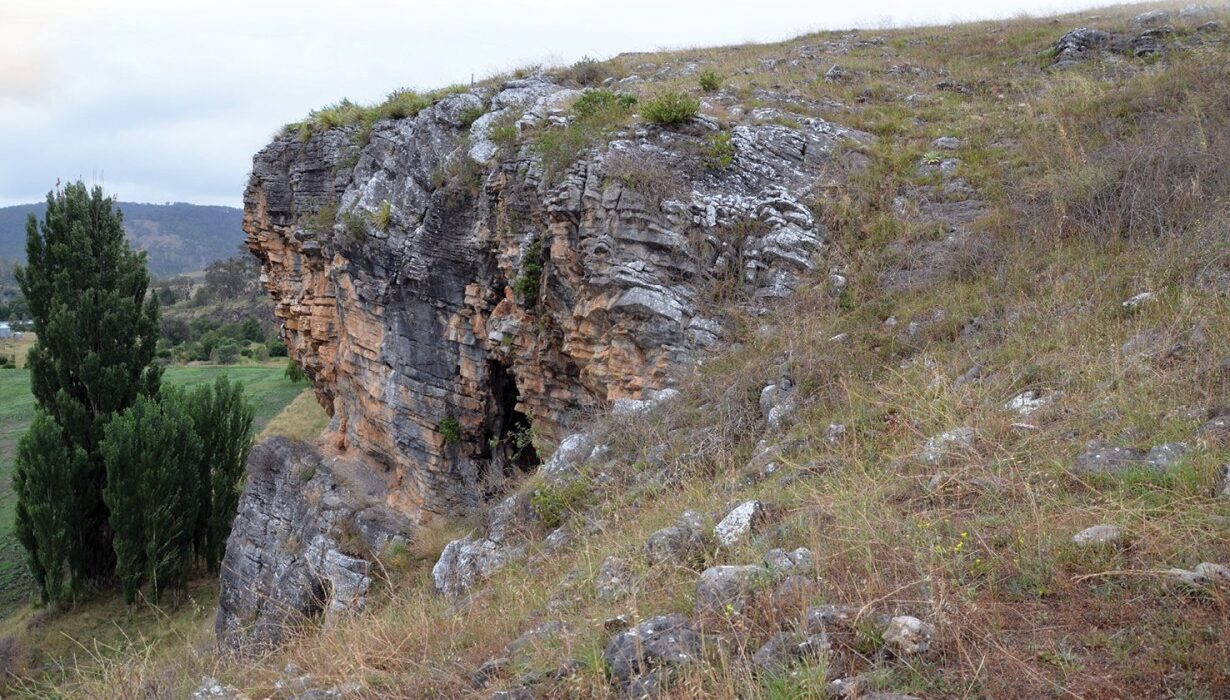
Since 2018, archaeologists working with senior Amurdak Traditional Owner Charlie Mungulda have recorded 165 rock art sites in the Awunbarna region, also known as Mount Borradaile. Their work has focused on art made after Europeans arrived.
One pattern stood out. Some of the newer paintings were unusually large. The researchers recorded pythons about 2 meters long, life-sized crocodiles and kangaroos, and numerous depictions of Rainbow Serpents, powerful ancestral beings in Aboriginal traditions.
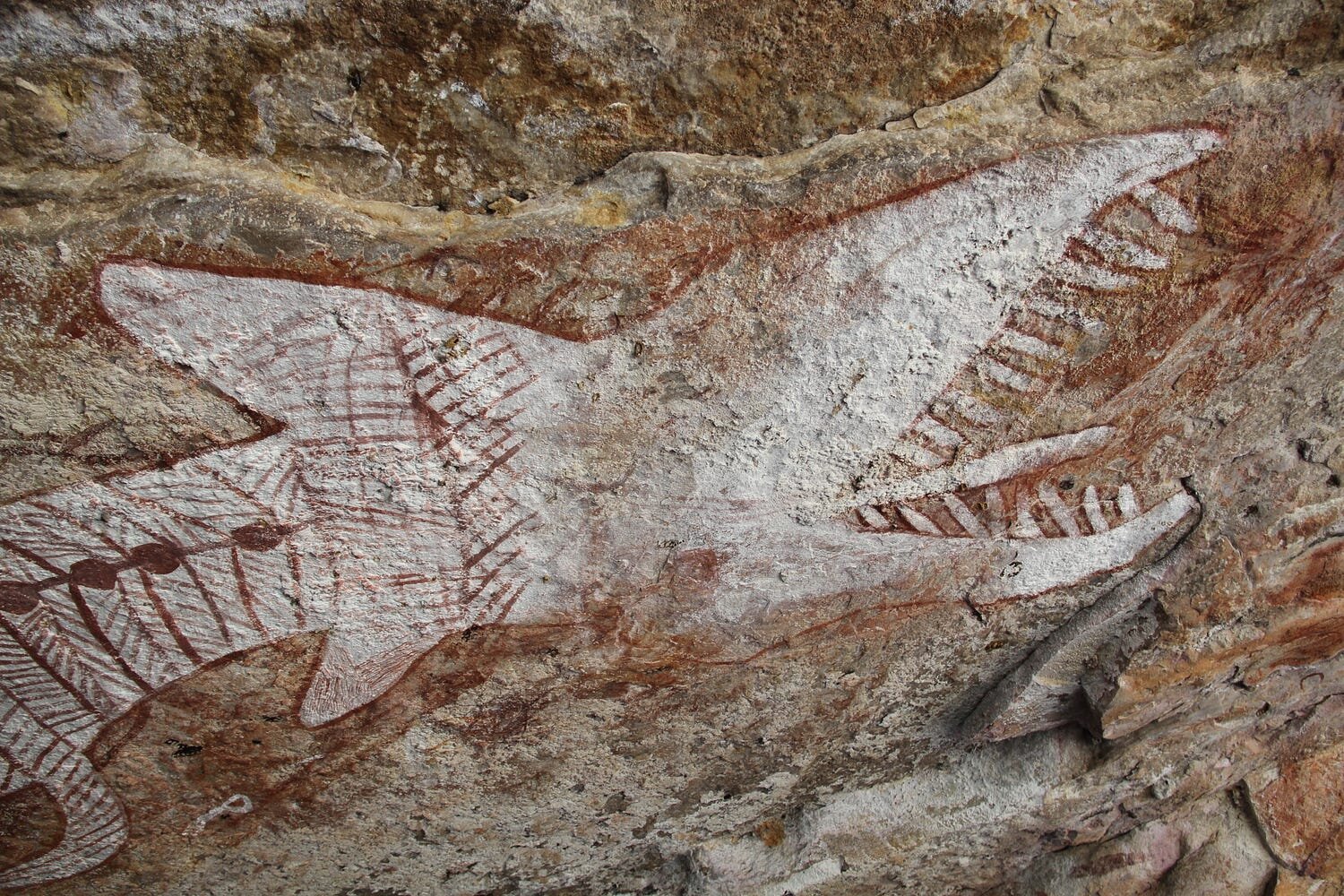
At one site, known as AW5, the team documented a Rainbow Serpent stretching more than 6 meters across the rock shelter ceiling. The painting has a crocodile-like head, prominent teeth and a long tongue.
Paul Taçon, an archaeologist at Griffith University and the study’s lead author, said the painting was among the largest Rainbow Serpent images he had encountered during four decades of Arnhem Land rock art fieldwork.
Across the 21 sites examined, the researchers recorded 29 Rainbow Serpent images. The study describes this as the largest concentration of Rainbow Serpent depictions found anywhere.
The same survey also identified a giant human figure more than 2 meters long and the only known depiction of a baleen whale in Australia.
The giant images were part of a broader pattern
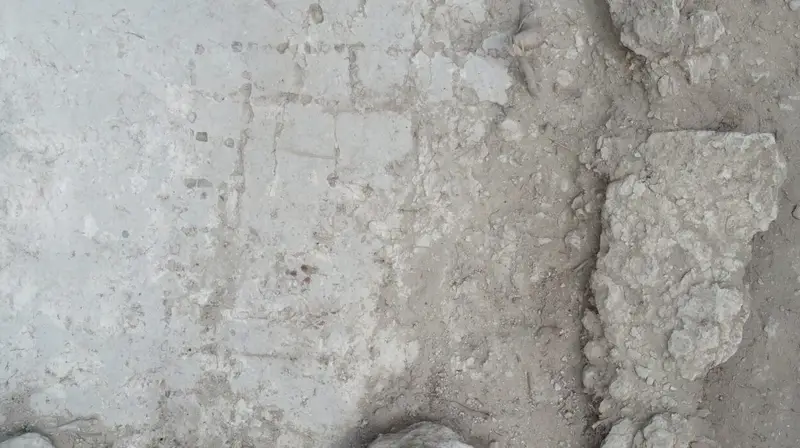
The large-scale art was not confined to paintings. The researchers also recorded a stone arrangement measuring 124 meters in length.
Its shape included a large stone resembling a head, a winding neck and a large body outlined with stones. The researchers considered its form similar to some Rainbow Serpent paintings.
Dating the artwork precisely is difficult. Many of the images cannot be radiocarbon-dated. Rainbow Serpents are also frequently painted over older artwork, while the white pipe clay used for many of the images tends to fade within a few centuries.
Taken together, the evidence points to the Rainbow Serpent paintings being made after European contact.
The paintings appeared during a period of rapid change
The study links the giant images to the cultural upheaval that followed European colonization.
Rainbow Serpents are ancestral beings associated with the Dreamtime, with a role that connects the past and present. They are also tied to ideas of change and to learning how to cope with, accept and potentially control it.
The researchers suggest that depicting such powerful beings on a massive scale helped Aboriginal communities reinforce their traditions, ceremonies, beliefs and connections to their land and people during a period of major disruption.
Awunbarna was especially significant in this context. It was a meeting point for several Aboriginal language groups, where people traveled for trade, ceremonies and other social gatherings. People moving between neighboring lands passed through Amurdak Country.
The region was also among the first areas targeted by the colonial buffalo-shooting industry in the late 1800s, exposing it early to the changes brought by colonization.
Powerful Aboriginal figures appeared beside signs of colonization
Rainbow Serpents were not the only powerful creatures represented in the rock art. Crocodiles, fish and other animals were painted over and beside images of European ships and firearms.
The study interprets these combinations as a visual statement by ceremonial leaders that Aboriginal traditions remained important.
The researchers argue that Rainbow Serpent images, along with stories and ceremonies connected to them, could help reinforce traditions during rapidly changing times.
The paintings also carried knowledge between generations. The study describes them as part of Aboriginal living culture and an irreplaceable visual heritage.
The study was published in Australian Archaeology.