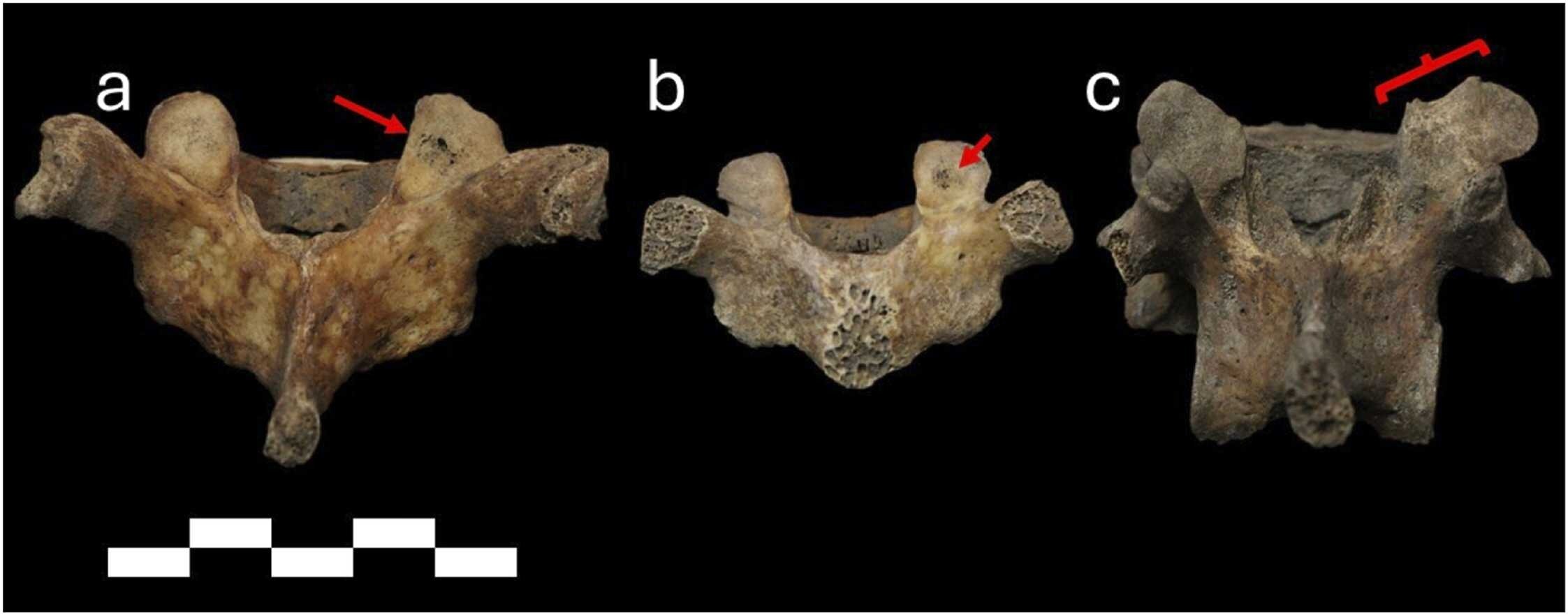
Children as young as 4 who worked in the Netherlands between the 1600s and 1800s developed spinal damage that is typically associated with old age and years of demanding physical labor, according to an analysis of 143 children’s remains. The damage was most pronounced among children who worked on rural dairy farms, where repetitive heavy lifting placed substantial stress on their growing spines.
Child labor became increasingly common in the postmedieval Netherlands. By the 1800s, census data suggested that children made up about 5% of the workforce, or roughly 27,200 children. Some began working at age 4, with workdays that could last 12, 15 or even 17 hours.
Historical records describe the jobs children performed and the wages they received, but provide little information about what that work did to their developing bodies.
Alex Tutwiler, a Ph.D. candidate at Leiden University, and Rachel Schats of Leiden University examined that question through skeletal remains. Their study looked at the spines of children ages 4 to 25 who lived between the 1600s and 1800s.
The remains came from 143 children documented as workers on rural dairy farms in Middenbeemster and in industrial factories in Arnhem. The researchers compared them with remains from children in Delft who had lived affluent, nonworking lives.
The differences were clearest among the farm workers.
Farm work put the greatest strain on the spine
Children working on dairy farms could be expected to perform physically demanding tasks at surprisingly young ages. Records indicate that children as young as 9 hauled milk basins and carried cheese molds.
Their remains showed worn spinal joints, bony growths along the edges of vertebrae and dents in the discs between the vertebrae. These changes are generally associated with aging and prolonged physical work.
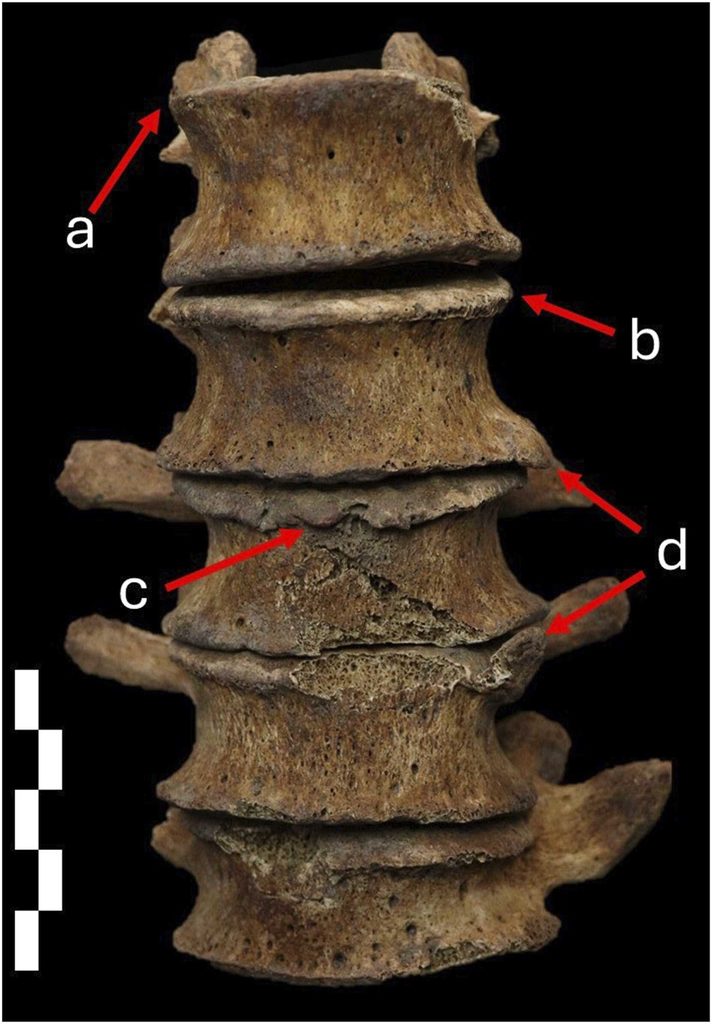
The researchers also found Schmorl’s nodes, in which pressure causes material from a spinal disc to push into the bone of a vertebra.
Tutwiler compared the wear in the joints to what happens when someone repeatedly wears shoes that are too small. The pressure and damage can eventually alter the shape of the feet and the shoes. In a similar way, repeated stress can contribute to changes in joints.
Some children had evidence of spinal damage before they had even lost their baby teeth.
“It was honestly heartbreaking,” Tutwiler said. “As scientists we develop hypotheses and test them, but it’s hard to factor in the emotional impact that work like this can have until you’re in the process of actually analyzing the skeletal remains of these children.”
Factory work produced a different pattern
The children who worked in Arnhem factories had a different pattern of skeletal changes.
They were more similar to the affluent children from Delft than to the dairy-farm workers. The researchers suggest that spinning, sewing and weaving for 12 hours was exhausting but placed much less stress on the spine than the heavy work performed on farms.
The factory children did, however, have problems affecting the lower back.
The Delft children, meanwhile, showed a small number of instances of spinal damage. The study speculated that some could have been related to activities such as play or horseback riding.
The researchers also considered the possibility that too little physical activity contributed to some damage among the Delft children. These children were expected to spend long periods studying, sitting and reading.
The bones preserve effects that records leave out
Historical accounts can document the length of a child’s workday or the tasks they were assigned. The skeletal remains provide another kind of evidence by preserving physical changes associated with those conditions.
Tutwiler said that reading historical accounts of child labor in the Netherlands is different from seeing how that labor affected growing bones.
She also hopes to examine children’s arms and legs in future work using CT scans.
The researchers’ findings come from children who lived centuries ago, but the study notes that the physical effects of child labor remain only partly understood because working children rarely seek medical care.
The study was published in the International Journal of Paleopathology.