For most of human history, an infected cut could be a death sentence. A sore throat could quietly turn into a fever that consumed the body. A simple childbirth could end in tragedy. Pneumonia, tuberculosis, and blood infections swept through cities like invisible fires, killing young and old without mercy. People lived with an unspoken understanding: bacteria were everywhere, and sometimes they won.
Then antibiotics arrived, and the world changed.
With a few pills or injections, infections that once killed millions became treatable. Surgeries became safer. Cancer treatments became possible. Premature babies gained a chance at life. Modern medicine rose on the shoulders of these miracle drugs, and society began to believe that bacterial disease was a problem we had essentially solved.
But bacteria never stopped evolving. They never stopped adapting. And now, the world is facing a chilling possibility: what happens when antibiotics stop working?
The answer is not a single disaster. It is a slow unraveling—an invisible collapse of safety that modern civilization has taken for granted. If antibiotics fail, the future does not look like one dramatic apocalypse. It looks like a return to a world where infection is feared again, where hospitals become riskier, and where even minor injuries carry uncertainty.
This is the reality of antibiotic resistance, and it is already happening.
Why Antibiotics Were Once Considered a Miracle
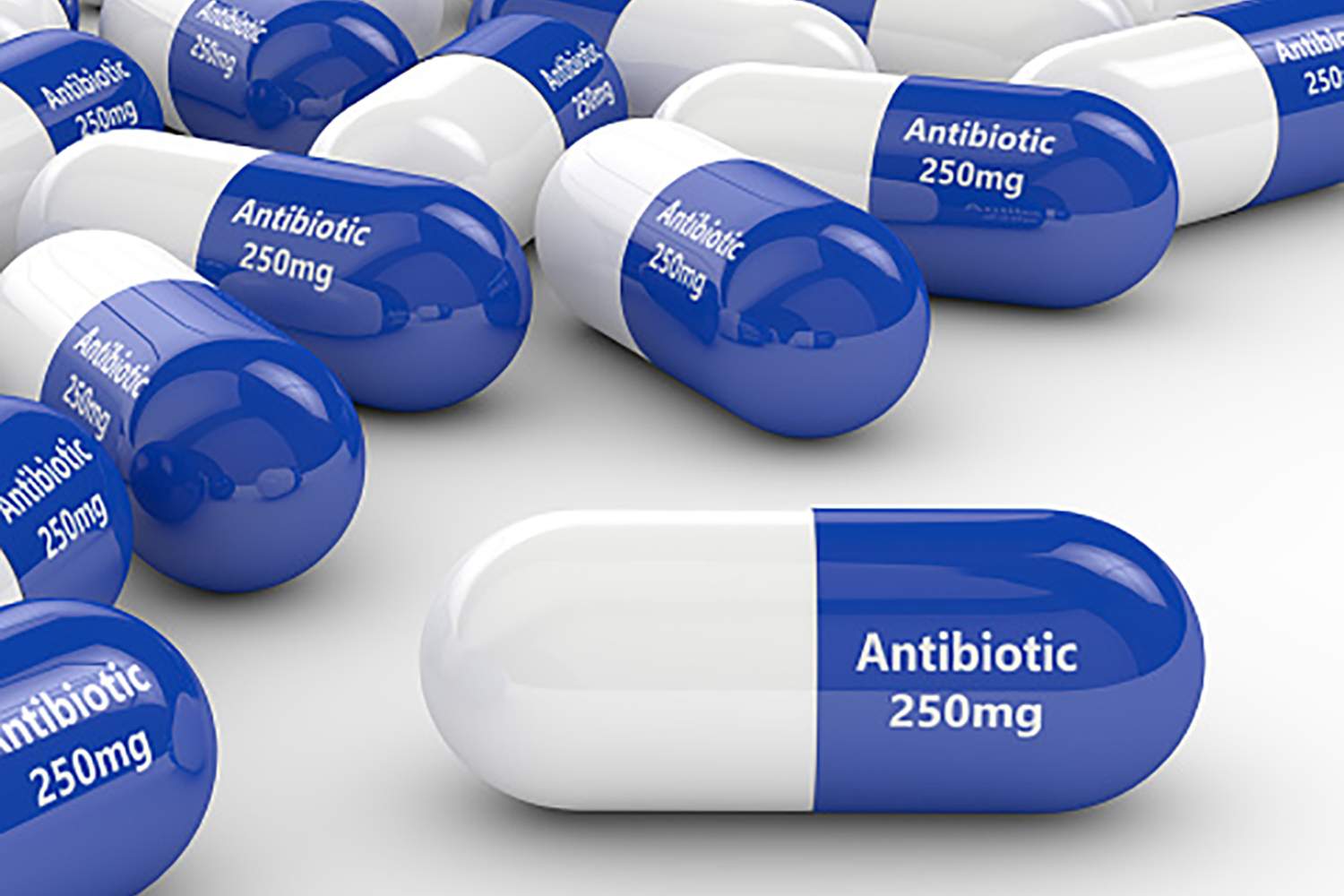
Antibiotics are medicines that kill bacteria or stop them from growing. They work by targeting structures or processes that bacteria need to survive, such as their cell walls, their protein-making machinery, or their ability to copy DNA.
The first widely used antibiotic, penicillin, was discovered by Alexander Fleming in 1928. When penicillin became available for large-scale use during World War II, it saved countless lives. Soldiers who would have died from infected wounds survived. Pneumonia and syphilis became treatable. The age of modern antimicrobial medicine had begun.
Soon, more antibiotics were discovered and developed: streptomycin, tetracyclines, macrolides, cephalosporins, fluoroquinolones, and many others. Doctors gained an arsenal of tools to fight infections. For a while, it felt as though humanity had gained permanent control over bacterial disease.
But the truth is, antibiotics never guaranteed victory. They only shifted the balance temporarily.
Bacteria reproduce incredibly fast. Many can divide every 20 minutes under ideal conditions. Each time they replicate, there is a chance of mutation. Most mutations are meaningless, but occasionally one gives a bacterium an advantage—such as the ability to survive an antibiotic attack.
That is the beginning of resistance.
What Antibiotic Resistance Really Means
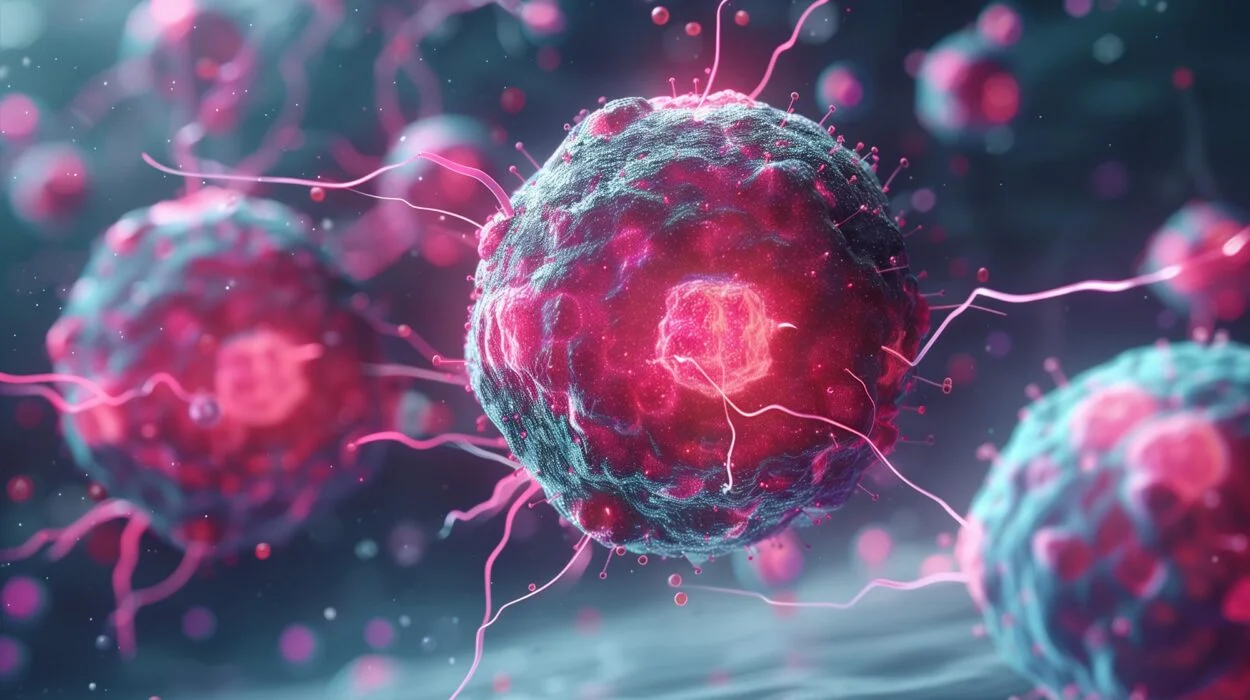
Antibiotic resistance happens when bacteria evolve in a way that allows them to survive exposure to an antibiotic that would normally kill them or stop their growth. The antibiotic may still be present, still active, and still correctly prescribed, but the bacteria no longer respond.
This does not mean the human body becomes resistant. It means the bacteria do.
Once resistant bacteria survive, they multiply. They pass their resistance traits to future generations. Even more alarming, bacteria can exchange resistance genes with other bacteria, even across different species, through a process called horizontal gene transfer. They can swap genetic material like trading cards, spreading resistance rapidly through microbial communities.
This is why antibiotic resistance is not just an individual medical problem. It is an evolutionary arms race, unfolding worldwide, and the bacteria are relentless competitors.
When antibiotics stop working, it is because bacteria have learned how to outsmart them.
How Bacteria Defeat Antibiotics
Bacteria can resist antibiotics through several biological strategies. Some develop enzymes that break down the antibiotic before it can harm them. Others alter the antibiotic’s target so the drug can no longer attach effectively. Some pump the antibiotic out of their cells using specialized protein pumps, reducing the drug’s concentration inside the bacterium. Others build protective biofilms—slimy communities that shield them from antibiotics and the immune system.
Resistance is not one trick. It is a toolbox of survival.
The most dangerous bacteria are those that carry multiple resistance mechanisms, making them resistant to many antibiotic classes at once. These are often called multidrug-resistant organisms, and they represent one of the greatest threats in modern healthcare.
The more antibiotics are used, the more opportunities bacteria have to evolve these defenses.
Why Antibiotics Stop Working in the First Place
Antibiotics do not stop working because they are weak. They stop working because humans have used them in ways that accelerate bacterial evolution.
One of the biggest drivers is overuse and misuse. Antibiotics are sometimes prescribed for viral infections like colds and flu, even though viruses are not affected by antibiotics. Every unnecessary prescription exposes bacteria in the body to antibiotics, increasing selective pressure for resistance.
Another major factor is incomplete treatment. When patients stop taking antibiotics early because they feel better, they may leave behind bacteria that are tougher and more resistant. Those survivors multiply, and the next infection may be harder to treat.
Agriculture is also a major contributor. In many parts of the world, antibiotics are used in livestock not only to treat disease but to promote growth and prevent infections in crowded conditions. This widespread use creates enormous reservoirs of resistant bacteria, which can spread through food, water, soil, and human contact.
Hospitals themselves can become breeding grounds for resistant bacteria. Patients are vulnerable, antibiotics are used frequently, and bacteria can spread through surfaces, medical devices, and person-to-person contact.
Antibiotic resistance is not caused by one mistake. It is caused by decades of collective behavior that unintentionally trained bacteria to become stronger.
The First Signs of a World Without Effective Antibiotics
If antibiotics stop working, the first signs would appear in hospitals. Doctors would notice infections that once responded easily now linger, worsen, or return. Routine antibiotics would fail more often. Patients would require stronger drugs, longer treatment courses, and extended hospital stays.
These are not future predictions. They are already happening.
Drug-resistant infections such as MRSA (methicillin-resistant Staphylococcus aureus), drug-resistant tuberculosis, resistant gonorrhea, and resistant urinary tract infections have become common in many regions. Some bacterial strains have become resistant to nearly all available antibiotics, leaving doctors with very limited treatment options.
In a world where antibiotics stop working, the medical system begins to shift from confident treatment to uncertain survival. Doctors are forced to rely on older, more toxic antibiotics. Infections become unpredictable. What used to be routine becomes risky again.
The fear returns—not fear of disease as an abstract concept, but fear of infection itself.
The Return of Deadly Common Infections
One of the most terrifying consequences of antibiotic failure is the return of infections that used to kill easily.
Pneumonia would become far more dangerous. Today, bacterial pneumonia can often be treated effectively, but without reliable antibiotics, pneumonia could once again become a leading cause of death, particularly among children and the elderly.
Skin infections would also become more serious. A small wound could turn into cellulitis, abscesses, or a bloodstream infection. Even minor burns could become life-threatening if bacteria invade the damaged tissue.
Urinary tract infections, which are extremely common, could become far more dangerous. A UTI can spread to the kidneys and bloodstream if untreated. With resistance rising, UTIs could become a major cause of hospitalization and death.
Sexually transmitted infections would also become harder to control. Gonorrhea has already developed resistance to multiple antibiotic classes, and doctors have had to change treatment recommendations repeatedly. If gonorrhea becomes fully untreatable, it could lead to infertility, pelvic inflammatory disease, and increased HIV transmission.
The world would not necessarily see new diseases. It would see old diseases regain their power.
Surgery Becomes Risky Again
Modern surgery depends on antibiotics. When surgeons cut into the body, they open pathways for bacteria. Even with sterile techniques, infections can occur. Antibiotics are used to prevent surgical site infections and to treat them if they develop.
If antibiotics stop working, routine surgeries become far more dangerous. Appendectomies, cesarean sections, joint replacements, organ transplants, and even dental procedures would carry a higher risk of infection.
Hospitals would have to make difficult decisions about which surgeries are worth the risk. Some elective surgeries might be delayed or avoided entirely. Others might require strict isolation measures and extended monitoring.
Organ transplantation could become far less common. Transplant patients require immunosuppressive drugs to prevent rejection, which makes them highly vulnerable to infection. Without effective antibiotics, many transplant procedures would become nearly impossible.
The consequences would ripple far beyond infectious disease. Antibiotic failure would reshape all of medicine.
Cancer Treatment Becomes More Dangerous
Cancer treatments like chemotherapy and radiation weaken the immune system. They destroy not only cancer cells but also healthy cells involved in immunity. Patients undergoing chemotherapy are especially vulnerable to infections because their white blood cell counts often drop to dangerously low levels.
Antibiotics are essential for protecting these patients. When infections arise, antibiotics are often the difference between recovery and death.
If antibiotics stop working, cancer treatment becomes much riskier. Doctors might need to reduce chemotherapy doses, delay treatment cycles, or avoid aggressive therapies altogether. Cancer survival rates could drop, not because the cancer itself is more powerful, but because infection becomes too deadly to manage.
The tragedy of antibiotic resistance is that it attacks indirectly. It does not only kill through infection. It undermines the tools we use to fight other diseases.
Childbirth and Newborn Care Become More Dangerous
Before antibiotics, childbirth was one of the most dangerous moments in a woman’s life. Infections such as puerperal fever could spread rapidly after delivery. Newborns were also extremely vulnerable to bacterial infections.
Today, antibiotics protect mothers during cesarean sections, treat infections after childbirth, and protect premature infants in neonatal intensive care units. Without effective antibiotics, maternal mortality would rise, and infant mortality would rise with it.
Premature babies, who already struggle to survive, would face a much higher risk of infection. Neonatal sepsis—a bloodstream infection in newborns—could become far more lethal.
The loss would not be limited to hospitals. It would be felt in families, in communities, and in the emotional fabric of society. Antibiotics have quietly made childbirth safer for generations, and their disappearance would reopen an old wound in human history.
Minor Injuries Could Become Major Threats
One of the most psychologically devastating outcomes of antibiotic failure is the loss of security in everyday life.
A scraped knee. A blister. A cut from cooking. A puncture wound from stepping on something sharp. These are ordinary injuries, but bacteria can enter through any break in the skin.
In the antibiotic era, most of these injuries are manageable. But without effective antibiotics, infections could spread quickly. Some could lead to sepsis, a life-threatening immune response that can cause organ failure.
Sepsis already kills many people worldwide, even with modern medicine. Without antibiotics, sepsis would become far more common and far more deadly.
People would begin to fear the small things again. Not because the injury itself is serious, but because infection becomes unpredictable.
In a world without working antibiotics, safety becomes fragile.
Hospitals Could Become Places of Greater Danger
Hospitals are meant to be places of healing, but they are also environments where bacteria thrive. Patients are vulnerable, wounds are common, and medical devices such as catheters, ventilators, and IV lines provide entry points for microbes.
When antibiotic-resistant bacteria spread in hospitals, outbreaks can occur. Some of the most feared hospital-acquired infections include resistant strains of Klebsiella pneumoniae, Acinetobacter baumannii, and Pseudomonas aeruginosa.
If antibiotics stop working, hospitals could become increasingly dangerous places to stay. Isolation protocols would intensify. Some wards might become high-risk zones. Healthcare workers would face greater occupational exposure.
The cost of healthcare would rise as patients require longer stays, more complex care, and more expensive alternative treatments. Medical systems could become overwhelmed, especially during outbreaks.
This would not only affect individuals. It could destabilize entire healthcare infrastructures.
The Economic and Social Consequences
Antibiotic resistance is not only a medical crisis. It is an economic and social crisis.
When infections become harder to treat, patients stay sick longer. They miss work. They require extended hospitalization. Families face financial strain. Healthcare costs rise. Productivity declines.
Industries that depend on safe medical procedures, such as elective surgery, fertility treatments, and cosmetic medicine, could shrink. Insurance systems would face increasing pressure. Governments would need to invest heavily in infection control and public health measures.
In poorer regions, the consequences could be catastrophic. Limited access to advanced medical care means resistant infections can spread unchecked. Mortality rates could rise sharply, widening global inequality in health outcomes.
The antibiotic era has been one of the great stabilizers of modern life. Its decline could destabilize societies in ways that go beyond the hospital walls.
Could We Face a Post-Antibiotic Era?
The term “post-antibiotic era” is used to describe a future in which antibiotics no longer reliably treat bacterial infections. This does not mean all antibiotics stop working at once. It means that resistance becomes so widespread that many common infections become difficult or impossible to treat.
In such a world, medicine becomes less certain. Doctors may have to wait for lab results before choosing treatment, because guessing wrong could be fatal. The idea of a “simple infection” could disappear.
Some people imagine this future as a return to the early 1900s, when infectious diseases were the leading cause of death. But the reality could be even more complex because the modern world has more hospitals, more invasive procedures, more global travel, and more opportunities for resistant bacteria to spread rapidly.
We are more connected than ever. That connection is a strength, but it is also a vulnerability.
A resistant bacterium can cross continents in a single day.
Why New Antibiotics Are Not Appearing Fast Enough
A natural question arises: why not just make new antibiotics?
The problem is that antibiotic development is scientifically difficult and economically unattractive. Antibiotics are typically taken for short periods, unlike medications for chronic diseases that patients take for years. This makes antibiotics less profitable for pharmaceutical companies.
Additionally, bacteria evolve quickly. Even when a new antibiotic is developed, resistance can emerge within years or even months if the drug is widely used.
Developing new antibiotics also requires finding compounds that kill bacteria without harming human cells, which is challenging because bacteria share many biological processes with human cells. The safest targets are those unique to bacteria, and many of these have already been exploited by existing antibiotics.
This has created a dangerous gap: resistance is rising faster than new drugs are being developed.
Scientists are working on new approaches, including bacteriophage therapy, antimicrobial peptides, CRISPR-based bacterial targeting, and drugs that disarm bacteria rather than killing them. But these solutions are still developing, and none can fully replace the broad power antibiotics once offered.
The Hidden Danger of Losing “Last-Resort” Drugs
In modern hospitals, doctors still have a few powerful antibiotics reserved for the worst infections. These are sometimes called last-resort antibiotics, such as carbapenems, colistin, and certain advanced combination therapies.
But resistance is emerging even to these drugs. When bacteria become resistant to last-resort antibiotics, doctors may have no effective treatments left.
This is when infections become truly untreatable.
The terrifying part is that such bacteria already exist. They are not hypothetical. They have been found in hospitals and communities around the world. While still relatively rare, their presence is a warning flare in the darkness.
Once such bacteria become widespread, the medical system could face a level of helplessness that modern doctors have never experienced.
What It Would Feel Like to Live Without Reliable Antibiotics
It is difficult to grasp how deeply antibiotics shape modern life because their role is often invisible. You take them for a few days, you recover, and you move on. The miracle is so routine that it feels normal.
But imagine a world where that routine disappears.
Imagine going to the doctor with a throat infection and being told that treatment may not work. Imagine a child with a fever being admitted to the hospital because doctors cannot be sure they can stop the infection. Imagine needing surgery but being warned that the biggest threat is not the operation itself, but the bacteria that could invade afterward.
Imagine knowing that the most dangerous part of getting injured is not the injury, but what might grow inside it.
In that world, fear becomes part of daily life. People become more cautious, not out of paranoia, but out of survival.
This is what a post-antibiotic world would feel like: uncertainty returning to the body.
The Global Risk of Antibiotic Resistance
Antibiotic resistance is a global problem because bacteria do not respect borders. Resistant strains can spread through international travel, trade, and migration. They can spread through water systems and food production chains. They can spread in hospitals, farms, and crowded cities.
The problem is amplified by inequality. In some places, antibiotics are overprescribed. In others, they are underregulated and sold without prescriptions. In many regions, poor sanitation and limited access to healthcare allow resistant infections to spread rapidly.
Resistance is also fueled by counterfeit or low-quality antibiotics, which expose bacteria to weak doses that encourage survival and adaptation.
The fight against resistance requires global cooperation, not isolated solutions. It requires better stewardship of antibiotics, improved hygiene, vaccination programs to reduce infection rates, and investment in new drugs and diagnostics.
This is not just a medical issue. It is a challenge of governance, economics, and human behavior.
Can the Human Immune System Replace Antibiotics?
Some people assume that if antibiotics fail, the immune system will simply handle infections. This is only partly true.
The immune system is powerful, but it is not infallible. Many bacterial infections can overwhelm it, especially in infants, the elderly, and people with weakened immunity. Even healthy adults can die from infections like sepsis, meningitis, or severe pneumonia if bacteria multiply faster than the immune system can respond.
Antibiotics do not replace immunity—they support it. They reduce bacterial load, giving the immune system time to catch up. Without antibiotics, the immune system would face bacterial armies alone, and sometimes it would lose.
In a world without effective antibiotics, survival would depend heavily on individual immune strength, genetic factors, nutrition, and overall health. This would widen inequality in outcomes and increase the unpredictability of disease.
Medicine would shift from reliable treatment to survival probability.
The Path Forward: What Must Change
The most important truth about antibiotic resistance is that it is not inevitable in the way a meteor impact is inevitable. It is a crisis shaped by human choices.
Antibiotic stewardship is crucial. This means using antibiotics only when necessary and choosing the right antibiotic at the right dose for the right duration. It means avoiding antibiotics for viral infections. It means improving diagnostic tools so doctors can quickly identify bacterial infections and their resistance patterns.
In agriculture, reducing antibiotic use in livestock is essential. Better farming practices, improved hygiene, and vaccination of animals can reduce the need for routine antibiotic use.
In hospitals, stronger infection control measures can reduce the spread of resistant bacteria. This includes strict sanitation, proper hand hygiene, isolation of infected patients, and careful monitoring of outbreaks.
Vaccines are also a powerful tool. By preventing bacterial infections in the first place, vaccines reduce the need for antibiotics and reduce the opportunities bacteria have to evolve resistance.
Scientific innovation is equally important. New antibiotics must be developed, but so must alternative treatments, such as phage therapy, immune-based therapies, and drugs that disrupt bacterial communication systems.
The fight against resistance is not a single battle. It is an ongoing campaign.
What Happens When Antibiotics Stop Working?
When antibiotics stop working, the world does not instantly collapse. The streets do not empty overnight. The sky does not change. Life continues.
But something fundamental breaks.
The safety net of modern medicine begins to tear. Infections become unpredictable. Hospitals become riskier. Surgeries become more dangerous. Cancer treatment becomes harder. Childbirth becomes more threatening. The cost of healthcare rises. Death from ordinary infections becomes more common.
Society begins to feel a pressure it has forgotten: the pressure of microbial threat.
It would be a slow return to an older world, but not the same old world. It would be a world with advanced technology, global travel, and modern infrastructure—yet haunted by a microscopic enemy that has learned how to survive everything we throw at it.
Antibiotics were never magic. They were borrowed time.
And now we are learning, with growing urgency, that evolution does not rest.
The Final Truth: This Crisis Is Already Here
Perhaps the most unsettling part of the question is that it speaks as if antibiotic failure is a future event. In reality, antibiotics are already failing for many infections around the world. Resistant bacteria are already killing people. Doctors are already encountering cases where the usual drugs do nothing.
The post-antibiotic era is not coming someday. It is arriving in pieces, spreading quietly, and expanding through the cracks of human behavior.
But there is still time to fight back. Resistance can be slowed. Antibiotics can be protected. Science can innovate. Policy can change. Healthcare can improve.
The future is not fixed.
What happens when antibiotics stop working depends on what we do right now—before the last reliable pill becomes just another relic of a more secure age.