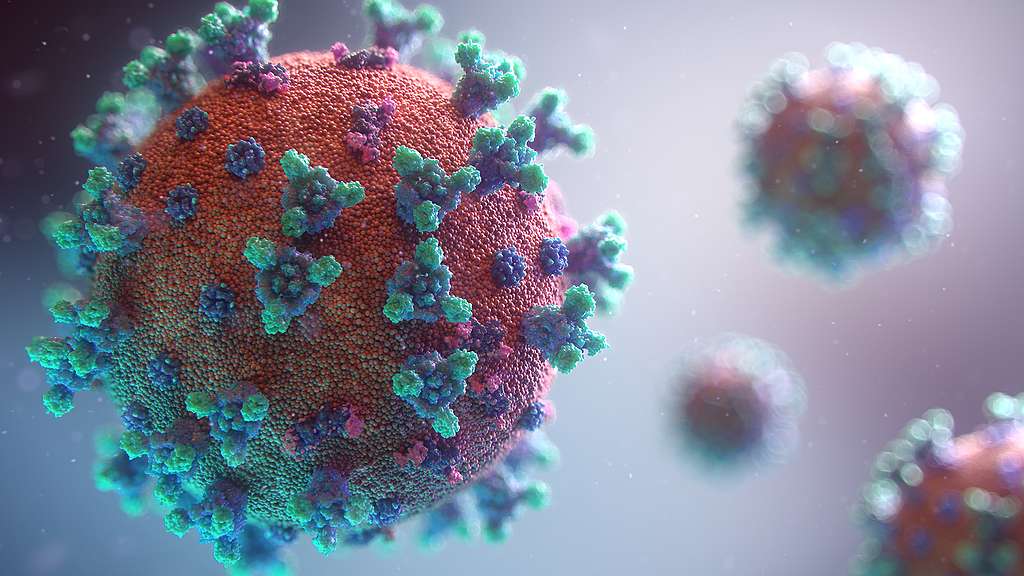
A virus is one of nature’s strangest creations—something that exists on the edge of life. It is not a full living organism like a bacterium or a fungus. It cannot eat, breathe, grow, or reproduce on its own. Yet once it enters your body, it can hijack your cells, multiply into millions of copies, and turn your own biology into a factory for its survival.
When you catch a virus, you often feel the effects as a sore throat, a fever, fatigue, or a cough. But those symptoms are only the surface story. Beneath your skin, inside your bloodstream, and deep within your tissues, a dramatic microscopic war begins. It is fast, complex, and relentless. Your body responds with one of the most sophisticated defense systems in the natural world, launching waves of immune attacks while trying to protect itself from its own collateral damage.
To understand what happens inside your body when a virus attacks is to understand something profound about what it means to be alive. Every infection is a test of your immune system’s intelligence, speed, and memory. It is a battle between a tiny genetic invader and an entire living organism that has evolved for millions of years to resist it.
The Moment of Exposure: When the Virus Enters Your World
A viral infection usually begins with a moment so ordinary you don’t even notice it. A handshake. A breath of air in a crowded room. A sip from a shared glass. A touch to your face after holding a contaminated surface. Viruses are masters of invisibility, traveling on microscopic droplets, dust particles, bodily fluids, and even tiny aerosols that can linger in the air.
The most common entry points into the body are the nose, mouth, eyes, and sometimes cuts in the skin. The respiratory tract is especially vulnerable because it is constantly exposed to the outside world. Every breath brings in oxygen—but it can also bring in pathogens.
At first, your body doesn’t feel sick. The virus has not yet caused enough damage, and the immune system has not yet fully mobilized. This early phase can feel deceptively calm, but it is often the most important part of the infection.
If the virus successfully enters, it begins searching for its first target: a living cell it can invade.
The First Line of Defense: Barriers That Try to Stop the Virus
Before a virus even reaches your cells, it must get past your body’s external defenses. These defenses are physical, chemical, and biological.
Your skin is the most obvious barrier, acting like a tough armored wall. Most viruses cannot penetrate intact skin. That is why viruses typically need a pathway through mucous membranes or damaged tissue.
Inside your nose, throat, and lungs, mucus acts as a sticky trap. It captures particles, including viruses, before they can reach your cells. Tiny hair-like structures called cilia line the respiratory tract and constantly beat in coordinated waves, pushing mucus upward toward the throat so it can be swallowed or coughed out. This is called the mucociliary escalator, and it is one of the body’s most underappreciated defense systems.
Your saliva contains enzymes and antimicrobial compounds. Your stomach acid destroys many pathogens that you accidentally swallow. Even the natural bacteria living in your mouth and gut compete with invaders and can reduce the chances of infection.
But viruses are not easily discouraged. If enough viral particles enter, or if your defenses are weakened, the virus can slip through.
Viral Attachment: The Search for the Right Cell
Viruses cannot infect just any cell. They must find cells with specific receptors—molecules on the cell surface that the virus can bind to like a key fitting into a lock.
This step is crucial. A virus’s ability to infect a species, an organ, or even a specific tissue depends largely on receptor compatibility. For example, influenza viruses often target receptors in the respiratory tract. HIV targets immune cells with the CD4 receptor. SARS-CoV-2 uses the ACE2 receptor found in the respiratory system and other organs.
Once the virus binds to a receptor, it signals the beginning of invasion. The virus may fuse directly with the cell membrane or enter through a process called endocytosis, where the cell essentially engulfs the virus into a small internal bubble.
The virus has now crossed a boundary it was never meant to cross. It has entered the territory of life itself.
Viral Replication: Hijacking the Cell’s Machinery
Inside the cell, the virus begins its true mission: reproduction.
A virus is basically genetic information wrapped in protein. That genetic material may be DNA or RNA, depending on the virus type. But regardless of the form, the goal is the same. The virus must force the cell to copy its genome and manufacture viral proteins.
The virus releases its genetic material into the cell and takes control of the cell’s ribosomes, the molecular machines that normally build proteins for the cell’s own survival. Instead of producing proteins for tissue repair or metabolism, the ribosomes are turned into assembly lines for viral components.
The infected cell begins producing viral shells, enzymes, and genetic copies. Eventually, these parts assemble into complete viral particles. A single infected cell can produce thousands, sometimes tens of thousands, of new viruses.
This is why viruses spread so quickly. They are not just attackers—they are replicators. Each infected cell becomes a multiplier.
At this stage, you may still feel fine. But inside your body, the viral population is exploding.
Cell Damage and Cell Death: When the Body’s Tissue Begins to Suffer
As viral replication accelerates, the infected cell becomes strained. Its resources are drained. Its normal functions collapse. Many viruses eventually cause the host cell to die, either by bursting the cell open in a process called lysis or by triggering programmed cell death, known as apoptosis.
When the cell breaks apart, newly formed viruses spill out into the surrounding tissue, ready to infect nearby cells.
This creates a chain reaction. One infected cell becomes ten, ten become a hundred, and soon entire patches of tissue are compromised. In the lungs, this can damage the delicate lining needed for oxygen exchange. In the throat, it can cause inflammation and pain. In the gut, it can disrupt absorption and lead to diarrhea.
This is when your body begins to notice. Tissue damage sends chemical distress signals. The immune system is alerted. And the war becomes visible.
The Innate Immune System Awakens: The Body’s Rapid Response Force
Your immune system has two main branches: innate immunity and adaptive immunity. Innate immunity is the fast, general defense system you are born with. It reacts quickly but does not target viruses with precision. It is the emergency alarm system, the first responders rushing to contain the threat.
Cells have sensors that detect viral genetic material, especially unusual forms of RNA or DNA that should not be present in certain parts of the cell. When these sensors are triggered, the cell releases signaling molecules called cytokines and interferons.
Interferons are especially important early in viral infections. They warn neighboring cells to strengthen their defenses by activating antiviral genes. They slow down viral replication and help prevent the infection from spreading too quickly.
Meanwhile, immune cells such as macrophages and dendritic cells patrol tissues, searching for signs of infection. They can engulf infected cells and viral particles, breaking them down. They also release more cytokines, recruiting additional immune forces to the site of infection.
This is when inflammation begins. Inflammation is not the enemy—it is the body’s emergency strategy. It increases blood flow to infected areas, brings immune cells into the battlefield, and helps isolate the infection.
But inflammation comes with consequences. It causes swelling, redness, pain, and heat. The discomfort you feel is often the result of your body fighting, not the virus itself.
Fever: The Body Turns Up the Heat
One of the most recognizable signs of viral infection is fever. Many people assume fever is simply a symptom, but it is actually a defense mechanism.
When immune cells release cytokines, they can signal the brain’s hypothalamus to raise the body’s temperature set point. Your body begins conserving heat and generating more, causing chills and shivering. This is why you may feel cold even as your temperature rises.
A higher body temperature makes it harder for many viruses to replicate efficiently. It also enhances certain immune functions, helping white blood cells move faster and respond more aggressively.
Fever is not always beneficial if it becomes dangerously high, but in many infections, it is a sign that your immune system is actively resisting the invader.
The fever is your body’s message: the battle has begun.
Swollen Lymph Nodes: The Immune System’s Command Centers
As the virus spreads, immune activity intensifies in the lymphatic system. Lymph nodes are small, bean-shaped structures scattered throughout your body, particularly in the neck, armpits, and groin. They act like immune processing centers where immune cells gather, communicate, and prepare for war.
Dendritic cells, after encountering viral particles, travel to nearby lymph nodes carrying fragments of the virus. These fragments are displayed like “wanted posters” to other immune cells. This presentation is a critical step because it triggers the adaptive immune response.
When lymph nodes swell during infection, it is often because they are crowded with rapidly multiplying immune cells. Your body is literally building an army.
The soreness you feel in swollen lymph nodes is a sign of intense biological mobilization.
The Adaptive Immune System: Precision Strikes Begin
The adaptive immune system is slower to activate than innate immunity, but it is far more specific and powerful. It is designed to recognize a particular virus and target it with precision. This system is also responsible for immune memory, which is why you often do not get the same viral infection twice, or why vaccines work.
Two main types of immune cells drive adaptive immunity: T cells and B cells.
T cells are trained killers and coordinators. Some T cells, called helper T cells, release signals that coordinate other immune cells and strengthen the overall response. Other T cells, called cytotoxic T cells, directly destroy infected cells by recognizing viral fragments displayed on the infected cell’s surface.
B cells produce antibodies, specialized proteins that bind to the virus. Antibodies can neutralize viral particles by preventing them from entering cells. They can also tag viruses for destruction by other immune cells.
When adaptive immunity kicks in, the infection often begins to shift. The virus may still be spreading, but now it faces a focused counterattack designed specifically to eliminate it.
This phase often corresponds to the peak of symptoms.
Why You Feel Exhausted: The Immune System Drains Your Energy
Fatigue is one of the most common and frustrating symptoms of viral infection. It can feel like your body has been unplugged from its power source.
This exhaustion is not just in your mind. Fighting a virus requires enormous metabolic resources. Immune cells need energy to multiply, move, and produce chemical weapons. Fever increases energy demands further. Tissue repair begins simultaneously. The body is doing multiple heavy tasks at once.
Cytokines also affect the brain, influencing sleep patterns and mood. They can trigger a strong desire to rest, which is actually beneficial. Rest allows the body to redirect energy away from physical activity and toward immune defense.
In a sense, fatigue is your body forcing you to slow down so it can survive.
Coughing, Sneezing, and Mucus: Defense and Transmission at the Same Time
Respiratory viruses often cause coughing, sneezing, congestion, and runny nose. These symptoms are partly defensive and partly unfortunate.
When the respiratory tract becomes inflamed, mucus production increases to trap viruses and protect damaged tissues. Coughing and sneezing help expel infected mucus and clear airways.
However, viruses have evolved to take advantage of these reactions. Every cough or sneeze can release viral particles into the air, increasing the chance of infecting others. From the virus’s perspective, symptoms that promote spreading are evolutionary success.
This is why many viruses cause symptoms that seem designed to make you contagious. The virus does not “intend” anything consciously, but natural selection favors viruses that spread efficiently.
Your body is trying to clear the infection. The virus is using the chaos to escape.
The Battle at the Cellular Level: How Infected Cells Signal for Help
Infected cells do not die quietly. They release distress signals that alert the immune system. Many infected cells display viral proteins on their surface using a system called the major histocompatibility complex, or MHC.
This is how cytotoxic T cells recognize infected cells. They patrol tissues scanning for suspicious displays. When they detect viral fragments, they attack, releasing chemicals that force the infected cell to self-destruct.
This is brutal but necessary. Killing infected cells stops the virus from replicating inside them. The immune system often sacrifices parts of your own tissue to prevent the infection from spreading.
This is one reason viral infections can cause soreness and tissue damage. The immune response itself can be destructive, especially if it becomes excessive.
The immune system is powerful, but it is not gentle.
Cytokine Storms: When the Defense Becomes Dangerous
In most infections, the immune response is balanced and controlled. But in some cases, especially with certain viruses, the immune system can overreact. This can lead to a phenomenon called a cytokine storm.
A cytokine storm is an excessive release of inflammatory signals that causes widespread immune activation. Instead of targeting the virus efficiently, the immune system begins damaging the body’s own tissues.
This can lead to severe swelling, fluid buildup in the lungs, organ damage, and even death. Severe influenza infections and some cases of COVID-19 have been associated with dangerous immune overreactions.
A cytokine storm reveals an uncomfortable truth: your immune system is not just a shield. It is also a weapon. And weapons can misfire.
This is why the deadliest viral infections are not always those that replicate the fastest, but those that trigger the most destructive immune responses.
Antibodies and Neutralization: The Turning Point of Infection
As B cells become activated, they begin producing antibodies. Early antibodies may not be highly specific, but over time, B cells refine their antibody production through a process of selection. The immune system essentially tests different antibody designs and keeps the most effective ones.
Once strong antibodies are circulating, the virus begins to lose its advantage. Antibodies bind to viral particles in the bloodstream or mucus, blocking them from attaching to cells. This neutralization slows the infection dramatically.
Antibodies also mark viruses for destruction by immune cells. Macrophages can recognize antibody-coated viruses and engulf them. The immune system becomes increasingly efficient.
This is often when symptoms begin to improve. Fever breaks. Breathing becomes easier. Energy slowly returns.
The virus is being cornered.
Clearing the Infection: The Body Cleans Up the Battlefield
Even after the virus is mostly defeated, the body must clean up the aftermath. Dead cells, damaged tissue, inflammatory chemicals, and immune debris must be removed. This repair process can take days or weeks.
You may still feel tired even after the main symptoms are gone. This lingering fatigue is often part of recovery. The immune system remains active at a lower level, ensuring that the virus does not rebound.
Tissues such as the lungs and throat may remain inflamed and sensitive. A cough may persist. Appetite may return slowly.
Recovery is not simply the absence of the virus. It is the rebuilding of stability.
Your body is not just fighting. It is healing.
Immune Memory: Why Your Body Remembers the Virus
One of the most extraordinary features of the adaptive immune system is memory. After the infection is cleared, the immune system does not simply return to its original state. It keeps a record.
Some B cells become memory B cells, capable of rapidly producing antibodies if the same virus returns. Some T cells become memory T cells, ready to coordinate and kill infected cells quickly in the future.
This is why many viral infections are worse the first time you encounter them. The immune system is learning. The second time, the response is faster and more targeted.
This is also the principle behind vaccines. Vaccines expose the immune system to harmless versions or pieces of a virus so it can build memory without the danger of full infection.
Immune memory is one of the reasons humans have been able to survive in a world filled with viruses for millions of years.
Why Some Viruses Keep Coming Back
If immune memory is so powerful, why do we catch colds again and again?
The answer lies in viral evolution. Many viruses mutate quickly, especially RNA viruses. Their genetic copying process is often error-prone, producing new variants constantly. If a virus changes enough, antibodies from a previous infection may not recognize it effectively.
Influenza is a famous example. It evolves rapidly, which is why flu vaccines need regular updates. Coronaviruses and rhinoviruses also mutate and exist in many variants, making long-term immunity difficult.
Some viruses have even more devious strategies. Herpesviruses, for example, can remain dormant in the body for years and reactivate later. HIV attacks the immune system directly, making long-term control extremely challenging without treatment.
Viruses are not static enemies. They are evolutionary artists, constantly rewriting themselves.
Why Viral Infections Can Feel Different Each Time
Not every viral infection feels the same, even if it is the same virus. The severity of symptoms depends on multiple factors: the viral dose you were exposed to, the strength of your immune system, your age, stress levels, sleep quality, nutrition, and whether you have preexisting conditions.
It also depends on where the virus spreads in the body. Some viruses remain localized in the upper respiratory tract, causing mild cold symptoms. Others can reach deeper tissues like the lungs, leading to more severe illness.
Even your immune system’s strategy can influence symptoms. A strong immune response can clear the virus faster but may also cause more inflammation, leading to worse short-term discomfort. A weaker response may produce milder symptoms initially but allow the virus to spread more widely.
In many cases, how sick you feel is not simply how much virus is in your body. It is the intensity of the battle being fought.
What Happens to the Virus When It Loses?
A virus does not “die” in the way a living organism dies, but it can be destroyed. Viral particles are broken apart by immune cells, digested by enzymes, or neutralized by antibodies until they can no longer infect anything.
Once viral replication stops and infected cells are eliminated, the virus loses its ability to continue. Without living cells to hijack, it becomes inert genetic debris.
Some viruses are completely cleared from the body. Others can remain hidden. For example, hepatitis B and C viruses can persist, sometimes leading to chronic infection. Certain viruses integrate their genetic material into host DNA, making them extremely difficult to eliminate entirely.
Whether a virus is eliminated or persists depends on the virus type and the immune response.
But in most everyday viral infections, the body wins.
The Aftermath: Why Recovery Can Take Longer Than Infection
Many people expect to feel normal immediately after symptoms fade, but recovery often takes longer than the infection itself.
During infection, tissues become inflamed and damaged. The immune system consumes nutrients and energy. Sleep is disrupted. Dehydration may occur. Muscle breakdown can happen during prolonged fever. The body may lose appetite, reducing fuel intake precisely when it needs it most.
Once the virus is gone, the body must rebuild. Immune activity decreases gradually, not instantly. Hormones and neurotransmitters affected by inflammation return to baseline. Damaged tissue regenerates. The gut microbiome may recover after disruption.
This is why rest matters even after you “feel better.” Healing continues long after the battle ends.
The Emotional Reality of Viral Infection
A virus does not just attack your cells. It attacks your sense of control.
When you are sick, you are reminded that your body is not a machine you fully command. You cannot simply decide to be healthy. You can only support the systems that keep you alive and wait as they do their work.
This can be frustrating, frightening, and isolating. But it is also deeply revealing. Viral infection exposes the hidden intelligence inside you. Without conscious thought, your body identifies the invader, coordinates cellular armies, rewrites immune strategies, and repairs damage.
You are not a passive victim inside your skin. You are an active living system, fighting for stability every second.
The fever, the fatigue, the soreness, the cough—these are not signs of weakness. They are signs of resistance.
The Final Truth: Your Body Is a Battlefield and a Miracle
When a virus attacks, it begins with stealth. It slips past your defenses, invades your cells, and multiplies rapidly. It spreads through tissue like an invisible wildfire. Then your immune system responds, first with rapid broad defenses, then with precise targeted attacks. Fever rises. Inflammation spreads. Antibodies are forged. Infected cells are sacrificed. The virus is hunted down molecule by molecule.
And in most cases, the body wins.
This is happening not just in extraordinary pandemics but in everyday life. Every time you recover from a cold, your body has performed a triumph of biology. Every time your fever breaks, your immune system has turned the tide. Every time you breathe easily again, your cells have repaired what was damaged.
Viruses may be small, but they reveal the enormous complexity of human life. They show us that health is not an effortless default state. It is something your body actively maintains through constant vigilance.
Inside you, even when you feel perfectly fine, an invisible defense network stands guard.
And when a virus attacks, that network becomes a living storm—fierce, intelligent, and determined to keep you alive.