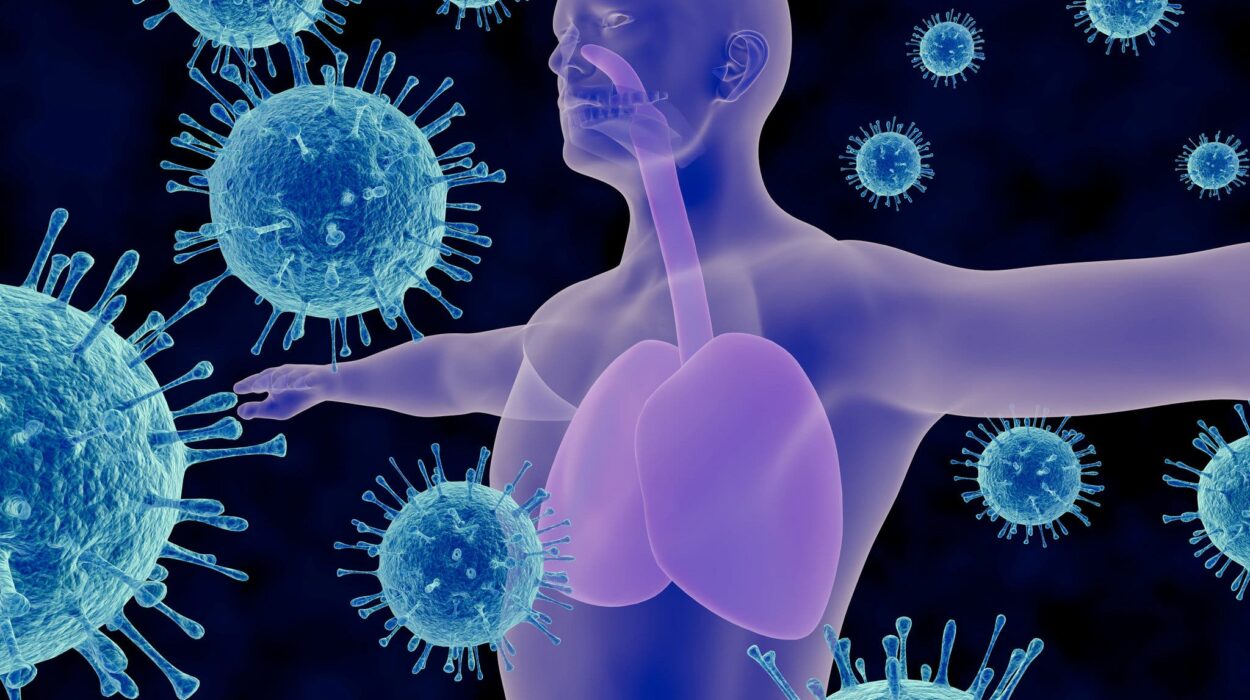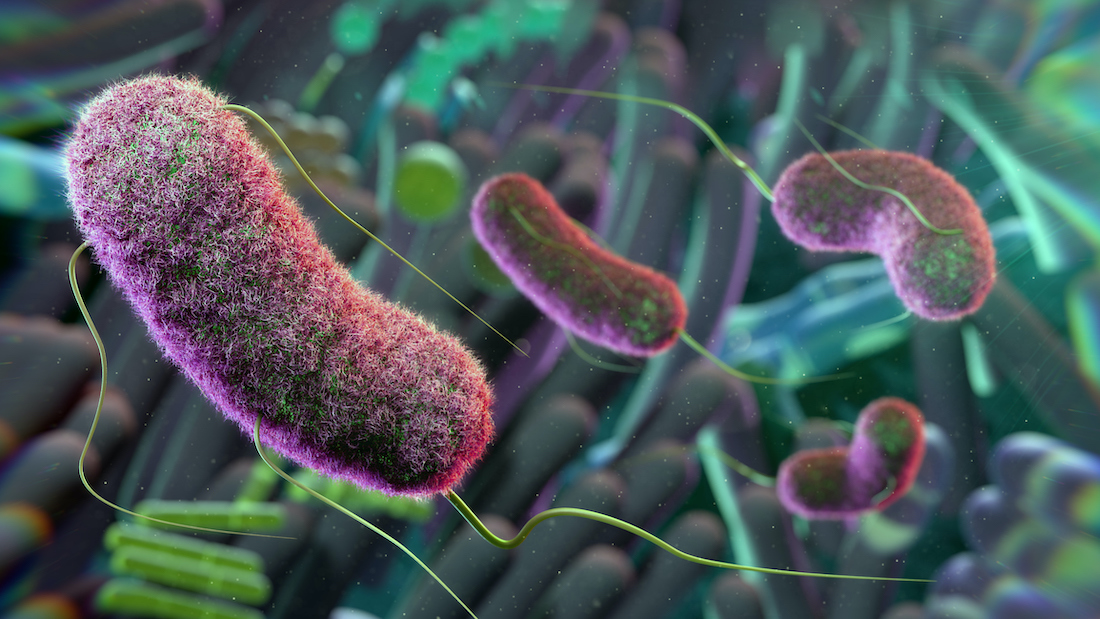
There is a quiet universe inside you, older than your memories and more active than your busiest day. It is not made of stars or galaxies, but of living organisms so small you cannot see them. They live in your digestive tract, mostly in your large intestine, and they outnumber your own human cells in ways that still surprise scientists. They are bacteria, fungi, archaea, and viruses, forming an invisible ecosystem called the gut microbiome.
For most of human history, these microbes were seen as either irrelevant or dangerous. Germs meant disease, infection, decay. But modern science has uncovered something far more complex and astonishing. Many of these microbes are not enemies at all. They are partners—chemical engineers, immune trainers, and metabolic specialists. And perhaps most intriguingly, they may be influencing your emotions.
In recent decades, researchers have discovered a growing connection between the gut microbiome and the brain. The microbes in your gut appear to play a role in how you respond to stress, how resilient you feel, and even how vulnerable you may be to anxiety or depression. This does not mean that bacteria are “controlling” you like puppets, but it does suggest that your mood may be partly shaped by the microscopic life within you.
This is not a mystical idea. It is biology. It is chemistry. It is neuroscience meeting microbiology in one of the most fascinating scientific stories of our time.
What Is the Gut Microbiome?
The gut microbiome refers to the community of microorganisms that live in your gastrointestinal tract. The majority reside in the colon, where food remnants and fiber provide a rich environment for microbial life. This microbial world is diverse. It contains hundreds, possibly thousands, of different species. Each person’s microbiome is unique, like a fingerprint, shaped by genetics, diet, early life exposure, environment, medications, and lifestyle.
These microbes are not simply floating passengers. They actively interact with your body. They digest complex carbohydrates that your own enzymes cannot break down. They produce vitamins such as vitamin K and certain B vitamins. They help regulate inflammation and contribute to the development and training of the immune system.
But beyond digestion and immunity, scientists have discovered that the microbiome also influences the nervous system, including the brain. That is where the story becomes truly startling.
The Gut-Brain Connection: A Two-Way Highway
The gut and brain are in constant communication. This communication is often referred to as the gut-brain axis. It is not a single pathway, but a network of biological connections involving nerves, hormones, immune signals, and microbial chemicals.
One of the most direct links is the vagus nerve, a large nerve that runs from the brainstem down through the neck into the abdomen. It sends signals from the brain to the gut, regulating digestion, and also sends information back from the gut to the brain. In many ways, it acts like a communication cable between your inner organs and your mind.
The gut also produces hormones and signaling molecules that influence the brain. It interacts with immune cells that can release inflammatory chemicals affecting mood and cognition. The gut microbiome, living at the center of this system, can influence all of these pathways.
This is why scientists increasingly view mental health not only as a matter of brain chemistry but also as a matter of whole-body biology.
Your emotions do not exist in isolation inside your skull. They are shaped by the body you live in.
Why Your Gut Is Sometimes Called the “Second Brain”
The digestive system contains a complex network of neurons called the enteric nervous system. This network includes hundreds of millions of nerve cells embedded in the walls of the gastrointestinal tract. It controls digestion, intestinal movement, and many gut functions independently of the brain.
Because of its complexity and semi-independence, the enteric nervous system is sometimes called the “second brain.” It does not think in the way your brain does, but it processes information, responds to stimuli, and communicates constantly with the central nervous system.
The gut is also extremely sensitive to stress and emotion. Most people have experienced it firsthand. Anxiety can cause nausea. Fear can trigger stomach cramps. Stress can lead to diarrhea or constipation. These are not imaginary sensations. They are physical effects caused by real biological signals.
Now researchers believe the communication goes both ways: the gut can influence the brain just as the brain influences the gut.
And microbes are part of that conversation.
How Microbes Produce Mood-Influencing Chemicals
One of the most fascinating discoveries about gut microbes is that they produce neuroactive compounds—chemicals that can influence nervous system function.
Certain gut bacteria can produce or influence the production of neurotransmitters, the chemical messengers used by neurons. These include serotonin, dopamine, gamma-aminobutyric acid (GABA), and norepinephrine. These neurotransmitters are strongly associated with mood regulation.
Serotonin is often called the “happiness chemical,” though it is more accurate to describe it as a neurotransmitter involved in emotional stability, appetite, sleep, and digestion. Surprisingly, the majority of serotonin in the body is not produced in the brain. It is produced in the gut, primarily by specialized cells in the intestinal lining.
Gut microbes can influence serotonin production by interacting with these intestinal cells and by producing metabolites that affect serotonin pathways.
GABA is another neurotransmitter that helps calm neural activity. It is associated with reduced anxiety and stress response. Some gut bacteria, including certain Lactobacillus and Bifidobacterium species, can produce GABA or influence its signaling indirectly.
Dopamine is involved in motivation, reward, and pleasure. While dopamine produced in the gut does not directly cross into the brain, gut microbes may influence dopamine-related pathways through immune and neural signaling.
The key point is not that gut bacteria send neurotransmitters directly into your brain like a delivery service. Most neurotransmitters cannot easily cross the blood-brain barrier, a protective filtering system around the brain. Instead, microbes influence mood through more complex biological pathways, including nerve signaling, inflammation control, and hormone regulation.
Still, the idea remains astonishing: tiny organisms in your gut are capable of producing chemicals associated with emotional life.
Short-Chain Fatty Acids: Microbial Metabolites That Shape the Brain
One of the most scientifically important ways gut microbes influence the brain is through molecules called short-chain fatty acids. These include acetate, propionate, and butyrate, produced when gut bacteria ferment dietary fiber.
These short-chain fatty acids are not just waste products. They play essential roles in health. Butyrate, for example, is a primary energy source for colon cells and helps maintain the integrity of the intestinal lining. A strong intestinal barrier prevents harmful substances from leaking into the bloodstream, reducing inflammation.
Inflammation is deeply connected to mental health. Chronic low-grade inflammation has been associated with depression, anxiety, and cognitive decline. When gut barrier function weakens—a condition sometimes called increased intestinal permeability—bacterial fragments and toxins can enter the bloodstream and trigger immune responses.
Short-chain fatty acids also influence immune regulation and may affect brain function indirectly by reducing inflammatory signaling.
Some studies suggest that butyrate can influence gene expression and neurotransmitter pathways, and it may even have neuroprotective properties. Researchers have explored its role in stress resilience and mood disorders.
In simple terms, the fiber you eat becomes fuel for microbes, and microbes turn that fuel into chemicals that can shape your mental state.
Inflammation: The Silent Link Between Gut Health and Depression
Depression is often portrayed as a purely psychological condition or as a simple chemical imbalance in the brain. But modern research increasingly suggests that depression can involve multiple biological systems, including the immune system.
Some people with depression show elevated levels of inflammatory markers in their blood. Inflammation can affect neurotransmitter function, hormone balance, and even brain structure over time. It can influence the brain’s ability to form new connections and may contribute to fatigue, low motivation, and emotional numbness.
Gut microbes can either reduce inflammation or increase it depending on the balance of species present. A healthy microbiome tends to support immune regulation, while an imbalanced microbiome—often called dysbiosis—may promote inflammatory activity.
Dysbiosis can occur due to poor diet, chronic stress, sleep disruption, infections, antibiotic use, and other environmental factors. When beneficial microbes decline and harmful microbes increase, the gut environment becomes unstable. The intestinal lining may weaken. The immune system may become overactive.
This inflammation can send chemical signals to the brain, influencing mood.
In this way, the gut microbiome can contribute to depression not by “creating sadness” directly, but by shaping the biological environment in which emotions arise.
Stress and the Microbiome: A Feedback Loop
Stress does not only affect the mind. It affects the body, including the gut.
When you are stressed, your body releases hormones such as cortisol and adrenaline. These hormones can change digestion, alter gut motility, reduce blood flow to the intestines, and even influence the immune system in the gut lining. Stress can also change the composition of gut microbes, favoring some species while reducing others.
This creates a dangerous feedback loop. Stress changes the microbiome, and microbiome changes may increase vulnerability to stress. Over time, this can make a person feel trapped in a cycle of anxiety, digestive discomfort, fatigue, and emotional instability.
This connection helps explain why chronic stress often comes with gut symptoms. It also helps explain why some people experience anxiety as a physical sensation in the stomach, not just a mental feeling.
Your gut is not just reacting to stress. It is participating in it.
Microbes and Anxiety: What the Research Suggests
Animal studies have provided some of the strongest evidence for microbiome effects on anxiety. In experiments with germ-free mice—mice raised in sterile environments without gut microbes—scientists found altered stress responses and changes in brain development. When these mice were later given specific microbes, their behavior and stress chemistry changed.
Other studies have shown that transferring gut microbes from anxious animals to calm animals can induce anxiety-like behavior in the recipients. Similarly, transferring microbes from depressed humans into rodents has been shown to produce depression-like behaviors in those animals.
These findings suggest that gut microbes are not just correlated with mental states—they may be capable of influencing them.
Human studies are more complex because humans are not laboratory-controlled organisms. Our diets, genetics, social lives, sleep patterns, and emotional experiences vary widely. Still, researchers have found patterns.
Some studies have reported differences in the gut microbiome composition of people with anxiety disorders compared to those without. Certain bacterial groups may be reduced, while others may be more common.
However, it is important to be cautious. Scientists are still debating whether microbiome changes are a cause of anxiety, a consequence of anxiety, or both. The relationship is likely bidirectional.
What is becoming clear is that the microbiome is part of the system that regulates emotional health.
The Role of the Gut in Producing Serotonin
Serotonin is central to the discussion of mood and depression. Many antidepressants work by increasing serotonin availability in the brain, though depression is far more complicated than serotonin alone.
What surprises many people is that about 90% of the body’s serotonin is produced in the gut. Most of this serotonin is used for gut motility and digestive function. It helps regulate how the intestines contract to move food along.
But gut-produced serotonin can still influence the nervous system through indirect mechanisms. It can affect vagus nerve signaling, immune function, and communication between the gut and brain.
Certain microbes can stimulate intestinal cells to produce serotonin. They may do this by producing metabolites that influence serotonin-related pathways.
This does not mean eating yogurt will instantly cure depression, and it does not mean serotonin in the gut simply travels into the brain. But it does mean that the gut microbiome is involved in serotonin biology more than most people ever imagined.
In a sense, the chemistry of happiness begins in the intestine.
The Vagus Nerve: The Microbial Telephone Line
The vagus nerve is one of the most important pathways in the gut-brain axis. It carries sensory information from the gut to the brain and helps regulate heart rate, digestion, inflammation, and stress response.
Some evidence suggests that microbes can influence mood by stimulating vagus nerve signaling. Certain bacterial metabolites may activate nerve endings in the gut lining, sending messages upward toward the brainstem. This can influence areas of the brain involved in emotion regulation.
In animal studies, researchers have shown that the mood-related effects of certain probiotics disappear when the vagus nerve is cut or blocked. This suggests that microbial effects may travel through neural signaling rather than through direct chemical transport into the brain.
The vagus nerve is like a biological bridge, translating gut conditions into emotional signals.
When your gut is inflamed or imbalanced, your brain may interpret that as danger. When your gut is stable and well-supported, your brain may receive a signal of safety.
This is one reason why gut health can feel like emotional health.
Psychobiotics: The Idea of Mood-Helping Microbes
A growing field of research explores what are sometimes called psychobiotics. This term refers to probiotics or microbial interventions that may improve mental health through the gut-brain axis.
Some strains of bacteria have shown promise in early research, particularly certain Lactobacillus and Bifidobacterium species. Studies have suggested that some probiotics may reduce stress hormone levels, improve anxiety scores, or influence depressive symptoms.
However, the evidence is still emerging. Not all probiotics are the same. Many commercial products are not backed by strong clinical research. Some contain strains that may be beneficial for digestion but not necessarily for mood.
Additionally, the microbiome is highly individual. A probiotic that helps one person may do little for another. The gut ecosystem is complex, and introducing a few bacteria is not always enough to change it in a meaningful way.
Still, the concept is powerful: mental health treatments of the future may include not only therapy and medication, but also microbiome-based approaches.
Antibiotics and Mood: When the Gut Ecosystem Is Disrupted
Antibiotics save lives. They kill dangerous bacteria and prevent infections from becoming fatal. But antibiotics are not precise weapons. They often wipe out beneficial bacteria along with harmful ones.
After antibiotic use, many people experience digestive issues. Some also report mood changes, anxiety, irritability, or brain fog. While these experiences are not universal, they raise important questions.
When the microbiome is disrupted, the gut-brain axis may become unstable. Inflammation may increase. Metabolite production may change. The balance of neurotransmitter-related compounds may shift.
Some researchers have explored whether repeated antibiotic exposure could influence long-term mental health risk, though evidence is still being studied.
This does not mean antibiotics should be feared or avoided when medically necessary. It does mean they should be used responsibly, and it highlights how intimately connected gut microbes are to overall health, including emotional stability.
Diet: Feeding Your Microbes, Feeding Your Mind
The most direct way to influence the gut microbiome is through diet. Microbes eat what you eat. If your diet is rich in fiber, plant compounds, and diverse nutrients, you feed bacteria that produce beneficial metabolites like short-chain fatty acids. If your diet is low in fiber and high in processed foods, you may starve beneficial microbes and encourage less healthy microbial patterns.
Fiber is especially important because humans cannot digest it well, but microbes can. It becomes fuel for fermentation, which supports microbial diversity and chemical balance in the gut.
Fermented foods can introduce living microbes into the digestive system. Foods like yogurt, kefir, kimchi, sauerkraut, and miso contain bacteria that may interact with gut ecosystems. Even if these microbes do not permanently colonize the gut, they may influence immune function and metabolism.
Ultra-processed foods, excessive sugar, and low-fiber diets may reduce microbial diversity, which is often considered a marker of gut health. Lower diversity has been associated with various health problems, including metabolic disorders and inflammatory conditions, and may play a role in mental health as well.
The idea is not that one food causes happiness. It is that long-term dietary patterns shape the internal ecosystem that supports emotional resilience.
Sleep and the Microbiome: The Overlooked Connection
Sleep and gut health influence each other. Poor sleep can alter gut microbial composition, and gut imbalances may affect sleep quality.
Your body operates on circadian rhythms, internal biological clocks that regulate hormones, metabolism, and brain function. The gut microbiome also shows daily rhythmic changes, influenced by meal timing, sleep patterns, and hormonal cycles.
When sleep is disrupted, the gut environment can become less stable. This may increase inflammation and affect the production of microbial metabolites. In turn, this may influence mood and stress response.
Chronic sleep deprivation is already known to increase anxiety and depression risk. The microbiome may be one of the biological pathways linking poor sleep to poor mental health.
This suggests that protecting your sleep may protect your gut, and protecting your gut may help stabilize your mood.
Childhood Microbes and Lifelong Emotional Patterns
The gut microbiome begins forming at birth. Babies acquire microbes from their mothers and from their environment. Early microbial exposure plays a role in immune system development and metabolic programming.
Some research suggests that early-life microbiome development may also influence brain development. The infant brain grows rapidly, forming connections and establishing patterns of stress response. Microbial metabolites may influence neurodevelopmental pathways.
Factors such as birth method, breastfeeding, antibiotic exposure, and early diet can influence the developing microbiome. While it would be simplistic to claim that these factors “determine” personality or mental health, they may contribute to long-term biological resilience.
The idea that early microbial experiences might influence lifelong emotional patterns is both unsettling and awe-inspiring. It suggests that mental health is shaped not only by psychology and environment, but also by biological ecosystems established before we even form memories.
Depression, the Microbiome, and the Future of Treatment
Depression is not a single disease. It is a broad category of symptoms that may have multiple causes, including genetics, trauma, social isolation, hormonal imbalance, inflammation, and neurological factors. The microbiome is unlikely to be the sole cause, but it may be a significant contributor in some individuals.
Some researchers are investigating whether microbiome profiles could someday help predict depression risk or guide personalized treatment. Others are exploring fecal microbiota transplantation, a procedure where gut microbes from a healthy donor are transferred into a recipient. This treatment is already used successfully for certain severe intestinal infections, and scientists are investigating its potential in other conditions.
There is also growing interest in dietary interventions and targeted probiotic therapies designed to support mental health. The idea is that by shifting the microbiome, it may be possible to reduce inflammation, stabilize neurotransmitter pathways, and improve mood.
However, it is important to remain scientifically cautious. The microbiome is incredibly complex, and mental health is even more complex. Many studies show associations but cannot prove causation. Some results are difficult to replicate. The field is still young, and hype can easily outpace evidence.
Still, the potential is enormous. The gut microbiome may become a major frontier in understanding and treating mood disorders.
Are Microbes Really Controlling Your Mood?
The phrase “microbes control your mood” is dramatic, and in a strict sense, it is an oversimplification. Your emotions are shaped by your experiences, your brain chemistry, your hormones, your nervous system, and your environment. Microbes are not tiny dictators making decisions for you.
But it is also wrong to dismiss their influence.
Your gut microbes produce molecules that affect inflammation, digestion, and nervous system signaling. They influence stress hormones and immune responses. They help shape the biological conditions under which emotions emerge.
They may not control your mood like a remote control, but they may tilt the balance. They may make anxiety more likely or less likely. They may influence whether stress feels manageable or overwhelming. They may affect whether your brain feels calm, alert, foggy, or restless.
In that sense, they are not the author of your emotions, but they may be part of the editing process.
You are not just a brain walking around in a body. You are an ecosystem.
The Quiet Truth Living Inside You
The most profound part of the microbiome story is what it reveals about human identity. We tend to think of ourselves as singular beings, individuals sealed inside our skin. But biologically, we are communities. We are human cells living alongside trillions of microbial companions.
These microbes are ancient. They evolved long before humans existed. And yet, they have adapted to live inside us, shaping our digestion, training our immune system, and possibly influencing our emotional life.
Your mood may feel like something private, something deeply personal, something that belongs only to you. But behind every feeling is chemistry, and behind some of that chemistry is microbial activity.
The gut microbiome is not a magical cure for depression, nor is it a simple explanation for anxiety. But it is a reminder that the mind is not isolated. The brain does not exist in a vacuum. It is connected to the body, and the body is connected to the invisible life within it.
The next time you feel anxious for no clear reason, or calm when you expected stress, or emotionally drained after weeks of exhaustion, it may be worth remembering that there is a hidden world inside you—a world of microbes constantly producing molecules, shaping immune signals, and whispering information through nerves and hormones.
You may not hear them.
But they may be speaking anyway.
Conclusion: The Gut as an Emotional Organ
The gut is far more than a digestive tube. It is an organ of communication, chemical production, and immune control. It contains a nervous system capable of complex signaling. It houses a microbial ecosystem that produces metabolites and interacts with your brain through multiple biological pathways.
The emerging science of the gut-brain axis suggests that emotional health is not only psychological. It is also biological and ecological. Mood is influenced by inflammation, hormones, sleep, diet, and microbial chemistry. The microbes in your gut may contribute to anxiety resilience, stress sensitivity, and even depressive vulnerability.
This does not reduce human emotion to bacteria. Instead, it expands the story of what it means to feel.
Your sadness, your joy, your calmness, your fear—these are not just abstract experiences. They are physical processes shaped by your whole body. And deep inside your body, hidden in darkness, living quietly in the folds of your intestines, is a community of microbes that may be helping to write the emotional soundtrack of your life.
The mind may be in the brain, but the roots of feeling may stretch far deeper than we ever imagined.