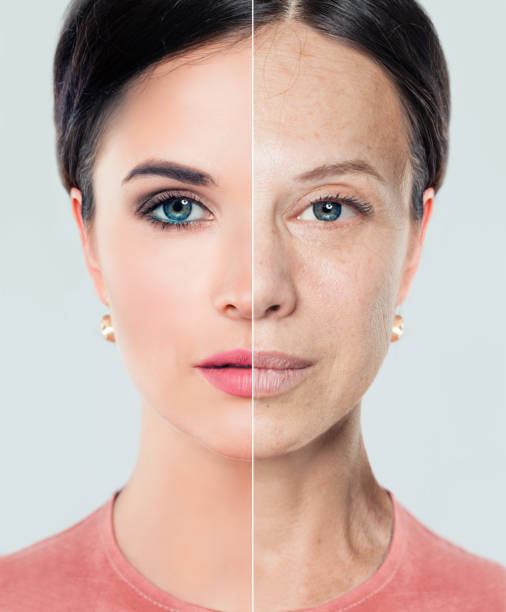
Aging is the most familiar mystery in human life. It happens quietly, patiently, almost politely at first. A wrinkle appears where smooth skin once was. Recovery from illness slows. Hair turns silver. Muscles lose strength. Memory becomes less sharp. Then, over time, the changes accumulate until the body that once seemed unstoppable begins to feel fragile.
No matter how advanced medicine becomes, no matter how intelligent or wealthy someone is, aging comes for everyone. It is one of the few experiences shared by all humans across all cultures and centuries. And yet, despite its universality, aging remains one of biology’s deepest puzzles.
Why do humans age? Why does the body, built from trillions of cells, gradually lose its ability to repair itself? Why does the system that once grew stronger in youth eventually break down?
The answer is not simple. Aging is not caused by a single process, like rust forming on metal. It is the combined result of many interacting biological mechanisms, operating over decades. Aging is the story of cells struggling to maintain order against the relentless forces of damage, mutation, wear, and time.
To understand aging is to understand life itself—because aging is not separate from living. Aging is what happens when living continues long enough.
Aging Is Not a Disease, But a Biological Process
One of the most important scientific truths about aging is that it is not classified as a single disease. It is a biological process, a gradual decline in physiological function that increases the risk of illness and death over time.
Diseases like cancer, Alzheimer’s, and heart disease are often called “age-related diseases” because they become more common as people grow older. But aging itself is not simply a collection of diseases. It is the underlying condition that makes those diseases more likely.
In youth, the body is exceptionally good at repairing itself. Cells divide efficiently. DNA damage is corrected quickly. The immune system responds aggressively to infections. Stem cells replace worn-out tissues. Proteins fold properly. Organs maintain their structure.
With age, these protective systems weaken. The body does not suddenly fail. It slowly loses its ability to defend itself against the normal stresses of life.
Aging is, in many ways, the gradual failure of maintenance.
The Cellular Foundation: Life Is Built on Fragile Machinery
Every human body is built from cells, and every cell is a miniature living factory. Cells generate energy, build proteins, copy DNA, remove waste, and communicate with neighboring cells. They are astonishingly complex systems, but they are not indestructible.
Aging begins at the cellular level because cells are the foundation of every tissue. When cells function well, organs function well. When cells accumulate damage and lose efficiency, tissues weaken. When tissues weaken, the entire body begins to decline.
Cells must constantly fight against entropy, the natural tendency for systems to fall into disorder. Living organisms survive by constantly repairing and replacing damaged components. Aging happens when the damage begins to outpace the repair.
That imbalance is at the heart of cellular breakdown.
DNA Damage: The Slow Accumulation of Genetic Scars
DNA is the instruction manual for life. It contains the code that tells cells how to build proteins, regulate growth, and maintain normal function. Every time a cell divides, it must copy its DNA. Every day, DNA is exposed to damaging forces such as ultraviolet radiation, toxins, oxidative molecules, and errors during replication.
The body has powerful DNA repair systems, and most damage is corrected. But repair is not perfect. Over time, small errors accumulate. Mutations build up in cells throughout the body.
Some mutations are harmless. Others interfere with cellular function. A few may trigger uncontrolled growth, contributing to cancer. The longer we live, the more time there is for DNA damage to accumulate and for rare but dangerous mutations to arise.
This is one reason why cancer risk increases sharply with age. Cancer is not merely bad luck; it is partly the biological cost of time.
DNA damage is like a slow graffitiing of the genome. The message remains mostly readable, but the signal becomes noisier, more corrupted, less reliable.
Telomeres: The Countdown Timer Inside Our Cells
At the ends of chromosomes are protective caps called telomeres. These are repetitive DNA sequences that act like the plastic tips at the end of shoelaces, preventing chromosomes from fraying or sticking to each other.
Every time a cell divides, its telomeres become slightly shorter. This happens because DNA replication cannot perfectly copy the very ends of chromosomes. Eventually, telomeres become too short to protect the DNA properly.
When telomeres reach a critical length, the cell enters a state called replicative senescence. In this state, the cell stops dividing permanently. It is still alive, but it can no longer contribute to tissue renewal.
Telomere shortening is not the only cause of aging, but it plays an important role. In tissues that rely on frequent cell division, such as skin, blood, and the lining of the gut, telomere shortening limits regeneration over time.
Some cells, like stem cells and reproductive cells, produce an enzyme called telomerase that can rebuild telomeres. But most adult body cells have very little telomerase activity. This helps prevent cancer, because unlimited cell division would make tumors more likely. However, the trade-off is reduced regenerative capacity with age.
Aging, in this sense, is partly the price of protection. The body restricts cell division to prevent cancer, but that restriction gradually limits repair.
Cellular Senescence: When Cells Stop Working But Refuse to Die
Senescent cells are one of the most fascinating and troubling discoveries in aging biology. These cells have stopped dividing, usually because of DNA damage, telomere shortening, or stress signals. In theory, senescence is a defense mechanism. A damaged cell that stops dividing is less likely to become cancerous.
But senescent cells do not always stay quiet.
Instead, many of them begin releasing inflammatory chemicals, growth factors, and enzymes that alter the surrounding tissue. This phenomenon is called the senescence-associated secretory phenotype. It turns senescent cells into toxic neighbors.
As senescent cells accumulate in tissues, they contribute to chronic inflammation, weaken tissue structure, and interfere with normal cell function. They can accelerate aging and increase the risk of diseases like arthritis, cardiovascular disease, and neurodegeneration.
In young bodies, the immune system removes senescent cells efficiently. But with age, immune surveillance declines, and senescent cells build up.
This creates a cruel feedback loop. Aging weakens the immune system, which allows senescent cells to accumulate, which increases inflammation, which further damages tissues and accelerates aging.
The body becomes trapped in a biological spiral.
Mitochondria: Aging and the Decline of Cellular Energy
Inside most cells are mitochondria, the organelles often called the “powerhouses” of the cell. Mitochondria convert nutrients into ATP, the molecule that powers cellular activity. Without ATP, cells cannot function.
Mitochondria are also a major source of reactive oxygen species, unstable molecules produced as byproducts of energy production. These reactive molecules can damage proteins, lipids, and DNA.
In youth, the body balances this system. It produces antioxidants and uses repair mechanisms to control oxidative damage. But over time, mitochondria themselves become damaged. Their DNA mutates. Their membranes degrade. Their efficiency declines.
Damaged mitochondria produce less energy and more harmful reactive molecules, which in turn cause more damage to the cell. This contributes to fatigue, muscle weakness, slower healing, and decline in organ function.
Mitochondrial dysfunction is especially important in tissues with high energy demands, such as the brain, heart, and muscles. These are also the tissues that often show the most obvious age-related decline.
Aging is, in part, the slow dimming of the body’s energy engines.
Oxidative Stress: The Long Battle Against Molecular Corrosion
For decades, scientists have studied oxidative stress as a driver of aging. Oxidative stress occurs when reactive oxygen species overwhelm the body’s antioxidant defenses. These reactive molecules can damage cellular components, much like rust slowly corroding metal.
This idea is connected to the free radical theory of aging, which suggests that accumulated oxidative damage is a major cause of aging. While modern research has shown that aging is more complex than oxidative stress alone, oxidative damage remains an important piece of the puzzle.
Oxidative stress can damage DNA, disrupt cell membranes, and cause proteins to misfold. Over time, the cumulative effect is cellular dysfunction.
However, reactive oxygen species are not purely harmful. They also play roles in cellular signaling and immune defense. The body needs some oxidative activity to function properly. Aging is not simply a matter of “too many free radicals,” but rather a breakdown in the balance between damage and repair.
In youth, balance is maintained. In age, the scale tips.
Protein Misfolding and Cellular Garbage: When the Cleanup System Fails
Cells constantly build proteins, and proteins are the functional machinery of life. Enzymes, receptors, structural components, and signaling molecules are all proteins. For proteins to work properly, they must fold into precise shapes.
But protein folding is delicate. Heat, stress, oxidative damage, and genetic errors can cause proteins to fold incorrectly. Misfolded proteins may become useless or even toxic. They can clump together, forming aggregates that interfere with cell function.
The body has systems to manage this. Molecular chaperones help proteins fold correctly. Proteasomes break down damaged proteins. Autophagy, a cellular recycling process, removes dysfunctional components.
With age, these cleanup systems decline. Proteasome activity decreases. Autophagy becomes less efficient. Misfolded proteins accumulate.
This is especially important in the brain. Diseases like Alzheimer’s and Parkinson’s are strongly linked to protein aggregation. Beta-amyloid plaques and tau tangles in Alzheimer’s, and alpha-synuclein clumps in Parkinson’s, represent protein waste that the aging brain struggles to clear.
Aging is not only damage. It is also the failure to remove damage.
In a young body, cells are clean, organized, and efficient. In an aging body, cellular clutter builds up like trash in a city where the garbage trucks no longer arrive on time.
Stem Cell Exhaustion: The Decline of Regeneration
Stem cells are the body’s repair reserve. They can divide and differentiate into specialized cells, replacing damaged tissues. Stem cells maintain the skin, blood, intestinal lining, and muscle repair.
As we age, stem cell function declines. Some stem cells become senescent. Others accumulate DNA damage. Their environment, called the stem cell niche, becomes less supportive. Chronic inflammation disrupts their ability to regenerate tissue effectively.
This decline helps explain why wounds heal slower in older people, why muscles shrink, why immune function weakens, and why organs lose resilience.
Stem cell exhaustion is one of the most critical factors in aging because it represents the body’s diminishing ability to rebuild itself.
The body is not simply breaking down. It is losing the tools required to rebuild.
Chronic Inflammation: The Fire That Never Fully Goes Out
Inflammation is part of the immune system’s defense strategy. When you get an infection or injury, inflammation helps kill pathogens, remove damaged cells, and initiate healing. It is essential for survival.
But with age, inflammation often becomes chronic and low-grade. This phenomenon is sometimes called inflammaging. It is driven by senescent cells, immune system dysfunction, accumulated cellular debris, and changes in gut microbiota.
Chronic inflammation damages tissues slowly but continuously. It contributes to cardiovascular disease, diabetes, arthritis, neurodegeneration, and many cancers.
Inflammation is like fire. In the right context, it protects and cleans. When it burns constantly, it destroys.
Aging is partly the story of the immune system losing its precision, turning from a sharp weapon into a blunt force that harms the body it was meant to protect.
Immune System Aging: When Defense Becomes Weak and Confused
The immune system changes dramatically with age. One key feature is immunosenescence, the gradual decline in immune function.
Older immune systems are less effective at responding to new infections. This is why elderly people are more vulnerable to influenza, pneumonia, and emerging viruses. Vaccines also tend to work less effectively in older populations because immune memory formation becomes weaker.
At the same time, the immune system becomes more prone to inappropriate activation. Autoimmune reactions and chronic inflammation become more common.
This creates a dangerous paradox: the aging immune system is simultaneously weaker and more inflammatory.
It is less capable of defending against threats but more likely to harm the body through misdirected responses. This contributes to frailty, slower recovery, and increased disease risk.
Epigenetics: When the Genome’s Instructions Get Misread
Your DNA sequence remains mostly stable throughout your life, but the way your genes are used changes. This is controlled by epigenetics, chemical modifications that regulate gene expression without changing the DNA code itself.
Epigenetic markers tell cells which genes to activate and which to silence. They are essential for maintaining cell identity. A liver cell must behave like a liver cell, and a brain cell must behave like a brain cell, even though they share the same DNA.
With age, epigenetic regulation becomes less precise. Some genes become improperly activated. Others become silenced when they should not be. Cells begin to lose their specialized identity and function.
This phenomenon is sometimes described as epigenetic drift. It is like a complex orchestra gradually falling out of tune. The instruments are still there, but the coordination weakens.
Interestingly, epigenetic changes are so closely tied to aging that scientists have developed “epigenetic clocks,” which estimate biological age based on patterns of DNA methylation. These clocks can sometimes predict health outcomes better than chronological age.
This suggests that aging is not just about damage. It is also about miscommunication—cells gradually losing the ability to read their own instructions correctly.
Cellular Communication Breakdown: When Tissues Lose Coordination
In youth, cells communicate efficiently through hormones, neurotransmitters, immune signals, and growth factors. This coordination allows the body to respond to injury, regulate metabolism, and maintain homeostasis.
With age, communication becomes disrupted. Hormone levels change. Insulin signaling becomes less effective. Growth hormone and sex hormones decline. Neurotransmitter systems may weaken. Inflammatory signaling increases.
Cells begin to behave less cooperatively. Some act as if the body is under constant stress. Others become unresponsive. The result is metabolic imbalance, reduced repair, and increased vulnerability to disease.
Aging is not just the breakdown of individual cells. It is the breakdown of teamwork.
The body is a society of trillions of cells. Aging is what happens when that society becomes less coordinated, less trusting, and less efficient.
Why Does Aging Exist at All?
One of the most profound questions is not how aging happens, but why it happens. Why would evolution allow such a destructive process?
The answer lies in natural selection. Evolution favors traits that improve reproductive success, not necessarily traits that guarantee long life. If a genetic trait helps an organism survive long enough to reproduce, it can be passed on, even if it causes problems later in life.
This concept is known as antagonistic pleiotropy. A gene might be beneficial early in life but harmful later. For example, strong inflammatory responses are useful for fighting infection in youth, but chronic inflammation later may contribute to aging-related disease.
Another concept is the disposable soma theory. It suggests that organisms have limited energy resources and must allocate them between reproduction and body maintenance. Evolution tends to favor reproduction over indefinite repair, meaning the body is “maintained well enough” to reproduce but not optimized for immortality.
From an evolutionary perspective, aging is not necessarily a programmed death sentence. It is the outcome of biological systems that were never designed to last forever.
We are built to survive long enough to pass on genes. Everything beyond that is a bonus—one that modern medicine has extended dramatically.
The Role of Lifestyle: Why Aging Speeds Up or Slows Down
While aging is inevitable, the speed and severity of aging vary greatly between individuals. Lifestyle and environment strongly influence how quickly cellular breakdown occurs.
Smoking introduces toxins that damage DNA and accelerate inflammation. Poor diet can lead to metabolic dysfunction and oxidative stress. Chronic stress alters hormone systems and immune function. Lack of sleep disrupts cellular repair. Sedentary behavior reduces muscle maintenance and mitochondrial health.
On the other hand, regular exercise improves mitochondrial function, reduces inflammation, and supports cardiovascular health. Balanced nutrition provides essential molecules for repair. Adequate sleep allows cellular cleanup processes to operate. Avoiding toxins reduces the burden of damage.
Lifestyle does not stop aging, but it can significantly influence biological age. In other words, you cannot stop the clock, but you can influence how much damage accumulates as it ticks.
Aging is both destiny and consequence.
Why Aging Leads to Disease
Aging increases disease risk because it weakens the body’s protective systems and increases accumulated damage. When cells are young, they resist cancer, clear waste, regulate metabolism, and maintain tissue structure. When cells are old, these systems fail more often.
Cancer becomes more likely because mutations accumulate and immune surveillance weakens. Cardiovascular disease becomes more common because blood vessels stiffen, inflammation rises, and lipid metabolism becomes disrupted. Neurodegenerative diseases become more common because protein waste accumulates and brain cells lose resilience. Diabetes becomes more common because insulin signaling becomes impaired and inflammation disrupts metabolism.
Aging is not a single pathway to death. It is a broad weakening of the body’s defenses, making many diseases possible.
This is why aging is sometimes described as the greatest risk factor for nearly every major cause of death.
Can Science Slow or Reverse Aging?
In recent decades, aging research has transformed. Scientists no longer treat aging as an unchangeable mystery. They increasingly view it as a biological process that may be modifiable.
Experiments in animals have shown that certain interventions can extend lifespan and improve healthspan, the period of life spent in good health. Caloric restriction has extended lifespan in multiple species, likely by influencing metabolism and cellular repair pathways. Drugs like rapamycin and metformin are being studied for their effects on aging-related pathways. Senolytic drugs, which aim to remove senescent cells, have shown promise in animal studies for improving tissue function.
Researchers are also exploring ways to enhance autophagy, improve mitochondrial health, and reset epigenetic markers. Some experimental techniques, inspired by cellular reprogramming research, suggest that aspects of biological age might be partially reversible.
However, it is important to remain grounded. Extending lifespan in mice is not the same as extending lifespan in humans. Human aging is complex, and interventions must be safe over decades. The dream of dramatically reversing aging remains unproven in clinical reality.
What science can already do is extend life expectancy by reducing disease risk and improving health care. Whether we will one day meaningfully slow biological aging itself is still an open question.
But the fact that scientists can even ask that question seriously is a sign of how far biology has come.
The Deeper Truth: Aging Is the Price of Complexity
Humans are incredibly complex organisms. We have long lifespans compared to many species. Our brains require enormous energy. Our immune systems are sophisticated. Our tissues are highly specialized.
This complexity comes at a cost. The more complicated a system is, the more ways it can fail. Every cell is an intricate machine. Every organ is a network of fragile interactions. Every biological process depends on thousands of molecular events happening correctly.
Aging is the gradual increase in error.
It is the slow decline of repair, the accumulation of damage, the weakening of coordination, and the loss of resilience. It is not one breakdown, but millions of small breakdowns across trillions of cells.
Aging is not a switch that flips. It is a tide that rises.
Conclusion: Why Humans Age
Humans age because our cells and tissues accumulate damage over time, and the body’s repair systems gradually lose efficiency. DNA becomes scarred by mutations. Telomeres shorten, limiting cell division. Senescent cells build up, releasing inflammatory signals. Mitochondria lose power and generate harmful byproducts. Protein waste accumulates as cellular cleanup systems weaken. Stem cells lose regenerative capacity. The immune system becomes less effective and more inflammatory. Epigenetic regulation drifts, causing cells to misread genetic instructions. Communication between tissues becomes less coordinated.
All of these processes overlap, interact, and amplify one another.
Aging is not one enemy. It is a whole battlefield.
And yet, despite the harshness of aging, there is something remarkable about it. The human body can function for decades under constant stress, constant exposure to damage, and constant molecular wear. Even as it weakens, it continues to heal, adapt, and survive.
Aging is not simply decay. It is endurance.
Every wrinkle, every scar, every slowed heartbeat is proof that the body has resisted time longer than biology ever promised it would.
Science may one day learn how to slow aging significantly, perhaps even rewrite parts of its cellular script. But even now, understanding aging reveals a deeper truth: life is not built to last forever, yet it fights to persist anyway.
And that struggle—silent, cellular, relentless—is what makes being human both fragile and extraordinary.