Love feels timeless when we are inside it, yet a breakup can make time feel distorted, stretched, or suddenly empty. One day, a familiar voice is part of your nervous system; the next, its absence feels physically painful. This experience is not imagined, exaggerated, or purely emotional. A breakup is a profound biological event. Inside the brain, networks that evolved to keep humans bonded, safe, and socially connected are suddenly disrupted. Understanding the science of what happens to the brain during a breakup does not remove the pain, but it explains why the pain is so real, so consuming, and so difficult to escape.
Love is not just poetry or culture. It is chemistry, circuitry, and survival logic written into the nervous system over millions of years. When love ends, the brain reacts not as if something pleasant has stopped, but as if something essential has been torn away. To understand heartbreak, we must first understand how love lives in the brain.
Love as a Biological Bond, Not Just a Feeling
Romantic love is built on neural systems originally designed for survival. Humans evolved as social creatures who depended on long-term bonds for protection, reproduction, and care of offspring. The brain treats close relationships as vital resources, not optional luxuries. When love forms, the brain wires another person into its core sense of safety and reward.
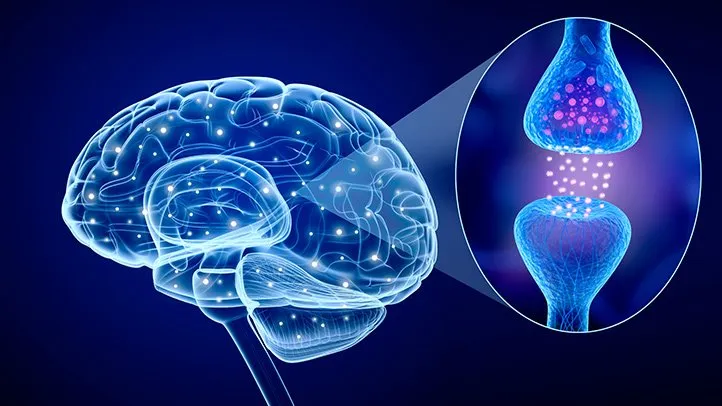
Neurochemicals such as dopamine, oxytocin, and vasopressin play central roles in this process. Dopamine fuels motivation and desire, making a partner feel intensely rewarding and attention-grabbing. Oxytocin and vasopressin deepen attachment, reinforcing trust, bonding, and emotional security. Over time, the brain learns that this specific person predicts comfort, pleasure, and emotional regulation.
This learning is not metaphorical. Neural pathways strengthen with repeated interaction. The brain literally changes its structure and activity patterns around a loved one. Their presence becomes associated with calm, joy, meaning, and even identity. When love is stable, the brain feels anchored. When love is lost, that anchor is violently removed.
The Brain’s Alarm System During a Breakup
When a breakup occurs, the brain does not interpret it as a simple emotional disappointment. It registers it as a threat. Social bonds are processed in many of the same neural regions involved in physical pain and survival danger. Brain imaging studies show that social rejection activates areas such as the anterior cingulate cortex, which is also involved in the distress of physical injury.
This overlap explains why heartbreak can feel like a wound. The pain is not symbolic. The brain uses the same circuitry to signal that something is deeply wrong. From an evolutionary perspective, this makes sense. For early humans, social separation could mean death. The brain evolved to treat loss of attachment as an emergency.
Stress hormones surge during this period. Cortisol levels rise, placing the body in a state of heightened alert. Sleep becomes disturbed. Appetite changes. Concentration collapses. The nervous system shifts into survival mode, scanning for danger even when none is physically present. The brain is trying, desperately, to restore the lost bond.
Dopamine Withdrawal and the Addiction-Like Crash
One of the most destabilizing aspects of a breakup is the sudden collapse of the brain’s reward system. Romantic love strongly engages dopamine pathways, the same circuits involved in motivation, craving, and addiction. A loved partner becomes a primary source of dopamine release.
When the relationship ends, the brain experiences something similar to withdrawal. The expected source of reward disappears, but the neural expectation remains. This mismatch produces craving, obsession, and intrusive thoughts. You may find yourself replaying memories, checking messages, or imagining reunions not because you are weak, but because your brain is trying to regain a lost source of reward.
Studies have shown that images of an ex-partner can activate the brain’s reward centers even after rejection. This explains why logical understanding of a breakup rarely stops emotional longing. The rational brain knows it is over, but the reward system is still firing signals of desire and pursuit.
This dopamine-driven state can also explain impulsive behaviors after breakups. People may seek sudden pleasures, risky behaviors, or intense distractions. The brain is hunting for anything that can replace the missing reward, even temporarily.
Oxytocin, Attachment, and the Pain of Separation
Oxytocin is often called the “bonding hormone,” but its role is deeper and more complex. It helps encode emotional closeness, trust, and the sense of “us.” During a relationship, oxytocin release reinforces the feeling that another person is emotionally safe and familiar.
When a breakup occurs, oxytocin levels drop, but the brain’s attachment circuitry does not immediately reset. The result is a feeling of emotional hunger. You may feel touch-deprived, emotionally unmoored, or deeply lonely even when surrounded by others. The brain is missing a specific attachment figure, not just company.
This is why replacement relationships or casual interactions often fail to soothe heartbreak. The attachment system is selective. It does not easily transfer its bonds. Rebuilding attachment requires time, repeated positive interactions, and emotional safety.
The distress of separation is especially intense for individuals with anxious attachment styles, whose brains are more sensitive to perceived abandonment. However, even securely attached individuals experience profound neurochemical disruption after a breakup. No one is immune.
Memory, Rumination, and the Looping Mind
During heartbreak, memory systems become unusually active. The hippocampus, which plays a role in memory formation and retrieval, works closely with emotional centers like the amygdala. Together, they create vivid recollections infused with emotional intensity.
This is why memories of a relationship can feel sharper after it ends. Moments that once felt ordinary become painfully luminous. The brain is searching the past for explanations, mistakes, and lost chances. This rumination is not a personal failure. It is a neural attempt to make sense of loss and regain control.
Unfortunately, this process can trap the brain in repetitive loops. Stress hormones impair the brain’s ability to regulate these thoughts, while emotional centers continue to trigger them. This creates the familiar cycle of knowing you should stop thinking about someone while feeling unable to do so.
Over time, as stress levels decrease and new experiences form, these memory loops weaken. The brain gradually recontextualizes the relationship as part of the past rather than an urgent present.
Identity Disruption and the Social Brain
Long-term relationships do not only bond two people emotionally; they intertwine identities. The brain encodes shared routines, goals, and self-concepts. Phrases like “we” are not just linguistic habits but reflections of neural integration.
When a breakup happens, this shared identity collapses. The brain must renegotiate who you are without the other person. This can feel disorienting and frightening. People often report feeling like they do not recognize themselves, or that part of them is missing. Neuroscience supports this experience. Regions involved in self-referential processing show altered activity during periods of social loss.
The social brain is also highly sensitive to exclusion. Humans are wired to monitor social standing and belonging. A breakup can trigger feelings of shame, rejection, or inadequacy even when the relationship ended for complex or mutual reasons. These feelings arise from ancient neural systems designed to keep individuals integrated within their group.
The Amygdala and Emotional Volatility
The amygdala plays a key role in emotional processing, especially fear and threat detection. During a breakup, heightened stress and uncertainty can increase amygdala reactivity. This leads to emotional volatility, sudden waves of sadness, anger, panic, or longing that feel disproportionate or uncontrollable.
Small reminders can trigger intense emotional responses because the brain is in a hypervigilant state. Songs, places, smells, or random thoughts can activate emotional memory networks. The nervous system responds as if the loss is happening all over again.
This does not mean healing is failing. It means the emotional brain is slowly recalibrating. With time and repeated experiences of safety, the amygdala’s sensitivity decreases, allowing emotions to stabilize.
Sleep, Appetite, and the Body-Brain Connection
Heartbreak affects the entire body because the brain governs bodily regulation. Elevated cortisol disrupts sleep cycles, making it difficult to fall asleep or stay asleep. REM sleep, which plays a role in emotional processing, can become fragmented, prolonging emotional distress.
Appetite changes are also common. Some people lose interest in food, while others eat more as a form of emotional regulation. These changes reflect shifts in neurotransmitters that influence hunger, reward, and stress.
The immune system can also be affected. Chronic stress has been linked to increased inflammation and lowered immune response. This is one reason people often get sick after intense emotional upheaval. The body is responding to prolonged neural stress signals.
Depression, Anxiety, and the Risk of Prolonged Distress
For some individuals, a breakup can trigger clinical depression or anxiety, especially if there are preexisting vulnerabilities. The loss of a major attachment figure can destabilize mood-regulating systems in the brain. Dopamine and serotonin balance may be disrupted, leading to persistent low mood, hopelessness, or heightened anxiety.
This does not mean that heartbreak and depression are the same. Heartbreak is a natural response to loss. Depression involves sustained changes in brain chemistry and function that go beyond situational sadness. However, the two can overlap, and heartbreak can act as a trigger.
Understanding the biological dimension of this risk is important. Seeking support is not a sign of weakness but a recognition that the brain sometimes needs help to rebalance itself.
Healing as Neural Rewiring, Not Forgetting
Healing from a breakup is often misunderstood as forgetting or erasing love. Neuroscience suggests something different. Healing is the gradual rewiring of neural associations. The brain learns, slowly, that safety, reward, and identity can exist without the lost relationship.
This process takes time because neural pathways do not disappear instantly. They weaken through disuse and are replaced through new experiences. Each moment of coping, each new routine, each supportive interaction helps build alternative circuits.
Importantly, the brain does not need the relationship to have been “wrong” in order to heal. Even healthy, loving relationships can end, and the brain can still adapt. Meaning is not erased; it is integrated.
Why Time Really Does Help
The phrase “time heals” can feel dismissive, but neuroscience gives it substance. Time allows stress hormones to normalize. It allows sleep patterns to recover. It allows new neural connections to form. Most importantly, it allows the emotional brain to learn that survival is possible without the lost bond.
Time alone is not passive. It is filled with experiences that teach the brain new associations. Laughter without the ex. Safety without the ex. Identity beyond the ex. These moments may feel small, but they are biologically powerful.
Eventually, reminders that once triggered pain begin to feel neutral or bittersweet rather than overwhelming. This shift reflects real changes in brain activity, not mere emotional suppression.
Love, Loss, and the Brain’s Capacity for Renewal
The same brain systems that make breakups so painful are the ones that make love meaningful. The capacity to bond deeply, to attach, and to care intensely is not a flaw. It is a feature of being human.
Neuroscience shows that the brain remains plastic throughout life. It can form new bonds, new attachments, and new sources of meaning even after profound loss. The pain of a breakup is evidence that love mattered, that neural circuits were richly developed.
Understanding the science of love and loss does not make heartbreak painless, but it can make it less lonely. It reveals that your suffering is not a personal failure, but a natural response of a brain designed for connection.
The Quiet Transformation After Heartbreak
Eventually, often without dramatic realization, the brain settles. Thoughts of the past no longer dominate. Emotional spikes soften. The nervous system learns a new baseline. You may not notice the exact moment this happens, but one day you realize that breathing feels easier.
This transformation is not about becoming hardened or detached. It is about becoming integrated. The experience of love becomes part of your neural story, not a wound that defines you.
From a scientific perspective, a breakup is one of the most intense forms of neural learning and adaptation the brain undergoes. From a human perspective, it is one of the most painful and meaningful transitions in life.
Love changes the brain. Loss changes it again. And in that cycle of connection and separation, the brain reveals its extraordinary capacity to feel, to suffer, and ultimately, to heal.