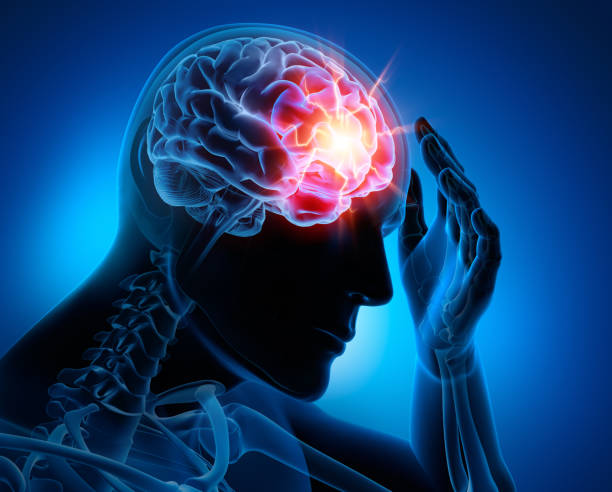
Depression is often spoken about as a disorder of mood, a sadness of the mind, a heaviness of the heart. Yet for millions of people, depression is not experienced only as emotional suffering. It aches. It burns. It tightens the chest, drains the body, and settles into muscles like an invisible weight. Many people with depression describe pain that feels as real and intrusive as a broken bone or chronic illness. This is not imagination, exaggeration, or weakness. It is the brain translating emotional distress into physical sensation.
To understand why depression can feel like physical pain, we must first let go of the false boundary between mind and body. Neuroscience has shown again and again that emotions are not abstract experiences floating somewhere above the physical self. They are biological events, shaped by neural circuits, chemical messengers, and electrical signals. When depression alters the brain, it alters the body too. Emotional suffering does not merely resemble physical pain; at the level of the nervous system, the two are deeply intertwined.
The Brain Does Not Separate Emotional and Physical Pain
The human brain did not evolve to neatly categorize pain into emotional and physical boxes. Pain, in evolutionary terms, is a warning signal. Whether the threat is a sharp object piercing the skin or social rejection threatening survival within a group, the brain responds with similar urgency. Neuroscience has revealed that emotional pain and physical pain activate overlapping brain regions, particularly areas involved in threat detection, distress, and survival.
When a person experiences depression, the brain’s pain-processing systems often become hypersensitive. This means that signals associated with sadness, loss, or hopelessness can activate neural circuits that also respond to physical injury. The result is an experience where emotional distress is felt in the body as aches, pressure, fatigue, or even sharp pain.
This overlap explains why phrases like “heartache” or “gut-wrenching grief” exist across cultures and languages. These metaphors did not arise by accident. They reflect the way the brain genuinely links emotional suffering to physical sensation.
The Role of the Anterior Cingulate Cortex in Suffering
One of the key brain regions involved in this overlap is the anterior cingulate cortex. This area plays a central role in processing pain, emotional distress, and social rejection. When someone experiences physical pain, this region becomes active. When someone experiences emotional pain, such as loneliness or loss, the same region often lights up.
In depression, the anterior cingulate cortex frequently shows altered activity. It becomes more reactive, more sensitive, and less able to regulate distress. This heightened activity can amplify both emotional and physical pain signals. The brain essentially turns up the volume on suffering, making every negative experience feel more intense and harder to escape.
This neurological amplification helps explain why depression is not simply sadness but a pervasive, exhausting experience that affects the entire body. The brain is locked into a state of heightened distress, interpreting emotional signals as threats that demand constant attention.
Neurotransmitters and the Chemistry of Pain
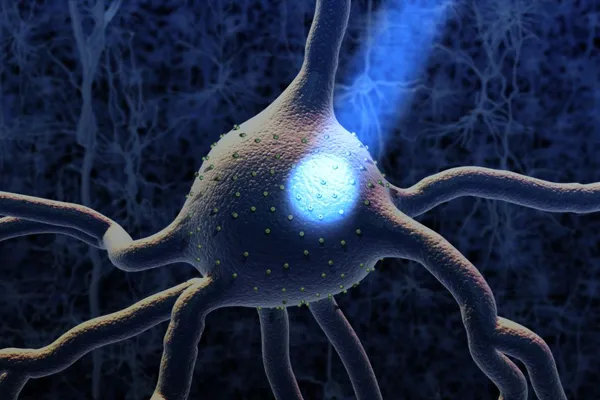
Depression is associated with changes in neurotransmitters, the chemical messengers that allow neurons to communicate. These chemicals do not only influence mood; they also play a crucial role in pain perception. When their balance is disrupted, the brain’s ability to regulate pain is compromised.
Serotonin, for example, is deeply involved in both mood regulation and pain modulation. Low or dysregulated serotonin levels can increase sensitivity to pain, making even minor discomfort feel overwhelming. Norepinephrine, another neurotransmitter implicated in depression, helps the brain respond to stress and pain. When its signaling is altered, the body may remain stuck in a state of tension and hypervigilance.
Dopamine, often associated with pleasure and motivation, also influences how pain is experienced. In depression, reduced dopamine activity can make the brain less capable of dampening pain signals. This can contribute to the dull, aching, or heavy sensations many people with depression report.
These chemical changes mean that depression does not merely coexist with physical pain; it actively reshapes the nervous system’s response to it.
Stress Hormones and the Body’s Alarm System
Depression is closely linked to chronic stress, and stress profoundly affects the body. The brain’s stress-response system, designed to protect us from danger, becomes overactive in many people with depression. This system releases hormones that prepare the body to fight or flee, increasing heart rate, muscle tension, and alertness.
When stress hormones remain elevated for long periods, they can cause widespread physical discomfort. Muscles remain tense, leading to aches and stiffness. The immune system becomes dysregulated, contributing to inflammation and pain. Sleep is disrupted, reducing the body’s ability to repair itself. Over time, the body begins to feel worn down, sore, and fragile.
This chronic activation of the stress response helps explain why depression often feels physically exhausting. The body is stuck in a state of emergency, burning energy without relief.
Inflammation as a Bridge Between Mind and Body
One of the most important discoveries in modern neuroscience and medicine is the role of inflammation in depression. Inflammation is the body’s natural response to injury or infection, but when it becomes chronic, it can cause pain and contribute to disease.
Research has shown that many people with depression have elevated markers of inflammation in their bodies. These inflammatory signals can influence the brain, altering mood, motivation, and pain sensitivity. Inflammatory molecules can interact with neural circuits involved in pain, making the body more sensitive to discomfort.
This biological link helps explain why depression is often accompanied by headaches, back pain, joint pain, and gastrointestinal distress. The suffering is not imagined. It is written into the body’s chemistry.
The Gut-Brain Connection and Physical Distress
The gut and the brain communicate constantly through neural, hormonal, and immune pathways. Depression can disrupt this communication, leading to digestive problems and visceral pain. Many people with depression experience nausea, stomach cramps, bloating, or changes in appetite.
The gut contains a vast network of neurons and produces many of the same neurotransmitters found in the brain. When depression alters brain chemistry, the effects can ripple through the digestive system. At the same time, gut inflammation and discomfort can send distress signals back to the brain, reinforcing emotional pain.
This two-way communication creates a feedback loop where emotional suffering and physical discomfort feed into each other, making both harder to escape.
How Depression Alters Pain Thresholds
People with depression often have lower pain thresholds, meaning they feel pain more easily and more intensely. This is not because they are weaker or less resilient. It is because depression changes how the brain processes sensory information.
Neural circuits that normally help filter out irrelevant or mild sensations become less effective. The brain becomes more focused on negative stimuli, including pain. This heightened sensitivity can turn ordinary bodily sensations into sources of distress.
At the same time, depression reduces the brain’s ability to activate its natural pain-relief systems. Normally, the brain can release chemicals that dampen pain signals, but in depression, this system may be impaired. The result is a body that feels constantly under assault.
The Weight of Fatigue and Bodily Heaviness
One of the most common physical experiences of depression is profound fatigue. This is not ordinary tiredness that improves with rest. It is a deep, pervasive exhaustion that affects every movement and thought.
This fatigue has neurological roots. Depression alters energy regulation in the brain, reducing motivation and slowing neural processing. It also disrupts sleep, further draining physical reserves. The stress and inflammation associated with depression place additional demands on the body, leaving little energy for recovery.
Many people describe this fatigue as a physical heaviness, as if gravity itself has increased. Getting out of bed, lifting an arm, or even breathing deeply can feel like monumental tasks. This bodily burden reinforces emotional despair, creating a cycle of suffering.
Social Pain and the Brain’s Survival Circuits
Human beings are social creatures, and social connection is essential for survival. The brain treats social rejection, isolation, and loss as serious threats. In depression, feelings of loneliness and disconnection are common, and the brain processes these experiences as pain.
Neuroscience has shown that social pain activates many of the same neural pathways as physical pain. This makes sense from an evolutionary perspective. Being excluded from a group once meant increased risk of death. The brain evolved to respond to social threats with intense distress.
In depression, social pain can become chronic. Feelings of worthlessness, abandonment, or invisibility can keep the brain’s pain circuits constantly active. This contributes to the sense that depression hurts not only emotionally but physically.
Memory, Trauma, and the Body’s Pain Response
For many people, depression is linked to past trauma or prolonged stress. Traumatic experiences can leave lasting imprints on the nervous system, sensitizing it to future pain. The brain learns to expect danger and responds accordingly.
Trauma can alter how the brain processes both emotional and physical sensations. Memories of past suffering can trigger pain responses even in the absence of current threat. The body reacts as if harm is imminent, tightening muscles and amplifying discomfort.
This connection between memory and pain helps explain why depression can feel like a constant echo of past suffering, replayed not just in the mind but in the body itself.
The Silence of Invisible Pain
One of the most painful aspects of depression-related physical suffering is its invisibility. Unlike a broken bone or visible wound, the pain of depression often leaves no outward marks. This can lead to misunderstanding, dismissal, or self-doubt.
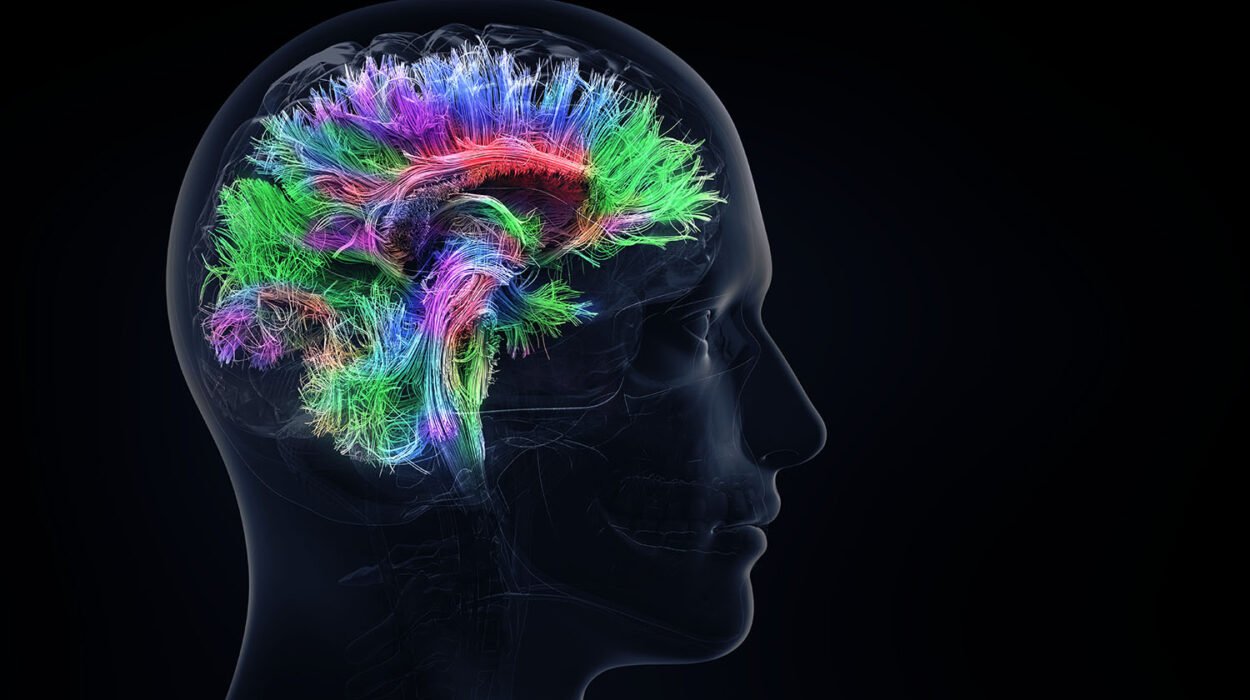
Neuroscience offers validation. Brain imaging and biological research confirm that depression involves real changes in neural activity, chemistry, and physiology. The pain is not imagined. It is measurable, observable, and deeply real.
Understanding this can be profoundly relieving for those who suffer. It replaces shame with explanation and self-blame with compassion.
Why Language Fails to Capture the Experience
People with depression often struggle to describe their pain. Words like “sad” or “tired” feel inadequate. The experience is more complex, more physical, more consuming.
This difficulty reflects the brain’s integrated nature. Emotional and physical experiences are not separate channels but intertwined processes. Language, however, tends to separate them. Neuroscience reminds us that suffering does not respect these boundaries.
Metaphors emerge because literal language falls short. Descriptions of crushing weight, burning emptiness, or aching hollowness attempt to bridge the gap between inner experience and outer expression.
The Role of Attention and Rumination
Depression often involves rumination, a repetitive focus on negative thoughts and feelings. This mental pattern can intensify physical pain by directing attention toward bodily discomfort. The brain amplifies whatever it attends to.
When attention is constantly drawn to distress, pain signals become more prominent. Neural pathways associated with suffering are reinforced, making pain feel more intense and persistent. This does not mean the pain is voluntary. It reflects how attention shapes neural activity.
Understanding this mechanism highlights the deep connection between thought, emotion, and physical sensation in depression.
The Evolutionary Roots of Emotional Pain
Emotional pain exists for a reason. It evolved to guide behavior, signal danger, and promote survival. Sadness can encourage withdrawal and reflection after loss. Social pain can motivate reconnection. Physical pain protects the body from harm.
Depression, however, represents a breakdown of these adaptive systems. Pain becomes chronic, disproportionate, and disconnected from immediate threat. The brain’s warning signals lose their usefulness and become sources of suffering.
This perspective helps frame depression not as a personal failure but as a malfunction of systems that once served a protective purpose.
Why Rest Alone Does Not Heal the Pain
Many people are surprised that physical rest does not relieve the bodily pain of depression. Sleep, relaxation, and inactivity may even worsen the experience. This is because the pain originates in neural and biochemical processes, not physical injury alone.
Without addressing the underlying brain changes, rest cannot reset the system. The nervous system remains stuck in a state of distress. This explains why depression-related pain can persist even in the absence of physical exertion.
This understanding emphasizes that depression is not laziness or lack of effort. It is a condition rooted in the brain’s functioning.
The Deep Loneliness of Embodied Suffering
Depression-related pain often creates isolation. When the body hurts and the mind feels heavy, connection can feel impossible. This isolation, in turn, intensifies pain, creating a self-reinforcing loop.
Neuroscience shows that social support can influence pain perception. Feeling understood and connected can reduce neural activity in pain-related regions. Conversely, loneliness can heighten suffering.
This biological reality underscores the importance of compassion, empathy, and human connection for those experiencing depression.
The Hope Embedded in Understanding
Understanding why depression feels like physical pain does not eliminate suffering, but it changes its meaning. Pain becomes something that can be explained rather than endured in silence. It becomes a signal of a brain under strain rather than a personal flaw.
Neuroscience offers hope by revealing that the brain is adaptable. Neural circuits can change. Chemical balances can shift. Pain pathways can be calmed. While depression is deeply painful, it is not immutable.
Knowledge does not replace healing, but it can light the path toward it. Recognizing the biological reality of emotional pain opens the door to compassion, both from others and from oneself.
Reclaiming the Body from Depression
For many people, recovery from depression involves reconnecting with the body. This process can be slow and uneven, but it reflects the brain’s capacity for change. As neural circuits shift, physical pain often begins to ease.
This reconnection does not mean ignoring pain or forcing positivity. It means acknowledging suffering while allowing space for new patterns to emerge. The body, like the brain, remembers not only pain but also relief.
Neuroscience teaches us that suffering is real, but so is the possibility of change.
The Meaning of Pain in a Human Life
Pain, whether physical or emotional, is one of the most profound human experiences. Depression reveals how deeply intertwined these forms of suffering are. It challenges simplistic ideas about mind and body and forces us to confront the full complexity of being human.
Understanding the neuroscience of emotional suffering does not strip pain of its meaning. Instead, it deepens our respect for the human nervous system and the delicate balance it maintains. It reminds us that suffering is not a sign of weakness but a reflection of biological vulnerability.
In recognizing that depression can hurt the body as much as the mind, we take a step toward a more humane understanding of mental health. We acknowledge that pain is pain, regardless of its origin, and that all suffering deserves to be seen, understood, and met with compassion.