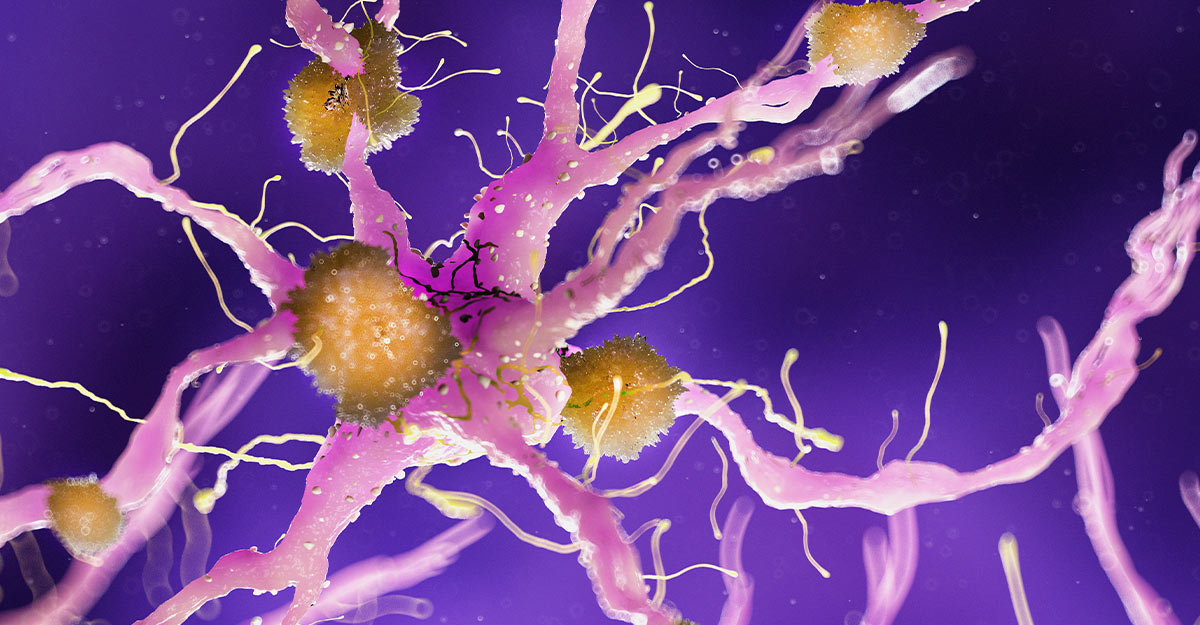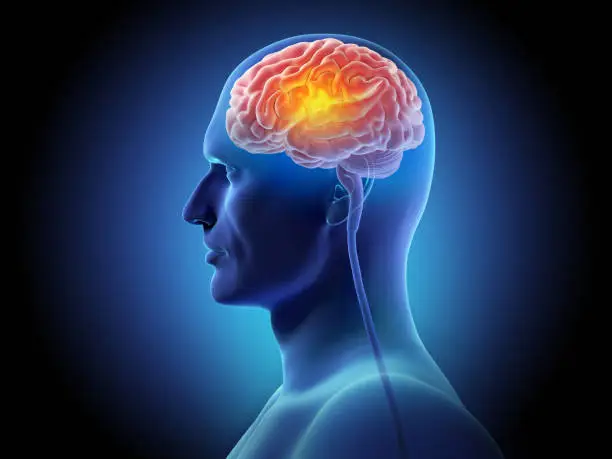
Loneliness is not simply the absence of people. It is the absence of felt connection. A crowded room can be lonelier than an empty one, and a single understanding presence can dissolve years of isolation. For a long time, loneliness was treated as a soft emotion, something poetic, tragic, or psychological but not biological. Modern science has overturned that idea. Loneliness is now understood as a powerful biological state that reshapes the brain, alters neural pathways, and changes how a person perceives, thinks, and feels. It leaves fingerprints not only on emotions but on neurons, hormones, immune cells, and even gene expression.
This article explores loneliness not as a metaphor but as a measurable force acting on the nervous system. It tells the story of how social isolation rewires the brain, how those changes once helped our ancestors survive, and how in the modern world they can quietly damage mental and physical health. Loneliness is deeply human, deeply painful, and deeply scientific.
Loneliness as a Biological Signal
Loneliness exists for the same reason hunger and pain exist. It is a signal. From an evolutionary perspective, humans are a social species. Survival depended on belonging to a group. Isolation meant vulnerability to predators, scarcity of resources, and reduced chances of reproduction. Natural selection favored brains that treated social separation as an urgent threat.
Because of this, loneliness is not neutral. It is aversive by design. When social bonds weaken, the brain shifts into a state of alert. Attention narrows. The nervous system becomes more vigilant. The body prepares for danger. This response is not a flaw; it is a survival mechanism. The problem arises when loneliness becomes chronic, when the alarm never turns off.
Modern neuroscience shows that loneliness is not just felt in the heart but encoded in neural circuits. The brain responds to perceived social isolation in ways strikingly similar to physical danger. Over time, these responses reshape neural pathways, influencing how a person thinks about themselves, others, and the world.
The Social Brain: Built for Connection
The human brain evolved in constant interaction with other humans. Entire neural networks are dedicated to social perception, emotional attunement, empathy, and communication. Regions such as the prefrontal cortex, amygdala, hippocampus, anterior cingulate cortex, and insula work together to interpret social cues, regulate emotions, and maintain relationships.
These systems are not optional extras layered onto a thinking brain. They are foundational. From infancy, neural development depends on social interaction. Eye contact, touch, voice, and responsiveness shape synaptic connections during critical periods. The brain expects connection in the same way it expects nutrition.
When social input is reduced or distorted, the brain does not simply remain unchanged. It adapts. Neurons that fire together wire together, and neurons that are rarely activated weaken their connections. Loneliness alters the frequency and pattern of neural activity across social and emotional circuits, gradually reshaping the brain’s architecture.
Perceived Isolation Versus Physical Solitude
An important scientific insight is that loneliness is subjective. It is not defined by how many people surround someone but by whether their social needs feel met. Two individuals can have identical social lives on paper, yet one feels deeply lonely while the other feels connected.
The brain responds to perceived isolation, not objective isolation. This distinction matters because the neural changes associated with loneliness are driven by interpretation. The brain asks, often unconsciously, “Am I socially safe?” If the answer is no, neural systems associated with threat and self-protection become more active.
This perception-based response explains why loneliness can persist even when opportunities for connection exist. Once neural pathways adapt to expect rejection or misunderstanding, they bias perception, reinforcing loneliness in a self-sustaining loop.
Loneliness and the Threat Response System
One of the most robust findings in loneliness research is heightened activity in the brain’s threat detection systems. The amygdala, which plays a central role in processing fear and potential danger, becomes more reactive in chronically lonely individuals.
This increased reactivity does not necessarily produce constant conscious fear. Instead, it subtly shifts how social information is processed. Neutral facial expressions may appear unfriendly. Ambiguous comments may feel rejecting. The brain becomes tuned to detect social threats quickly, sometimes too quickly.
At the same time, regions involved in emotion regulation, particularly areas of the prefrontal cortex, may show reduced efficiency. This imbalance means emotional reactions arise strongly but are harder to regulate. Over time, this pattern strengthens neural pathways associated with vigilance and weakens those associated with trust and openness.
How Loneliness Shapes Attention and Perception
Loneliness changes not only what the brain feels but what it notices. Studies show that lonely individuals display attentional biases toward negative social information. The brain prioritizes cues related to rejection, exclusion, or hostility.
This bias is reflected in neural activity. Brain imaging studies reveal altered activation patterns in visual and auditory processing regions when lonely individuals view or hear social stimuli. The brain does not process social information neutrally; it filters it through a lens shaped by isolation.
This altered perception is not deliberate pessimism. It is an adaptive response gone awry. In ancestral environments, heightened sensitivity to social threat may have encouraged behaviors that restored group inclusion. In modern contexts, it can instead reinforce withdrawal, misunderstanding, and further isolation.
The Role of the Default Mode Network
The default mode network is a set of interconnected brain regions active during rest, introspection, and self-referential thought. It plays a role in memory, imagination, and social cognition, including thinking about others’ intentions and one’s place in the social world.
Loneliness is associated with changes in default mode network activity. Increased self-focus and rumination are common. The brain turns inward, replaying past interactions, anticipating future ones, and often imagining negative outcomes.
This inward turn can deepen loneliness. Excessive rumination strengthens neural loops that revolve around self-criticism and social anxiety. Over time, these patterns become habitual, making it harder to engage spontaneously and openly with others.
Loneliness, Stress, and the HPA Axis
Loneliness activates the body’s stress response system, particularly the hypothalamic-pituitary-adrenal axis. This system regulates the release of cortisol, a hormone essential for responding to challenges but harmful in excess.
Chronically lonely individuals often show altered cortisol rhythms, including elevated levels throughout the day. This hormonal environment affects the brain directly. Cortisol influences synaptic plasticity, especially in the hippocampus and prefrontal cortex.
Prolonged exposure to stress hormones can impair memory, reduce emotional regulation, and weaken the brain’s ability to adapt flexibly. The neural consequences of loneliness thus extend beyond social processing into core cognitive functions.
Structural Brain Changes Associated with Loneliness
While much of the research focuses on functional changes, evidence also suggests structural differences associated with chronic loneliness. Variations in gray matter volume have been observed in regions involved in social cognition, emotional processing, and reward.
These structural differences do not imply damage in a simple sense. The brain is plastic throughout life. Structural changes reflect patterns of use. When certain circuits are repeatedly activated and others underused, the brain reallocates resources accordingly.
Importantly, these changes are not fixed. Neural structure can change in response to new experiences, including renewed social connection. Plasticity remains possible even after long periods of isolation.
Loneliness and the Brain’s Reward System
Social connection is inherently rewarding. Interaction with trusted others activates the brain’s reward circuitry, including pathways involving dopamine. These systems reinforce behaviors that promote bonding and cooperation.
Loneliness disrupts this system. Social interactions may feel less rewarding or more effortful. Anticipation of pleasure from connection diminishes. This shift is reflected in altered neural responses within reward-related regions.
As social rewards lose their impact, motivation to seek connection declines, even though the need for connection remains. This mismatch creates emotional pain and contributes to withdrawal, strengthening loneliness-related neural pathways.
The Immune System and Neuroinflammation
One of the most striking discoveries in loneliness research is its effect on the immune system. Loneliness is associated with increased inflammation, reflected in elevated levels of inflammatory markers in the blood.
This immune response is linked to changes in gene expression within immune cells, favoring pro-inflammatory activity. The brain and immune system communicate constantly, and inflammation can influence neural function.
Neuroinflammation affects neurotransmitter systems, synaptic plasticity, and neural signaling. It can contribute to symptoms such as fatigue, low mood, and cognitive fog. Loneliness thus operates not only through psychological stress but through biological pathways that bridge brain and body.
Loneliness Across the Lifespan
The neural impact of loneliness varies across different stages of life. In early childhood, social deprivation can profoundly affect brain development, altering attachment systems and emotional regulation. Sensitive periods exist during which social input is especially critical.
In adolescence, a time of heightened social sensitivity, loneliness can strongly influence identity formation and emotional circuits. The adolescent brain is particularly plastic, making it both vulnerable and resilient.
In older adulthood, loneliness is associated with accelerated cognitive decline and increased risk of neurodegenerative processes. Reduced social stimulation may weaken neural networks that support memory and executive function.
Across all ages, however, the core mechanisms remain similar. The brain interprets isolation as a threat, adjusts its circuitry accordingly, and carries those adjustments forward.
Loneliness, Depression, and Anxiety: Shared Neural Pathways
Loneliness is closely linked to depression and anxiety, but it is not identical to either. Instead, it shares overlapping neural pathways. Heightened amygdala activity, altered prefrontal regulation, and disrupted reward processing are common features.
Loneliness can increase vulnerability to mental health disorders by priming the brain toward negative interpretation and reduced emotional resilience. At the same time, depression and anxiety can increase loneliness by impairing social engagement.
This bidirectional relationship creates complex feedback loops. Understanding loneliness as a distinct biological state helps clarify why addressing social connection can improve mental health outcomes beyond traditional treatments.
The Evolutionary Logic Behind Loneliness-Induced Changes
From an evolutionary perspective, the neural changes associated with loneliness make sense. Heightened vigilance, increased self-focus, and sensitivity to social threat could motivate behaviors aimed at restoring group inclusion.
In small ancestral groups, these responses may have been adaptive. Withdrawal might have prompted reflection and behavioral adjustment. Increased alertness could have protected isolated individuals from danger.
In modern societies, however, these same responses often backfire. Social environments are more complex, less predictable, and less forgiving. The brain’s ancient algorithms struggle to navigate modern isolation, leading to chronic loneliness rather than resolution.
Social Pain and Physical Pain: A Shared Neural Signature
Neuroscience has revealed that social pain and physical pain share overlapping neural circuits. Regions such as the anterior cingulate cortex respond to both physical injury and social rejection.
This overlap explains why loneliness can hurt so deeply. The brain processes social exclusion not as a metaphorical pain but as a genuine neural event. This is not exaggeration or weakness; it is biology.
Understanding this shared circuitry reframes loneliness as a serious condition with real consequences, not merely an emotional inconvenience.
Plasticity and the Possibility of Healing
Despite the profound neural changes associated with loneliness, the brain remains capable of change. Neuroplasticity allows new experiences to reshape circuits, strengthen alternative pathways, and reduce maladaptive patterns.
Positive social interactions can gradually recalibrate threat systems, restore reward sensitivity, and enhance emotion regulation. Even brief experiences of genuine connection can activate neural pathways that counter loneliness.
Importantly, the brain responds not just to quantity of interaction but to quality. Feeling understood, valued, and safe matters more than social exposure alone. These experiences send powerful signals that reshape neural activity.
Loneliness in a Hyperconnected World
Modern technology has transformed how humans interact, but it has not eliminated loneliness. Digital connection can supplement but not fully replace embodied social interaction. The brain evolved to interpret facial expressions, tone of voice, touch, and shared physical presence.
When interaction lacks these elements, neural systems may receive incomplete signals of connection. This does not mean technology is inherently harmful, but it highlights the importance of meaningful, emotionally resonant contact.
The paradox of modern loneliness lies in this mismatch between constant communication and unmet neural expectations for connection.
Understanding Loneliness as a Public Health Issue
The neural and biological effects of loneliness extend beyond individual suffering. They influence population-level health outcomes, including increased risk of cardiovascular disease, cognitive decline, and mortality.
Recognizing loneliness as a biologically grounded condition underscores the need for societal approaches that foster connection. Urban design, workplace culture, healthcare systems, and community structures all influence opportunities for meaningful social interaction.
Science does not suggest simplistic solutions, but it does emphasize that social connection is not a luxury. It is a biological necessity.
The Meaning of Connection in a Biological Brain
At its deepest level, the science of loneliness reveals something profound about human nature. The brain is not designed to function in isolation. Identity, emotion, and meaning emerge through relationship.
Neural pathways that support empathy, trust, and cooperation are not secondary features. They are central to who we are. Loneliness disrupts these pathways, not because something is wrong with the individual, but because the brain is signaling unmet needs.
Understanding loneliness scientifically does not strip it of its emotional weight. Instead, it dignifies that pain, grounding it in biology and evolution. It reminds us that the desire for connection is not weakness but design.
A Brain That Reaches for Others
Loneliness changes neural pathways, but it does not erase the brain’s fundamental orientation toward connection. Even in isolation, the social brain remains active, imagining, longing, and seeking.
The same plasticity that allows loneliness to reshape the brain also allows connection to heal it. Every genuine interaction carries the potential to alter neural activity, reduce threat responses, and restore balance.
In this sense, loneliness is not a final state but a dynamic process. It is the brain reaching outward, signaling that it is meant to be met by another mind.
The science of loneliness tells a clear and deeply human story. We are wired for connection. When that wiring goes unmet, the brain adapts in ways that protect and wound at the same time. To understand loneliness is to understand the brain’s longing for relationship, a longing written not only in feelings but in neurons themselves.