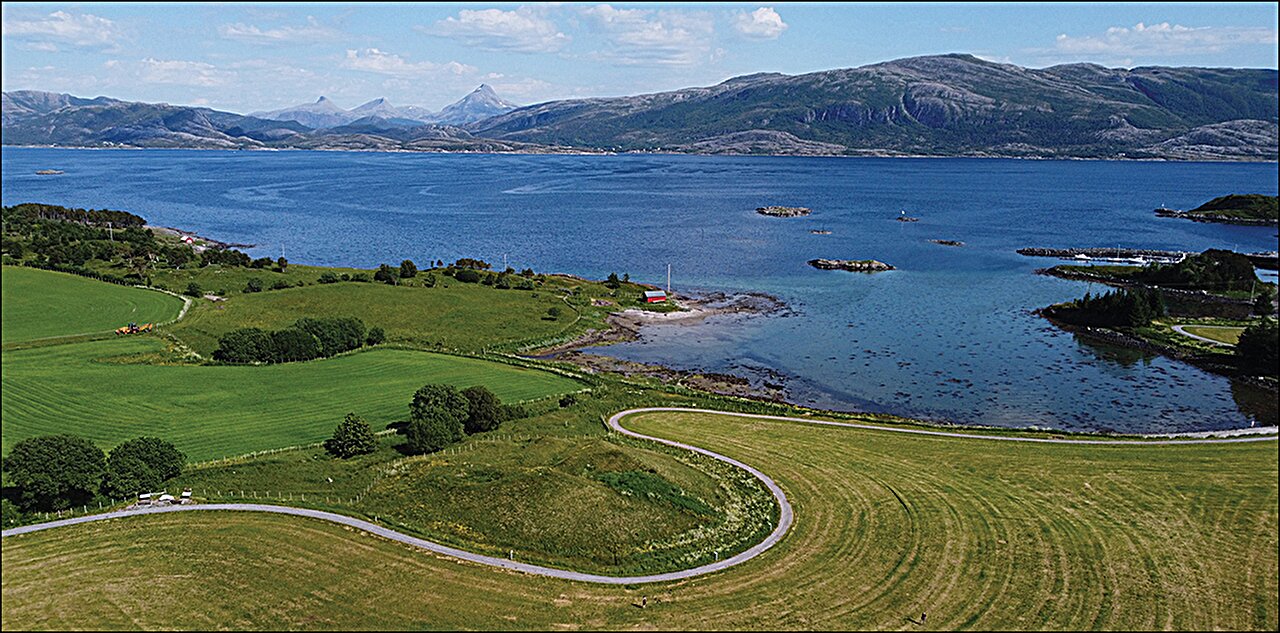
For generations, the residents of the remote Norwegian island of Leka have looked upon the massive earth mound of Herlaugshaugen and whispered of legendary kings and ancient sagas. While these stories were often dismissed as local folklore, recent archaeological investigations have revealed that the truth buried beneath the soil is even more significant than the legends suggested. Deep within this monumental structure, researchers have uncovered the remains of a massive ship burial that dates back 1,300 years, a find that is currently forcing historians to reconsider the entire timeline of maritime culture in Northern Europe.
Uncovering the Secrets of Herlaugshaugen
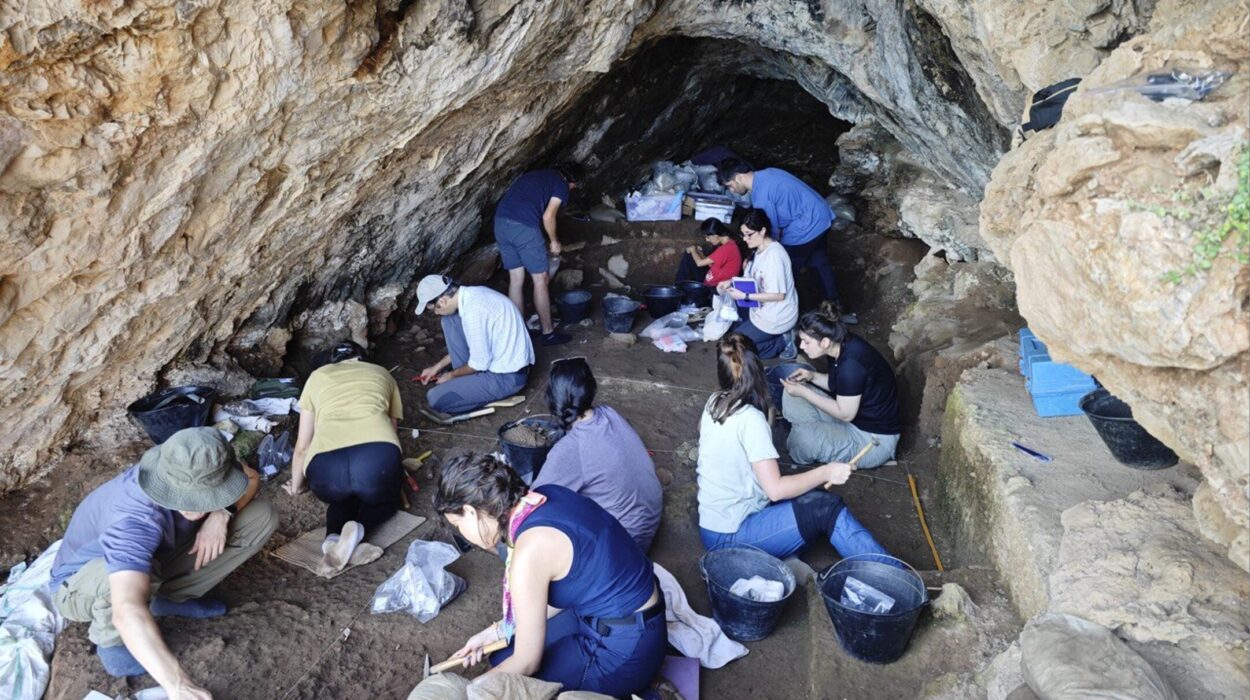
Large burial mounds are a familiar sight across the landscapes of Northern Europe, yet they rarely give up their secrets easily. Because fully excavating these sites is prohibitively expensive and carries a high risk of damaging irreplaceable historical context, the Norwegian research team opted for a more surgical approach. Instead of a full-scale dig, they utilized a combination of metal detectors and targeted trenching to probe the interior of the mound for evidence of a vessel.
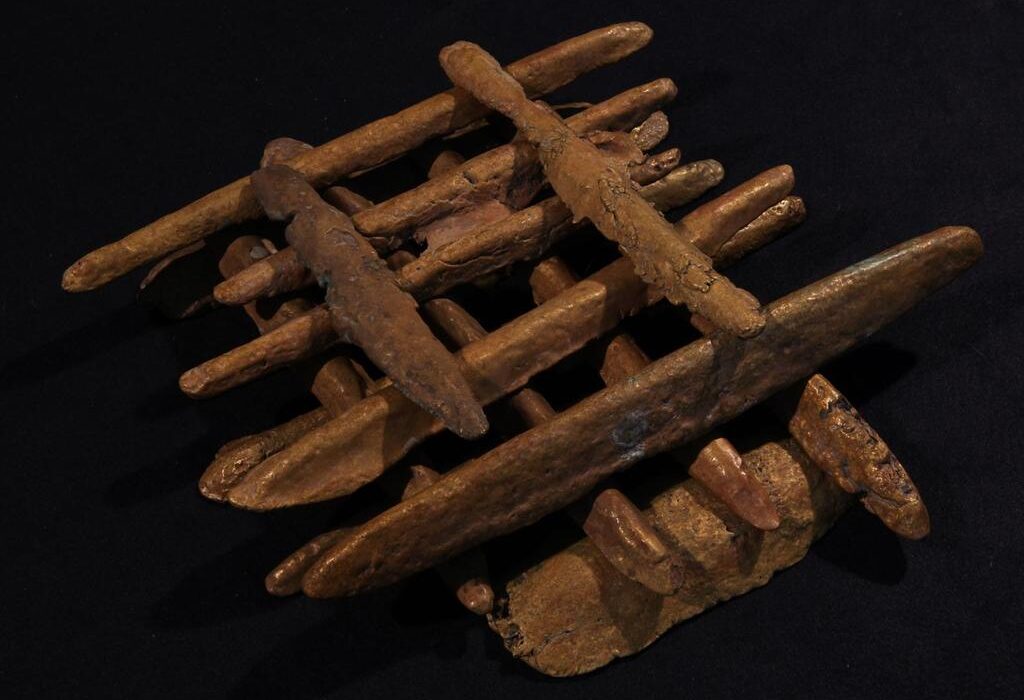
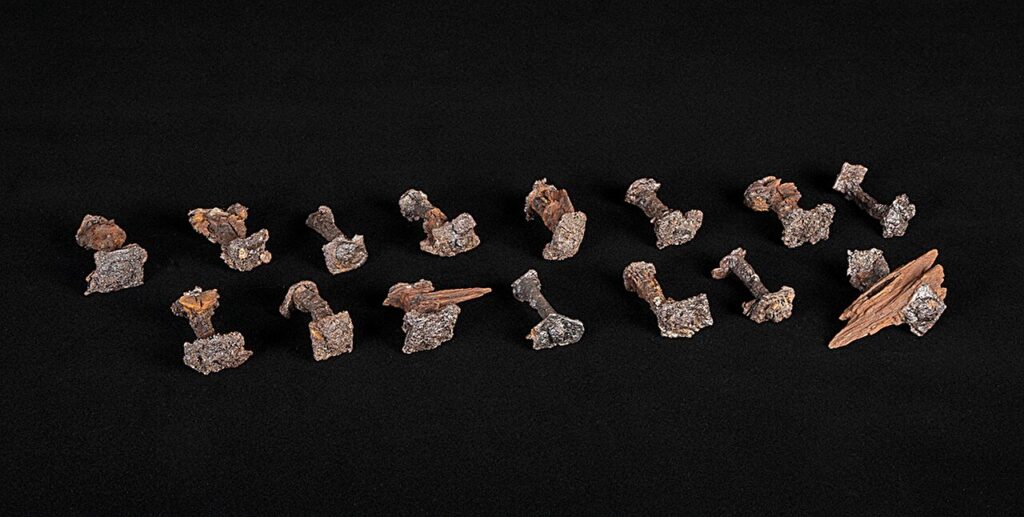
The strategy focused on a specific archaeological signature: even when the wood of an ancient ship has completely rotted away, the iron rivets that once fastened the planks together often remain in their original positions. The team’s persistence was rewarded with the discovery of 29 iron rivets. By analyzing the microscopic remains of wood still attached to these metal fasteners through radiocarbon dating, the scientists were able to pin the construction and burial of the ship to approximately AD 700. This date places the mound at the end of the seventh or the beginning of the eighth century, a full hundred years before the traditional start of the Viking Age.
Redefining the Origins of a Maritime Tradition
The discovery at Herlaugshaugen is far more than just a local curiosity; it challenges long-standing academic theories regarding the spread of ship burial traditions. Previously, the prevailing consensus among historians was that monumental ship burials began in England—most notably at the famous Sutton Hoo site, which dates to the early seventh century—and did not take root in Scandinavia until around AD 800.
By identifying a monumental ship burial in Norway dating to AD 700, this research proves that the tradition appeared in Scandinavia much earlier than previously believed. This shift in the timeline suggests that the seafaring capabilities and cultural practices we typically associate with the Vikings were actually well-established long before the first Viking raids ever reached foreign shores. It indicates that the technology required to build large, seagoing ships capable of traveling long distances was already present in the region during the Merovingian period.
A Monument to Ancient Power and Social Hierarchy
The sheer scale of the Herlaugshaugen mound provides a window into the social structure of eighth-century Norway. Building a mound of this magnitude was a massive undertaking that required the mobilization of immense amounts of labor and materials. Archaeologists argue that such a project could only have been commanded by an individual of exceptional influence, likely a powerful king or chief who possessed the authority to organize the necessary resources.
This find confirms that ship burials were already a primary symbol of elite status by the year 700. The act of burying a large, functional ship alongside a ruler served as a permanent, visible reminder of their power and their connection to the sea. The discovery suggests that the social stratification and centralized leadership often associated with the later Viking period were already forming deep roots in Scandinavian society generations earlier than historians once thought.
Why This Matters
The research at Leka is a critical piece of the puzzle for understanding the societal development of Northern Europe between the seventh and tenth centuries AD. By pushing the timeline of Scandinavian ship burials back by a century, the study bridges the gap between the early Germanic traditions seen in England and the later, more famous burials of the Viking era.
This discovery fundamentally changes our understanding of early medieval history by showing that the maritime “Viking” identity did not emerge in a vacuum at the end of the eighth century. Instead, it was the result of a long-standing cultural and technological evolution that was already reaching its peak by AD 700. Understanding how and why these early elites chose to be buried in such a monumental fashion helps historians trace the rise of the seafaring powerhouses that would eventually dominate the North Atlantic, revealing that the foundations of the Viking Age were laid much earlier than anyone realized.
Study Details
Geir Grønnesby et al, The Herlaugshaugen ship burial: closing the gap between the East Anglian and Scandinavian ship burial traditions, Antiquity (2026). DOI: 10.15184/aqy.2026.10330