The sun beats down on the landscape ten kilometers west of the Nile, illuminating a site that, for centuries, appeared to be little more than a collection of dust and broken clay. This is Athribis, once a bustling cult center dedicated to the lion goddess (Ta-)Repit. While the towering temples and limestone quarries of the region have long drawn the eyes of historians, a joint archaeological mission between the University of Tübingen and the Egyptian Ministry of Tourism and Antiquities (MoTA) has spent the last two decades looking much closer to the ground. What they have found is not gold or jewels, but something far more descriptive of the human experience: the world’s most extensive collection of ostraca.
To the untrained eye, an ostracon is nothing more than a discarded piece of pottery. In the ancient world, however, these pot sherds served as the scrap paper of the masses. Expensive papyrus was reserved for formal documents, but for the messy, vibrant business of daily life, the people of Athribis reached for the broken bits of jars and bowls. Since 2005, and with a staggering surge in discoveries over the last eight years, archaeologists led by Professor Christian Leitz and Mohamed Abdelbadia have recovered more than 43,000 of these inscribed fragments. This massive haul has officially crowned Athribis as the most productive site for ostraca in history, even surpassing the famous workers’ village of Deir el-Medina.
The Echoes of a Thousand Years
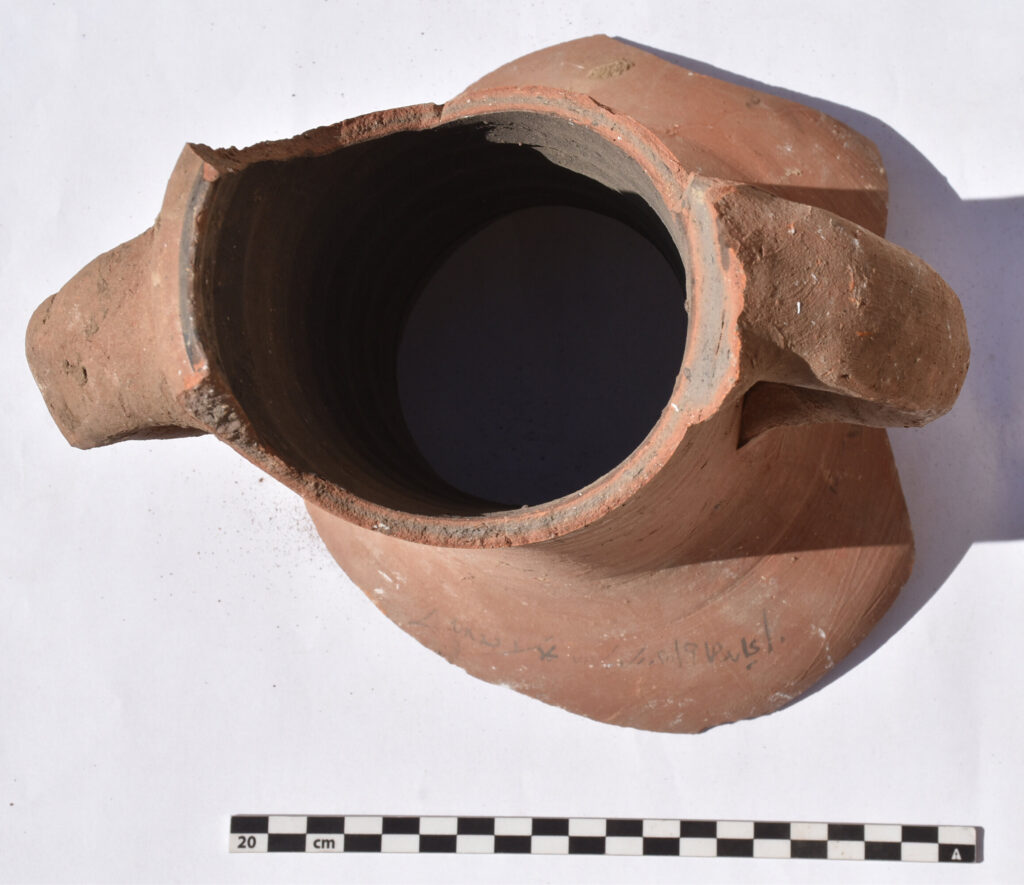
The story told by these fragments is not a short one; it spans over a millennium of human history. The earliest voices captured on the clay are those of taxpayers from the 3rd century BCE, recorded in Demotic script, which was the standard administrative writing of the Ptolemaic and Roman periods. As the centuries turned and empires rose and fell, the language on the pottery shifted. The collection eventually stretches all the way to the 9th to 11th centuries AD, featuring Arabic inscriptions on vessels that represent the later Islamic period of the region.
Walking through the storage depots of the mission is like walking through a frozen conversation. The sheer variety of texts is what Professor Leitz finds most astonishing. One sherd might be a mundane tax list or a record of deliveries, while the next is a deeply personal short note about daily chores. There are priestly certificates that solemnly attest to the high quality of sacrificial animals, ensuring they were fit for the goddess. Yet, right alongside these official religious documents are the messy exercises of schoolchildren, who practiced their letters on the same material their parents used to track the household budget. It is a chaotic, beautiful mixture that provides a direct, unvarnished window into the social history of the people who once called this desert edge home.
A City Rising from the Dust
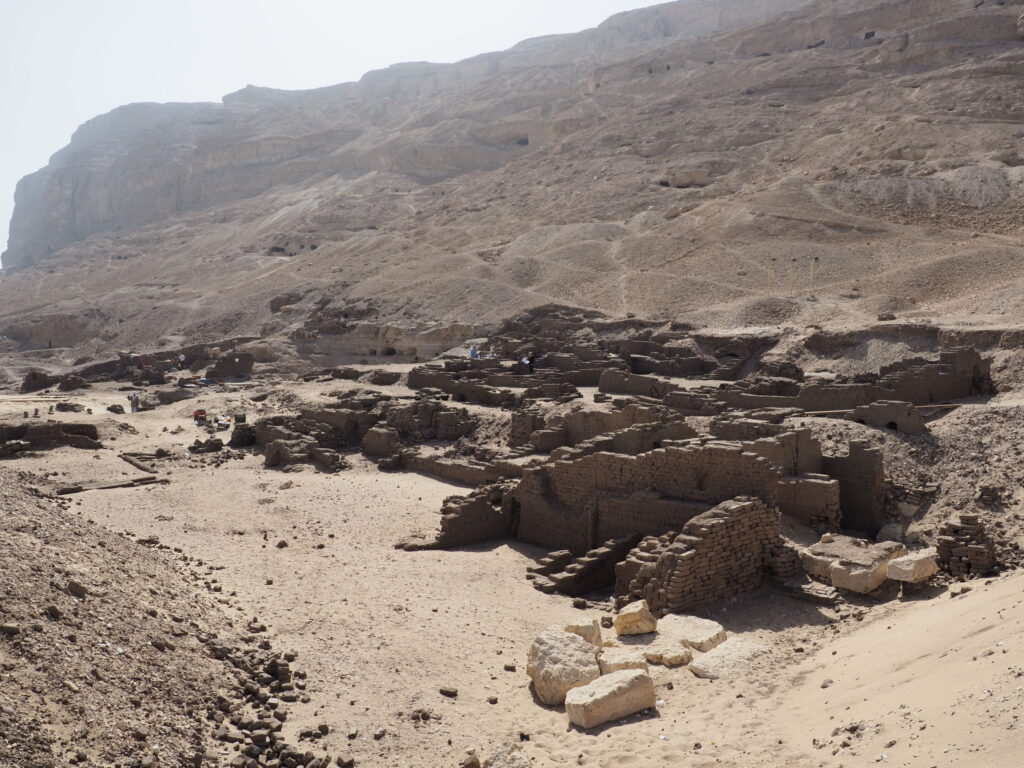
The scale of this discovery only truly revealed itself in 2018. At that time, the team opened a 20-by-40-meter excavation area to the west of the Temple of Ptolemy XII. As they dug deeper, they realized they weren’t just looking at a trash heap; they were uncovering a transition from a massive ceramic deposit into an actual settlement. More recently, the excavation expanded into a 40-by-40-meter plot, where the earth began to give up its secrets at a dizzying pace. Between 50 and 100 ostraca were being pulled from the ground every single day.
The labor behind these numbers is immense. For every single ostracon identified, the team must painstakingly examine hundreds of plain pot sherds, checking both the front and the back for the faint traces of ancient ink. As the team cleared away the sand, they didn’t just find writing; they found the places where the writers lived. Mud brick buildings, living quarters, and storage structures are emerging from the earth, painting a physical map of the community. Even an older temple, which previously only showed its 52-meter-wide gate structure, is being cleared, yielding even more fragments of the past.
The Language of the Stars and the Streets
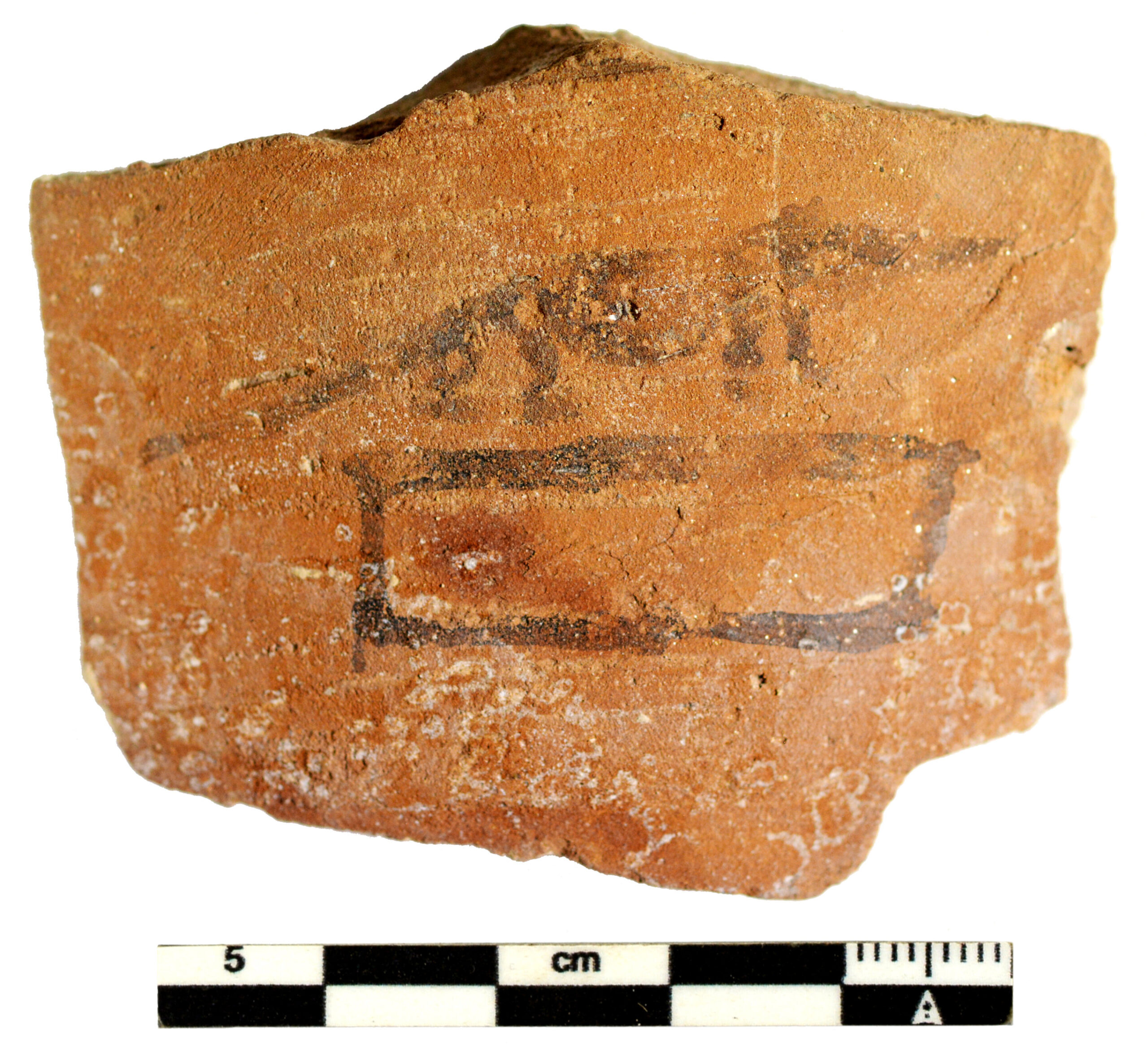
While the majority of the writing is in Demotic, the collection is a linguistic melting pot. There are significant numbers of Greek inscriptions, reflecting the Hellenistic influence on Egypt, as well as rarer examples of Hieratic, hieroglyphic, Coptic, and Arabic scripts. Some sherds skip words entirely, featuring figurative and geometric designs that show the artistic side of the inhabitants.
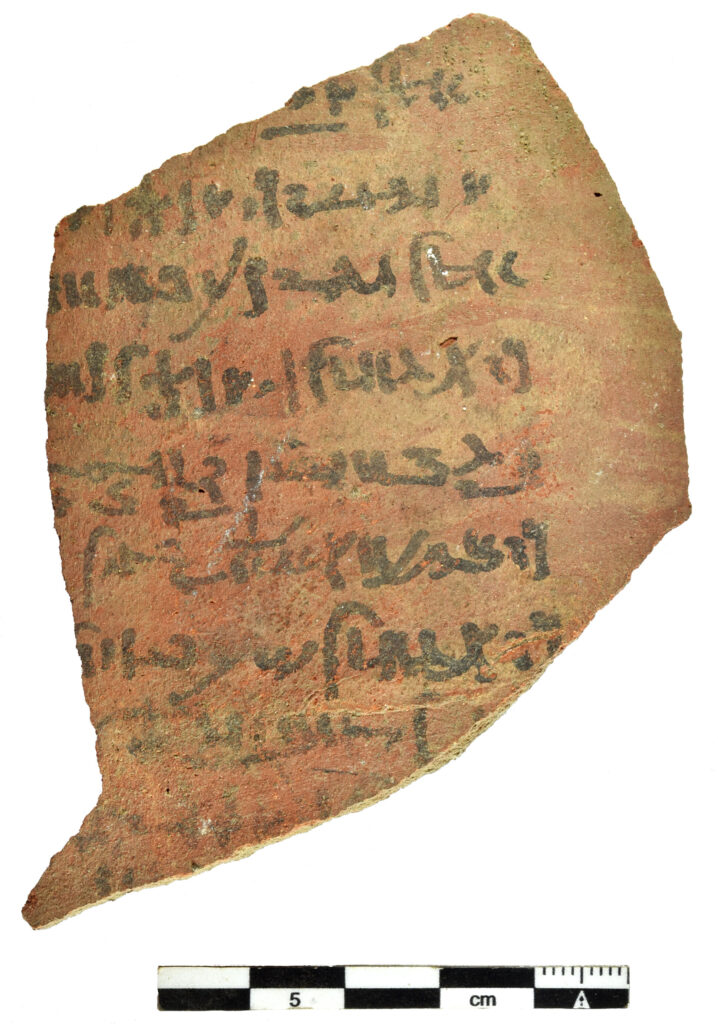
Perhaps most significantly, Athribis has distinguished itself as the world’s premier site for demotic-hieratic horoscopes. With more than 130 of these texts discovered, the site offers an unparalleled look at birth predictions. These are not just curiosities of folklore; they are vital data points for historians studying the history of ancient astronomy and astrology, revealing how the movements of the heavens were interpreted to predict the fates of newborns in the Nile valley.
Preserving the Fragments of a Civilization
The sheer volume of the find is a blessing that brings a heavy burden of responsibility. With over 40,000 sherds currently sitting in the local depot, the task of digitization is a monumental challenge. Each fragment requires three-dimensional digitization, a process that demands specialized equipment, immense computing capacity, and a team of specially trained staff. Professor Leitz has noted that while AI systems could theoretically speed up the cataloging and training, the effort to build and maintain such a system is a massive undertaking in its own right.
Despite the technical hurdles, the work continues with a sense of urgency and passion. This project is the result of a long-standing partnership between German and Egyptian institutions, a collaboration that Professor Karla Pollmann describes as a testament to the power of patience and expertise. By looking at what was once considered garbage, researchers are piecing together a vivid, high-definition picture of an ancient world that would otherwise be lost to time.
Why These Broken Pots Change Everything
This research matters because history is often written by the victors and the elite, recorded on grand monuments and expensive scrolls. But the Athribis ostraca offer something different: the truth of the everyman. These fragments prove that the “inconspicuous” can be just as revolutionary as the “monumental.” By documenting the tax receipts, school lessons, and horoscopes of ordinary people, we gain a comprehensive social history that bridges the gap between us and them. This project preserves a cultural heritage that transcends national borders, reminding us that no matter the millennium, the human desire to record our lives, manage our debts, and wonder at the stars remains exactly the same.