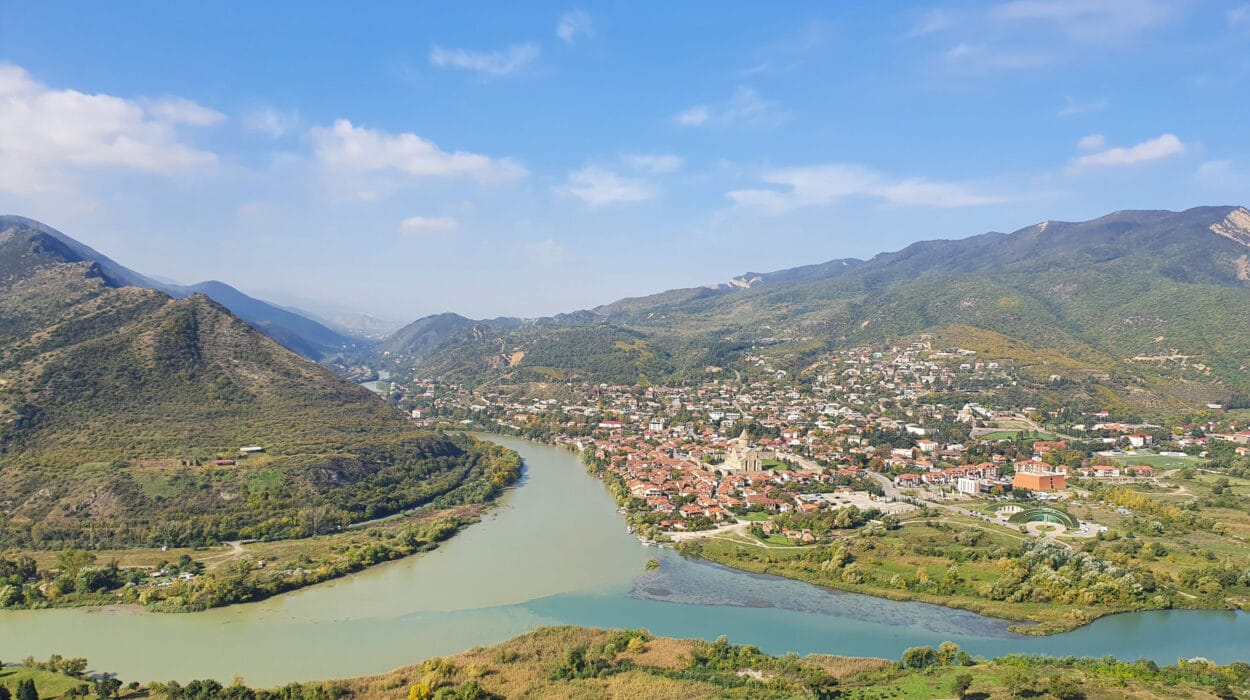
The earth at Gomolava in northern Serbia had been holding a secret for nearly 2,800 years. Beneath layers of soil, in what had once been a semi-subterranean house, lay the remains of more than 77 individuals. When archaeologists uncovered the grave, they were confronted not simply with bones, but with a story of violence so deliberate, so calculated, that it forces us to rethink what we thought we knew about prehistoric Europe.
At first glance, a mass grave from prehistory might suggest a village attacked in a sudden raid. Families, neighbors, relatives cut down together. But as researchers began to study the site, what they found did not fit that familiar pattern. Instead, it revealed something far more chilling.
Most of the victims were women and children. And they had not died quietly.
The Shock of the Unexpected
The study, published in Nature Human Behaviour, details how the individuals buried at Gomolava suffered violent deaths. Many showed signs of bludgeoning and stabbing. This was no accident, no natural disaster, no disease. It was an intentional, planned act of large-scale killing.
Associate Professor Barry Molloy of University College Dublin described the team’s initial expectation. When archaeologists encounter prehistoric mass graves filled with women and children, they often assume they are looking at the remains of a single community—families wiped out together in an attack.
But Gomolava defied that expectation.
Genetic analysis revealed something astonishing: the majority of those buried together were not closely related. Not siblings. Not cousins. Not even connected through great-great-grandparents. In prehistoric mass graves, such a lack of kinship is highly unusual. It suggests these people had not lived side by side as one community before their deaths.
The grave was not a snapshot of a single village’s destruction. It was something else entirely.
A Demographic That Speaks of Intention
The numbers alone tell a haunting story. Of the 77 individuals, 40 were children between the ages of 1 and 12, 11 were adolescents, and 24 were adults. Strikingly, 87% of the adults were female. The only infant identified in the grave was male.
Further analysis showed that most of the children, like the adults, were female.
In many ancient conflicts, younger individuals might have been spared, taken as captives, or absorbed into another community. But here, younger age groups were deliberately killed. This pattern suggests that the violence was not simply opportunistic. It was targeted.
The researchers argue that such selective killing may have been intended to send a grisly message. Eliminating women and children—those who represent continuity, future generations, and social bonds—could have been a way of asserting dominance, of demonstrating power in the most devastating way possible.
This was not random brutality. It was symbolic.
A Burial That Refused to Be Ordinary
Yet the story becomes even more complex when we look at how the victims were laid to rest.
In many prehistoric mass graves, bodies were hastily thrown into pits. Sometimes survivors buried them quickly. Sometimes even the killers did. Valuables were often taken. The burial was more about disposal than remembrance.
At Gomolava, something different happened.
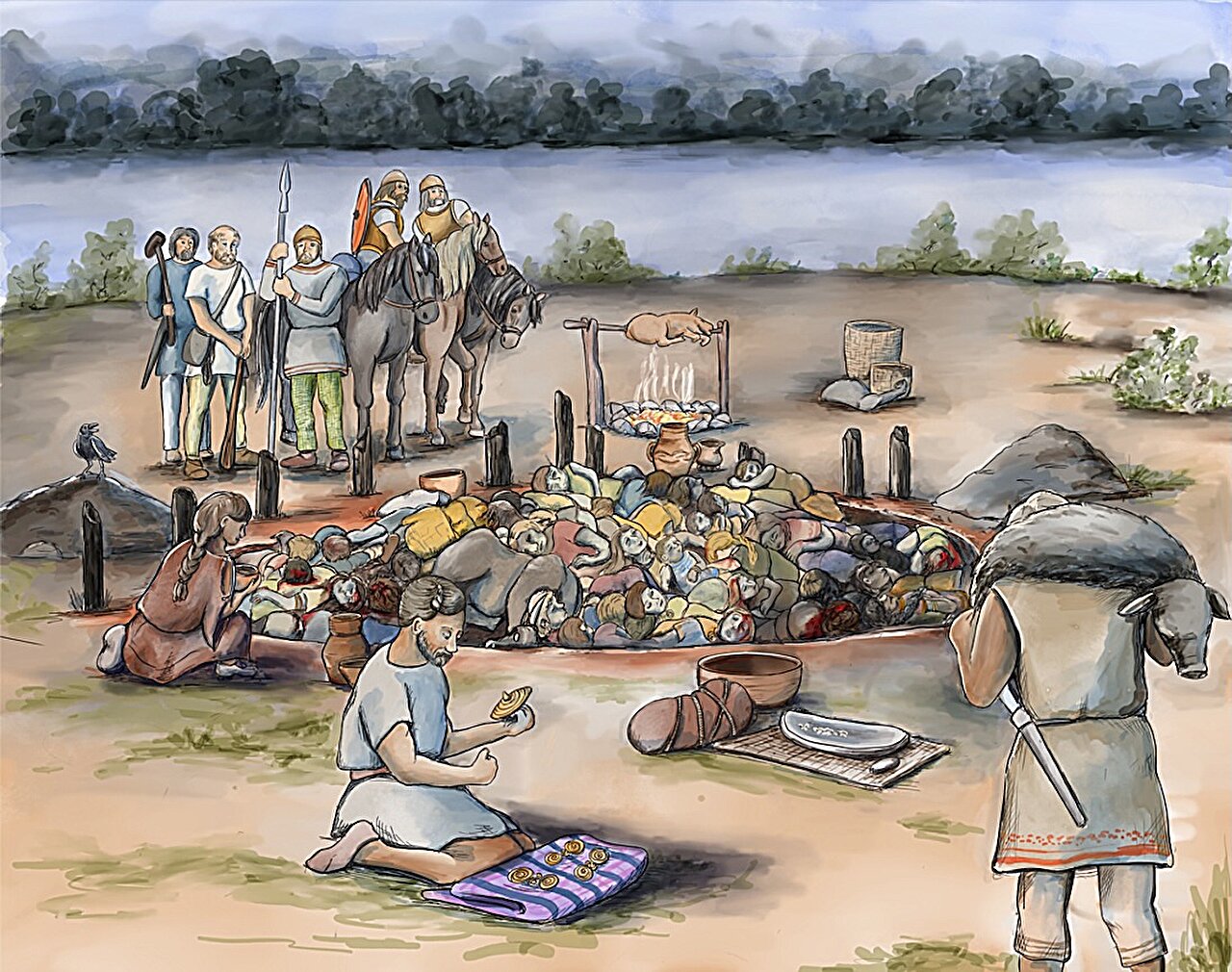
Although the bodies were placed in a disused semi-subterranean house, the burial shows signs of careful preparation. The dead were not stripped of their belongings. They were interred with bronze jewelry and ceramic drinking vessels. Offerings were made.
Animal remains, including a butchered calf, were placed with them. On top of the grave lay broken grain-grinding stones and burnt seeds. These were not random additions. They required time, effort, and resources.
Such actions suggest that whoever conducted the burial engaged in a deliberate and symbolic ritual. The victims were not discarded as refuse. They were commemorated.
That duality—brutal killing followed by respectful burial—creates a tension that is difficult to ignore. Violence and ritual intertwined.
Clues Written in Teeth and Bone
To understand who these individuals were, researchers turned to more than just DNA. They analyzed isotopes in teeth and bones, chemical signatures that reflect childhood diets.
The results pointed to diverse childhood diets, suggesting that the women and children did not grow up in the same place. They likely came from different settlements. This strengthens the idea that they were captured or forcibly displaced before their deaths.
Imagine groups of women and children taken from separate communities, gathered together not by kinship but by circumstance. Their presence in one grave, unconnected by blood, hints at a broader and more organized act of violence.
This was not a small skirmish between neighbors. It may have been part of a larger struggle unfolding across the region.
A Landscape in Turmoil
The mass killing occurred during a period of transformation in the Carpathian Basin. Communities were establishing enclosed settlements and reoccupying Bronze Age settlement mounds and parts of mega-forts. Building such structures was not just an architectural act—it was a statement.
Forts claim territory. They declare ownership over land and the resources that sustain life. But such claims do not go uncontested.
The researchers suggest that these developments may have sparked conflict between groups disputing territorial boundaries. Mobile pastoralists, who relied on seasonal access to land, may have clashed with more settled communities staking permanent claims.
Dr. Linda Fibiger of the University of Edinburgh interprets the brutal killings and subsequent commemoration as a powerful attempt to assert dominance and rebalance power relations. Violence, in this context, becomes political.
The grave at Gomolava may represent not just an atrocity, but a calculated move in a struggle over land, resources, and authority.
Echoes of a Larger Collapse
The research team has been tracing the aftermath of the Bronze Age collapse in Europe. The transition into the Iron Age was not a simple recovery. It was a period of reorganization, of shifting alliances and renewed competition.
What happened at Gomolava suggests that as communities reasserted control over landscapes, they sometimes did so through extreme violence.
The killings and the ritual burial together form a message carved into history. They speak of a world where power was negotiated not only through fortifications and settlements, but through acts meant to terrify and intimidate.
And yet, even within that violence, there was ceremony.
Why This Discovery Matters
The Gomolava grave forces us to reconsider our assumptions about prehistoric conflict. It reveals that large-scale, targeted violence against women and children was not only possible, but deliberately orchestrated. It shows that victims could be unrelated individuals brought together through capture and displacement, rather than members of a single destroyed village.
Perhaps most importantly, it demonstrates that violence and ritual were deeply intertwined. The careful burial, the offerings of jewelry and vessels, the placement of animal remains and agricultural tools—all suggest that the event was meant to be remembered. It was not simply about killing. It was about sending a message and reshaping power relations.
This discovery reshapes our understanding of Iron Age conflict. It shows that struggles over land and resources in prehistoric Europe could escalate into acts of mass violence designed to intimidate and dominate. It highlights how communities in times of upheaval might use brutality as a political tool.
Nearly three millennia later, the grave at Gomolava speaks across time. It tells us that even in distant prehistory, human societies grappled with power, territory, and fear in ways that feel hauntingly familiar. And it reminds us that beneath the soil of ancient landscapes lie stories not only of survival and resilience, but of calculated violence and the complex rituals that followed.
Study Details
Linda Fibiger et al, A large mass grave from the Early Iron Age indicates selective violence towards women and children in the Carpathian Basin, Nature Human Behaviour (2026). DOI: 10.1038/s41562-025-02399-9