Deep inside nearly every cell of your body, tiny, bean-shaped structures called mitochondria are hard at work. Often described as the “powerhouses” of the cell, these ancient organelles are responsible for converting the food we eat into the energy that keeps our hearts beating and our thoughts firing. For decades, scientists viewed them primarily as biological batteries—essential but mechanical. However, a groundbreaking study led by researchers at the USC Leonard Davis School of Gerontology has revealed that these organelles are doing much more than just generating power. They are actually listening to what we eat and sending out microscopic messengers to manage how we age.
The focus of this discovery lies in the Mediterranean diet, a celebrated eating pattern rich in olive oil, fish, legumes, fruits, and vegetables. While health experts have long known that this diet lowers the risk of heart disease, diabetes, and cognitive decline, the exact “how” has remained a biological mystery. We knew the results, but we didn’t fully understand the internal conversation happening between our dinner plates and our DNA. By analyzing blood samples from older adults, the research team, led by Roberto Vicinanza, discovered that the secret might be hidden within tiny, overlooked proteins tucked away inside the mitochondrial genome.
Messengers Hidden in the Genetic Mist
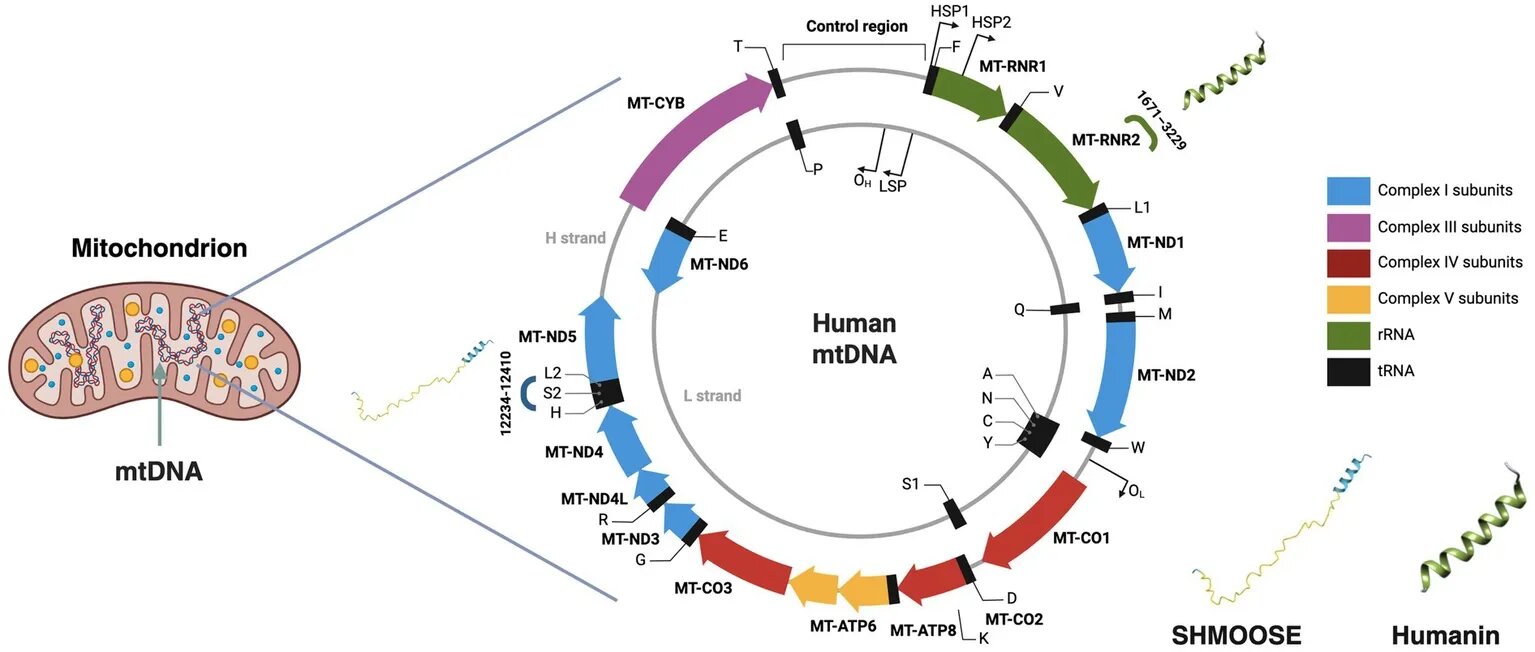
To understand this breakthrough, one must look at the unconventional way these proteins are made. Most proteins in our body are encoded by the DNA in the cell’s nucleus. However, mitochondria have their own separate set of genetic instructions. For a long time, scientists believed certain segments of this mitochondrial DNA were “nonfunctional”—essentially biological white noise. This study proves otherwise. Within these small open reading frames, the mitochondria produce “microproteins” or mitochondria-derived peptides that act as molecular signals.
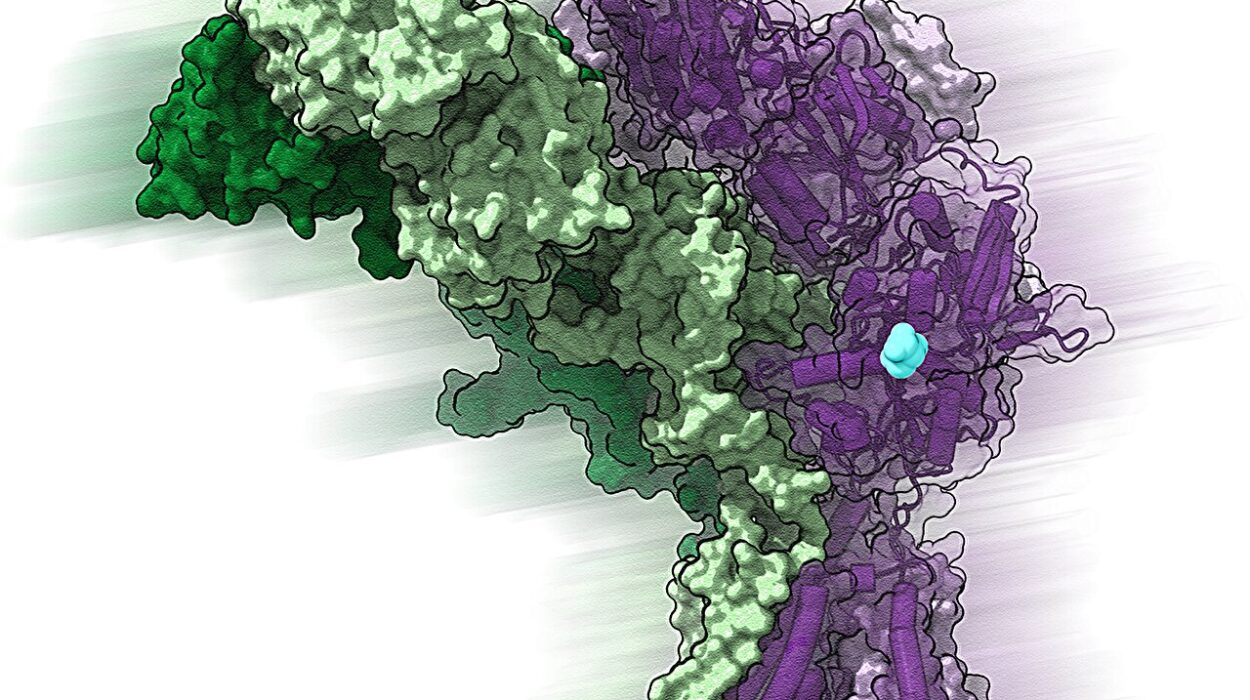
Two specific microproteins stood out in the study: humanin and SHMOOSE. The researchers found that individuals who strictly followed a Mediterranean-style diet had significantly higher levels of these two molecules circulating in their blood. Humanin, first identified by study senior author Pinchas Cohen in 2003, is a versatile protector. It has been linked to improved insulin sensitivity, longevity, and the preservation of cognitive function. Its partner, SHMOOSE, is a more recent discovery tied specifically to brain health. While certain genetic variants of SHMOOSE are linked to higher Alzheimer’s disease risk, the normal form of the protein appears to shield neurons from the devastating effects of amyloid-related damage.
A Shield Against the Rust of Time
The researchers observed that the presence of these microproteins wasn’t just a random occurrence; it was directly tied to specific foods. People who consumed more olive oil, fish, and legumes showed a marked increase in humanin. Meanwhile, those who favored olive oil and avoided refined carbohydrates saw a boost in SHMOOSE. This suggests that our food choices are directly influencing the “output” of our mitochondria, turning these organelles into a manufacturing plant for protective medicine.
One of the most exciting aspects of the study is how these messengers fight the “rusting” of the human body, known as oxidative stress. This stress is driven by reactive oxygen species, which damage cells and accelerate the aging process. The study found a fascinating interaction between humanin and an enzyme called Nox2. Normally, Nox2 produces harmful oxygen molecules that can stress the cardiovascular system. However, when humanin levels are high, Nox2 activity drops. This creates a dual-action defense: the Mediterranean diet naturally lowers stress markers while simultaneously signaling the mitochondria to release peptides that further suppress damaging pathways. This “double-hit” of protection may be the primary reason the diet is so effective at preventing cardiovascular disease.
From Molecular Biology to the Global Table
The implications of this research extend far beyond the walls of a laboratory. Roberto Vicinanza and his colleagues believe we are witnessing a bridge between centuries-old culinary traditions and cutting-edge molecular biology. The idea is that human mitochondria—ancient components of our cells—are likely adapted to the way humans ate for millennia: whole foods with little to no ultra-processed foods. When we eat according to these ancient patterns, our mitochondria respond by producing the “survival signals” they were evolved to create.
This connection between science and culture has led to a broader movement for global health advocacy. Efforts are already underway to recognize the cultural and biological importance of these traditions, including the establishment of an International Day of the Mediterranean Diet at the United Nations, to be held every November 16. The goal is to raise awareness that healthy eating isn’t just about weight management; it is about maintaining the molecular harmony of our internal systems.
Why This Research Matters
This study marks a pivotal shift in how we think about “precision nutrition.” Instead of general dietary advice, scientists may soon be able to use mitochondrial microproteins like humanin and SHMOOSE as biomarkers to measure exactly how well a diet is working for an individual. If we can confirm that specific dietary changes directly cause these peptides to rise, we can move from simple observation to clinical action.
Ultimately, this research matters because it provides a roadmap for healthy aging. By understanding the “causality” of how food influences our smallest genetic components, we can design nutritional strategies that promote health at the most fundamental level. It suggests that the fountain of youth may not be a single medicine, but a complex molecular conversation triggered by the very foods we choose to put on our forks every day. This discovery empowers us to see our meals not just as fuel, but as a sophisticated form of biological communication that tells our cells to stay young, stay strong, and keep the fire of life burning brightly.
Study Details
Roberto Vicinanza et al, Mediterranean diet adherence is associated with mitochondrial microproteins Humanin and SHMOOSE; potential role of the Humanin–Nox2 interaction in cardioprotection, Frontiers in Nutrition (2026). DOI: 10.3389/fnut.2025.1727012