A headache is one of the most common forms of human suffering. It can be mild, like a dull pressure behind the eyes, or so intense it feels as though the skull itself is splitting apart. It can arrive slowly, creeping in like a storm cloud, or strike suddenly with shocking force. Sometimes it fades after a glass of water or a nap. Other times it lingers for days, draining the color from life and turning simple tasks into unbearable challenges.
Headaches are universal. Nearly everyone experiences them at some point, regardless of age, culture, or lifestyle. Yet despite how familiar headaches are, the biological story behind them is surprisingly complex. Pain in the head is not simply a sign that something is “wrong” in one spot. It is a signal that multiple systems—nerves, blood vessels, chemicals, hormones, and brain networks—are interacting in a way that produces distress.
To truly understand why humans get headaches, we have to explore what pain is, how the nervous system interprets signals, and why the head is such a sensitive battleground for biological imbalance. Headaches are not just discomfort. They are the nervous system speaking in a language of warning, protection, and sometimes malfunction.
Headaches Are Not Brain Pain
One of the most important truths about headaches is also one of the most surprising: the brain itself cannot feel pain.
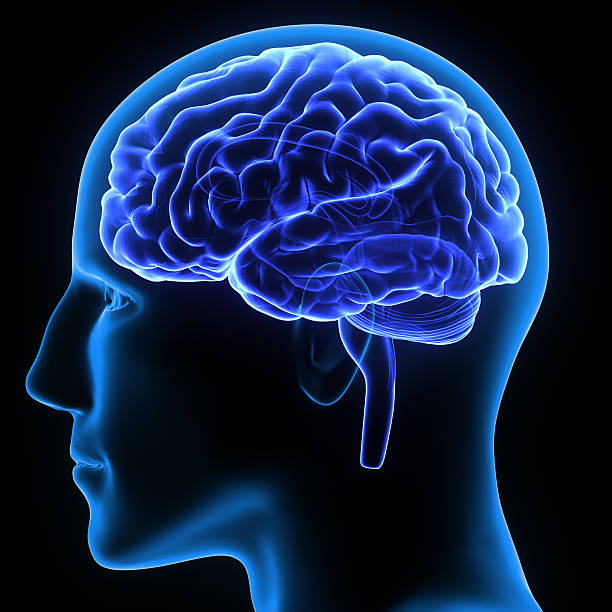
The brain tissue does not contain pain receptors, known as nociceptors. Surgeons have operated on conscious patients during brain surgery, and while the patient may feel pressure or movement, they do not feel pain directly from the brain. This is why headaches are not caused by the brain “hurting.”
Instead, headache pain comes from pain-sensitive structures surrounding the brain. These include the blood vessels in the head, the meninges (the protective membranes covering the brain), the scalp, the muscles of the neck and face, the sinuses, and nerves that carry sensory signals from these tissues.
When these structures become irritated, inflamed, stretched, or chemically activated, they send signals through sensory nerves. Those signals travel to the brainstem and higher brain regions where they are interpreted as pain.
So when your head aches, the brain is not suffering pain itself. The brain is receiving pain messages from tissues around it, and then translating those messages into the experience you recognize as a headache.
The Nervous System’s Pain Alarm
Pain is not simply a sensation. It is a survival mechanism. The body uses pain to alert you to danger, damage, or imbalance. It is one of the most powerful tools evolution has given humans to stay alive.
In the case of headaches, the pain system involves specialized nerve endings that detect mechanical stress, temperature extremes, and chemical signals of inflammation. When triggered, these nerve endings send electrical signals along sensory nerve fibers.
A major player in headache biology is the trigeminal nerve, the largest cranial nerve responsible for sensation in the face, jaw, teeth, and much of the scalp. It has branches that reach deep into the meninges and the blood vessels surrounding the brain.
The trigeminal nerve acts like a high-speed messenger. When something irritates pain-sensitive tissues in the head, the trigeminal nerve delivers the message to the brainstem. From there, the signal travels to the thalamus, which acts like a relay station, and finally to the cortex, where pain becomes a conscious experience.
This pathway is so central to headaches that many headache disorders, especially migraines, are thought to involve abnormal activation of the trigeminal nerve system.
Why the Head Is a Pain Hotspot
Humans do not get headaches because the head is weak. We get headaches because the head is crowded with vital systems and delicate structures.
The head contains the brain, the eyes, the ears, the sinuses, major blood vessels, and complex nerve networks. It also contains muscles that constantly adjust posture, jaw movement, facial expressions, and eye alignment. The head is one of the most active and information-dense regions of the body.
Any disruption in blood flow, nerve signaling, muscle tension, hydration, oxygen levels, hormone balance, or inflammation can create conditions that trigger pain signals. Because the brain is the command center of the body, it is protected by layers of membranes and blood vessels that are highly sensitive to stress. This sensitivity makes sense from an evolutionary perspective: anything threatening the head could threaten survival.
In other words, the head is biologically designed to sound the alarm quickly.
The Main Types of Headaches
Not all headaches are the same. The term “headache” describes a symptom, not a single condition. Biologically, headaches can arise from different mechanisms depending on the cause.
Some headaches are primary headaches, meaning the headache itself is the main problem. These include tension-type headaches, migraines, and cluster headaches. In these cases, the pain is not caused by another disease, but by how the nervous system and blood vessels behave.
Other headaches are secondary headaches, meaning they are a symptom of an underlying issue such as infection, dehydration, sinus inflammation, concussion, high blood pressure, medication overuse, or even rare but dangerous conditions like brain bleeding or tumors.
Understanding the biology behind headaches requires exploring the mechanisms of the most common and important headache types.
Tension-Type Headaches: The Muscle and Stress Connection
Tension-type headaches are the most common headaches in the world. They often feel like a tight band squeezing the head or a dull ache across the forehead and temples. Many people describe them as pressure rather than sharp pain.
For years, tension headaches were thought to be caused mainly by tight scalp and neck muscles. While muscle tension does play a role, modern research suggests the story is more complicated. The pain may involve increased sensitivity in the nervous system, especially in pain pathways that process signals from the head and neck.
Stress is one of the most common triggers. When you are stressed, your body enters a heightened state of alertness. Stress hormones like cortisol and adrenaline rise. Muscles tighten, breathing becomes shallow, and blood flow patterns shift. Over time, sustained stress can lead to chronic activation of pain pathways.
Another contributor is poor posture, especially from long hours sitting at a computer or looking down at a phone. When neck and shoulder muscles remain strained, they can compress nerves, reduce circulation, and cause irritation in connective tissues. This irritation can activate sensory nerves that feed into the same pain pathways responsible for headache.
Tension headaches often represent the body’s physical response to psychological strain. They are a reminder that the mind and body are not separate systems, but a single biological network.
Migraine: A Neurological Storm
Migraines are not just severe headaches. They are complex neurological events involving abnormal brain activity, altered blood vessel function, and changes in chemical signaling. Migraine pain is often throbbing, usually on one side of the head, and may come with nausea, vomiting, and sensitivity to light, sound, or smell.
A migraine can feel like the nervous system has been hijacked. The world becomes too bright, too loud, too sharp. Even movement can feel unbearable. For some people, migraines are disabling, forcing them to retreat into darkness and silence.
The biology of migraines involves several key processes.
One major theory is that migraines begin with abnormal activity in the brainstem and hypothalamus, areas involved in regulating sleep, hunger, stress responses, and sensory processing. This may explain why migraines are often triggered by changes in sleep patterns, missed meals, hormonal shifts, or emotional stress.
Another major process involves the trigeminovascular system, a network of trigeminal nerves and blood vessels around the brain. During a migraine, trigeminal nerves become activated and release inflammatory molecules such as calcitonin gene-related peptide (CGRP). CGRP causes blood vessels to widen and increases inflammation in surrounding tissues, which intensifies pain signals.
The pain of a migraine is not simply from widened blood vessels. It is from the chemical and nerve signaling storm that follows, amplifying pain pathways and making the brain hypersensitive to sensory input.
Migraine is essentially an overreaction of the nervous system, a temporary state in which the brain becomes unusually excitable and vulnerable to stimulation.
Migraine Aura and Cortical Spreading Depression
Some people experience an aura before a migraine. Aura symptoms may include flashing lights, zigzag patterns, blind spots, tingling sensations, or difficulty speaking. These symptoms can be frightening, but they are usually temporary.
The biological cause of migraine aura is thought to be a phenomenon called cortical spreading depression. Despite its name, it is not emotional depression. It refers to a slow-moving wave of electrical activity followed by suppression of brain activity that travels across the cortex.
This wave changes blood flow and alters the firing of neurons. If it passes through the visual cortex, it can produce visual disturbances. If it passes through sensory or speech regions, it can cause numbness or language problems.
Cortical spreading depression may also trigger the trigeminal nerve system, setting off the inflammatory cascade that produces migraine pain.
Aura is one of the clearest examples of how migraines are not just pain disorders, but neurological events involving widespread brain function changes.
Cluster Headaches: The Most Intense Head Pain
Cluster headaches are rare compared to tension headaches and migraines, but they are among the most severe pains humans can experience. They often cause stabbing or burning pain around one eye, accompanied by tearing, nasal congestion, drooping eyelids, or facial sweating.
Cluster headaches come in cycles, often occurring daily for weeks or months, then disappearing for long periods. This pattern suggests involvement of the hypothalamus, the brain region that regulates circadian rhythms and biological timing.
The pain is believed to involve activation of trigeminal nerves and abnormal blood vessel dilation near the eye. Unlike migraines, which may last hours to days, cluster headaches often peak quickly and may last 15 minutes to a few hours.
The intensity is so extreme that cluster headaches have been nicknamed “suicide headaches,” not as exaggeration, but because the pain can push sufferers into desperation.
Biologically, cluster headaches reflect a malfunction in pain control systems and autonomic nervous system regulation, causing the body’s facial blood vessels and nerves to behave abnormally in rhythmic cycles.
Sinus Headaches: Inflammation and Pressure
Many people believe they have sinus headaches, especially when they feel pain around the forehead, cheeks, or nose. True sinus headaches are usually caused by sinusitis, an infection or inflammation of the sinuses.
The sinuses are air-filled cavities in the skull lined with mucous membranes. When these membranes become inflamed, they swell and block normal drainage. Fluid builds up, pressure increases, and nearby nerves become irritated.
This irritation can trigger pain signals that feel like deep facial pressure. Sinus headaches are often accompanied by symptoms such as nasal congestion, thick mucus, fever, or reduced sense of smell.
Interestingly, many headaches people assume are sinus headaches are actually migraines. Migraines can cause nasal congestion and facial pressure due to nerve involvement, which can mimic sinus problems. This overlap shows how interconnected the nervous system and facial structures are.
Dehydration Headaches: When the Brain’s Environment Shifts
Dehydration is a common headache trigger, and its biology is surprisingly direct.
The brain is suspended in cerebrospinal fluid and protected by membranes. When the body becomes dehydrated, blood volume decreases, and fluid balance shifts. This can cause the brain and surrounding tissues to lose slight volume, leading to stretching of pain-sensitive membranes.
Even small changes in pressure and hydration can activate nerve endings in the meninges. Dehydration also reduces oxygen delivery efficiency and can cause electrolyte imbalances, both of which can alter nerve function and increase pain sensitivity.
Dehydration headaches often come with fatigue, dizziness, dry mouth, and dark urine. They may worsen when standing up and improve with rest and rehydration.
This type of headache is a reminder that pain is often the body’s simplest message: something essential is missing.
Caffeine and Withdrawal: A Chemical Tug-of-War
Caffeine is both a headache remedy and a headache trigger. This paradox is rooted in biology.
Caffeine affects blood vessels in the brain by causing vasoconstriction, meaning it narrows blood vessels. This is why caffeine can help relieve some headaches, especially migraines, which involve abnormal blood vessel behavior and nerve activation.
But if someone consumes caffeine regularly, the brain adapts. Blood vessels may become more sensitive to caffeine’s effects, and receptors in the nervous system adjust to maintain balance.
When caffeine intake suddenly stops, blood vessels may widen more than usual, increasing blood flow and pressure in pain-sensitive tissues. This dilation can activate headache pathways, producing the familiar dull ache of caffeine withdrawal.
Withdrawal headaches are a classic example of how the brain resists sudden change. The nervous system is built to adapt, but adaptation comes with dependence.
Hormones and Headaches: The Menstrual Migraine Connection
Hormonal changes are a major headache trigger, especially for women. Many migraines occur around menstruation, pregnancy, or menopause. The most important hormone involved is estrogen.
Estrogen affects neurotransmitters like serotonin, influences blood vessel tone, and interacts with pain-processing pathways. When estrogen levels drop sharply before menstruation, the nervous system may become more vulnerable to migraine activation.
These migraines can be more severe and harder to treat. Hormonal migraines highlight the fact that headaches are not simply about stress or muscle tension. They are deeply tied to internal chemistry and biological rhythms.
Hormones influence the brain’s sensitivity to pain, and changes in hormone levels can destabilize neural circuits that normally remain balanced.
The Role of Neurotransmitters: Serotonin, Dopamine, and Pain
Headaches are not only mechanical problems. They are chemical events.
Neurotransmitters are chemical messengers that allow neurons to communicate. Several neurotransmitters are heavily involved in headache biology.
Serotonin is one of the most important. Low serotonin levels are associated with migraines, and many migraine medications act on serotonin receptors. Serotonin affects blood vessel behavior, pain perception, mood, and nausea.
Dopamine is also involved. Some migraine symptoms such as yawning, food cravings, nausea, and mood changes may reflect dopamine system involvement. People with migraines often show increased sensitivity to dopamine.
Glutamate, the brain’s main excitatory neurotransmitter, may contribute to the hyperexcitability seen in migraine brains. Excess glutamate activity can make neurons more likely to fire in waves, potentially triggering aura and pain pathways.
These chemical systems explain why headaches are often linked to mood, appetite, sleep, and sensory sensitivity. A migraine is not just pain in the head; it is a whole-body neurological event.
Inflammation and the Immune System’s Role
Inflammation is the body’s defense mechanism, designed to fight infection and repair damage. But inflammation can also produce pain by activating nerve endings and sensitizing pain pathways.
In headaches, inflammation may occur in blood vessels, meninges, or surrounding tissues. During a migraine, the trigeminal nerve releases inflammatory substances, leading to neurogenic inflammation, a process where nerves themselves trigger inflammation.
This inflammation makes pain receptors more sensitive. Even normal blood flow pulses can feel painful. This is why migraine pain often throbs with the heartbeat.
Inflammation also explains why headaches can accompany illnesses such as the flu, COVID-19, or sinus infections. The immune system releases cytokines, chemical messengers that coordinate immune responses. Cytokines can affect the brain and nervous system, increasing fatigue, sensitivity, and pain.
When you get a headache during illness, it is partly your immune system’s chemistry influencing your nervous system.
Blood Vessels and Headache Pain
For many years, headaches—especially migraines—were believed to be primarily vascular disorders. While that view is incomplete, blood vessels still play a significant role.
The blood vessels in the meninges are surrounded by trigeminal nerve fibers. When these vessels widen, contract, or become inflamed, the nerves can be stimulated. This creates pain signals that the brain interprets as headache.
However, the key insight of modern headache science is that blood vessel changes alone do not explain everything. Migraines involve brain network dysfunction, nerve signaling abnormalities, and chemical release. Blood vessel dilation is often a downstream effect rather than the sole cause.
Still, vascular changes are important in understanding why certain medications work. Drugs that affect blood vessels and neurotransmitters can reduce migraine pain by calming the entire trigeminovascular system.
The Brain’s Pain Processing Can Become Overactive
One reason headaches can become chronic is that the nervous system can change over time. Pain is not static. The brain adapts to repeated pain signals.
When headache pathways are repeatedly activated, the brain can become sensitized. This means the nervous system begins responding more strongly to stimuli that normally would not be painful. This is called central sensitization.
Central sensitization can make headaches more frequent and harder to treat. It can also cause symptoms like scalp tenderness, neck sensitivity, and pain triggered by normal touch or movement.
This explains why chronic migraine sufferers may feel pain from brushing their hair or wearing glasses. The pain system has become overly alert, like a car alarm that goes off at the slightest vibration.
The biology of chronic headaches is often less about the original trigger and more about the nervous system learning pain as a habit.
Medication Overuse Headaches: When Relief Becomes the Cause
One of the cruelest headache phenomena is the medication overuse headache, sometimes called rebound headache. This occurs when painkillers are used too frequently.
When someone takes headache medication repeatedly, the brain’s pain pathways can adapt. The nervous system may become dependent on the medication’s presence, and when the drug wears off, pain returns stronger. Over time, the person takes more medication, creating a cycle of increasing headache frequency.
This is not weakness or imagination. It is neurobiology. The brain adjusts its neurotransmitter balance and pain thresholds in response to repeated chemical interference.
Medication overuse headaches highlight a difficult truth: the nervous system is not a simple machine. It is a living system that responds to patterns. Relief can unintentionally train the brain into expecting medication to maintain normal function.
Why Stress Is Such a Powerful Trigger
Stress is one of the most common headache triggers, and it affects nearly every system involved in pain.
Stress increases muscle tension, especially in the neck, shoulders, and jaw. It also alters breathing patterns, which can change carbon dioxide levels in the blood and affect blood vessel tone.
Stress activates the hypothalamic-pituitary-adrenal axis, raising cortisol levels. Cortisol affects inflammation, immune function, blood sugar levels, and brain chemistry. Chronic stress can disrupt sleep, appetite, and hydration, all of which can contribute to headache risk.
Stress also changes how the brain processes pain. Under stress, the nervous system becomes more sensitive, and the brain’s ability to regulate pain signals may weaken.
This is why headaches often arrive after a stressful event ends. During stress, adrenaline can suppress pain. When stress fades, the body crashes into fatigue, inflammation rises, and the headache appears.
The headache is not always the stress itself. Sometimes it is the aftermath.
Sleep and Headaches: A Delicate Balance
Sleep is not just rest. It is a neurological reset. During sleep, the brain regulates neurotransmitters, repairs tissues, clears waste products, and restores energy balance.
Too little sleep increases pain sensitivity, disrupts serotonin levels, and increases inflammation. Too much sleep can also trigger headaches, especially migraines, because it disrupts circadian rhythms.
The brain’s internal clock, controlled by the hypothalamus, influences hormone release and nervous system stability. When sleep patterns shift, headache risk increases.
This is why many people experience “weekend headaches” after sleeping in. The body expects one rhythm, and sudden change destabilizes the system.
Sleep and headache biology are intertwined because both involve the same regulatory brain networks. A headache can disrupt sleep, and disrupted sleep can create headaches, forming a vicious cycle.
When Headaches Are Warning Signs
Most headaches are not dangerous, but some can signal serious medical problems. The biology of pain does not always mean harmless irritation. Sometimes it reflects emergency conditions such as bleeding in the brain, meningitis, severe hypertension, stroke, or aneurysm rupture.
These headaches tend to have distinct patterns, such as sudden “thunderclap” onset, severe pain unlike any previous headache, headache with fever and neck stiffness, or headache with neurological symptoms like weakness, confusion, or vision loss.
From a biological standpoint, these headaches occur because dangerous processes are irritating meninges, raising pressure inside the skull, inflaming blood vessels, or damaging tissue.
Pain exists to warn. And sometimes, the warning is urgent.
Why Humans Get Headaches So Often
It is natural to wonder why evolution would allow such a common and unpleasant experience. Why would humans be designed to suffer headaches at all?
The answer is that headaches are not a single evolutionary feature. They are the side effect of having an advanced nervous system that is extremely sensitive, highly vascular, and deeply connected to survival mechanisms.
Humans have large brains with high energy demands. The brain requires constant oxygen and glucose supply, delivered through a dense network of blood vessels. The head contains complex sensory organs that constantly send information to the brain. The nervous system must rapidly detect changes in the environment and internal body conditions.
This complexity comes at a cost: vulnerability to overload.
Headaches often arise when the brain’s delicate balance is disturbed. Dehydration, stress, sleep disruption, hormone shifts, chemical changes, and inflammation all affect systems that must remain stable for survival. Headache pain may be the nervous system’s way of forcing rest and protection when balance is threatened.
In this sense, headaches may not be a flaw. They may be an alarm system that is sometimes too sensitive for modern life.
The Modern World as a Headache Trigger
While headaches have always existed, modern lifestyles can amplify them. Humans evolved under conditions of natural light, physical activity, varied movement, and limited screen exposure. Today, many people spend hours staring at screens, sitting with poor posture, sleeping irregularly, and consuming caffeine or processed foods.
Bright artificial light, screen flicker, and constant sensory stimulation can trigger migraines in sensitive individuals. Prolonged muscle strain in the neck and shoulders can provoke tension headaches. Skipping meals due to busy schedules can destabilize blood sugar and trigger migraine pathways. Chronic stress can keep the nervous system locked in an activated state.
The biology behind headaches has not changed. But the environment has.
Our nervous system is ancient, built for survival in nature. It now operates in a world of relentless stimulation, and headaches may be one of the ways it protests.
The Deep Truth Behind Headache Pain
Headaches are not simply random discomfort. They are biological events involving nerves, blood vessels, brain chemistry, inflammation, and sensory processing. They are shaped by genetics, hormones, lifestyle, and environment. They can be minor signals of dehydration or stress, or they can be disabling neurological storms.
At the center of it all is the nervous system, constantly monitoring the body’s internal state and external world. When balance is disrupted, pain pathways can activate, sending signals that demand attention.
A headache is the body saying something is off. Sometimes the message is simple: rest, hydrate, eat, sleep. Sometimes it is deeper: your nervous system is overwhelmed. Sometimes it is urgent: something dangerous may be happening.
The biology behind headaches reveals a powerful truth about human life. We are not machines. We are living systems of extraordinary sensitivity. The same complexity that allows humans to think, dream, create, and survive also makes us vulnerable to pain.
Headaches are a reminder of that vulnerability. But they are also proof of the body’s intelligence, its ability to detect imbalance and force us to slow down.
In a universe filled with noise, stress, and constant motion, headache pain may be one of the most human signals of all: a demand for stillness, a plea for balance, and a biological warning written in the language of nerves.